Can You Lease a Jeep Rubicon and Get Approved Today
Yes, you can lease a Jeep Rubicon, and getting approved is more achievable than most buyers think. This guide covers everything you need to know about Jeep Rubicon lease requirements, costs, terms, and how to boost your chances of approval. Whether you are a first-time lessee or a seasoned shopper, you will find practical tips to secure the best deal.
Key Takeaways
- Leasing a Jeep Rubicon is possible: Most major dealerships and lenders offer lease options for the Rubicon trim.
- Credit score matters: A score of 680 or higher greatly improves your odds of approval.
- Monthly payments vary: Expect to pay between $450 and $700 per month depending on the term and down payment.
- Mileage limits apply: Most leases cap annual mileage at 10,000 to 15,000 miles, and exceeding that can lead to extra charges.
- Lease specials exist: Jeep often runs promotional lease deals that can lower your upfront costs.
- Lease vs buy has trade-offs: Leasing offers lower monthly payments but you own nothing at the end.
- Preparation is key: Checking your credit, saving for a down payment, and comparing offers all help you get approved faster.
📑 Table of Contents
- Can You Lease a Jeep Rubicon and What Does It Take to Get Approved?
- What Are the Lease Requirements for a Jeep Rubicon?
- Understanding Jeep Rubicon Lease Terms and Costs
- Tips to Get Approved for a Jeep Rubicon Lease Today
- Lease vs Buy: Which Option Makes More Sense for a Jeep Rubicon?
- Common Mistakes to Avoid When Leasing a Jeep Rubicon
- Final Thoughts on Leasing a Jeep Rubicon
Can You Lease a Jeep Rubicon and What Does It Take to Get Approved?
If you have been dreaming about hitting the trails in a Jeep Rubicon, leasing might be a smarter move than buying outright. The short answer is yes, you can lease a Jeep Rubicon. But the process is not always as simple as walking into a dealership and signing on the dotted line. Lenders look at several factors before they approve a lease, and understanding those factors puts you in a much stronger position.
A Jeep Rubicon lease gives you the freedom to drive one of the most capable off-road SUVs on the market without committing to a long-term loan. You get a new vehicle every few years, lower monthly payments compared to a loan, and the peace of mind that comes with a factory warranty. But before you start imagining yourself conquering rocky trails, let us break down exactly what it takes to get approved.
Leasing has grown in popularity across all vehicle types, and the Jeep brand is no exception. More buyers are discovering that a lease can fit their budget and lifestyle better than a traditional auto loan. If you are curious about the Jeep lease process and want to know what steps to take, you are in the right place. Let us walk through everything you need to know.
Why the Jeep Rubicon Is a Popular Choice for Leasing
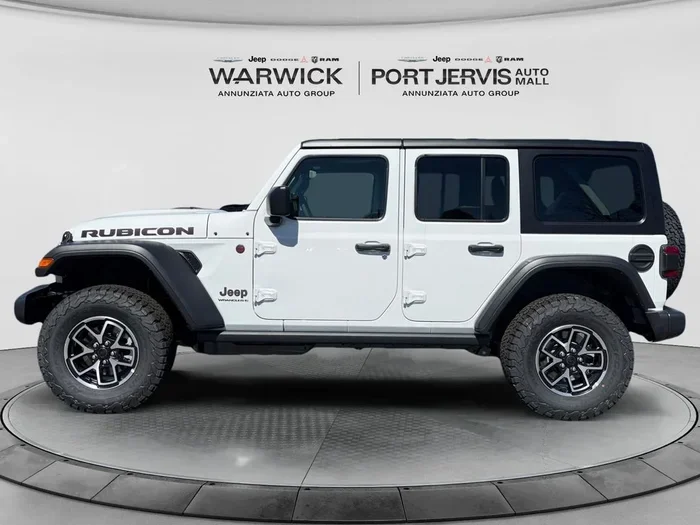
The Rubicon is Jeep’s top-tier off-road trim. It comes with electronic sway bar disconnect, locking differentials, rock rails, and 33-inch all-terrain tires. These features make it a head-turner both on and off the pavement. But they also make it one of the more expensive Jeep Wrangler models to purchase outright. That is where leasing becomes attractive.
When you lease a Jeep Rubicon, you pay for the vehicle’s depreciation during the lease term rather than the full purchase price. This means your monthly lease payment can be significantly lower than what you would pay with a loan. For many buyers, this opens the door to a vehicle they might not otherwise be able to afford.
Another reason leasing is popular is the flexibility. Most lease terms run between 24 and 48 months. At the end of the lease, you can simply return the vehicle and lease a new one. This means you are always driving a recent model with the latest features and safety technology. If you love staying up to date with automotive advancements, leasing makes a lot of sense.
What Are the Lease Requirements for a Jeep Rubicon?
Before you apply for a Jeep Rubicon lease, it helps to know what lenders and dealerships will be looking at. The requirements are similar to those for any vehicle lease, but the high price tag of the Rubicon means lenders may be a bit more cautious.
Credit Score and Your Leasing Approval Odds
Your credit score is the single most important factor in lease approval. Most lenders want a score of at least 680 for a standard lease. If your score is below that, you may still qualify, but you could face higher interest rates or need a larger down payment.
Here is a quick look at how credit scores typically affect lease approval:
- 720 and above: Excellent chances of approval with the best rates.
- 680 to 719: Good chances. You may qualify for competitive rates.
- 620 to 679: Fair chances. Expect higher monthly payments and stricter terms.
- Below 620: Approval is possible but difficult. You may need a cosigner or a specialized lender.
If your credit score is not where you want it, do not panic. There are steps you can take to improve it before you apply. Paying down existing debt, correcting errors on your credit report, and avoiding new credit inquiries can all help boost your score in a few months.
Income and Employment Verification
Lenders also want to see proof of stable income. Most dealerships require a minimum monthly income of around $2,500 to $3,000 for lease approval. You will typically need to provide pay stubs, tax returns, or bank statements. If you are self-employed, you may need to provide additional documentation such as profit and loss statements.
The goal is simple. Lenders want to know you can make the monthly payments consistently. If you can show a steady income and a manageable debt-to-income ratio, you are already ahead of the game.
Down Payment Expectations
Not every lease requires a down payment, but putting money down can lower your monthly payments and improve your chances of approval. For a Jeep Rubicon lease, a down payment of $1,000 to $3,000 is common. Some lease specials may require little to no money upfront, which is always appealing.
Keep in mind that a down payment is not the same as a security deposit. The down payment reduces the capitalized cost of the vehicle, which directly affects your monthly payment. The security deposit, if required, is usually refundable at the end of the lease.
Understanding Jeep Rubicon Lease Terms and Costs
Once you know you can qualify, the next step is understanding the terms and costs. A Jeep Rubicon lease comes with specific numbers that you need to be comfortable with before you sign anything.
Monthly Lease Payments: What to Expect
Monthly payments for a Jeep Rubicon lease typically range from $450 to $700, depending on the term, down payment, and your credit profile. A 36-month lease with a $2,500 down payment and a good credit score will land you on the lower end of that range. A shorter lease or a lower credit score can push payments higher.
Here is a rough comparison of what different terms might look like:
- 24-month lease: Higher monthly payments, but you get a new vehicle faster.
- 36-month lease: The most popular option. Balances payment amount with term length.
- 48-month lease: Lower monthly payments, but you may pay more in total over the life of the lease.
Always ask the dealer for a full breakdown of all costs before you sign. This includes the monthly payment, down payment, acquisition fee, disposition fee, and any early termination charges.
Mileage Limits and Excess Mileage Charges
Every lease comes with a mileage cap, and the Jeep Rubicon is no exception. Most leases cap annual mileage at 10,000 to 15,000 miles. If you exceed that limit, you will pay a fee for every extra mile, usually between $0.15 and $0.30 per mile.
This is an important consideration for Rubicon owners. The Rubicon is built for off-roading, and many owners rack up miles on trails and adventures. If you know you will drive more than the standard allowance, look for a lease with a higher mileage cap or negotiate one upfront. It is much cheaper to plan ahead than to pay excess charges at the end.
Some buyers wonder about tracking mileage, especially if they have had issues with odometer readings in the past. If you ever suspect something is off with your vehicle’s mileage, it is worth learning more about whether you can change your odometer reading and what the legal implications are. Staying informed protects you from costly surprises.
Money Factor and Residual Value Explained
Two terms that often confuse first-time lessees are money factor and residual value. The money factor is essentially the interest rate on a lease, expressed as a decimal. A lower money factor means lower monthly payments. The residual value is what the vehicle is expected to be worth at the end of the lease. A higher residual value means lower depreciation and, therefore, lower payments.
For a Jeep Rubicon, the residual value is typically around 50% to 55% of the vehicle’s MSRP after a 36-month lease. This is fairly standard for a premium off-road SUV. Understanding these two numbers helps you compare lease offers from different dealerships and find the best deal.
Tips to Get Approved for a Jeep Rubicon Lease Today
Getting approved is not just about having good credit. There are several proactive steps you can take to strengthen your application and improve your chances of walking out with a new Rubicon.
Check and Improve Your Credit Before Applying
Pull your credit report at least 60 days before you plan to apply. Look for errors, late payments, or collections that could be dragging your score down. Disputing inaccuracies can sometimes boost your score by 20 to 50 points in a matter of weeks.
If you have high credit card balances, paying them down before applying can also help. Lenders look at your credit utilization ratio, which is the amount of credit you are using compared to your total available credit. Keeping this ratio below 30% is ideal.
Compare Multiple Dealerships and Lease Offers
Do not settle for the first offer you receive. Different dealerships have different lease specials, incentives, and markup structures. Shopping around can save you hundreds of dollars over the life of the lease. Call at least three dealerships and ask for a full lease breakdown before you visit in person.
Many Jeep dealerships run seasonal lease specials, especially at the end of a quarter or during holiday weekends. Timing your purchase can make a real difference in the deal you get.
Consider a Cosigner if Needed
If your credit score or income does not meet the lender’s requirements, a cosigner can help. A cosigner with strong credit and stable income essentially guarantees the lease on your behalf. This can open the door to better rates and lower down payment requirements.
Just remember that a cosigner is taking on real financial risk. If you miss a payment, it affects their credit too. Make sure you are fully committed to making every payment on time before you bring someone into the agreement.
Look Into Lease Protection and Insurance
Leased vehicles need to be insured, and the coverage requirements are often higher than for a financed vehicle. Gap insurance is especially important. It covers the difference between what you owe on the lease and what the vehicle is worth if it is totaled or stolen.
Off-roading can increase the risk of damage to your vehicle, so make sure your insurance policy covers off-road use. If you are ever involved in an accident while out on the trails, you want to be fully protected. Learning about what happens when a vehicle is damaged beyond repair can help you understand why proper insurance is so critical when leasing a Jeep.
Lease vs Buy: Which Option Makes More Sense for a Jeep Rubicon?
This is one of the most common questions buyers ask, and the answer depends on your personal situation. Both leasing and buying have clear advantages and drawbacks.
Benefits of Leasing a Jeep Rubicon
- Lower monthly payments: You pay only for the vehicle’s depreciation during the lease term.
- Drive a new vehicle every few years: No long-term commitment to one vehicle.
- Factory warranty coverage: Most repairs are covered during the lease period.
- Lower upfront costs: Down payments are typically smaller than with a purchase loan.
- Tax advantages: In some cases, you can deduct vehicle sales tax on your federal return if you use the vehicle for business purposes.
Benefits of Buying a Jeep Rubicon
- You own the vehicle: No mileage restrictions or lease-end fees.
- Full customization freedom: Modify it however you want without worrying about lease terms.
- No excess mileage charges: Drive as many miles as you want without penalty.
- Long-term savings: After the loan is paid off, you have no more monthly payments.
- Builds equity: The vehicle retains value and can be traded in or sold later.
If you love the idea of always having a new Jeep and keeping monthly costs low, leasing wins. If you plan to keep your vehicle for many years and want the freedom to modify it extensively, buying is the better choice. There is no wrong answer here, only what fits your lifestyle best.
Common Mistakes to Avoid When Leasing a Jeep Rubicon
Even experienced buyers can make mistakes when leasing. Avoiding these common pitfalls can save you money and headaches down the road.
Not Reading the Fine Print
Every lease agreement has details that matter. Pay close attention to the mileage cap, wear-and-tear policies, early termination fees, and disposition fees. If something is unclear, ask the dealer to explain it before you sign.
Underestimating Mileage Needs
Choosing a lease with too low a mileage cap is one of the most expensive mistakes you can make. If you regularly drive long distances or spend weekends on the trail, a 10,000-mile annual cap will cost you dearly in excess charges. Be honest about your driving habits and choose accordingly.
Skipping the Gap Insurance
Without gap insurance, you could owe thousands of dollars on a lease if your Rubicon is totaled in an accident. The vehicle’s actual cash value may be less than what you owe, and gap insurance covers that difference. It is a small cost that provides significant protection.
Ignoring Maintenance Requirements
Lease agreements require you to maintain the vehicle according to the manufacturer’s schedule. Skipping oil changes, tire rotations, or other scheduled services can result in charges at lease-end. Keep all service records and stick to the maintenance plan.
Failing to Negotiate the Capitalized Cost
The capitalized cost is the vehicle’s price that the lease is based on. Just like buying, you can negotiate this number down. A lower capitalized cost means lower monthly payments. Do not accept the sticker price without trying to negotiate.
Final Thoughts on Leasing a Jeep Rubicon
So, can you lease a Jeep Rubicon and get approved today? Absolutely. With the right preparation, a solid credit profile, and a clear understanding of the lease terms, you can drive home in a brand-new Rubicon faster than you think. The key is to do your homework, compare offers, and know exactly what you are signing up for.
Leasing a Jeep Rubicon is a fantastic way to enjoy one of the most capable off-road vehicles on the market without the long-term financial commitment of a purchase loan. Whether you are a weekend warrior or a daily driver, a lease gives you the flexibility to enjoy the Rubicon experience on your own terms.
Take the time to research your options, improve your credit if needed, and always read the fine print before signing. The right lease deal is out there waiting for you. Start the process today, and you could be behind the wheel of a new Jeep Rubicon before the month is over.
Frequently Asked Questions
What credit score do you need to lease a Jeep Rubicon?
Most lenders require a minimum credit score of 680 for a standard lease. However, some dealerships work with borrowers who have lower scores, though you may face higher interest rates or need a larger down payment. Checking your credit before you apply gives you a clear picture of where you stand.
How much is the down payment on a Jeep Rubicon lease?
Down payments typically range from $1,000 to $3,000, but some lease specials require little to no money upfront. The amount you put down directly affects your monthly payment. A larger down payment lowers your monthly cost but requires more cash at signing.
Can I negotiate the terms of a Jeep Rubicon lease?
Yes, you can negotiate almost every aspect of a lease, including the capitalized cost, money factor, and mileage cap. Treating the lease like a negotiation rather than a take-it-or-leave-it offer can save you significant money over the lease term. Always get the full breakdown in writing before signing.
What happens if I exceed the mileage limit on my lease?
You will be charged a fee for every mile over the cap, typically between $0.15 and $0.30 per mile. These charges add up quickly if you significantly exceed the limit. Planning ahead and choosing a higher mileage cap can help you avoid these extra costs.
Is gap insurance necessary when leasing a Jeep Rubicon?
Gap insurance is highly recommended when leasing. It covers the difference between what you owe on the lease and the vehicle’s actual cash value if it is totaled or stolen. Without it, you could be responsible for paying off the remaining lease balance even after the vehicle is gone.
Can I terminate a Jeep Rubicon lease early?
Yes, but early termination usually comes with significant fees. The cost can be substantial, sometimes equal to the remaining lease payments plus additional charges. Before signing, make sure you are comfortable with the lease term and that it fits your lifestyle to avoid the need for early termination.
=== CONCLUSION ===
Leasing a Jeep Rubicon is a great option for buyers who want lower monthly payments, a new vehicle every few years, and the thrill of driving one of the most capable off-road SUVs on the market. With the right preparation, a good credit score, and a solid understanding of lease terms, getting approved is well within reach.
Remember to compare offers, negotiate the capitalized cost, and always read the fine print. Whether you choose to lease or buy, the Jeep Rubicon is a vehicle that delivers adventure and capability in equal measure. Start your journey today, and you will be on the road to your new Rubicon before you know it.