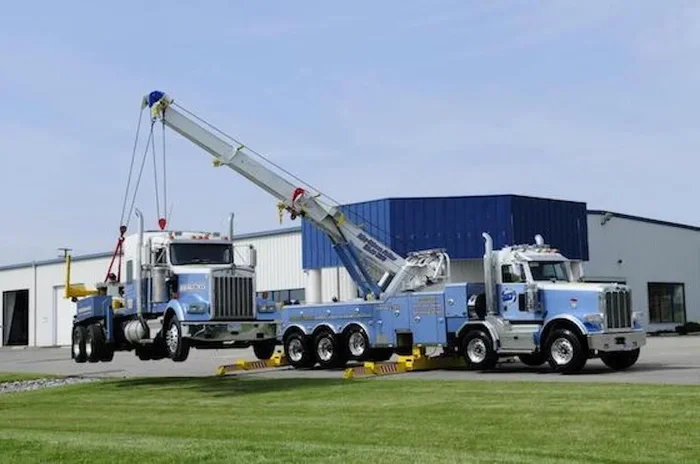
How Do I Add Towing Capacity to My Truck A Complete Guide
Learning how to add towing capacity to your truck is easier than you think. This complete guide covers engine upgrades, towing equipment, suspension improvements, and essential safety tips. You will get a clear, step-by-step roadmap to pull heavier loads with confidence and stay safe on every trip.
So you want to know how to add towing capacity to your truck. Maybe you just bought a trailer, or perhaps you need to haul heavier loads for work. Whatever the reason, the good news is that there are real, practical ways to boost your truck’s towing ability. How Do I Add Towing Capacity to My Truck? This guide walks you through every step, from understanding your current limits to making the upgrades that actually matter.
Increasing your truck’s towing capacity is not just about bolting on a bigger hitch. It involves a combination of engine upgrades, suspension improvements, and the right towing equipment. When you know what to focus on, the process becomes much simpler and a lot more affordable.
By the end of this article, you will have a clear roadmap. You will know exactly what upgrades to prioritize, what mistakes to avoid, and how to tow safely with your newly enhanced rig. Let us dive in.
Key Takeaways
- Know your numbers first: Always check your truck’s GVWR and GCWR before making any upgrades to understand your true limits.
- Start with the engine: Cold air intakes, exhaust upgrades, and performance tunes are affordable ways to boost horsepower and torque for towing.
- Invest in the right hitch: A Class III or Class IV hitch paired with a weight distribution system makes a huge difference in stability and control.
- Upgrade your suspension: Heavy-duty leaf springs and helper springs prevent sagging and improve handling under heavy towing loads.
- Safety is non-negotiable: Towing brakes, proper lighting, and essential accessories like backup cameras keep you and others safe on the road.
- Avoid common mistakes: Do not ignore payload capacity, skip maintenance, or tow beyond your truck’s limits without proper equipment.
📑 Table of Contents
Understanding Your Truck’s Current Towing Capacity
Before you make any upgrades, you need to know where your truck stands today. Every vehicle has a maximum towing capacity set by the manufacturer. This number is based on years of testing and engineering. Exceeding it can damage your truck or create dangerous driving conditions. Knowing your truck towing limits is the foundation of every upgrade you will make.
How Towing Capacity Is Measured
Towing capacity is measured in pounds. It represents the maximum weight your truck can safely pull behind it. Two key numbers drive this calculation. The first is Gross Vehicle Weight Rating, or GVWR. This is the maximum weight your truck can weigh when fully loaded, including passengers, cargo, and fuel.
The second number is Gross Combined Weight Rating, or GCWR. This includes the weight of your truck plus the weight of the trailer and everything inside it. Together, these ratings tell you exactly how much towing weight your truck can handle.
You can find these numbers on a sticker inside the driver’s door frame. The owner’s manual also lists them clearly. Write them down before you start planning any upgrades. This simple step saves you from buying parts that will not help or, worse, pushing your truck beyond safe limits.
Where to Find Your Truck’s Limits
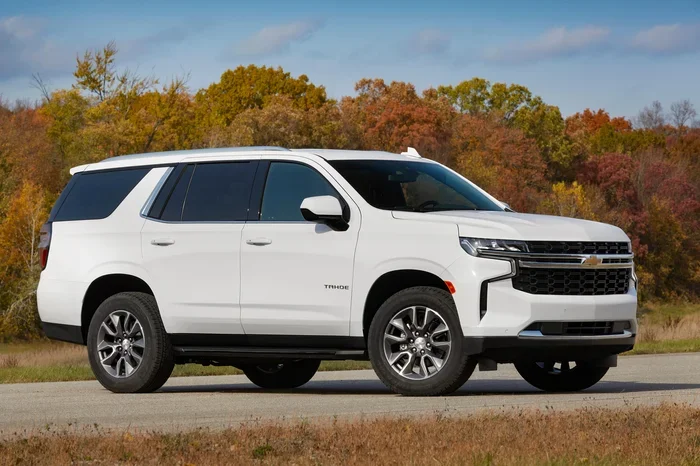
Every truck model has different limits. A half-ton pickup like the Ford F-150 will have a lower towing capacity than a heavy-duty one-ton truck like the Ford F-350. The engine size, axle ratio, and cab configuration all play a role in determining your truck towing limits.
Here are the main factors that determine your truck’s current limits:
- Engine size and horsepower – A bigger engine produces more power for pulling heavier loads.
- Transmission type – Heavy-duty transmissions handle more stress and last longer under load.
- Axle ratio – A higher ratio gives you more pulling torque at the wheels.
- Frame strength – A stronger frame supports heavier loads without flexing or bending.
- Cooling system – Better cooling prevents overheating when you are towing for long distances.
Understanding these factors helps you decide which upgrades will give you the biggest gains. It also keeps you from wasting money on parts that will not move the needle. Focus on the areas where your truck is weakest, and you will see real results in your towing capacity.
Upgrading Your Truck to Add Towing Capacity
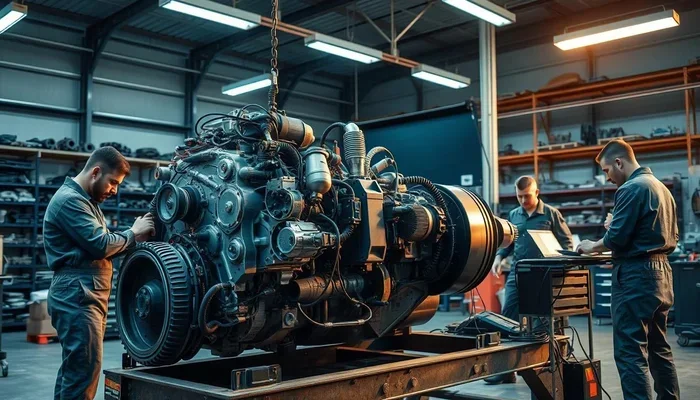
The engine is the heart of your truck’s towing ability. If you want to increase towing capacity, improving the engine and drivetrain is often the first place to start. These upgrades give your truck the raw power it needs to pull heavier loads safely and efficiently.
Engine Performance Upgrades
A truck engine upgrade can make a dramatic difference in towing performance. Here are the most effective options you should consider:
- Cold air intake – This lets your engine breathe in more air, which improves combustion and adds horsepower. It is one of the simplest and most affordable upgrades you can make. Most cold air intakes cost between $150 and $350 and can be installed in under an hour.
- Exhaust system upgrade – A high-flow exhaust system helps your engine breathe out more efficiently. This reduces backpressure and can add both horsepower and torque. A cat-back exhaust system is a popular choice for truck owners looking for noticeable gains.
- Performance tuning or chip upgrade – A performance tune adjusts your truck’s computer settings to optimize power output. Many tunes specifically target towing performance and can add 20 to 50 horsepower depending on your truck model.
- Turbo or supercharger upgrade – For serious towing gains, forced induction is hard to beat. A turbo or supercharger forces more air into the engine, dramatically increasing power. This is a bigger investment but delivers the most dramatic results.
Each of these upgrades targets a different part of the engine’s performance. Cold air intakes and exhaust upgrades are great starting points because they are affordable and easy to install. Performance tunes offer excellent value because they unlock power that is already in your engine but hidden by factory settings. Together, these upgrades can increase your horsepower by 50 to 100 or more, depending on the combination you choose.
Transmission and Drivetrain Enhancements
Your truck transmission works hard when you are towing. It handles the extra load and keeps your truck in the right gear. Upgrading the transmission can help your truck handle more towing capacity without overheating or wearing out prematurely. The drivetrain is the system that transfers power from the engine to the wheels, and it needs to be strong enough to handle the extra weight.
Consider these drivetrain improvements for better towing performance:
- Upgraded transmission fluid – High-quality synthetic fluid handles heat better and lasts longer under heavy load. This is a simple and inexpensive change that protects your transmission.
- Transmission cooler – A dedicated transmission cooler keeps fluid temperatures down during long hauls. This is especially important for heavy-duty truck towing where sustained loads generate significant heat.
- Upgraded driveshaft – A stronger driveshaft can handle more torque without flexing or failing. This is particularly important if you have made engine performance upgrades.
- Limited-slip differential – This helps both rear wheels grip the road evenly, which improves stability and control when towing heavy loads.
These upgrades work together to make your truck’s drivetrain more robust. When the engine makes more power and the drivetrain can handle it, you see real gains in what your truck can tow. Always have a qualified mechanic install drivetrain upgrades to ensure everything is balanced and working correctly.
Installing the Right Towing Equipment
Having a powerful engine means nothing if you do not have the right equipment connecting your truck to the trailer. The right towing equipment ensures safety, stability, and compliance with weight limits. A proper hitch installation is the single most important step in adding towing capability to your truck.
Choosing the Best Towing Hitch
The towing hitch is the most important piece of gear you will install. It is the physical connection between your truck and the trailer. Choosing the right one depends on how much weight you plan to tow and what type of trailer you will be pulling.
Here are the main hitch types and what they are best suited for:
- Class I hitch – Best for light loads up to 2,000 pounds. Good for small trailers or bike racks.
- Class II hitch – Handles up to 3,500 pounds. Works well for mid-size boat trailers.
- Class III hitch – The most popular choice for truck owners. Can handle up to 8,000 pounds. Great for travel trailers and larger loads.
- Class IV hitch – Built for heavy-duty towing. Handles up to 10,000 pounds or more. Ideal for large horse trailers and equipment haulers.
- Fifth-wheel hitch – The strongest option available. Used for large RVs and can handle 20,000 pounds or more.
For most people looking to add towing capacity, a Class III or Class IV hitch is the sweet spot. Make sure the hitch is compatible with your truck’s hitch receiver size. Most trucks use a two-inch receiver, but some half-ton trucks come with a one-and-a-quarter-inch receiver from the factory. Always check compatibility before purchasing.
Weight Distribution Systems
A weight distribution hitch is a game-changer for heavy towing. It spreads the trailer’s weight evenly across all four wheels of your truck. This improves stability and keeps your truck level when loaded down. Without one, the back of your truck can sag significantly under heavy load, which reduces braking effectiveness and makes the front end feel light and unresponsive.
Look for a system that includes sway control. Trailer sway is one of the biggest dangers of heavy-duty towing. Wind, passing trucks, and uneven road surfaces can all cause a trailer to sway uncontrollably. A good weight distribution system with built-in sway control helps keep everything stable and safe. Many modern systems also include easy-to-use tension controls that make setup quick and straightforward.
Enhancing Your Truck’s Suspension and Frame
Your truck’s suspension system does more than just provide a smooth ride. It also supports the weight of your cargo and trailer. Upgrading the suspension is one of the most effective ways to increase towing capacity and improve overall towing safety on the road.
Upgrading Suspension Components
When you tow heavy loads, your truck’s stock suspension can reach its limits quickly. Upgrading key components makes a noticeable difference in how your truck handles under load. Here are the most impactful suspension upgrades for truck owners:
- Heavy-duty leaf springs – These replace your factory springs and provide greater load-carrying capacity. They are one of the most cost-effective suspension upgrades available. Leaf spring upgrades typically cost between $200 and $600 per set.
- Helper springs or spring helpers – These add extra support when you are towing. They prevent the rear of your truck from sagging under heavy loads. Helper springs are easy to install and can be added to your existing suspension setup.
- Heavy-duty shock absorbers – Upgraded shocks absorb bumps and vibrations better, keeping your trailer stable on rough roads. Gas-charged shocks are a popular choice for towing applications.
- Sway bars – Larger sway bars reduce body roll and improve handling when your truck is loaded down. They help keep your trailer tracking straight and stable.
Many truck owners start with helper springs because they are easy to install and offer immediate improvement. If you tow frequently or carry very heavy loads, a full leaf spring upgrade is the better long-term solution. Your truck’s suspension works as a system, so upgrading multiple components together gives the best results.
Reinforcing the Truck Frame
The truck frame is the backbone of your entire rig. It supports the engine, the cab, the cargo bed, and the trailer hitch. A stronger frame means your truck can handle more towing weight safely. Frame reinforcement is typically done with steel plates or cross-members that add rigidity to the existing structure.
This is a more advanced upgrade and is usually done by professionals. It is most common for trucks that are used for serious heavy-duty towing, such as hauling large equipment or horse trailers. Before you invest in frame reinforcement, have a professional inspect your truck’s current frame. They can tell you if there are any weak points or existing damage that need to be addressed first. A frame that is already compromised will not benefit from reinforcement until the existing issues are repaired.
Safety Upgrades for Heavy Towing
Adding towing capacity is great, but safety should always come first. The more weight you pull, the more important your safety systems become. These upgrades protect you, your passengers, and everyone else sharing the road with you. Towing safety is not optional; it is essential.
Towing Brakes and Lighting
When you tow a heavy trailer, your truck’s brakes alone are not enough to stop safely. Towing brakes on the trailer itself are essential for heavier loads. These brakes are controlled by a brake controller installed in your truck’s cab. A good brake controller lets you adjust the braking force applied to the trailer, ensuring that both your truck and the trailer slow down at the same rate.
Without trailer brakes, your truck does all the stopping work, which can lead to dangerous situations like jackknifing or extended stopping distances. Most states require trailer brakes for loads over a certain weight, so check your local regulations before towing.
Proper lighting is also critical for towing safety. Make sure your trailer has working brake lights, turn signals, and running lights. A wiring harness connects your truck’s lighting system to the trailer. This is a simple and inexpensive upgrade that greatly improves safety and keeps you legal on the road. Always test your trailer lights before every trip.
Essential Towing Accessories
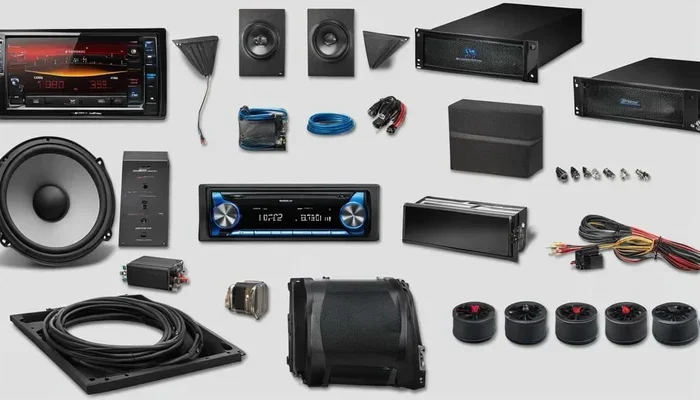
A few extra accessories can make your towing experience much safer and more convenient. These are small investments that pay big dividends in confidence and control:
- Backup camera – Towing a trailer makes backing up much harder. A backup camera helps you see what is behind you and avoid obstacles, poles, and other vehicles.
- Tire pressure monitoring system – Trailer tires can lose pressure without you noticing. A TPMS alerts you in real time so you can fix problems before they become dangerous or cause blowouts.
- Mirror extensions – If your trailer is wider than your truck, you need extended mirrors to see both sides of the road clearly. Poor visibility is a leading cause of towing accidents.
- Load securing straps and chains – Properly securing your cargo prevents it from shifting during transit. This protects your load and other drivers on the road.
These accessories are not expensive, but they make a huge difference. They give you confidence and control, especially on long trips or in challenging driving conditions like high winds or mountain passes. Never skip these basics, no matter how experienced a tower you think you are.
Common Mistakes to Avoid When Increasing Towing Capacity
Many truck owners make avoidable mistakes when trying to boost their truck towing capability. Learning from these errors can save you money, time, and potentially dangerous situations on the road. Awareness is the first step toward making smarter decisions.
One of the biggest mistakes is ignoring the truck’s payload capacity. Towing capacity and payload capacity are related but different. Payload capacity is the weight your truck can carry in the cab and bed, including passengers and cargo. If you exceed payload capacity, you can damage your suspension, tires, and frame regardless of how good your towing setup is. Always check both numbers before loading up your truck.
Another common error is skipping the weight distribution hitch. Some drivers think a standard hitch is enough for any load. But when you are towing near your truck’s maximum limits, a weight distribution system is essential for maintaining control and stability. The extra cost is small compared to the safety benefit it provides.
Many people also underestimate the importance of regular maintenance when towing more weight. Your brakes, tires, and fluids all wear faster under heavy loads. Stick to a strict maintenance schedule and inspect your equipment before every trip. Towing puts extra stress on every component of your truck, so proactive maintenance is not optional.
Finally, do not forget to check your insurance coverage. Some policies do not cover damages caused by towing beyond your truck’s stock capacity. Contact your insurance provider before making major towing upgrades to ensure you are fully protected. A few minutes on the phone now can save you from a costly surprise later.
Conclusion
How Do I Add Towing Capacity to My Truck? The answer is a combination of understanding your current limits, making smart upgrades, and prioritizing safety at every step. From engine enhancements to suspension improvements, the right hitch to safety accessories, every piece plays a role in boosting your truck’s towing ability.
Start by knowing your truck’s numbers. Then focus on the upgrades that give you the most benefit for your budget. Remember that towing safety should always come first. No upgrade is worth risking your life or the lives of others on the road. Take it step by step, do your research, and invest in quality equipment.
With the right approach and the right equipment, you can confidently tow heavier loads and get more out of your truck. The road ahead is wide open, and your truck is ready to pull you through it. Start your upgrade journey today and enjoy the freedom of heavy-duty towing with complete confidence.
Frequently Asked Questions
What is the easiest way to add towing capacity to my truck?
The easiest way is to install a weight distribution hitch and upgrade your towing hitch receiver. These two changes improve stability and allow your truck to handle more weight safely. For bigger gains, consider a cold air intake and performance tune, which are simple bolt-on upgrades that boost engine power.
Can I add towing capacity to any truck?
Most trucks can have their towing capacity increased to some degree, but the amount varies. Trucks with stronger frames and more powerful engines have more room for upgrades. Always check your truck’s GVWR and GCWR to understand what is physically possible for your specific model.
How much does it cost to upgrade towing capacity?
The cost depends on which upgrades you choose. A cold air intake and exhaust system might cost $500 to $1,000 combined. A quality towing hitch and weight distribution system can run $800 to $1,500. More advanced upgrades like transmission coolers and suspension components can add another $1,000 or more. Plan your budget based on your towing needs and priorities.
Is it safe to tow at maximum capacity?
Towing at maximum capacity is safe only when your truck is properly equipped and maintained. You need the right hitch, working brakes, proper suspension, and regular inspections. Never tow at maximum capacity without verifying that every system in your truck is up to the task. Safety should always be your top priority.
Do I need a special license to tow heavier loads?
In most states, a standard driver’s license is sufficient for towing loads under 26,000 pounds GCWR. However, regulations vary by location and load size. Check your state’s Department of Motor Vehicles website or contact your local DMV to confirm the licensing requirements for your specific towing setup.
How often should I maintain my truck when towing frequently?
If you tow regularly, you should increase your maintenance frequency. Check your transmission fluid, brake pads, tire pressure, and hitch connections before every trip. Perform oil changes and inspections at shorter intervals than the manufacturer recommends. Frequent towing puts extra stress on your truck, so staying ahead of maintenance keeps everything running safely and smoothly.