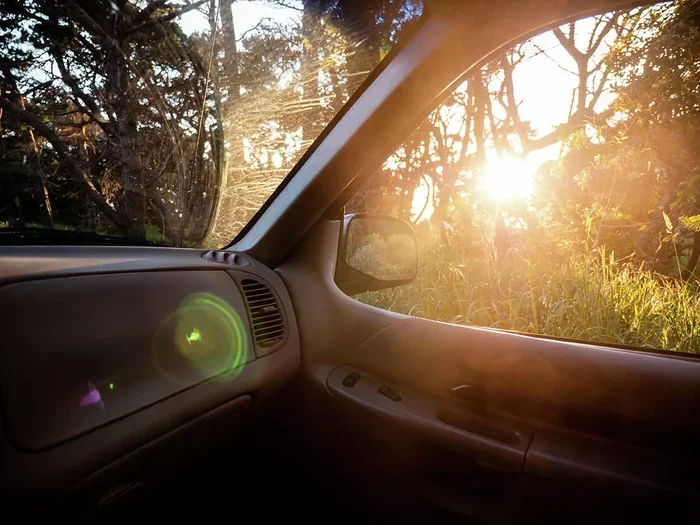
Can You Get Sunburned Through a Car Window While Driving
Yes, you can absolutely get sunburned through a car window while driving. Standard car windows block UVB rays but allow harmful UVA rays to pass through, which means your skin is still at risk during long drives. Sunburn through car window exposure is a real concern, especially for drivers who spend hours on the road without protection.
This is a comprehensive guide about Can You Get Sunburned Through a Car Window?.
Key Takeaways
- UVA rays penetrate car windows: Your windshield blocks most UVB rays, but side and rear windows let UVA rays through, which cause sunburn and long-term skin damage.
- Drivers are at higher risk on the left side: Studies show that frequent drivers develop more skin damage and sunburn on their left arm and face due to prolonged window exposure.
- Window tinting helps block UV rays: Quality car window tint can block up to 99% of UVA and UVB rays, significantly reducing your risk of sunburn while driving.
- Sunscreen is essential even while driving: Applying SPF 30 or higher before driving is one of the simplest and most effective ways to prevent sunburn through car windows.
- Glass type matters: Laminated windshield glass offers better UV protection than tempered side and rear window glass, so your exposure varies by window type.
- Long drives increase your risk: The longer you drive without protection, the greater your chance of getting sunburned through a car window, especially during peak sun hours.
[FEATURED_IMAGE_PLACEHOLDER]
You might think sitting inside your car keeps you safe from the sun. But the truth is, you can get sunburned through a car window while driving, and many people don’t realize it until the damage is already done. Whether you are on a long road trip or just commuting to work, your skin is absorbing harmful rays every single day you sit behind the wheel.
The sun gives off two types of ultraviolet rays that affect your skin: UVB and UVA. UVB rays are the ones that cause sunburn, and most car windshields block them pretty well. But UVA rays are a different story. They penetrate deeper into your skin, cause premature aging, and yes, they pass right through your car windows. This means sunburn through car window exposure is not just a possibility, it is a real and common risk for anyone who drives regularly.
In this article, we will break down exactly how sunburn happens through car glass, which windows let the most rays through, and what you can do to protect yourself. Whether you are a daily commuter or a weekend road tripper, this information will help you keep your skin safe.
How Sunburn Happens Through Car Windows
Understanding how UV rays affect your skin inside a car is the first step toward protecting yourself. Not all car windows are created equal, and the type of glass used in each window plays a big role in how much UV radiation gets through.
The Science Behind UV Rays and Glass
Sunlight contains a mix of visible light, heat, and ultraviolet radiation. UV radiation comes in two main forms that matter for your skin. UVB rays have shorter wavelengths and are mostly responsible for sunburn. UVA rays have longer wavelengths and penetrate deeper into the skin, causing aging and long-term damage.
Here is the key part. The glass used in your windshield is laminated, meaning it has a layer of plastic sandwiched between two layers of glass. This structure blocks up to 96% of UVB rays. But your side windows and rear windows are made of tempered glass, which does not have that plastic layer. As a result, they allow a significant amount of UVA rays to pass right through.
So when you are driving with your arm resting on the open window or sitting with the side window down, your skin is directly exposed to rays that can cause damage over time. Can you get sunburned through a car window while just sitting there? Absolutely. The process is slow and often invisible, which makes it even more dangerous because you do not feel the damage happening in real time.
Why UVA Rays Are the Hidden Danger
UVA rays are sometimes called the “aging rays” because they break down collagen and elastin in your skin. But they also contribute to sunburn, especially during extended exposure. Unlike UVB rays, UVA rays do not stop at glass. They pass through car windows, office windows, and even some home windows.
This means your daily commute, your school drop-offs, and your weekend drives all add up. Over weeks, months, and years, this cumulative exposure can lead to sunburn while driving, premature wrinkles, dark spots, and even increase your risk of skin cancer. The damage is silent but real.
Which Car Windows Let the Most UV Rays Through
Not every window in your car offers the same level of protection. Knowing which windows are the weakest links helps you take targeted action to reduce your exposure.
Windshield vs. Side Windows vs. Rear Windows
Your windshield is the best defender against UV radiation. Its laminated construction blocks the vast majority of both UVA and UVB rays. This is why most people do not get sunburned on their face while driving with the windshield up.
Side windows, on the other hand, are made of tempered glass. They block some UVB rays but let a large portion of UVA rays pass through. Some studies have found that side windows block as little as 44% of UVA radiation. That means more than half of the harmful rays reach your skin on the driver or passenger side.
Rear windows behave similarly to side windows. If you have children sitting in the back seat with the window down, their skin is also at risk. This is especially concerning for kids, whose skin is more sensitive and vulnerable to UV damage.
The Role of Window Tinting in UV Protection
Car window tint is one of the best investments you can make for UV protection. Quality tint films are designed to block up to 99% of both UVA and UVB rays. They are applied directly to the glass and add a layer of defense that your factory windows simply do not have.
If you drive a lot or live in a sunny climate, tinting your side and rear windows can dramatically reduce your risk of sunburn through car window exposure. Just make sure you choose a tint that is legal in your area and installed by a professional. Some tints also help keep your car cooler, which is a nice bonus during hot summer drives.
For those who already have window treatments or films, it is worth checking whether they offer UV protection. Not all window films are created equal. Some are purely cosmetic and do very little to block UV rays. Look for films that are specifically rated for UV protection.
Who Is Most at Risk for Sunburn While Driving
Some people are more vulnerable to sunburn through car windows than others. Understanding your personal risk factors helps you take the right precautions.
Daily Commuters and Long-Haul Drivers
If you drive for a living or spend more than an hour behind the wheel every day, your risk is significantly higher. Professional truck drivers, rideshare drivers, delivery drivers, and daily commuters all fall into this category. Over time, the cumulative UV exposure through the driver-side window adds up fast.
Research has shown that drivers who spend long hours on the road develop more sun damage on the left side of their face and left arm. This is because the driver sits on the left side in countries that drive on the right, making the left side of the body more exposed to the window.
People with Fair or Sensitive Skin
If you have fair skin, light eyes, or a history of sunburn, you are naturally more susceptible to UV damage. Your skin has less melanin, which is your body’s natural defense against the sun. This means you can burn through a car window faster than someone with darker skin.
But here is the thing. Even if you have darker skin, you are not completely immune. UVA rays can still cause damage, including hyperpigmentation and premature aging, regardless of your skin tone. Everyone benefits from sun protection while driving.
Children and the Elderly
Children have thinner, more sensitive skin that is especially vulnerable to UV damage. If your kids sit in the back seat with the window down on a sunny day, their arms and legs are getting direct sun exposure. The same goes for elderly individuals, whose skin has already experienced years of sun damage and is even more fragile.
How to Protect Your Skin from Sunburn While Driving
The good news is that protecting yourself from sunburn through car window exposure is simple and affordable. You do not need to stop driving or keep your windows rolled up all the time. A few smart habits make a huge difference.
Apply Sunscreen Before Every Drive
This is the single most effective step you can take. Apply a broad-spectrum sunscreen with at least SPF 30 before you get behind the wheel. Make sure you cover your face, neck, arms, and the back of your hands. Reapply every two hours if you are on a long drive.
Many people skip sunscreen for short trips, but even a 15-minute drive with the window down can expose your skin to enough UVA rays to cause cumulative damage over time. Make it a habit, just like buckling your seatbelt.
Wear Sun-Protective Clothing
Long-sleeved shirts, UV-protective driving gloves, and wide-brimmed hats all help block rays from reaching your skin. Some clothing brands make lightweight, breathable fabrics specifically designed for sun protection. These are perfect for summer driving when you do not want to overheat.
UV-protective driving gloves are a great option for keeping your hands safe. They are especially useful for motorcycle riders and convertible drivers, but anyone can benefit from them during long drives.
Keep Your Windows Up and Use Sun Shades
Keeping your windows rolled up while driving is one of the easiest ways to reduce UV exposure. If you need fresh air, try cracking the window just an inch or two instead of rolling it all the way down.
Sun shades for your side windows can also help. They are especially useful for passengers, particularly children, who sit in the back seat. These shades block direct sunlight and reduce the amount of UV rays that enter the cabin.
Consider Upgrading Your Car Window Tint
If you have not already tinted your windows, now is a great time to consider it. A high-quality car window tint with UV protection can block up to 99% of harmful rays. It also reduces glare, keeps your car cooler, and protects your interior from sun damage like fading and cracking.
Before getting your windows tinted, check your local laws. Many states and countries have regulations on how dark a tint can be and which windows it can be applied to. Choose a reputable installer who uses quality films that meet safety standards.
Use Your Car’s Sun Visor
Your sun visor is more than just a nap aid. Pull it down to block direct sunlight from hitting your face and neck while driving. Some visors extend or swivel to cover the side window as well, giving you extra protection during sunrise and sunset drives when the sun is low and glaring.
Common Myths About Sunburn and Car Windows
There are a lot of misconceptions out there about sun exposure inside a car. Let us clear up some of the most common ones.
Myth: “My Car Blocks All Sun Rays”
This is one of the biggest myths. Your car does not block all sun rays. As we discussed, your windshield blocks most UVB rays but your side and rear windows let UVA rays pass through freely. You are still getting sun exposure every time you drive, even if you do not feel it.
Myth: “You Cannot Get Sunburned on a Cloudy Day”
Clouds block some UV rays but not all. On a cloudy day, you can still get sunburned through your car window, especially on long drives. UV rays penetrate cloud cover and reach your skin through the glass. Do not skip your sunscreen just because the sky is overcast.
Myth: “Only the Driver Gets Sunburned”
While the driver is at the highest risk because of the left-side window exposure, passengers are also vulnerable. Front passengers get sun exposure through their side window, and back seat passengers can burn through rear windows too. Everyone in the car benefits from sun protection.
Health Risks of Prolonged UV Exposure Through Car Windows
Beyond the immediate discomfort of a sunburn, repeated UV exposure through car windows carries serious long-term health risks. Understanding these risks can motivate you to take protection more seriously.
Skin Cancer Risk
Studies have linked chronic UVA exposure through car windows to an increased risk of skin cancer, particularly on the left side of the face and left arm for drivers in right-hand traffic countries. Melanoma and other forms of skin cancer can develop years after the damage occurs, making prevention essential.
Premature Skin Aging
UVA rays break down collagen and elastin fibers in your skin. Over time, this leads to wrinkles, fine lines, and leathery texture, especially on the side of the face that faces the window. Many people notice more aging on one side of their face than the other, and sun exposure while driving is a major contributor.
Eye Damage
UV rays can also damage your eyes over time, contributing to cataracts and macular degeneration. Wearing sunglasses with UV protection while driving protects not only your skin but also your vision.
Conclusion
The answer to the question can you get sunburned through a car window while driving is a clear and definitive yes. Your car provides some protection, but it is far from complete. UVA rays pass through your side and rear windows, exposing your skin to damage every time you get behind the wheel.
The good news is that protection is simple and effective. Apply sunscreen before every drive, wear sun-protective clothing, keep your windows up when possible, and consider investing in quality car window tint with UV protection. These small habits add up to big benefits for your skin health over time.
Do not wait until you notice the damage. Start protecting yourself today, and make sun safety a normal part of your driving routine. Your future skin will thank you.
FAQs
Can you get sunburned through a car window on a cloudy day?
Yes, you can. Clouds block some UV rays but not all. UVA rays pass through clouds and car glass, so you are still at risk of sunburn even on overcast days, especially during long drives.
Does car window tint block UV rays completely?
High-quality car window tint can block up to 99% of UVA and UVB rays. However, the level of protection depends on the type and quality of the tint. Always choose a tint that is specifically rated for UV protection and check its specifications before installation.
Why does only the left arm get sunburned while driving?
In countries where people drive on the right side of the road, the driver sits on the left side. The left arm and left side of the face are closest to the side window, which lets UVA rays pass through. Over time, this one-sided exposure leads to more sun damage on the left side of the body.
Are factory car windows enough to protect against sunburn?
Factory car windows provide some protection, especially the laminated windshield, but they do not block all UV rays. Side and rear windows made of tempered glass allow a significant amount of UVA radiation through, which can cause sunburn and long-term skin damage.
What SPF sunscreen should you use while driving?
Use a broad-spectrum sunscreen with at least SPF 30. Apply it to your face, neck, arms, and the back of your hands before driving. Reapply every two hours on long trips, or more often if you are sweating or have the window down.
Can children get sunburned through car windows?
Yes, children can get sunburned through car windows just like adults. Their skin is thinner and more sensitive, making them even more vulnerable to UV damage. Use sun shades on rear windows and apply sunscreen to children before every drive, especially on long trips.
Frequently Asked Questions
What is Can You Get Sunburned Through a Car Window??
Can You Get Sunburned Through a Car Window? is an important topic with many practical applications.