Are Overlock and Serger the Same Thing Fully Explained
Many people use the terms overlock and serger interchangeably, but they are not exactly the same. A serger is a specific type of machine that trims and finishes edges in one pass, while overlock refers to the stitching technique itself. Understanding this distinction helps you choose the right tool for your sewing projects and achieve professional-quality seams every time.
Have you ever stood in front of a sewing machine display and wondered whether an overlock and a serger are the same thing? You are not alone. Many beginners and even experienced hobbyists use these terms as if they mean the same device. But here is the truth — they do not.
Understanding the difference between an overlock machine and a serger can save you money, time, and frustration. Whether you are finishing edges on a new garment or working on a complex sewing project, knowing which machine does what makes all the difference. In this guide, we break everything down in simple terms so you can make the best choice for your needs.
Think of it this way. Overlock is the name of a stitch — a specific way of wrapping thread around the raw edge of fabric to stop it from unraveling. A serger, on the other hand, is a machine that creates that stitch and does much more. The confusion is completely understandable, and this article will clear it all up.
Key Takeaways
- Overlock is a stitch type: It refers to the method of wrapping thread around the edge of fabric to prevent fraying.
- A serger is a machine: It is a dedicated sewing device that trims fabric and creates overlock stitches simultaneously.
- Not all sergers are the same: They come in different thread configurations, from 2-thread to 8-thread models.
- Overlock machines and sewing machines serve different purposes: A regular sewing machine joins fabric, while a serger finishes edges and creates stretchy seams.
- Know your project needs: Garment construction benefits greatly from a serger, while simple repairs may only need basic overlock stitching.
- Thread tension and differential feed matter: These features on a serger affect stitch quality and fabric stretch.
📑 Table of Contents
- What Is an Overlock Stitch?
- What Is a Serger Machine?
- Are Overlock and Serger the Same Thing?
- Serger vs Overlock Machine: Key Differences
- Common Mistakes When Using Overlock and Serger Machines
- Quick Tips for Getting the Best Results
- Expert Insights: Why the Distinction Matters
- Which Machine Should You Buy?
- Conclusion
What Is an Overlock Stitch?
The overlock stitch is one of the most common techniques used in garment construction. It wraps thread around the edge of the fabric to create a clean, finished look. This prevents the raw edge from fraying, which is especially important with woven fabrics like cotton and linen.
How Does Overlock Stitching Work?
When you create an overlock stitch, the needle threads interlock with loopers that wrap around the fabric edge. The result is a neat, stretchy seam that holds fabric securely. This technique is used in both home sewing and industrial garment production.
You can achieve an overlock stitch in several ways:
- Using a dedicated overlock machine
- Using a serger machine
- Using a regular sewing machine with an overlock foot attachment
- By hand with a needle and thread
Each method produces a similar result, but the speed and professional quality vary greatly. A dedicated machine will always give you the fastest and cleanest finish. If you have ever noticed how store-bought clothes have those perfectly finished edges, that is the overlock stitch at work.
Types of Overlock Stitches
Not all overlock stitches are the same. The number of threads used changes the strength and stretch of the seam. Here are the most common types:
- 2-thread overlock: Lightweight and flexible, great for seaming knit fabrics.
- 3-thread overlock: The most popular choice for general garment finishing.
- 4-thread overlock: Stronger and more durable, ideal for heavy fabrics.
- 5-thread overlock: Combines a seam and edge finish in one pass for maximum strength.
Each type serves a different purpose, and choosing the right one depends on your fabric and project goals. A simple T-shirt might only need a 2-thread overlock, while a pair of jeans benefits from a 4-thread or 5-thread finish.
What Is a Serger Machine?
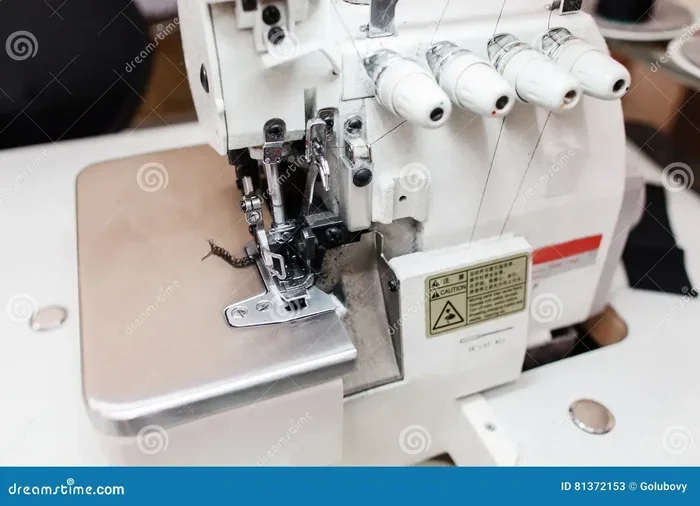
A serger is a specialized sewing machine designed to trim, fold, and finish fabric edges all at once. It is the tool most commonly associated with overlock stitching, but it does much more than just that. Think of a serger as a multitasking powerhouse for your sewing room.
How Does a Serger Differ from a Regular Sewing Machine?
A standard sewing machine creates straight or zigzag stitches to join pieces of fabric together. It is perfect for constructing garments, quilting, and decorative work. A serger, however, cuts the excess fabric away while simultaneously stitching and finishing the edge. This means you get a clean, professional seam in a single pass.
Here are the key differences:
- Speed: Sergers work much faster than regular sewing machines.
- Edge finishing: Sergers trim and finish in one step.
- Stretch: Serger stitches stretch with knit fabrics without breaking.
- Bulk: Sergers reduce seam bulk by trimming excess fabric.
If you have ever tried to sew a stretchy knit fabric on a regular machine, you know how frustrating it can be. The stitches pop and the fabric curls. A serger solves all of these problems with ease.
Parts of a Serger
Understanding the basic parts of a serger helps you use it more effectively. Here are the main components:
- Needles: Most sergers have two or three needles that create the straight stitch portion.
- Loopers: These wrap thread around the fabric edge to create the overlock finish.
- Blade: The built-in cutter trims excess fabric as you sew.
- Differential feed: This feature adjusts how much fabric feeds through, preventing puckering.
- Thread cones: Sergers use multiple spools of thread at once, usually 2 to 5 cones depending on the model.
Each part plays a vital role in creating the perfect overlock seam. When all the components work together, you get smooth, professional-looking edges every single time.
Are Overlock and Serger the Same Thing?
This is the big question, and the answer is both simple and a little nuanced. An overlock is a type of stitch. A serger is a machine that creates that stitch. So technically, they are not the same thing — but they are closely related.
Think of it like this. Overlock is the action, and the serger is the tool that performs the action. Just as you might use a drill to make a hole, you use a serger to create an overlock stitch. The terms are often used interchangeably in casual conversation, but knowing the real difference helps you communicate better with other sewers and make smarter purchasing decisions.
Some people refer to a serger as an overlock machine, and that is acceptable. However, calling an overlock stitch a “serger” is not quite accurate. The stitch is the result; the machine is the cause.
When Do You Need a Serger?
Not everyone needs a serger, but certain sewing projects benefit enormously from one. Here are situations where a serger really shines:
- Garment construction: If you sew clothing regularly, a serger speeds up your workflow dramatically.
- Knit fabrics: Sergers handle stretchy fabrics without popping seams.
- Mass production: If you make multiple items, the speed of a serger saves hours of work.
- Professional finishes: For gifts, crafts, or selling your creations, a serger gives a polished look.
On the other hand, if you mostly do simple repairs or work with woven fabrics that do not fray much, you might not need a serger at all. A basic sewing machine with an overlock foot can handle many lighter tasks just fine.
Can You Do Overlock Stitching Without a Serger?
Yes, absolutely. You have several options for achieving an overlock finish without a dedicated serger machine. Many modern sewing machines come with an overlock stitch function built in. You can also purchase an overlock foot attachment that works with your existing machine.
Hand overlock stitching is another option, though it is time-consuming. It works well for small repairs or delicate fabrics where machine stitching might cause damage. The key takeaway is that you have choices, and the right one depends on your project and budget.
Serger vs Overlock Machine: Key Differences
Even though the terms are often mixed up, there are real differences between machines that are marketed as overlock machines versus true sergers. Let us break down the main distinctions.
Thread Configuration
Sergers typically use multiple threads — usually 3, 4, or 5 threads at a time. This creates strong, flexible seams that stretch with the fabric. Overlock machines may offer fewer thread options, which limits their versatility. The thread configuration directly affects the strength and elasticity of your finished seam.
Trimming Function
A true serger trims the fabric edge as it sews. This means you get a perfectly finished seam with no excess fabric hanging around. Some overlock machines do not trim at all, requiring you to pre-trim the edges before stitching. This extra step adds time and can affect the consistency of your finished work.
Speed and Efficiency
Sergers are built for speed. They can sew at rates of over 1,300 stitches per minute, making them ideal for larger projects. Standard overlock setups on regular machines are much slower. If you are working on a big sewing project like a quilt or a set of garments, the speed difference becomes very noticeable.
Stitch Options
Most modern sergers offer multiple stitch types beyond just overlock. You can create flatlock seams, rolled hems, and decorative stitches. Overlock machines tend to focus on one or two stitch types. If you want versatility in your sewing room, a serger gives you much more flexibility.
| Feature | Serger | Overlock Machine |
|---|---|---|
| Trimming | Yes, built-in blade | Not always |
| Thread Configurations | 2 to 5 threads | Usually 2 to 3 threads |
| Speed | Very fast | Moderate |
| Stitch Variety | Multiple options | Limited options |
| Price Range | Mid to high | Budget to mid-range |
| Best For | Garment construction, professional finishes | Basic edge finishing |
As you can see from the comparison, a serger offers more features and flexibility. However, an overlock machine can still do a great job for simpler tasks. Your choice should match your sewing goals and budget.
Common Mistakes When Using Overlock and Serger Machines
Even experienced sewers make mistakes with these machines. Learning what to avoid saves you time and protects your fabric. Here are the most common errors to watch out for.
Ignoring Thread Tension
Thread tension is one of the most critical settings on any overlock or serger machine. If your tension is too tight, the fabric will pucker. If it is too loose, the stitches will unravel. Always test your settings on a scrap piece of fabric before starting your actual project. Adjusting tension takes just a minute but can save you from ruining an entire piece of work.
Skipping the Differential Feed Adjustment
The differential feed controls how much fabric moves through the machine. When working with knits or stretchy materials, adjusting this setting prevents the fabric from stretching out of shape. Many beginners forget about this feature entirely, leading to uneven seams and wasted fabric. Take a moment to learn how your machine’s differential feed works — it makes a huge difference.
Using the Wrong Needle
Not all needles are the same. Using a universal needle on delicate knits or a ballpoint needle on heavy denim will give you poor results. Match your needle type to your fabric for clean, professional overlock stitches. A quick swap before you start can elevate the quality of your finished work significantly.
Neglecting Blade Maintenance
The built-in blade on a serger gets dull over time. A dull blade pulls and snags fabric instead of cutting it cleanly. Regularly check your blade and replace it when needed. Most blade replacements are inexpensive and take only a few minutes. Keeping your blade sharp is one of the easiest ways to maintain stitch quality.
Quick Tips for Getting the Best Results
Want to improve your overlock and serger work right away? Here are some quick tips that make a real difference:
- Always pre-wash your fabric. This prevents shrinkage after you have finished your project.
- Use quality thread. Cheap thread breaks easily and leaves loose stitches that unravel quickly.
- Clean your machine after every project. Remove lint and thread bits to keep everything running smoothly.
- Experiment with stitch length. Shorter stitches are stronger; longer stitches are more flexible.
- Practice on scraps first. Never test a new setting on your actual project fabric.
- Keep your thread cones balanced. Uneven thread supply causes inconsistent stitch quality.
These simple habits will take your sewing to the next level. Whether you are a complete beginner or have been sewing for years, there is always room to refine your technique.
Expert Insights: Why the Distinction Matters
Professional sewers and garment makers know the difference between overlock stitching and using a serger. This knowledge affects everything from the quality of your finished product to the efficiency of your workflow. When you understand what each tool does best, you can plan your projects more effectively.
For example, if you are making a set of cotton napkins, a simple overlock stitch on a regular machine might be all you need. But if you are constructing a set of fitted sheets with stretchy knit edges, a serger becomes essential. The right tool for the right job is the golden rule of sewing.
Much like knowing the difference between high beams and brights helps you drive safely at night, understanding the distinction between overlock and serger helps you sew with confidence. And just as you might need to know if car seats are easy to take out when doing upholstery work, knowing your machine’s capabilities helps you tackle any sewing challenge with ease.
Similarly, when working on automotive fabric projects, understanding your equipment matters — whether you are adjusting a 4 channel transmitter and receiver for RC car electronics or selecting the right stitch for vehicle seat covers. The principle is the same: knowing your tools leads to better results.
Which Machine Should You Buy?
If you are shopping for a new machine, your decision should be based on what you plan to sew most often. Here is a simple guide to help you decide.
Buy a serger if:
- You sew garments regularly
- You work with knit or stretchy fabrics
- You want professional-quality finishes
- You sew frequently and need speed
Buy an overlock machine if:
- You only need basic edge finishing
- You are on a tighter budget
- You sew simple projects occasionally
- You already have a good sewing machine
Buy both if:
- You are serious about sewing
- You work on diverse projects
- You want maximum versatility in your sewing room
Many sewers eventually own both machines because each one fills a different role. A regular sewing machine constructs the garment, and the serger finishes it beautifully. Together, they form the ultimate sewing setup.
Conclusion
So, are overlock and serger the same thing? The short answer is no — but they work closely together. An overlock is a stitch that finishes fabric edges, while a serger is the machine that creates that stitch with speed and precision. Understanding this difference empowers you to choose the right tool, use it effectively, and produce professional-quality results every time.
Whether you are a casual sewer or a dedicated garment maker, knowing your machines inside and out is what separates a good project from a great one. Take the time to learn your equipment, practice your techniques, and enjoy the creative process. The more you understand about overlock stitching and serging, the more confident and capable you become as a sewist.
Start with what you have, experiment with new techniques, and do not be afraid to invest in the right tools as your skills grow. Every stitch you make is a step toward becoming a better, more knowledgeable sewer. Happy sewing!
Frequently Asked Questions
Can a regular sewing machine do overlock stitching?
Yes, many modern sewing machines have an overlock stitch function built in. You can also attach an overlock foot to your regular machine to achieve similar results. However, a dedicated serger or overlock machine will give you faster, more professional finishes with less effort.
Do I need a serger if I already have a sewing machine?
It depends on what you sew. If you mostly work with woven fabrics and simple projects, a sewing machine might be enough. But if you sew a lot of knit fabrics or want professional edge finishes, a serger is a worthwhile investment that will elevate your work significantly.
How many threads does a serger typically use?Most home sergers use 3, 4, or 5 threads at a time. Some models offer 2-thread configurations for lightweight fabrics. The number of threads affects the strength and stretch of the seam, so choose based on your fabric type and project needs.
Is overlock stitching the same as a rolled hem?
No, they are different techniques. An overlock stitch wraps thread around the fabric edge to prevent fraying. A rolled hem folds the fabric edge inward and stitches it in place. Some sergers can do both, but they produce different finished looks.
Can a serger replace a sewing machine entirely?
Not really. A serger excels at finishing edges and creating stretchy seams, but it cannot do the wide range of stitching that a regular sewing machine handles. For constructing garments, quilting, and decorative work, you still need a standard sewing machine alongside your serger.
What is differential feed on a serger?
Differential feed is a feature that adjusts how much fabric enters the serger from the front and back feeds. It prevents stretching and puckering, especially with knit fabrics. Adjusting the differential feed setting lets you control fabric flow for smoother, more even seams.