Car Rear View Mirror The Complete Guide For Drivers
The car rear view mirror is one of the most important safety tools inside your vehicle. It gives you a clear view of what is happening behind you on the road. In this guide, you will learn about mirror types, proper adjustment, common problems, and the best accessories to boost visibility and driving safety.
Every driver knows the feeling of merging onto a busy highway and needing to check what is behind you. That quick glance at your car rear view mirror is one of the simplest yet most critical actions you take behind the wheel. Without it, driving becomes guesswork, and guesswork on the road leads to danger.
Whether you drive a compact sedan or a large SUV, your rear view mirror plays a huge role in keeping you safe. It helps you monitor traffic, spot emergency vehicles, and stay aware of your surroundings. Despite its importance, many drivers never think about their mirror setup until something goes wrong.
This guide covers everything you need to know about your car rear view mirror. From understanding the different types available to learning how to adjust them correctly, we have you covered. You will also discover common problems, helpful accessories, and when it is time for a replacement. Let us dive in and make your driving experience safer and more confident.
Key Takeaways
- Know your mirror types: Manual, auto-dimming, and convex mirrors each serve a unique purpose for safer driving.
- Proper adjustment saves lives: Taking 30 seconds to set your mirror correctly can eliminate blind spots significantly.
- Accessories add value: Products like anti-glare films and rearview cameras make your mirror setup much more effective.
- Replace when damaged: A cracked or loose mirror housing compromises your view and puts you at risk.
- Maintenance matters: Regular cleaning and inspections keep your mirror working at its best in all conditions.
📑 Table of Contents
- What Is A Car Rear View Mirror And Why It Matters
- Types Of Car Rear View Mirrors
- How To Adjust Your Rear View Mirror Properly
- Common Rear View Mirror Problems And How To Fix Them
- Best Rear View Mirror Accessories For Safer Driving
- When To Replace Your Car Rear View Mirror
- Maintenance Tips To Keep Your Rear View Mirror In Top Condition
- Conclusion
What Is A Car Rear View Mirror And Why It Matters
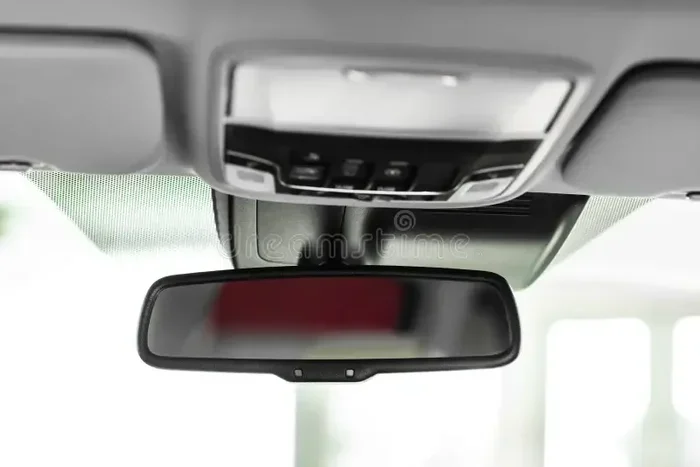
A car rear view mirror is a reflective surface mounted inside your vehicle, usually on the windshield. Its job is simple but vital: it lets you see the road behind you without turning your head. This quick check helps you make safe decisions while driving, merging, braking, and changing lanes.
Most drivers take their mirror for granted. They glance at it out of habit without thinking about how much it actually contributes to their safety. But here is the truth. A properly positioned and well-maintained mirror can be the difference between a close call and a serious accident.
The Science Behind Rear View Visibility
When you drive, your forward view is limited by the windshield and your seating position. Objects behind your car fall outside your direct line of sight. The rear view mirror solves this problem by reflecting light from behind, giving you a real-time image of trailing traffic. This is why every vehicle, from a 2 lakh ki car to a luxury SUV, comes equipped with at least one rear view mirror.
Good visibility reduces reaction time. When you can see brake lights or emergency signals early, you respond faster. This is especially important in heavy traffic, bad weather, or on high-speed highways. The car rear view mirror acts as your early warning system, and treating it with respect is one of the smartest things you can do as a driver.
How Rear View Mirrors Contribute To Driving Safety
Driving safety depends on awareness. You need to know what is happening in front of you, beside you, and behind you. The rear view mirror covers the behind-the-car zone that side mirrors cannot fully capture. Together, these three mirrors create a complete picture of your driving environment.
Studies show that drivers who properly use all their mirrors have fewer accidents. A car rear view mirror helps you:
- Spot vehicles approaching quickly from behind
- Detect emergency vehicles before they are right on you
- Monitor traffic flow before you slow down or stop
- Stay aware of vehicles in your blind spots when combined with side mirrors
- React to sudden changes in road conditions behind you
Simple habits like checking your rear view mirror every 5 to 8 seconds can dramatically improve your safety. Make it a natural part of your driving routine, and you will notice the difference immediately.
Types Of Car Rear View Mirrors
Not all car rear view mirrors are the same. Different vehicles and driving needs call for different mirror types. Understanding these options helps you choose what works best for your car and your driving style.
Manual Rear View Mirrors
The manual mirror is the most basic type found in most cars. It is a simple glass mirror mounted on a bracket that attaches to the windshield. You adjust it by hand, pushing or pulling the mirror housing to change the angle. These mirrors are affordable, reliable, and require zero maintenance.
Almost every vehicle, from a 4 seater car under 6 lakh model to a family SUV, comes with a manual rear view mirror as standard equipment. They work perfectly well for most daily driving situations. The only downside is that they do not offer any special features like auto-dimming or built-in electronics.
Auto-Dimming Rear View Mirrors
An auto-dimming mirror solves one of the biggest driving frustrations: glare from headlights behind you at night. These mirrors use electrochromic technology, which darkens the glass automatically when bright light hits the surface. The process is seamless and happens in seconds.
Auto-dimming mirrors are especially helpful for drivers who frequently travel on highways at night. They reduce eye strain and improve safety by keeping your vision clear. Many premium vehicles and higher-end trims offer these as standard or optional features. If your car does not have one, you can often add an aftermarket auto-dimming mirror fairly easily.
Convex and Wide-Angle Mirrors
A convex mirror curves outward, giving you a wider field of view than a standard flat mirror. These are sometimes called wide-angle mirrors, and they are excellent for reducing blind spots. The trade-off is that objects appear smaller and farther away than they actually are, which can trick your depth perception.
Some drivers attach small convex mirrors to their existing car rear view mirror or side mirrors for extra coverage. These are especially popular among drivers of larger vehicles or those who frequently tow trailers. They are inexpensive and can make a real difference in your awareness on the road.
Smart Mirrors With Built-In Screens
Modern cars are getting smarter, and mirrors are keeping up. Some vehicles now feature rear view mirrors with built-in 7-inch touch screen for car displays or integrated camera systems. These smart mirrors replace the traditional glass with a screen that shows a live feed from a rear-mounted camera.
This technology is especially useful when the rear window is blocked by cargo, passengers, or a spoiler. It gives you a crystal-clear view of what is behind you regardless of obstructions. As car care technology advances, we can expect these smart mirrors to become more common and affordable across all vehicle segments.
How To Adjust Your Rear View Mirror Properly
Even the best car rear view mirror will not help you if it is not positioned correctly. Proper adjustment takes only a few seconds but can dramatically improve your visibility. Yet many drivers set their mirror once and never think about it again.
Step-By-Step Mirror Adjustment Guide
Follow these steps to get the perfect view from your rear view mirror every time:
- Sit in your normal driving position. Adjust your seat, steering wheel, and mirrors before you start driving.
- Position the mirror to frame the rear window. You should see the entire back window through the mirror without moving your head.
- Check for blind spots. Lean slightly left and right to see if any area of the rear window disappears from the mirror.
- Adjust the angle for night driving. Many manual mirrors have a tilt tab. Flipping it reduces glare from headlights behind you.
- Re-check after passengers or cargo changes. A heavy load in the back seat can change your mirror sight line.
Common Mistakes People Make When Adjusting Mirrors
One of the biggest mistakes drivers make is adjusting their car rear view mirror while already on the road. Always set your mirrors before you start moving. Another common error is sitting too far from the windshield, which changes the angle and reduces your view.
Some drivers tilt the mirror too far up, focusing on the sky instead of the road behind them. Others lean too close to the glass, which limits their peripheral view. Take a moment to get it right, and you will feel the difference in your driving confidence.
The Night-Time Glare Problem And How To Fix It
Night driving glare from trailing vehicles is more than just annoying. It can temporarily blind you and reduce your reaction time. The traditional fix is the small tab on the bottom of your manual mirror. Flipping it changes the angle of the glass, bouncing the glare upward and away from your eyes.
If your vehicle does not have this tab, or if glare is still a problem, consider upgrading to an auto-dimming mirror. You can also apply 3M anti glare film for car windshield to reduce overall brightness inside your cabin. These solutions work together to keep your vision clear during nighttime drives.
Common Rear View Mirror Problems And How To Fix Them
Like any car component, your car rear view mirror can develop problems over time. Most issues are minor and easy to fix, but ignoring them can compromise your safety on the road.
Mirror Fogging And Condensation
Fogging is one of the most common mirror problems, especially during rainy or humid weather. When warm, moist air hits the cool glass surface, it creates condensation that blocks your view. This is particularly frustrating during early morning commutes or after a heavy rain shower.
To prevent fogging, you can use anti-fog sprays or wipes specifically designed for car mirrors. Some drivers keep a small cloth in their glove box for quick wipe-downs. For a longer-term solution, consider applying a hydrophobic coating to your mirror surface. Keeping your car’s interior ventilation balanced also helps reduce moisture buildup on all glass surfaces.
Loose or Wobbly Mirror Mounts
A mirror that wobbles or shifts position is more than a nuisance. It can block your view at the worst possible moment. Loose mounts usually happen from vibration over time or from accidental bumps during entry and exit.
You can fix a loose mirror mount by tightening the joint or replacing the adhesive pad that holds the base to the windshield. If the mirror housing itself is cracked, replacement is the safest option. Always ensure your car rear view mirror is securely fastened before driving.
Scratched or Damaged Mirror Glass
Scratches and chips on your mirror glass may seem minor, but they scatter light and distort your view. Over time, this distortion becomes more noticeable and can be dangerous, especially at night. Small scratches can sometimes be polished out using a 3M car rubbing compound applied gently with a soft cloth.
For deeper damage or cracks, replacement is the only safe option. Replacement mirrors are widely available and affordable. Many auto parts stores carry mirrors for popular models, and installation is usually straightforward. If you prefer professional help, most 3M car care service centers can handle mirror replacement quickly.
Mirror Not Dimming Properly
If you have an auto-dimming mirror and it stops working, the electrochromic layer may have failed. This can happen due to age, moisture damage, or electrical issues. A non-functioning auto-dimming mirror still works as a regular mirror, but you lose the glare reduction benefit.
In this case, you have two options. You can replace the entire mirror unit, or you can add an aftermarket auto-dimming mirror. Many aftermarket options plug into your existing mirror mount and offer excellent performance at a fraction of the cost of a dealer replacement.
Best Rear View Mirror Accessories For Safer Driving
Your car rear view mirror does not have to stay stock. A variety of accessories can enhance its functionality and make your driving experience safer and more convenient. Here are some of the best options worth considering.
Rearview Cameras That Replace The Mirror
Rearview cameras have become increasingly popular, and some systems replace the traditional mirror entirely. These cameras mount at the rear of your vehicle and display a live video feed on a screen built into the mirror or on a separate unit mounted on the dashboard.
This setup is incredibly helpful when your rear window is obstructed by luggage, pet carriers, or tinted cargo covers. It gives you a wide, clear view of everything behind your car, including low obstacles that a mirror might miss. Many modern 7-inch music system for car units also include camera inputs, so you can get audio and visual upgrades in one package.
Anti-Glare Films And Coatings
Glare from the sun and headlights is a constant challenge for drivers. Applying 3M anti glare film for car windshield to your windshield can reduce overall brightness and make your car rear view mirror much easier to use during harsh sunlight. These films are transparent and do not distort your view.
Anti-glare mirror covers are another option. They attach to your existing mirror and darken the surface when glare becomes a problem. These covers are inexpensive, easy to install, and work well for temporary glare management during specific driving conditions.
Mirror-Mounted Signal Indicators
Some accessories attach to your rear view mirror and provide additional turn signal indicators. These small LED lights flash when you activate your turn signals, making your intentions more visible to drivers behind you. They are especially useful for motorcycles, scooters, and smaller cars that can be hard to see in a driver’s rear view mirror.
Heated Mirror Accessories
If you live in a cold climate, you know how quickly mirrors fog up during winter. Heated mirror accessories plug into your car’s electrical system and keep the glass warm enough to prevent condensation. These are simple to install and make a huge difference during early morning drives in cold months.
Towing and Extended Mirrors
For drivers who tow trailers, caravans, or boats, a standard car rear view mirror may not provide enough coverage. Extended or towing mirrors attach to your existing mirror arms and extend outward to give you a wider view of the road behind your trailer. These are essential for safe towing and are often required by law for oversized loads.
When To Replace Your Car Rear View Mirror
Knowing when to replace your car rear view mirror is important for maintaining safe driving conditions. A damaged or malfunctioning mirror puts you and others at risk, so it is best to address problems early.
Signs Your Mirror Needs Replacement
Watch for these warning signs that your mirror needs attention:
- Cracks or chips in the mirror glass that distort your view
- A mirror housing that is broken, discolored, or loose
- Auto-dimming features that no longer work
- Persistent fogging or moisture trapped inside the mirror housing
- Faded or peeling reflective coating on the mirror surface
- Electrical issues if your mirror has built-in lights or sensors
DIY Replacement Versus Professional Installation
Many rear view mirrors can be replaced at home with basic tools. Most mirrors attach to the windshield with adhesive or a clamp system. Replacement mirrors are widely available online and at auto parts stores for a reasonable price.
If your vehicle has advanced features like built-in sensors, auto-dimming, or integrated cameras, professional installation may be the safer choice. These systems involve wiring and calibration that require expertise. For basic mirror care and cleaning, regular use of 3M car rubbing compound can keep your mirror glass in excellent condition and extend its lifespan.
Cost Considerations For Mirror Replacement
The cost of replacing a car rear view mirror varies widely depending on your vehicle and the features involved. A basic manual mirror can cost as little as 500 to 1500 rupees for the part and installation. Auto-dimming mirrors or smart mirrors with built-in screens can cost significantly more, sometimes ranging from 3000 to 10000 rupees or more.
When budgeting for replacement, consider whether your insurance covers mirror damage. Some policies include glass and mirror coverage as part of comprehensive plans. Always get a quote before committing to a replacement, and compare prices from dealerships, auto parts stores, and online retailers.
Maintenance Tips To Keep Your Rear View Mirror In Top Condition
Taking care of your car rear view mirror is simple but pays off in long-term reliability and safety. A well-maintained mirror gives you clear visibility for years without needing replacement.
Clean your mirror glass regularly using a microfiber cloth and a gentle glass cleaner. Avoid harsh chemicals that can damage the mirror coating or the housing material. For stubborn spots or grime buildup, a small amount of 3M car rubbing compound on a soft cloth works wonders without scratching the surface.
Check the mirror mount and housing during your regular car care routine. Tighten any loose screws or joints, and inspect for cracks in the plastic housing. If you live in an area with extreme temperatures, be mindful of how heat and cold can affect the adhesive that holds your mirror to the windshield.
For drivers who park outdoors, consider using a windshield sun shade when parked. This protects not only your car rear view mirror but also your entire windshield from UV damage and heat buildup. These small habits add up and keep your mirrors functioning perfectly for the long haul.
Finally, always keep your windshield clean, especially the area behind the rear view mirror. A dirty windshield directly affects what you see in the mirror. Regular washes and interior glass cleaning will ensure your car rear view mirror gives you the clearest possible view every time you get behind the wheel.
Conclusion
Your car rear view mirror is one of the simplest yet most essential safety features in your vehicle. From understanding the different types available to mastering proper adjustment and maintenance, this guide has covered everything you need to know. A well-set mirror reduces blind spots, improves reaction time, and makes every drive safer for you and your passengers.
Take a moment today to check your mirror setup. Adjust it if needed, clean the glass, and inspect the mount for any looseness. Small actions like these make a big difference on the road. And if your mirror is damaged or outdated, consider upgrading to a better option like an auto-dimming mirror or a smart mirror with a built-in 7-inch touch screen for car display.
Driving safety starts with awareness, and awareness starts with a clear view. Treat your car rear view mirror with the care it deserves, and it will serve you well for miles to come. Stay safe, stay aware, and happy driving.
Frequently Asked Questions
What Is The Purpose Of A Car Rear View Mirror?
A car rear view mirror lets you see the road behind you without turning your head. It helps you monitor trailing traffic, detect emergency vehicles, and make safe decisions while driving, merging, or changing lanes.
How Often Should You Adjust Your Rear View Mirror?
You should adjust your mirror every time you start driving, especially if someone new is driving the car or if the seating position changes. Also re-adjust after loading heavy cargo or passengers that block your rear window view.
Can You Replace A Rear View Mirror Yourself?
Yes, most basic rear view mirrors can be replaced at home using simple tools. They typically attach with adhesive or a clamp. However, if your mirror has advanced features like auto-dimming or built-in sensors, professional installation is recommended for proper calibration.
What Causes A Rear View Mirror To Fog Up?
Mirror fogging happens when warm, moist air meets the cool glass surface. This is common during humid weather, rain, or when there are many passengers in the car. Using anti-fog sprays or heated mirror accessories can prevent this problem effectively.
Are Aftermarket Smart Mirrors Worth The Investment?
Yes, aftermarket smart mirrors with built-in screens and cameras can significantly improve rear visibility, especially if your rear window is often blocked. They are particularly useful for drivers who frequently tow trailers or carry large cargo. Many options are affordable and easy to install.
How Do I Reduce Glare From My Rear View Mirror At Night?
You can reduce nighttime glare by using the tilt tab on your manual mirror, upgrading to an auto-dimming mirror, or applying 3M anti glare film for car windshield. These solutions help keep your vision clear and reduce eye strain during night driving.