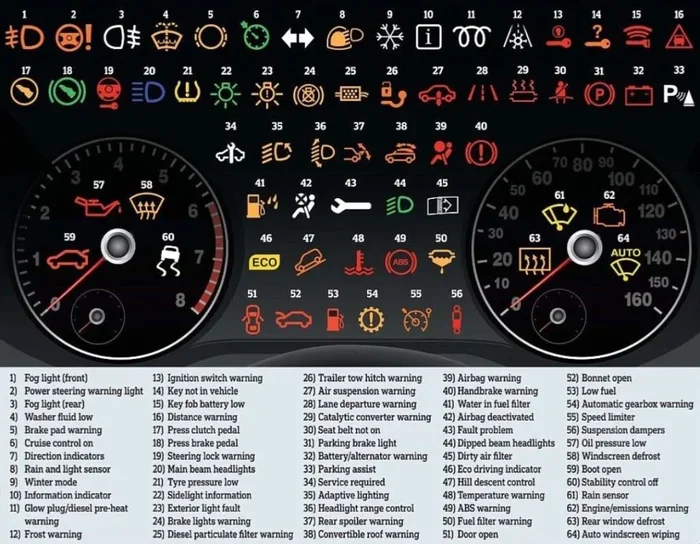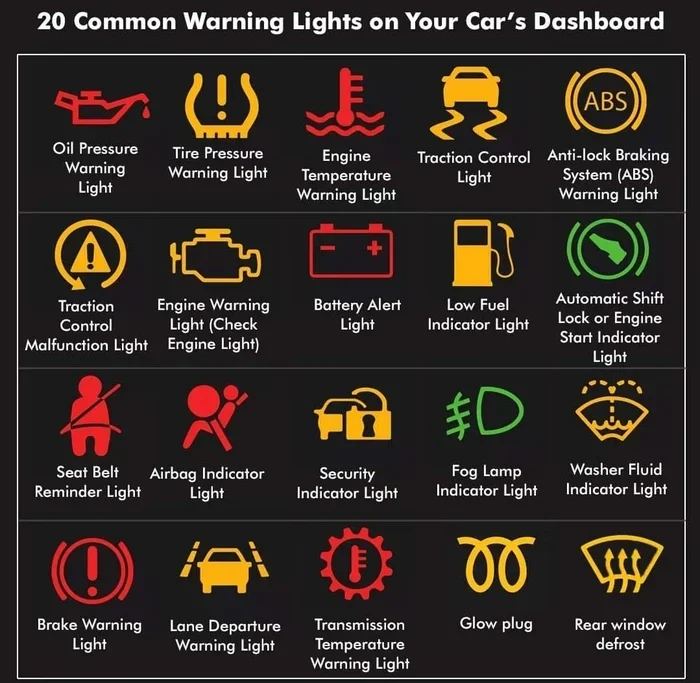
Is It Safe to Drive With Trac Off Warning Light On
The Trac Off light on your dashboard can feel alarming, but it does not always mean you are in danger. This light indicates that your traction control system has been deactivated or has detected a problem. While you can often drive short distances safely, ignoring the warning for too long may lead to reduced vehicle control, especially on wet or icy roads. Understanding what triggers the Trac Off light helps you take the right action quickly and keep your car running safely.
Key Takeaways
- Trac Off Light Meaning: The Trac Off warning means your traction control system is either turned off or has a detected fault.
- Short-Distance Driving Is Usually Safe: You can often drive a short distance to a safe location, but avoid highways or bad weather.
- Common Causes Include: Faulty wheel speed sensors, a blown traction control fuse, or a malfunctioning traction control module.
- Check Other Warning Lights: If the Trac Off light appears alongside the ABS or check engine light, the issue may be more serious.
- Simple Fixes Exist: Sometimes restarting the car or checking the traction control switch resolves the problem.
- Professional Diagnosis Helps: Use an OBD-II scanner or visit a mechanic for a proper diagnosis if the light stays on.
- Prevention Is Key: Regular maintenance of your braking and sensor systems reduces the chance of the Trac Off light coming on.
📑 Table of Contents
- What Does the Trac Off Light Mean?
- Common Causes of the Trac Off Warning Light
- Is It Safe to Drive With Trac Off Light On?
- How to Fix the Trac Off Warning Light
- How the Trac Off Light Relates to Other Dashboard Warning Lights
- Preventing the Trac Off Light From Coming On
- Frequently Asked Questions About the Trac Off Light
- Final Thoughts on Driving With the Trac Off Light On
What Does the Trac Off Light Mean?
The Trac Off light is a dashboard warning that signals something is going on with your traction control system. Most drivers see this light and immediately panic. But here is the truth: it does not always mean your car is about to break down.
Your vehicle’s traction control system helps prevent wheel slippage during acceleration. When the system detects that a wheel is spinning faster than it should, it adjusts engine power or applies brakes to that wheel. This keeps you stable on wet, icy, or uneven surfaces.
When the Trac Off light comes on, it means one of two things. Either you have manually turned the traction control off, or the system has detected a problem and shut itself down. The traction control warning light works closely with your ABS system and stability control to keep your vehicle safe.
Think of the traction control system as a helper that kicks in when road conditions get tricky. Without it, your wheels may spin freely on slippery surfaces. This can make cornering, braking, and accelerating much less predictable.
Understanding what this light means is the first step toward handling it correctly. The next sections will walk you through the most common reasons it appears and what you should do about it.
Common Causes of the Trac Off Warning Light
Several issues can trigger the Trac Off light on your dashboard. Some are minor and easy to fix. Others need professional attention. Here are the most common causes you should know about.
Faulty Wheel Speed Sensors
Wheel speed sensors monitor how fast each wheel is spinning. They send this data to your traction control module and ABS system. When a sensor fails or gets dirty, it cannot provide accurate readings. This often triggers both the Trac Off light and the ABS light.
These sensors sit near the wheel hub and are exposed to road grime, water, and debris. Over time, they wear out or get clogged. A dirty sensor is an easy fix. A broken sensor needs replacement.
Traction Control Switch Malfunction
Many vehicles have a physical switch to turn traction control on or off. If this switch gets stuck or develops a fault, the Trac Off light may stay on even when the system is supposed to be active. This is a simple electrical issue, but it can be confusing if you did not intentionally turn the system off.
Blown Traction Control Fuse
Every system in your car has a fuse. The traction control system is no different. If the fuse blows, the system loses power and the Trac Off light appears. Checking the fuse box under your hood is a quick first step when this light comes on.
Faulty Traction Control Module
The traction control module is the brain of the system. It processes data from the wheel speed sensors and decides when to intervene. When this module fails, the entire system goes offline. This is a more serious and expensive repair, but it is not common.
Low Brake Fluid or Brake System Issues
Since the traction control system uses your brakes to control wheel slippage, any brake problem can affect it. Low brake fluid, worn brake pads, or a failing brake pump can all cause the Trac Off light to illuminate. Always check your brake system when you see this warning.
Electrical Wiring Problems
Damaged wiring or corroded connectors between the sensors, module, and ABS control unit can disrupt communication. This causes error codes and triggers the warning light. Electrical issues can be tricky to diagnose without the right tools.
Aftermarket Modifications
Have you recently installed larger tires, a different suspension, or an aftermarket exhaust? These changes can alter wheel speed readings and confuse the traction control system. The system may interpret the new readings as a fault and shut itself off.
Is It Safe to Drive With Trac Off Light On?
This is the question every driver wants answered. The short answer is: it depends on the situation. Let us break it down.
If you are driving on a dry, clear road and the Trac Off light just came on, you are probably okay for a short distance. You can drive to the nearest safe spot or a mechanic. Your regular braking and steering still work because those systems operate independently of traction control.
However, driving with the Trac Off light on becomes risky in certain conditions. Here are some scenarios where you should be extra careful.
Wet or Icy Roads: Without traction control, your wheels can spin freely on slippery surfaces. This means less grip and a higher chance of sliding. If you must drive in rain or snow with the Trac Off light on, reduce your speed and increase your following distance.
Highway Driving: High speeds demand more vehicle control. If the Trac Off light is on and you hit a sudden patch of oil or water, your car may not respond the way you expect. It is safer to pull over and address the issue before continuing on the highway.
Sharp Turns and Curves: Traction control helps you maintain grip when turning. Without it, you may experience understeer or oversteer, especially at higher speeds. Slow down and take turns carefully if the light is on.
The real concern comes when the Trac Off light appears alongside other warning lights. If you see the ABS light, the check engine light, or the stability control light at the same time, the problem is likely more serious. In this case, avoid driving altogether and get your vehicle towed to a repair shop.
When You Should Pull Over Immediately
You should stop driving and seek help right away if:
- The Trac Off light appears with the check engine light
- Your ABS light is also on
- You notice a loss of braking power
- The vehicle pulls to one side while driving
- You hear unusual sounds from the brakes or wheels
- The engine light flashes instead of staying solid
These signs suggest a deeper problem that could affect your safety. Do not ignore them.
Comparison Table: Safe vs. Risky Driving Conditions With Trac Off
| Condition | Safe to Drive? | Risk Level |
|---|---|---|
| Dry road, low speed, city driving | Yes, short distance | Low |
| Wet road, moderate speed | Caution advised | Medium |
| Icy or snowy road | No, avoid driving | High |
| Highway driving | Not recommended | Medium to High |
| Sharp curves or hills | Caution advised | Medium |
| Trac Off + ABS light on | No, tow the vehicle | Very High |
| Trac Off + check engine light | No, get it checked | High |
As you can see from the table, the risk level depends heavily on road conditions and whether other warning lights are present. Always use your best judgment and prioritize safety.
How to Fix the Trac Off Warning Light
Once you understand what causes the Trac Off light, fixing it becomes much easier. Here are the steps you can take, from simple to advanced.
Step 1: Check If the System Was Turned Off Manually
Look for the traction control button in your vehicle. It is usually on the steering column or center console. The button may have a symbol that looks like a car with wavy lines behind it. Press it to turn the system back on. If the light was triggered accidentally, this simple step will turn it off.
Step 2: Restart Your Vehicle
Sometimes the system just needs a reset. Turn off your engine, wait for about 30 seconds, and restart it. If the Trac Off light was a temporary glitch, it will go away after the reboot.
Step 3: Check the Traction Control Fuse
Open your fuse box and locate the fuse for the traction control system. Refer to your owner’s manual for the exact location. If the fuse is blown, replace it with one of the same amperage. This is a quick and inexpensive fix that solves the problem in many cases.
Step 4: Inspect the Wheel Speed Sensors
Check the wheel speed sensors for dirt, debris, or damage. Clean them gently with a soft cloth. If they look damaged or corroded, they will need to be replaced. Wheel speed sensors are relatively affordable and easy to install.
Step 5: Use an OBD-II Scanner
An OBD-II scanner is one of the best tools for diagnosing the Trac Off light. Plug it into the diagnostic port under your steering column. The scanner will read the trouble codes stored in your vehicle’s computer. These codes tell you exactly what is wrong.
Common trouble codes related to the Trac Off light include:
- C0034 – Wheel Speed Sensor Range/Performance
- C0035 – Wheel Speed Sensor Circuit Malfunction
- C1200 – Traction Control System Malfunction
- C1234 – Traction Control Switch Issue
- C0040 – Rear Wheel Speed Sensor Circuit
Once you know the code, you can look up what it means and decide whether it is a DIY fix or a job for a mechanic.
Step 6: Visit a Professional Mechanic
If none of the above steps work, it is time to see a professional. A certified mechanic has the tools and expertise to diagnose complex electrical and module issues. They can also perform a full traction control reset and ensure your system is working correctly.
Quick Tips
- Always carry an OBD-II scanner in your glove box. It saves time and money at the shop.
- Keep your owner’s manual handy. It lists fuse locations and reset procedures specific to your vehicle.
- Do not ignore the Trac Off light, even if your car seems to drive fine. Small problems can become big ones.
- Check your brake fluid level regularly. Low fluid can trigger the traction control warning indirectly.
- Keep your wheel speed sensors clean during routine car washes.
Common Mistakes Drivers Make With the Trac Off Light
- Ignoring the light completely: Many drivers assume the car will be fine and never address the issue. This can lead to worsening problems over time.
- Driving in bad weather with the light on: This is one of the most dangerous mistakes. Losing traction control on wet roads significantly increases accident risk.
- Replacing parts without diagnosis: Throwing money at random parts without knowing the real cause wastes money and time.
- Resetting the light without fixing the root cause: Simply clearing the code does not fix the underlying problem. The light will come back.
- Assuming it is always a sensor issue: While sensors are a common cause, the problem could also be a blown fuse, a bad switch, or a module failure.
How the Trac Off Light Relates to Other Dashboard Warning Lights
Your dashboard is a communication system. The Trac Off light rarely appears alone. Understanding how it connects to other warning lights helps you diagnose problems faster.
Trac Off and ABS Light Together
When both the Trac Off and ABS lights come on at the same time, the issue is often with the wheel speed sensors or the ABS module. These two systems share the same sensors and wiring. A fault in one usually affects the other.
If you see both lights, avoid driving on slippery surfaces. Your vehicle will not have traction control or anti-lock braking, which means your wheels can lock up during hard braking.
Trac Off and Check Engine Light Together
The check engine light is a broad warning that covers many systems. When it appears with the Trac Off light, the cause could be anything from a sensor issue to an emissions problem. An OBD-II scanner becomes essential in this situation because it helps you identify the specific trouble codes.
Trac Off and Stability Control Light Together
The stability control system works hand in hand with traction control. When both lights are on, your vehicle has lost a significant layer of safety. This combination often points to a shared module or wiring issue that needs professional diagnosis.
Preventing the Trac Off Light From Coming On
Prevention is always better than repair. Here are simple habits that keep your traction control system healthy and your Trac Off light off.
- Perform regular brake inspections: Your traction control system relies on your brakes. Keeping them in good shape supports the entire system.
- Keep sensors clean: During car washes, ask your detailer to clean the wheel area where the speed sensors are located.
- Replace worn tires promptly: Tires with uneven tread can send incorrect speed data to the traction control module.
- Address warning lights early: The moment you see any warning light, investigate it. Early action prevents compound problems.
- Follow your vehicle’s maintenance schedule: Regular service appointments catch small issues before they become big ones.
- Avoid modifying your vehicle without professional advice: Aftermarket parts can interfere with your car’s electronic systems.
Expert Insights
According to automotive technicians, the Trac Off light is one of the most commonly ignored dashboard warnings. Many drivers do not realize that their vehicle’s safety systems are compromised until they experience a slip or skid. The best approach is simple: take every warning light seriously, even if your car feels fine. A five-minute check could save you from a much bigger problem down the road.
Experienced mechanics also recommend keeping a basic OBD-II scanner at home. These devices cost between $20 and $60 and can save you hundreds of dollars in diagnostic fees. Reading the codes yourself gives you a head start when visiting the shop and helps you understand exactly what your vehicle is trying to tell you.
Frequently Asked Questions About the Trac Off Light
Can I drive my car with the Trac Off light on?
You can drive a short distance on dry, clear roads if the Trac Off light is on and no other warning lights are present. However, avoid driving in rain, snow, or on highways until the issue is resolved. Your vehicle will still brake and steer normally, but traction control will not be available to help with wheel slippage.
What does it mean when the Trac Off light stays on constantly?
A constantly illuminated Trac Off light usually means the system has detected a fault. This could be a bad wheel speed sensor, a blown fuse, a malfunctioning switch, or a problem with the traction control module. It is important to diagnose the root cause rather than just ignoring the light.
How much does it cost to fix the Trac Off light?
The cost varies widely depending on the cause. A simple fuse replacement might cost under $10. Replacing a wheel speed sensor typically runs between $100 and $300. Fixing a traction control module or ABS unit can cost $500 or more. Using an OBD-II scanner first helps you understand the exact issue and avoid unnecessary expenses.
Will the Trac Off light reset itself?
In some cases, yes. If the issue was temporary, such as a sensor reading that was off due to dirt, the light may turn off after a few drive cycles. However, if the underlying problem persists, the light will come back. Simply resetting the light without fixing the cause is not a real solution.
Is the Trac Off light the same as the traction control light?
Yes, they refer to the same system. The Trac Off light specifically means the traction control system is either turned off manually or has detected a fault. Some vehicles may display different wording, but they all relate to the traction control system.
Can low brake fluid cause the Trac Off light to come on?
Yes, it can. The traction control system uses your brakes to control wheel slippage. Low brake fluid affects the entire braking system and can cause the Trac Off light to illuminate. If you notice the Trac Off light and your brake pedal feels spongy or low, check your brake fluid level immediately.
Final Thoughts on Driving With the Trac Off Light On
The Trac Off warning light is your vehicle’s way of telling you that something needs attention. While it is not always an emergency, it should never be ignored. Your traction control system plays a vital role in keeping you safe, especially when road conditions are less than perfect.
The safest approach is simple: take the light seriously, diagnose the cause, and fix it promptly. Whether it is a quick fuse replacement, a sensor cleaning, or a more involved repair, addressing the problem early keeps you and your passengers safe.
Remember, your car has many safety systems working together. The traction control system, ABS system, and stability control system all rely on shared components. When one warning light appears, it is often connected to others. Understanding these connections helps you make smarter decisions about when to drive and when to seek professional help.
Keep your vehicle well maintained, stay alert to dashboard warnings, and always prioritize safety over convenience. A few minutes of attention to the Trac Off light today can save you from a serious problem tomorrow.