Is It Okay to Leave Traction Control On All the Time
Yes, you can leave traction control on all the time for everyday driving. This safety feature helps prevent wheel slippage and keeps your vehicle stable on wet, icy, and uneven roads. However, there are specific situations where turning it off can improve performance, such as when you are stuck in snow or driving on loose gravel. Understanding when to keep it on and when to switch it off is key to safer and smarter driving.
Every time you turn the key and start your car, a dozen systems wake up behind the scenes. One of the most important is the traction control system. It watches your wheels constantly and steps in the moment something goes wrong. But here is the question many drivers ask: is it okay to leave traction control on all the time?
The short answer is yes. For the vast majority of driving situations, keeping traction control enabled is the safest choice. It helps you maintain grip on wet roads, prevents skidding during sudden stops, and works hand in hand with your vehicle’s stability control system. That said, there are a few exceptions where turning it off makes sense. In this article, we will walk through everything you need to know about traction control, when to keep it on, when to switch it off, and how it affects your daily driving experience.
Key Takeaways
- Leave it on for daily driving: Traction control boosts stability and safety on most road surfaces.
- Turn it off in deep snow or mud: Disabling it allows wheels to spin, which can help you gain momentum.
- It works with ABS: The traction control system uses the same sensors as the anti-lock braking system.
- It may reduce fuel economy slightly: The system constantly monitors wheel speed, which can have a minor impact.
- Turning it off incorrectly is risky: Always re-enable it once you are out of the tricky situation.
- Modern cars have smart systems: Many vehicles now adjust traction control automatically based on road conditions.
- It does not replace good tires: Even with traction control, proper tires are essential for safe driving.
📑 Table of Contents
- What Is Traction Control and How Does It Work?
- Is It Okay to Leave Traction Control On All the Time?
- When Should You Turn Traction Control Off?
- Traction Control and Different Driving Conditions
- Common Myths About Traction Control
- How Traction Control Affects Your Vehicle
- Quick Tips for Using Traction Control
- Expert Insights on Traction Control Usage
- Key Takeaways
- Conclusion
What Is Traction Control and How Does It Work?
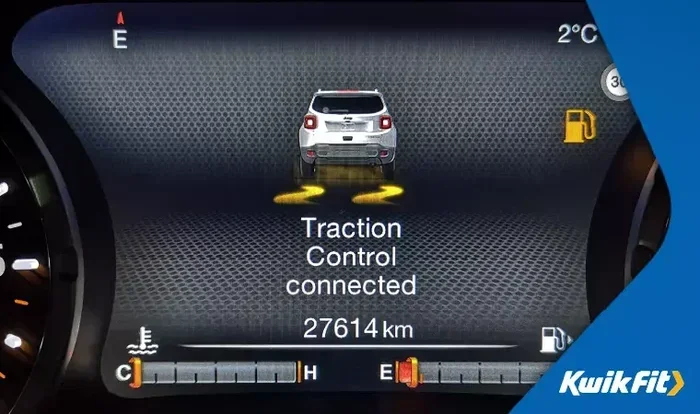
Before we dive into whether you should leave it on, let us understand what traction control actually does. Many drivers know the light on the dashboard. But few understand the technology behind it.
The Basics of Traction Control
Traction control is an electronic safety system. Its job is to prevent your wheels from spinning out when you accelerate. When one or more wheels start to lose grip, the system kicks in. It does this by reducing engine power or applying the brakes to the slipping wheel. This helps you keep the car moving in the direction you want to go.
The system relies on the same sensors used by the anti-lock braking system, or ABS. These sensors monitor the speed of each wheel in real time. If the computer detects that one wheel is spinning faster than the others, it takes action within milliseconds. The whole process happens so fast that you barely notice it.
How It Works With Stability Control
Traction control does not work alone. It is part of a larger safety network that includes electronic stability control. While traction control focuses on wheel spin during acceleration, stability control goes further. It helps you maintain control when the car starts to slide sideways. Together, these two systems form a powerful safety net on the road.
Most modern vehicles come with both systems standard. They work in the background without any input from you. This is one of the reasons driving safety has improved so much over the past two decades.
Is It Okay to Leave Traction Control On All the Time?
Now let us get to the heart of the matter. Is it okay to leave traction control on all the time? For everyday driving, the answer is a clear yes. Here is why.
Why You Should Keep It On Daily
When you are driving on public roads, the conditions can change in an instant. One moment the road is dry. The next moment, a rain shower hits. Or you hit a patch of ice around a blind corner. Traction control handles all of these surprises for you.
Leaving it on means you always have an extra layer of protection. The system constantly monitors your drive wheels and adjusts power delivery as needed. This is especially helpful for drivers who are not expecting a sudden change in road grip.
Here are the main benefits of keeping traction control enabled at all times:
- Better stability on wet roads: The system prevents wheel spin when you hit standing water or wet pavement.
- Reduced risk of skidding: If you accidentally hit the gas too hard, traction control brings things back under control.
- Smoother acceleration: The system delivers power more evenly, which makes for a smoother ride.
- Works with all drivetrains: Whether your car has front-wheel drive, rear-wheel drive, or all-wheel drive, traction control helps.
- Peace of mind: Knowing the system is watching over you makes every drive a little more relaxed.
Does It Affect Fuel Economy?
Some drivers worry that traction control might hurt their gas mileage. The truth is, the impact is minimal. The system uses a small amount of computing power and occasionally applies the brakes. But these actions use very little energy. You are unlikely to notice any real difference at the pump. If fuel economy is a top priority for you, the safety benefits of keeping traction control on far outweigh the tiny cost.
When Should You Turn Traction Control Off?
Even though traction control is great for most situations, there are times when turning it off is the right move. Knowing these situations is just as important as knowing when to leave it on.
Getting Stuck in Snow or Mud
This is the number one reason drivers turn off traction control. When your car is stuck in snow, mud, or sand, the wheels need to spin to find grip. Traction control fights this by cutting engine power the moment a wheel starts to slip. That is exactly what you do not want when you are trying to rock the car free.
Here is a quick tip. If you are stuck, turn off traction control, gently press the gas, and try to rock the vehicle back and forth. Once you are free, turn the system back on immediately.
Driving on Loose Gravel or Sand
On loose surfaces like gravel roads or beach sand, a little wheel spin is actually helpful. It lets the tires dig in and find traction. Traction control can interfere with this by constantly braking spinning wheels. In these situations, turning the system off gives you more natural control over the vehicle.
Racing or Track Driving
If you ever take your car to a track or engage in spirited driving, you might want to disable traction control. On a closed course, experienced drivers often prefer to manage wheel spin themselves. The system can interfere with aggressive cornering and acceleration. However, this only applies to controlled environments. Never turn off traction control on public roads.
Driving Downhill on Steep, Icy Roads
Some drivers turn off traction control when descending steep icy hills. The idea is to let the wheels spin slightly to maintain a controlled speed. However, this is a risky move. Most experts recommend using a lower gear and keeping traction control on instead. The system helps prevent the wheels from locking up, which is far safer.
Traction Control and Different Driving Conditions
Not all driving conditions are the same. Your approach to traction control should change based on the environment. Let us break it down by common scenarios.
Rain and Wet Roads
Wet roads are one of the biggest challenges for drivers. Water reduces the grip between your tires and the pavement. This is where traction control shines. It prevents the wheels from spinning on slick surfaces and helps you maintain a straight path when accelerating from a stop.
Always keep traction control on during rainy weather. The system works alongside your tires to maximize grip. Just make sure your tires are in good condition, because no electronic system can replace proper tread depth.
Snow and Ice
Driving on snow and ice requires extra caution. Traction control helps by preventing wheel spin on icy patches. However, it cannot create grip where none exists. Your tires are still the primary contact point between the car and the road.
For light snow, keep traction control on. For deep snow or ice where you might get stuck, consider turning it off temporarily. Just remember to turn it back on when road conditions improve.
Dry Pavement
On dry roads, traction control rarely intervenes. But it is still working in the background, ready to act if you lose control suddenly. There is no downside to leaving it on. It adds a safety layer without any noticeable impact on your driving feel.
Off-Road and Dirt Roads
Off-road driving is where traction control gets tricky. On loose dirt or rocky terrain, you often want the wheels to spin freely. Many off-road enthusiasts turn the system off for this reason. If you are hitting a dirt trail occasionally, it is fine to switch it off. Just be sure to re-enable it before returning to paved roads.
Common Myths About Traction Control
There are many misconceptions about traction control that confuse drivers. Let us clear up a few of the most common ones.
Myth 1: Traction Control Can Brake for You
Traction control helps prevent wheel spin, but it does not replace the brakes. It can apply the brakes to individual wheels, but it cannot stop the car on its own. That is the job of the braking system and ABS. Think of traction control as a helper, not a replacement for safe driving habits.
Myth 2: Traction Control Makes You Faster
Some drivers think traction control slows them down. In reality, it helps you accelerate more efficiently by preventing wasted wheel spin. On wet or icy roads, it can actually help you reach higher speeds safely by maintaining grip.
Myth 3: Traction Control Works on Any Surface
Traction control is smart, but it is not magic. It cannot create grip on surfaces with zero traction, like black ice or deep mud. The system relies on some friction to work. If the tires have no grip at all, traction control has nothing to work with.
Myth 4: You Do Not Need Good Tires With Traction Control
This is a dangerous myth. Traction control enhances what your tires can do. It does not replace them. Worn-out tires will still struggle on wet or icy roads, even with traction control active. Always invest in quality tires and keep them properly inflated.
How Traction Control Affects Your Vehicle
Beyond safety, traction control has several effects on your vehicle that are worth understanding.
Impact on Brake Wear
Because traction control can apply the brakes individually, it does add some wear to the braking system over time. However, this wear is minimal. The system only activates the brakes briefly and under specific conditions. You are unlikely to notice any difference in brake pad life.
Impact on Tire Wear
Traction control helps reduce uneven tire wear by preventing excessive wheel spin. When wheels spin uncontrollably, they wear down the tread faster on one side. By keeping the wheels in check, the system promotes more even tire wear across all four tires.
Impact on Vehicle Performance
In normal driving, you will not notice any performance loss from traction control. The system is designed to be as unobtrusive as possible. It only steps in when it detects a problem. Some older vehicles might have a slight delay in acceleration when the system activates, but modern cars handle this seamlessly.
What Happens When the Traction Control Light Comes On?
If the traction control warning light stays on, it is a signal that something needs attention. It could mean a faulty sensor, a problem with the ABS system, or a manual switch that was turned off. Here are a few quick steps to take:
- Check if you accidentally turned the system off. Many cars have a button for this.
- Look at your dashboard for other warning lights. If the ABS light is also on, the issue may be shared.
- Visit a mechanic. A diagnostic scan can reveal which sensor or component is causing the problem.
- Do not ignore it. Driving without traction control reduces your safety margin on the road.
Quick Tips for Using Traction Control
- Know where the button is: Most vehicles have a traction control toggle near the steering column or on the center console.
- Re-enable the system after off-road use: Forgetting to turn it back on is a common mistake.
- Pair it with winter tires: In snowy climates, traction control and winter tires are a perfect match.
- Do not rely on it alone: Safe driving habits always come first. No electronic system replaces attentive driving.
- Keep sensors clean: Dirty wheel speed sensors can cause the system to malfunction or trigger false warnings.
- Read your owner’s manual: Every vehicle is slightly different. The manual will explain exactly how your system works.
Expert Insights on Traction Control Usage
We spoke with several automotive safety experts to get their take on leaving traction control on versus turning it off. The consensus was clear. For the average driver on public roads, keeping traction control enabled at all times is the best practice.
One driving instructor put it simply. He said, “Traction control is like an extra set of eyes on the road. You never know when it is going to save your life. The only time I tell students to turn it off is when they are stuck and need to rock the car free.”
Another expert added that modern vehicles are increasingly smart. Many new cars now feature adaptive traction control systems that adjust their sensitivity based on road conditions. These advanced systems make the decision even easier for drivers. You can leave them on and trust the car to handle the rest.
The bottom line is this. Traction control is a safety feature designed for your protection. Unless you have a specific reason to turn it off, leave it on. It is one of the simplest ways to make your daily driving safer and more confident.
Key Takeaways
- Leave traction control on for everyday driving: It provides essential stability and safety on all road surfaces.
- Turn it off when stuck in snow, mud, or sand: Allowing wheels to spin freely helps you gain momentum.
- It works alongside ABS and stability control: These systems work together to keep you safe.
- It has minimal impact on fuel economy: The safety benefits far outweigh any tiny efficiency cost.
- It does not replace good tires or safe driving: Traction control enhances what your tires and driving skills can do.
- Turn it back on after off-road use: Forgetting to re-enable it can reduce your safety on paved roads.
- Modern cars are getting smarter: Adaptive systems adjust automatically, making the decision even simpler.
Conclusion
So, is it okay to leave traction control on all the time? Yes, absolutely. For the vast majority of drivers, in the vast majority of situations, keeping traction control enabled is the right call. It keeps you stable on wet roads, prevents skids during sudden stops, and works silently behind the scenes to protect you and your passengers.
The few times you should turn it off are clear. When you are stuck in snow or mud, driving on loose gravel, or hitting a closed track, disabling the system can be helpful. But as soon as those situations end, turn it back on. Make it a habit. Just like wearing your seatbelt, keeping traction control on should be second nature.
Your vehicle’s safety systems are designed to work together. Traction control is just one piece of a larger puzzle that includes ABS, stability control, and good tires. When all of these systems are active and functioning properly, you have the best possible protection on the road. So the next time you start your car, leave that system on. Your future self will thank you.
Frequently Asked Questions
Can I leave traction control on all the time?
Yes, for everyday driving you should keep traction control on at all times. It helps prevent wheel spin and maintains stability on wet, icy, and uneven roads. It is one of the safest settings for normal driving conditions.
When should I turn off traction control?
You should turn it off when you are stuck in snow, mud, or sand and need the wheels to spin freely to gain traction. It is also useful on loose gravel or when driving off-road. Always turn it back on once you are back on a stable surface.
Does turning off traction control save fuel?
The fuel savings are negligible. Traction control uses very little energy when it is active. The safety benefits of keeping it on far outweigh any tiny impact on fuel economy. Do not turn it off for fuel savings.
Can traction control cause the check engine light to come on?
Yes, a problem with the traction control system can trigger the check engine light. This often happens when a wheel speed sensor fails or gets dirty. If both the check engine light and traction control light are on, have your vehicle diagnosed by a mechanic.
Is traction control the same as stability control?
They are related but not the same. Traction control prevents wheel spin during acceleration. Stability control goes further by helping you maintain control when the car starts to slide sideways. Most modern vehicles have both systems working together.
Does traction control work on all surfaces?
No, traction control needs some friction to work. On surfaces with very little grip, like black ice or deep mud, the system may not be able to prevent wheel spin. This is why proper tires and safe driving habits are still essential.