How to Remove Tree Sap From Car Glass Without Staining
Tree sap on car glass is a frustrating problem that can cause permanent staining if not handled correctly. This guide covers how to remove tree sap from car glass using safe, effective methods that protect your windshield and windows. You will learn proven techniques with household items and professional products, along with prevention tips to keep your car sap-free. Whether you are dealing with fresh pine resin or hardened sticky residue, we have you covered with step-by-step instructions and expert advice.
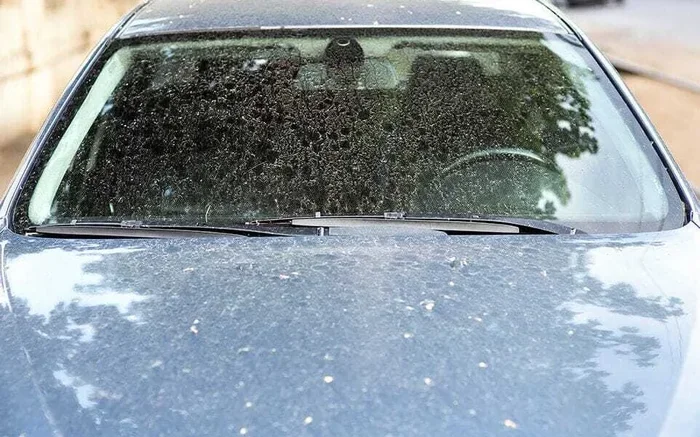
There is nothing worse than walking out to your car and finding a big glob of sticky tree sap sitting right on your windshield. It happens to the best of us. You park under a tree, enjoy the shade, and then later discover a gooey mess that seems impossible to get off. Tree sap is one of the most common nuisances car owners face, especially during spring and summer months.
The good news is that removing sap from car glass is entirely doable at home. You do not need expensive tools or professional help. With the right approach, you can restore your glass to crystal-clear condition without any staining or damage. In this article, we will walk you through every method, tip, and precaution you need to know. By the end, you will feel confident tackling even the worst sap spots on your windshield and windows.
Key Takeaways
- Act Fast: Fresh sap is much easier to remove than hardened sap, so tackle it as soon as you notice it.
- Use the Right Products: Isopropyl alcohol, WD-40, and clay bars are among the most effective tools for sap removal.
- Avoid Harsh Scraping: Never use sharp objects on your glass, as they can cause scratches and permanent damage.
- Protect After Cleaning: Applying a glass sealant or wax helps repel future sap and makes cleanup easier.
- Prevention Works: Parking smart and using protective covers can drastically reduce sap buildup on your car.
- Test First: Always test any cleaning solution on a small, hidden area before applying it to the main surface.
📑 Table of Contents
- Why Tree Sap Is So Stubborn on Car Glass
- What You Need Before Starting
- Step-by-Step Methods to Remove Tree Sap From Car Glass
- Comparison of Sap Removal Methods
- Common Mistakes to Avoid When Removing Sap
- Prevention Tips to Keep Sap Off Your Car Glass
- When to Seek Professional Help
- Final Thoughts on Removing Tree Sap From Car Glass
Why Tree Sap Is So Stubborn on Car Glass
Tree sap might look harmless when it first lands on your car, but it becomes a real problem over time. Understanding why sap is so difficult to remove helps you choose the right cleaning approach. Different trees produce different types of sap, and each behaves slightly differently on glass surfaces.
The Science Behind Sap Sticking
Sap is essentially a mixture of water, sugars, and organic compounds. When it lands on your car, the water evaporates quickly, leaving behind a concentrated, sticky residue. Over time, this residue hardens and bonds tightly to the glass surface. The longer it sits, the stronger the bond becomes. This is why removing sap early makes the whole process much easier.
Pine trees are the biggest culprits for car owners. Their sap is particularly resinous and adhesive. Oak and maple trees also produce sap, though it tends to be less sticky. Regardless of the tree type, all sap shares one trait: it clings fiercely to surfaces and resists simple water washing.
When Sap Turns Into Staining
If you ignore sap for days or weeks, it can cause discoloration on your glass. The organic compounds in sap leave behind a faint but noticeable haze. This staining is especially visible on windshield glass where sunlight shines through. Staining occurs when sap seeps into microscopic pores in the glass surface. Once embedded, regular washing will not remove it. You need a dedicated sap removal method to break down the residue and lift it away safely.
What You Need Before Starting
Before you dive into any cleaning method, gather your supplies. Having everything ready saves time and prevents frustration. Most of these items are affordable and easy to find at any hardware or auto parts store.
Essential Supplies for Sap Removal
- Isopropyl alcohol (90% or higher) – This is the most effective and safest solvent for dissolving sap on glass.
- Microfiber cloths – Soft, lint-free cloths prevent scratches during the cleaning process.
- Plastic scraper or credit card – Useful for gently lifting hardened sap without scratching glass.
- WD-40 or similar lubricant – Helps break down tough, stubborn sap deposits.
- Clay bar kit – Excellent for removing embedded sap residue after initial cleaning.
- Automotive glass cleaner – For final wiping and streak-free finishing.
- Warm soapy water – For pre-washing the area and removing loose debris.
- Bug and tar remover – A commercial product designed specifically for sticky automotive residues.
Always keep a few extra microfiber cloths handy. You will go through them quickly during the process. Using dirty or abrasive cloths can introduce scratches or push sap deeper into the glass surface.
Step-by-Step Methods to Remove Tree Sap From Car Glass
Now for the part you have been waiting for. Below are several proven methods for how to remove tree sap from car glass without leaving stains or causing damage. Each method works well for different levels of sap buildup. Start with the gentlest method and move to stronger options only if needed.
Method 1: Isopropyl Alcohol (Best for Fresh Sap)
Isopropyl alcohol is the gold standard for tree sap removal from car glass. It dissolves the sticky compounds in sap without harming the glass or any surrounding sealants. This method works best on fresh or recently dried sap that has not yet hardened completely.
Here is how to do it:
- Dampen a clean microfiber cloth with isopropyl alcohol (90% concentration or higher).
- Place the cloth directly over the sap spot and let it sit for 30 seconds to one minute.
- Gently rub the sap in a circular motion. Do not press too hard.
- The sap should begin to dissolve and lift off the glass within seconds.
- Wipe the area clean with a fresh, damp microfiber cloth.
- Finish by spraying automotive glass cleaner and buffing dry with a clean cloth.
Quick Tip: If the sap does not dissolve on the first try, apply more alcohol and let it sit for a longer period. Patience is key. Rushing the process can push the sap around instead of removing it.
Method 2: WD-40 for Hardened Sap
When sap has been on your car for days or weeks, it hardens significantly. WD-40 is a penetrating lubricant that breaks down the bond between the sap and the glass surface. It works wonderfully on old, stubborn sap deposits that resist alcohol alone.
Follow these steps:
- Spray a small amount of WD-40 directly onto the hardened sap spot.
- Let it sit for about five minutes. The lubricant needs time to penetrate the residue.
- Using a plastic scraper or the edge of a credit card, gently lift the softened sap away.
- Wipe the area with a microfiber cloth dampened with warm soapy water.
- Repeat if any sap residue remains. Do not scrape aggressively.
- Finish with a thorough glass cleaner wipe-down for a streak-free finish.
Important: WD-40 can leave an oily residue on glass if not cleaned properly. Always follow up with a glass cleaner and a dry microfiber cloth to ensure no film remains.
Method 3: Clay Bar for Embedded Residue
If sap has been on your car for a long time, it may have bonded deeply with the glass surface. A clay bar is a gentle abrasive tool that lifts embedded contaminants without scratching. This method is perfect for stubborn sap stains that have already caused discoloration.
Here is the process:
- Wash the affected area with warm soapy water and dry it thoroughly.
- Spray a clay lubricant or a mixture of water and a few drops of dish soap onto the glass.
- Flatten a small piece of clay bar into a disc shape.
- Gently glide the clay bar across the sap-affected area using light pressure.
- The clay will pick up sap particles and residue as it moves.
- Knead and fold the clay frequently to expose a clean surface.
- Rinse the area and dry it with a fresh microfiber cloth.
Expert Insight: Many professional detailers recommend using a clay bar as a final step after dissolving most of the sap with alcohol. This two-step approach ensures complete removal without excessive abrasion.
Method 4: Commercial Bug and Tar Remover
Commercial bug and tar removers are formulated specifically for automotive sticky residues. These products are widely available and highly effective at dissolving sap without damaging glass. They are especially useful when you have multiple sap spots or a large area affected.
To use a commercial remover:
- Apply the product directly to the sap spot according to the manufacturer’s instructions.
- Allow it to dwell for the recommended time, usually one to three minutes.
- Wipe away with a microfiber cloth, using gentle circular motions.
- Rinse the area with clean water and dry thoroughly.
- Inspect for any remaining residue and repeat if necessary.
Popular brands like Meguiar’s, Chemical Guys, and Griot’s Garage all offer reliable adhesive removers for automotive use. These products are safe for all types of car glass including tempered and laminated windshield glass.
Comparison of Sap Removal Methods
Not all methods work equally well for every situation. The table below helps you choose the right approach based on the condition of the sap on your car glass.
| Method | Best For | Effectiveness | Ease of Use | Risk of Staining |
|---|---|---|---|---|
| Isopropyl Alcohol | Fresh or lightly dried sap | High | Very Easy | Very Low |
| WD-40 | Hardened or old sap | High | Easy | Low (if cleaned properly) |
| Clay Bar | Embedded or stained sap | Very High | Moderate | Very Low |
| Bug and Tar Remover | Multiple sap spots | High | Very Easy | Very Low |
| Rubbing Alcohol Wipes | Quick, on-the-go cleanup | Moderate | Very Easy | Low |
As you can see, each method has its strengths. For the best results, many car owners combine two approaches. Start with alcohol to dissolve the bulk of the sap, then use a clay bar to remove any remaining residue or staining. This two-step process delivers the cleanest, streak-free results.
Common Mistakes to Avoid When Removing Sap
Even with the right tools, mistakes can happen. Avoiding these common errors will save you time, money, and potential damage to your car glass.
Using Sharp Objects to Scrape Sap
The biggest mistake people make is reaching for a knife, razor blade, or other sharp metal tool to scrape off sap. These tools can easily scratch glass, creating micro-scratches that distort your view and weaken the glass over time. Always use a plastic scraper or your fingernail for gentle lifting. If the sap is too hard to remove by hand, let a solvent do the work for you.
Using Hot Water on Sap
Some people think hot water will melt and loosen sap. In reality, hot water can cause the sap to spread and penetrate deeper into the glass surface. Always use lukewarm water for cleaning. It is warm enough to help with soap application but not hot enough to cause sap to smear.
Skipping the Pre-Wash Step
Jumping straight into sap removal without washing the surrounding area first can push dirt and debris into the glass. Always rinse and lightly wash the area before applying any cleaning solution. This prevents additional scratching and ensures a cleaner result.
Using Household Cleaners With Harsh Chemicals
Avoid using bleach, abrasive household cleaners, or acetone-based products on car glass. These chemicals can damage glass coatings, strip protective sealants, and leave permanent haze. Stick to automotive-specific products or simple household items like isopropyl alcohol and mild dish soap.
Not Wearing Gloves
Isopropyl alcohol and commercial removers can dry out and irritate your skin. Always wear rubber gloves when handling cleaning chemicals. This is a simple step that protects your hands and keeps you comfortable during the process.
Prevention Tips to Keep Sap Off Your Car Glass
The best way to deal with tree sap is to prevent it from landing on your car in the first place. A few smart habits can save you hours of cleaning time throughout the year.
Park Strategically
Whenever possible, park your car away from trees that drip sap, especially pine trees. If you must park under a tree, choose a spot where the branches do not directly hang over your car. Overhead cover from rain is great, but overhead sap is a nightmare.
Use a Car Cover
A quality car cover creates a physical barrier between your car and falling sap. It is one of the most effective sap prevention tools available. Look for breathable covers that fit your car model snugly. A cover also protects against bird droppings, UV damage, and other environmental hazards.
Apply a Glass Sealant
Applying a glass sealant or ceramic coating to your windshield and windows makes the surface more hydrophobic and less sticky. Sap has a harder time bonding to a sealed surface, and when it does land, it wipes off much more easily. Reapply the sealant every few months for best results.
Wash Your Car Regularly
Regular washing removes sap before it has time to harden and bond with the glass. If you notice sap on your car, address it within hours rather than days. Frequent washing is the single most effective prevention habit any car owner can adopt.
When to Seek Professional Help
Most sap removal jobs are easily handled at home with the methods described above. However, there are situations where professional help makes sense. If the sap has caused deep staining that no home method can remove, a professional detailer has access to industrial-grade tools and compounds. Similarly, if you notice cracks or chips in your glass alongside sap damage, it is best to consult a professional for auto glass repair before attempting any cleaning yourself.
Key Takeaway: Professional help is worth the investment when sap damage is extensive or when you are unsure about the condition of your glass. A detailer can restore clarity safely and efficiently.
Final Thoughts on Removing Tree Sap From Car Glass
Removing tree sap from car glass without staining is entirely achievable when you use the right method and act promptly. Whether you choose isopropyl alcohol for fresh sap, WD-40 for hardened deposits, or a clay bar for embedded residue, the key is patience and gentle technique. Never rush the process or use abrasive tools that can damage your glass.
Prevention plays an equally important role. Smart parking, car covers, and regular washing keep sap from becoming a recurring problem. By combining effective removal methods with proactive prevention, you can keep your car glass looking brand new all year long.
Now that you know exactly how to remove tree sap from car glass safely and effectively, you are ready to tackle any sap spot that comes your way. Grab your supplies, follow the steps outlined above, and enjoy the satisfaction of seeing your glass shine like new again.
Frequently Asked Questions
Can tree sap permanently damage car glass?
Tree sap itself does not permanently damage glass, but if left untreated for extended periods, it can cause staining and discoloration. The longer sap sits on glass, the harder it becomes to remove and the more likely it is to leave a lasting mark. Prompt removal is the best way to prevent any permanent damage.
Is isopropyl alcohol safe for all car glass types?
Yes, isopropyl alcohol is safe for all standard automotive glass types including tempered glass and laminated windshield glass. It evaporates quickly and does not leave residue when wiped properly. However, always test on a small hidden area first if you are unsure about a specific glass treatment or coating.
How long does it take to remove tree sap from car glass?
For fresh sap, the removal process typically takes five to ten minutes using isopropyl alcohol. Hardened or older sap may take 15 to 30 minutes depending on the method used and the severity of the buildup. Patience and the right technique make all the difference in achieving a clean result.
Will WD-40 leave a residue on car glass?
WD-40 can leave a light oily residue if not wiped off thoroughly. To avoid this, always follow up WD-40 application with a thorough cleaning using automotive glass cleaner and a clean microfiber cloth. This ensures a streak-free, residue-free finish after sap removal.
What is the best way to prevent tree sap from sticking to car glass?
The best prevention strategies include parking away from sap-producing trees, using a car cover, and applying a glass sealant or ceramic coating. Regular washing also helps by removing sap before it has time to harden and bond with the glass surface. These simple habits can save you significant cleaning time.
Can I use nail polish remover to remove tree sap from car glass?
It is not recommended to use nail polish remover on car glass. Most nail polish removers contain acetone, which can damage glass coatings and strip protective sealants. Stick to isopropyl alcohol or dedicated automotive sap removers, which are formulated to be safe for car surfaces.
=== CONCLUSION ===
Learning how to remove tree sap from car glass without staining is an essential skill for every car owner. The methods covered in this guide give you everything you need to handle fresh sap, hardened deposits, and stubborn stains with confidence. From simple household solutions like isopropyl alcohol to professional-grade tools like clay bars, there is a method that fits every situation and budget.
Remember to act quickly, use gentle techniques, and always follow up with proper cleaning and protection. Prevention through smart parking and regular maintenance will keep your glass looking great between cleanings. With the tips and strategies in this article, you are fully equipped to keep your car glass free of sap and stains for years to come.