Car Cranks but Wont Start: Here Are the Causes Explained
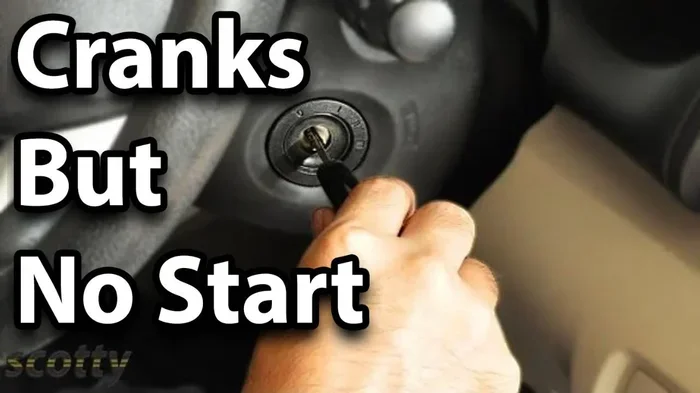
When your car cranks but won’t start, it can be frustrating and stressful. The most common reasons include a weak battery, bad starter motor, fuel pump failure, or ignition system problems. Understanding these causes helps you diagnose the issue faster and avoid costly repairs.
There’s nothing worse than turning your key or pressing the start button and hearing your engine crank… but nothing happens. Your car cranks but won’t start, and you’re left standing in the driveway wondering what went wrong. This is one of the most common car problems drivers face, and it can strike anyone at any time.
The good news is that you don’t need to be a mechanic to understand what’s going on. Most of the reasons your engine cranks but fails to start fall into a few clear categories. From the battery to the fuel system, each part plays a specific role in getting your car running. When one of those parts fails, the whole process stops.
In this article, we’ll walk through every major cause in plain language. You’ll learn how to spot the symptoms, what each problem means for your wallet, and when you can fix it yourself. Whether you’re dealing with a cold morning no-start or a sudden breakdown, this guide has you covered.
Key Takeaways
- A dead or weak battery is the #1 reason cars crank but don’t start. Corroded terminals and old age are the usual suspects.
- A faulty starter motor or solenoid causes a clicking sound with no engine turnover. It needs replacement or repair.
- Fuel system problems like a bad fuel pump or clogged filter starve the engine of gas. Your car cranks but never fires up.
- Ignition system failures, including worn spark plugs and bad coils, prevent combustion. These are common in older vehicles.
- Security system lockouts and immobilizer issues can block your engine from starting. This often happens after a battery change.
- Mechanical problems such as a broken timing belt or low compression stop the engine entirely. These require professional diagnosis.
- A simple diagnostic checklist can save you time and money before visiting a mechanic. Start with the easiest fixes first.
📑 Table of Contents
- What Happens When Your Car Cranks but Won’t Start
- Dead or Weak Battery
- Faulty Starter Motor or Solenoid
- Fuel System Problems
- Ignition System Failures
- Security System and Immobilizer Issues
- Engine Mechanical Problems
- Quick Tips to Diagnose the Problem
- Comparison: Battery vs Starter vs Fuel System Symptoms
- When to Call a Professional
- Prevention Tips to Avoid Future No-Start Issues
- Conclusion
What Happens When Your Car Cranks but Won’t Start
First, let’s understand what “cranking” actually means. When you turn the key or push the start button, the starter motor spins the engine. This is called cranking. The engine needs three things to run: fuel, air, and a spark. If any one of these is missing, your car will crank but refuse to start.
Think of it like trying to blow up a balloon. You need air (the engine turning), fuel (the air filling the balloon), and a spark (your breath to get it going). If you’re missing any one of those, nothing happens. The engine turns over, but it can’t fire up.
Here’s a quick look at the main systems involved:
- Electrical system: Battery, starter motor, and ignition switch provide the power to crank the engine.
- Fuel system: Fuel pump, fuel filter, and fuel injectors deliver gas to the engine.
- Ignition system: Spark plugs, ignition coils, and the crankshaft position sensor create the spark that ignites fuel.
- Security system: The immobilizer and anti-theft system can block the engine from starting if it doesn’t recognize the key.
- Engine mechanics: The timing belt, compression, and internal parts must all work together for combustion to occur.
When your car cranks but won’t start, the problem lives somewhere in this chain. Let’s break down each possibility so you can narrow it down.
Dead or Weak Battery
The battery is the most common reason a car cranks slowly or not at all. Even if the engine turns over, a weak battery may not have enough power to complete the starting process. A battery that’s partially dead can still crank the engine but won’t provide the sustained voltage needed for ignition.
How to Test Your Battery
Testing your battery is easy and cheap. Grab a multimeter and touch the probes to the battery terminals. A healthy battery reads 12.6 volts or higher when the engine is off. If it drops below 12.0 volts, your battery is weak and may need a jump start or replacement.
Here are some quick signs your battery is the problem:
- Dashboard lights dim when you turn the key.
- The engine cranks slowly or sluggishly.
- Your car started fine yesterday but won’t start today.
- You left a light on overnight.
- The battery is more than three years old.
Cold weather makes battery problems worse. Lithium-ion and lead-acid batteries both lose power in low temperatures. If you live in a cold climate, keep a portable jump starter in your trunk. It’s a small investment that can save you a lot of hassle.
Corroded Battery Terminals
Even with a good battery, corroded terminals can block the electrical current. You’ll see a white or greenish buildup on the battery posts. This corrosion prevents a clean connection, and your car cranks but won’t start because the power can’t flow properly.
Cleaning battery terminals is a simple fix. Use a wire brush and a baking soda and water mixture to scrub the corrosion away. Always disconnect the negative cable first and reconnect it last. This small maintenance step can prevent many no-start issues.
Faulty Starter Motor or Solenoid
The starter motor is the electric motor that actually turns your engine over. The solenoid is the switch that sends power to the starter. When either one fails, you get a car that cranks but won’t start, or worse, makes no sound at all when you turn the key.
Signs of a Failing Starter
A bad starter motor gives you clear warning signs before it completely dies. Watch for these symptoms:
- A single loud click when you turn the key.
- Grinding or whining noises during cranking.
- The engine starts intermittently, then stops.
- You need to tap the starter with a wrench to get it going.
- The dashboard lights come on, but the engine won’t crank.
Starter motors wear out over time, especially in high-mileage vehicles. Heat from the engine and electrical shorts are the biggest enemies of your starter. If you notice these symptoms, get the starter checked before it leaves you stranded.
A faulty solenoid can also cause this problem. The solenoid is a small electromagnetic switch mounted on top of the starter. When it fails, it can’t send power to the starter motor. You might hear a single click but no cranking action. Replacing a solenoid is usually cheaper than replacing the entire starter assembly.
Fuel System Problems
Your engine needs fuel to run. If the fuel system isn’t delivering gas properly, your car will crank but never catch. Fuel system issues are the second most common cause of a no-start condition after battery problems.
Bad Fuel Pump
The fuel pump sends gas from the tank to the engine under high pressure. When the fuel pump goes bad, your engine doesn’t get the fuel it needs. A failing fuel pump often gives you warning signs before it completely stops working.
Common signs of a bad fuel pump include:
- A whining noise coming from the fuel tank area.
- Engine stalling at high speeds or under load.
- Difficulty starting after the car sits for a while.
- Loss of power when accelerating.
- The engine cranks but won’t start after sitting overnight.
Fuel pumps can fail due to age, contaminated fuel, or running the tank too low too often. Most fuel pumps last between 100,000 and 150,000 miles. If yours is going bad, replacement is the only real fix. The cost varies by vehicle, but expect to pay between $400 and $800 for parts and labor.
Clogged Fuel Filter
The fuel filter keeps debris and contaminants out of your fuel system. Over time, it gets clogged and restricts fuel flow. A clogged fuel filter starves the engine of gas, causing your car to crank but not start. Most manufacturers recommend replacing the fuel filter every 30,000 to 50,000 miles.
Fuel Injector Issues
Fuel injectors spray precise amounts of fuel into the engine cylinders. When injectors get clogged or fail, the engine doesn’t get the right fuel mixture. Dirty injectors are a common problem, especially in vehicles that use lower-quality fuel. Using a fuel system cleaner can help prevent injector problems, but severely clogged injectors need professional cleaning or replacement.
Ignition System Failures
The ignition system creates the spark that ignites the fuel-air mixture inside your engine cylinders. Without a proper spark, your engine cranks but never combusts. Ignition problems are especially common in vehicles with higher mileage.
Worn Spark Plugs
Spark plugs are small but mighty. They create the electrical spark that lights the fuel in each cylinder. Over time, spark plugs wear out. The electrode erodes, and the gap widens. Old spark plugs produce a weak or inconsistent spark that can’t ignite the fuel reliably.
Most spark plugs need replacement every 30,000 to 100,000 miles depending on the type. Copper plugs wear out faster than iridium or platinum plugs. If your car cranks but won’t start and you haven’t changed your spark plugs in a while, this is a great place to start your diagnosis.
Ignition Coil and Crankshaft Position Sensor
The ignition coil converts the battery’s low voltage into the thousands of volts needed to create a spark. A failing ignition coil means weak or no spark at all. You might notice your car misfiring or running rough before the coil completely fails.
The crankshaft position sensor tells the engine computer where the crankshaft is rotating. This information is critical for timing the spark and fuel injection. When this sensor fails, the engine cranks but won’t start because the computer doesn’t know when to fire the spark plugs. This is a common and often overlooked cause of no-start conditions.
Security System and Immobilizer Issues
Modern vehicles come equipped with anti-theft systems and immobilizers. These systems prevent the engine from starting unless the correct key or key fob is recognized. While this is great for security, it can cause headaches when the system malfunctions.
Your car cranks but won’t start when the immobilizer doesn’t recognize your key. The security light on your dashboard usually flashes when this happens. Common causes include:
- A dead key fob battery that can’t communicate with the car.
- A damaged transponder chip inside the key.
- A faulty immobilizer module or antenna ring around the ignition lock.
- A recent battery disconnect that reset the security system.
- Water damage to the key or the antenna ring.
If you just replaced your battery and now your car won’t start, the immobilizer is a likely culprit. Try using the spare key to see if the problem goes away. If the spare key works, your primary key’s transponder may need reprogramming or replacement.
Engine Mechanical Problems
Sometimes the problem isn’t electrical or fuel-related. Mechanical issues inside the engine can also prevent your car from starting, even though it cranks normally. These problems are usually more serious and expensive to repair.
Broken Timing Belt or Chain
The timing belt or chain synchronizes the crankshaft and camshaft so the engine’s valves open and close at the right time. If the timing belt breaks, the engine won’t run. In many modern engines, a broken timing belt also causes piston and valve damage, which leads to a much more expensive repair.
Timing belts need regular replacement, typically every 60,000 to 100,000 miles. Check your owner’s manual for the recommended service interval. A broken timing chain is less common but can happen due to wear or a failed tensioner.
Low Compression
Your engine cylinders need proper compression to ignite the fuel-air mixture. Low compression means the cylinders can’t build enough pressure for combustion. This can happen due to worn piston rings, damaged head gaskets, or bent valves.
Signs of low compression include:
- The engine cranks faster than normal.
- Poor engine performance or misfires.
- Blue or white smoke from the exhaust.
- The car cranks but won’t start, especially when hot.
A compression test is the best way to diagnose this issue. A mechanic can perform this test quickly and give you clear results. If compression is low in one or more cylinders, you’ll need professional repairs.
Quick Tips to Diagnose the Problem
Before you call a tow truck, try these simple diagnostic steps. They can save you time and money by helping you pinpoint the exact cause.
Step 1: Check the dashboard lights. Turn the key to the “on” position without starting the engine. Do all the warning lights come on? If the dashboard is completely dark, your battery is likely the problem.
Step 2: Listen carefully. When you turn the key, do you hear a single click, a rapid clicking, or a slow cranking sound? Each noise points to a different issue. A single click often means a bad starter or solenoid. Slow cranking usually points to a weak battery.
Step 3: Check for fuel. This sounds obvious, but it happens more than you’d think. Make sure you actually have gas in the tank. A faulty fuel gauge can give you a false reading.
Step 4: Smell for gas. If you smell strong gasoline near the engine after cranking, the engine might be flooded. Wait a few minutes and try again with the gas pedal pressed halfway.
Step 5: Try the spare key. If your immobilizer is causing the problem, the spare key might bypass it and get you started.
Step 6: Check for error codes. An OBD-II scanner can read trouble codes from your car’s computer. Many auto parts stores will scan your codes for free. The codes can point you directly to the problem area.
These quick checks won’t solve every problem, but they narrow down the possibilities. Use them as your first line of defense when your car cranks but won’t start.
Comparison: Battery vs Starter vs Fuel System Symptoms
It can be hard to tell which system is causing your no-start problem. Here’s a simple comparison table to help you identify the culprit faster.
| Symptom | Most Likely Cause | DIY Fix? |
|---|---|---|
| Engine cranks slowly or not at all | Weak or dead battery | Yes, jump start or replace battery |
| Single loud click, no cranking | Bad starter motor or solenoid | No, needs professional replacement |
| Engine cranks normally but won’t fire | Fuel pump failure or no fuel | Partially, check fuel level and listen for pump hum |
| Engine cranks but no spark | Ignition coil or crankshaft sensor failure | No, needs diagnostic equipment |
| Dashboard security light flashes | Immobilizer or key transponder issue | Try spare key or replace key fob battery |
| Engine cranks faster than normal | Low compression or broken timing belt | No, requires professional diagnosis |
This table gives you a quick reference when you’re trying to figure out why your car cranks but won’t start. Use it alongside the diagnostic steps above for the best results.
When to Call a Professional
Not every car problem is a DIY fix. While checking the battery and spark plugs is straightforward, diagnosing fuel pump issues or compression problems requires specialized tools and expertise. Here are some signs it’s time to call a mechanic:
- You’ve checked the battery, fuel, and spark, but the engine still won’t start.
- The check engine light is flashing, not just steady.
- You hear unusual knocking or grinding sounds from the engine.
- The car cranks but won’t start after a recent repair or maintenance.
- You suspect a broken timing belt or internal engine damage.
- You don’t feel comfortable working under the hood.
A professional mechanic has the tools and experience to diagnose complex problems quickly. Many shops offer free no-start diagnostics, so there’s no harm in getting a second opinion. The key is to avoid unnecessary repairs by getting an accurate diagnosis first.
Prevention Tips to Avoid Future No-Start Issues
The best way to deal with a car that cranks but won’t start is to prevent the problem from happening in the first place. Regular maintenance goes a long way toward keeping your car reliable.
Replace your battery every three to five years, even if it seems fine. Batteries degrade slowly over time, and a weak battery can leave you stranded on a cold morning. Keep your fuel tank above a quarter full to protect the fuel pump from overheating. Change your spark plugs on schedule and use quality fuel to keep your injectors clean.
Pay attention to warning signs. A slow crank, occasional misfire, or dashboard warning light is your car telling you something needs attention. Addressing small problems early prevents bigger, more expensive breakdowns later.
Conclusion
When your car cranks but won’t start, the cause usually falls into one of five categories: battery, starter, fuel system, ignition system, or mechanical problems. By understanding how these systems work together, you can narrow down the problem and take the right steps to fix it. Start with the simple checks like the battery and fuel level, and work your way toward more complex diagnostics if needed.
Most no-start issues are fixable with basic tools and a little patience. Even if you need professional help, knowing the possible causes saves you from being taken advantage of at the repair shop. Keep this guide handy, share it with a friend who might need it, and remember that every car problem has a solution. The key is staying calm, following the diagnostic steps, and getting your car back on the road safely.
Frequently Asked Questions
Why does my car crank but not start when it’s cold?
Cold weather weakens your battery and makes the engine oil thicker, which makes cranking harder. A weak battery is the most common cause of cold-weather no-start issues. If this happens often, consider replacing your battery or switching to a cold-weather rated oil.
Can a bad fuel filter cause a car to crank but not start?
Yes, a clogged fuel filter restricts fuel flow to the engine. When the filter is completely blocked, the engine can crank but won’t get enough fuel to ignite. Replacing the fuel filter is an inexpensive fix that often solves the problem.
How do I know if my starter motor is bad?
A bad starter motor usually makes a single loud click or a grinding noise when you turn the key. The engine either doesn’t crank at all or cranks very slowly. If you need to tap the starter with a wrench to get it working, it’s definitely failing and needs replacement.
What should I do if my car cranks but won’t start after running out of gas?
Running out of gas can introduce air into the fuel lines, which prevents the engine from starting even after you refill. Try priming the fuel system by turning the key to the “on” position for a few seconds before cranking. If that doesn’t work, you may need to bleed the fuel lines or have a mechanic check for air locks.
Is it safe to keep trying to start my car if it cranks but won’t start?
It’s okay to try a few times, but don’t keep cranking for more than 10 to 15 seconds at a time. Extended cranking can overheat the starter motor and drain your battery further. Wait at least 30 seconds between attempts to let the starter cool down.
Can a faulty crankshaft position sensor cause a no-start condition?
Absolutely. The crankshaft position sensor tells the engine computer the exact position and speed of the crankshaft. Without this information, the computer can’t time the spark or fuel injection correctly. A failed sensor will cause your car to crank but never start. Replacing the sensor is usually a straightforward and affordable repair.
=== CONCLUSION ===
Dealing with a car that cranks but won’t start is never fun, but understanding the causes puts you back in control. From a simple dead battery to a complex fuel pump failure, each problem has clear symptoms and solutions. Use the diagnostic tips in this guide to narrow down the issue, and don’t hesitate to call a professional when the problem is beyond a DIY fix. Regular maintenance and quick attention to warning signs keep your car running strong and prevent frustrating no-start situations in the future.