Can Police Search a Parked Car on Private Property Legally
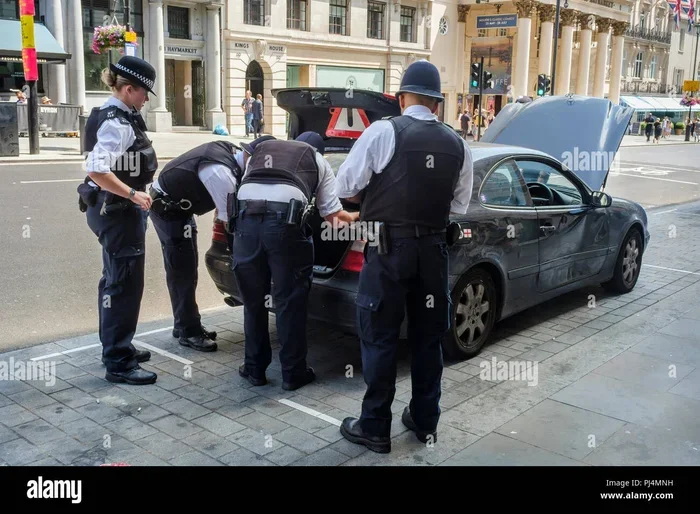
Many people wonder whether police can search a parked car on private property without permission. The short answer is that it depends on several legal factors, including probable cause, consent, and the plain view doctrine. Understanding your Fourth Amendment rights and private property rights can help you protect yourself during unexpected encounters with law enforcement. This guide breaks down the legal rules, common misconceptions, and practical steps you should take if police want to search your vehicle.
You step outside your home and notice a police officer standing near your parked car. Your heart races. You wonder, can police search a parked car on private property? This question worries a lot of people, and for good reason. Your car is one of your most valuable possessions. It is also a private space where you keep personal belongings, documents, and everyday items. Understanding the legal rules around vehicle searches can save you from unnecessary stress and protect your constitutional rights.
The short answer is that it depends. Police cannot always search your car just because it sits on your private property. Several legal principles govern when officers can and cannot conduct a search. These include the Fourth Amendment, the concept of probable cause, and the role of private property in search and seizure law. In this article, we will break down all of these factors in simple, easy-to-understand language. By the end, you will know exactly what your rights are and how to handle such situations with confidence.
Key Takeaways
- Police generally need a warrant or probable cause: Searching a parked car on private property usually requires legal justification beyond a hunch.
- Consent changes everything: If you voluntarily agree to a search, officers can legally look through your vehicle without a warrant.
- The plain view doctrine applies: If police see illegal items in plain sight from a lawful position, they may search without additional permission.
- Exigent circumstances create exceptions: Emergencies like evidence destruction or public safety threats can justify a warrantless search.
- Private property does not guarantee full protection: Having your car parked on your driveway or garage does not automatically prevent a legal search.
- Know your rights during an encounter: You can politely decline a search and request a lawyer if police do not have a warrant.
- Illegal searches can be challenged in court: Evidence obtained through an unconstitutional search may be thrown out by a judge.
📑 Table of Contents
- Understanding Your Rights When Police Want to Search
- When Can Police Legally Search a Parked Car on Private Property
- The Role of Private Property in Car Search Laws
- What to Do If Police Search Your Car Illegally
- Common Myths About Police Car Searches on Private Property
- Protecting Your Rights and Property
- Conclusion
Understanding Your Rights When Police Want to Search
The Fourth Amendment to the U.S. Constitution protects citizens from unreasonable searches and seizures. This is the foundation of your rights when police approach your parked vehicle. But what does “unreasonable” actually mean in practice? Let us look closer at the key legal concepts that apply.
The Fourth Amendment and Vehicle Searches
The Fourth Amendment states that people have the right to be secure in their persons, houses, papers, and effects. Courts have interpreted this to include vehicles as well. However, cars occupy a unique legal space. Because vehicles are mobile and can be moved quickly, the law treats them differently than homes. This is known as the vehicle exception to the warrant requirement.
Still, the vehicle exception does not give police unlimited access. Officers must still meet a legal standard before they can search your car. The key standards include:
- Probable cause: Officers must have a reasonable belief that your car contains evidence of a crime.
- A valid search warrant: A judge has signed a warrant authorizing the search.
- Your voluntary consent: You agree to let them search without being pressured.
- Exigent circumstances: An emergency situation justifies a warrantless search.
- The plain view doctrine: Illegal items are visible from a lawful vantage point.
Each of these standards plays a big role in determining whether a warrantless search of your parked car is legal. Let us explore each one in more detail.
When Can Police Legally Search a Parked Car on Private Property
Not every police encounter with your car leads to a legal search. Officers must meet specific legal conditions before they can look through your vehicle. Understanding these conditions helps you know when to stand your ground and when cooperation might be appropriate.
Probable Cause and Vehicle Searches
Probable cause is the most common reason police give for searching a car. But what does probable cause really mean? It means officers have specific facts and circumstances that would lead a reasonable person to believe your car contains evidence of a crime. A vague hunch is not enough.
For example, if an officer smells marijuana coming from your parked vehicle, that could establish probable cause. Or if they see drug paraphernalia through your window, that might also qualify. However, if an officer simply does not like the look of your car or has a general suspicion, that is not probable cause. Law enforcement authority has limits, and courts take this seriously.
The Role of Consent in a Car Search
Consent is a powerful tool for police. If you voluntarily agree to let officers search your car, they do not need a warrant or probable cause. This is why many people unknowingly waive their rights during routine encounters.
Here is something important to understand: you have the right to refuse a search. You can politely say, “I do not consent to a search.” Officers may still try to pressure you, but you are within your rights to stand firm. Let us be clear about a few things:
- You should always be respectful when declining a search.
- You do not need to be confrontational to protect your rights.
- Anything you say can be used against you, so keep your words calm and brief.
- If you give consent, the search becomes legal even if they find nothing.
Remember, the burden is on the prosecution to prove that your consent was truly voluntary. If an officer coerced you or made you feel you had no choice, a criminal defense attorney can challenge that consent in court.
Exigent Circumstances and Emergency Exceptions
Exigent circumstances are situations where waiting for a warrant would be impractical or dangerous. Police can act immediately if they believe there is an emergency. Common examples include:
- Evidence that is about to be destroyed.
- A threat to public safety.
- The hot pursuit of a suspect.
- Risk of evidence being moved out of reach.
For instance, if police hear someone inside your parked car destroying evidence, they may enter without a warrant. But courts closely examine these claims. An officer cannot simply invent an emergency to justify a search. Judges look at the facts carefully to determine whether the circumstances truly warranted immediate action.
The Plain View Doctrine Explained
The plain view doctrine allows officers to seize evidence without a warrant if it is clearly visible. For this to apply, three conditions must be met:
- The officer must be lawfully present at the location.
- The incriminating nature of the item must be immediately obvious.
- The item must be in plain sight, not hidden from view.
Let us say your car is parked on your driveway, and an officer approaches to give you a parking ticket. During the encounter, they see a bag of illegal substances on the passenger seat. Because the officer was lawfully present and the item was clearly visible, they can legally seize it and potentially search the rest of the car.
The Role of Private Property in Car Search Laws
Many people assume that private property offers a shield against police searches. After all, your home is your castle, right? While private property does provide certain protections, it does not create an absolute barrier to vehicle searches. Let us look at how property type affects the legal landscape.
Does a Private Driveway Change the Rules?
A parked car on your private driveway is still a vehicle, not a home. Courts have consistently held that the reasonable expectation of privacy in a car is lower than in a house. This means police have more latitude to search a car than they do a home, even when the car sits on your private property.
However, your property rights still matter. If an officer enters your property without permission and without legal justification, that could violate your trespassing laws. The key distinction is between entering your property and searching your car. Police may be on your property for a legitimate reason, and if they spot evidence of a crime during that presence, the plain view doctrine may apply.
Garage and Enclosed Spaces: Stronger Privacy Protections
A car parked inside a private garage receives stronger protection than one on an open driveway. Courts have treated garages as extensions of the home, and the Fourth Amendment offers the strongest protections inside your home. A search of a car inside a garage without a warrant or consent is more likely to be considered illegal.
If police want to search your car in a garage, they generally need either a warrant, probable cause, or your consent. The enclosed nature of the garage creates a higher expectation of privacy that works in your favor.
Public vs. Private Property: Key Differences
The location of your parked car matters more than you might think. Here is a quick comparison of how the rules differ:
| Factor | Public Property | Private Property |
|---|---|---|
| Warrant Required | Usually yes, unless exception applies | Usually yes, unless exception applies |
| Reasonable Expectation of Privacy | Lower | Higher, especially in enclosed spaces |
| Plain View Doctrine | Applies if officer is lawfully present | Applies if officer is lawfully present |
| Consent Needed | Yes, unless other legal basis exists | Yes, unless other legal basis exists |
| Trespass Concerns | Not applicable | Officer must have legal justification to be on property |
As you can see, the core legal principles remain similar whether your car is on public or private property. The main difference lies in the strength of your privacy expectations and the officer’s justification for being on the property in the first place.
What to Do If Police Search Your Car Illegally
Even if you know your rights, encounters with police can be stressful and confusing. Things can move quickly, and it is easy to feel overwhelmed. Here is what you should do if you believe police have conducted an illegal search of your parked car.
Step 1: Stay Calm and Be Polite
Your first priority should be to stay calm. Do not argue with the officer or resist physically. You can firmly but respectfully state that you do not consent to the search. Saying something like, “I do not consent to this search,” puts the record on your behalf. This statement can be crucial later if you decide to challenge the search.
Step 2: Document Everything
As soon as it is safe to do so, write down everything you remember. Include the officer’s name and badge number, the time, the location, and exactly what happened. If there were witnesses, try to get their contact information. If you have a phone, recording the encounter (where legal) can also help protect you.
Step 3: Contact a Criminal Defense Attorney
If you believe the search violated your constitutional rights, reach out to a qualified criminal defense attorney as soon as possible. An experienced lawyer can review the facts and determine whether the search was lawful. If it was not, they can file a motion to suppress the evidence, meaning the prosecution cannot use anything found during the illegal search against you.
Step 4: Understand the Exclusionary Rule
The exclusionary rule is a legal principle that prevents the government from using evidence obtained through an illegal search. This rule serves as a check on police power and protects citizens from illegal search and seizure. If your attorney successfully argues that the search was unconstitutional, any evidence found during that search may be excluded from your case.
Common Myths About Police Car Searches on Private Property
There are many misconceptions about when police can and cannot search your car. Let us clear up some of the most common ones.
Myth 1: Private Property Means Police Cannot Search Your Car
This is one of the biggest misunderstandings. Private property offers some protections, but it does not block all searches. Police can still search your parked car if they have probable cause, a warrant, or your consent. The location of the car does not create an impenetrable legal shield.
Myth 2: Police Need a Warrant for Every Car Search
Because of the vehicle exception, police often do not need a warrant to search a car. The mobility of vehicles and the lower expectation of privacy inside them mean that courts have carved out this exception. However, a warrant is still required in most situations when the car is parked and not mobile.
Myth 3: If You Have Nothing to Hide, You Should Just Let Them Search
This is a dangerous way of thinking. Even if you have nothing illegal, allowing a search without a legal basis can still harm you. Police might find something you forgot about or misinterpret an innocent item. Once they have your consent, the search is legal, and anything they find can be used against you.
Protecting Your Rights and Property
The best way to protect yourself is to understand your rights before you need them. Knowledge is power, and a little preparation can go a long way in high-pressure situations.
Quick Tips for Handling Police Encounters
- Keep your car registration and proof of insurance accessible.
- Know your local laws regarding vehicle searches and private property.
- Practice saying calmly, “I do not consent to a search.”
- Do not physically obstruct officers, but stand your ground on your rights.
- Ask if you are free to leave if the officer is not detaining you.
- Consider keeping a dashcam or exterior camera system in your vehicle.
- Stay informed about changes in search and seizure law in your state.
The Importance of Knowing Your Local Laws
While the Fourth Amendment applies nationwide, state laws can add additional protections. Some states have stronger privacy laws that go beyond the federal standard. For example, certain states require police to get a warrant even for a warrantless search of a parked vehicle, regardless of probable cause. Knowing your state’s specific rules gives you an edge in protecting yourself.
When to Call a Lawyer
You should consult a lawyer if police search your car without a warrant, without probable cause, and without your consent. You should also seek legal advice if you feel pressured to consent or if the search led to criminal charges. A good attorney will evaluate every detail of your situation and advise you on the best path forward.
Conclusion
The question of whether police can search a parked car on private property does not have a simple yes or no answer. The legality of such a search depends on probable cause, consent, exigent circumstances, the plain view doctrine, and the specific location of the vehicle. Your Fourth Amendment rights protect you from unreasonable searches, but those protections have limits, especially when it comes to vehicles.
Understanding these legal principles empowers you to handle police encounters with confidence and clarity. You have the right to refuse a search, the right to remain silent, and the right to an attorney. Use these rights wisely and respectfully. If you ever find yourself in a situation where police have searched your car on private property, document everything and consult a qualified criminal defense attorney to evaluate your options.
Knowledge is your best defense. Stay informed, stay calm, and remember that your constitutional rights exist to protect you. The more you understand about police search laws and private property rights, the better prepared you will be for whatever comes your way.
Frequently Asked Questions
Can police search my parked car on my driveway without a warrant?
In most cases, police need either a warrant, probable cause, or your consent to search your parked car. However, if they see illegal items in plain view from a lawful position, they may be able to search without a warrant. The specific circumstances of each case matter greatly.
Does the Fourth Amendment protect my parked car on private property?
Yes, the Fourth Amendment protects you from unreasonable searches and seizures. However, courts have recognized that vehicles have a lower expectation of privacy than homes, which creates exceptions like the vehicle exception. Your private property does add a layer of protection, but it does not block all searches.
What should I say if police ask to search my car?
You can politely say, “I do not consent to a search.” This statement preserves your rights without being confrontational. You should also ask if you are free to leave and consider requesting a criminal defense attorney if the situation escalates.
Can police search my car if I am not present?
Yes, under certain conditions. If police have probable cause or a warrant, they can search your parked car even if you are not there. Exigent circumstances can also justify a search without your presence. However, the same legal standards apply regardless of whether you are standing next to the vehicle.
What happens if police search my car illegally?
If a court determines the search was unconstitutional, any evidence found can be excluded from your case through the exclusionary rule. This means the prosecution cannot use that evidence against you. A skilled criminal defense attorney can help you challenge an illegal search and protect your rights.
How does private property type affect car search laws?
A car in an open driveway has fewer privacy protections than a car inside a locked garage. Courts treat enclosed spaces connected to your home with stronger privacy expectations. The type of private property where your car is parked can influence whether a judge considers a search reasonable under the Fourth Amendment.