What Does It Mean When the Steering Assist Light Comes On
The steering assist light on your dashboard means your electronic power steering system needs attention. This warning can appear for many reasons, from low power steering fluid to a faulty steering angle sensor. Driving with this light on can make your steering wheel suddenly very hard to turn, so it is important to understand what it means and how to respond safely.
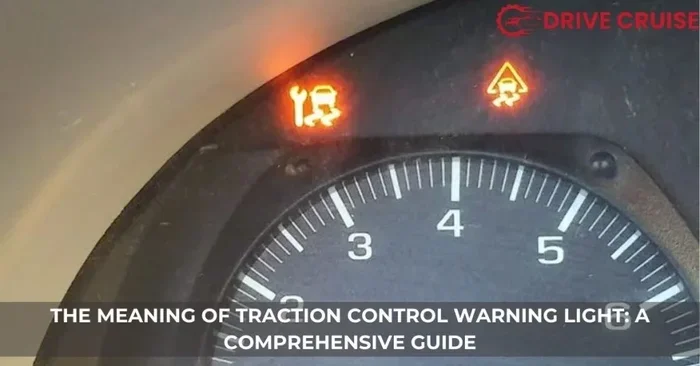
You are driving down the road, and suddenly a yellow or red warning light pops up on your dashboard. The symbol looks like a steering wheel with an exclamation mark or wavy lines beside it. If you have ever seen this, you are not alone. Many drivers face the steering assist light at some point, and it can be confusing and even a little scary.
So, what does it mean when the steering assist light comes on? Simply put, your car is telling you that something is wrong with the electronic power steering system. This system helps you turn the wheel smoothly without putting in a lot of effort. When it fails, steering can become very heavy and hard to control. That is why understanding this warning matters so much.
In this guide, we will walk you through everything you need to know. We will cover the most common causes, what you should do right away, how to fix it, and how to prevent it from happening again. Whether you drive a Chevy, Ford, Toyota, or any other vehicle, this article will help you understand your power steering warning light and keep you safe.
Key Takeaways
- Steering assist light explained: The light signals a problem with your electronic power steering system that needs attention.
- Common causes include: Low power steering fluid, faulty sensors, wiring issues, and steering rack problems.
- Driving safety risk: Ignoring this light can lead to sudden heavy steering, making your vehicle dangerous to drive.
- Quick fixes exist: Some causes are simple and inexpensive to repair, like topping off fluid or resetting the system.
- Professional help matters: Complex issues like a bad steering rack or control module need a certified mechanic.
- Prevention is possible: Regular maintenance and fluid checks can help avoid steering assist warnings altogether.
- Act quickly: The sooner you address the steering assist light, the safer you stay on the road.
📑 Table of Contents
- What Is the Steering Assist System?
- Why Does the Steering Assist Light Come On?
- What Should You Do When the Light Comes On?
- Common Steering Assist Light Problems by Vehicle Brand
- How to Prevent Steering Assist Problems
- Steering Assist Light: Common Mistakes Drivers Make
- Expert Insight: What Mechanics Wish You Knew
- Steering Assist Light vs. Other Steering Warning Lights
- Frequently Asked Questions
- Final Thoughts
What Is the Steering Assist System?
Before we dive into the causes and fixes, let us talk about what the steering assist system actually does. Most modern cars use electric power steering, or EPS, instead of the old hydraulic systems. The EPS system uses an electric motor to help you turn the steering wheel. This makes parking easier, gives you better fuel economy, and improves overall driving comfort.
The steering assist control module is the brain behind this system. It reads data from sensors on the steering column and adjusts the amount of help the motor gives you. For example, at low speeds, it gives you more assist so parking is easy. At high speeds, it reduces assist so the car feels stable and responsive.
How the System Works
Here is a simple breakdown of how the EPS steering system works:
- The steering angle sensor detects how much you are turning the wheel.
- The torque sensor measures the force you are applying to the steering column.
- The control module processes this data and tells the electric motor how much power to provide.
- The motor kicks in and helps you turn the wheel with less effort.
When any part of this chain breaks down, the car triggers the power steering warning light on your dashboard. That is your signal that something needs attention.
Why Does the Steering Assist Light Come On?
The steering assist light can turn on for many different reasons. Some are minor and easy to fix. Others are more serious and need professional help. Let us look at the most common causes.
1. Low Power Steering Fluid
Even though many newer cars use electric power steering, some vehicles still use hydraulic assist systems. If your car has a hydraulic power steering system, low fluid levels can trigger the warning light. The fluid helps transmit pressure that makes steering smooth. When the level drops too low, the system cannot work properly.
Check your power steering fluid reservoir under the hood. If it is low, top it off with the correct fluid type listed in your owner’s manual. After refilling, the light may turn off on its own.
2. Faulty Steering Angle Sensor
The steering angle sensor tells the control module how the wheels are positioned. If this sensor fails or gives incorrect readings, the system will shut down and the warning light will come on. This is one of the most common reasons drivers see the steering assist malfunction message.
A mechanic can use a diagnostic tool to check the sensor. In many cases, recalibrating or replacing the sensor solves the problem quickly.
3. Wiring or Electrical Issues
Your EPS system relies on wiring and connectors to send signals between the sensors, control module, and motor. Over time, these connections can corrode, loosen, or get damaged. Water intrusion, road debris, or simple wear and tear can all cause electrical problems.
If the wiring is the issue, you may notice the light flickering on and off before it stays on. A thorough inspection of the wiring harness and connectors is essential to find and fix the problem.
4. Failed Steering Assist Motor
The electric motor that provides steering assist can wear out over time, especially in high-mileage vehicles. When the motor fails completely, you will lose power steering assist entirely. The steering assist light will stay on, and the steering wheel will become very hard to turn, especially at low speeds or when parking.
Replacing the steering assist motor is a job best left to a professional. It involves removing parts of the steering column and working with the EPS module, which requires specialized tools and knowledge.
5. Bad Steering Rack or Gear
The steering rack is the mechanical part that actually turns your wheels. If the rack develops leaks, internal damage, or excessive play, the entire power steering system suffers. A damaged steering rack can trigger the warning light and cause symptoms like loose steering, whining noises, or fluid leaks underneath the car.
6. Software or Module Glitch
Sometimes the steering assist control module simply has a software glitch. This can happen after a battery disconnect, a jump start, or an electrical surge. The system may think there is a fault even when everything is physically fine.
In these cases, a simple steering assist reset or a module software update from a dealership or qualified mechanic usually fixes the problem.
7. Cold Weather and Temporary Issues
Some drivers notice the EPS light comes on in cold weather and then goes away once the car warms up. This can happen because the power steering fluid thickens in low temperatures, causing temporary pressure drops. While this is not always a sign of a serious problem, it is still worth getting checked out to rule out bigger issues.
What Should You Do When the Light Comes On?
Seeing the steering assist warning light can be unsettling, but knowing what to do in the moment makes a big difference. Here is a step-by-step guide to follow.
Step 1: Stay Calm and Assess the Situation
First, do not panic. Turn on your hazard lights and look for a safe place to pull over. Check if the steering wheel has become noticeably harder to turn. If steering is still normal, the issue may be minor. If the wheel is very stiff, reduce your speed carefully and find a safe spot to stop.
Step 2: Check for Other Warning Lights
Look at your dashboard for any other warning lights. If you see the check engine light, the battery light, or a temperature warning alongside the steering assist light, the problem may be more serious. Multiple warning lights often point to a larger electrical or system issue.
Step 3: Check Power Steering Fluid
If your vehicle uses hydraulic power steering, pop the hood and check the fluid level. Low fluid is an easy fix that does not always require a trip to the mechanic. Just make sure you use the right type of fluid for your car.
Step 4: Try a Steering Assist Reset
For some vehicles, a reset can clear the light. Turn the ignition off, wait about 30 seconds, and then turn it back on. If the steering assist light was caused by a temporary sensor glitch, this may do the trick. However, if the light comes back, you need to dig deeper.
Step 5: Get a Diagnostic Scan
If the light stays on, take your car to a mechanic or auto parts store that offers free diagnostic scanning. The scanner will read OBD2 trouble codes stored in the steering assist module. These codes tell the technician exactly what part of the system is failing. This saves time and money compared to guessing.
Step 6: Do Not Ignore It
Here is the most important advice: do not ignore the steering assist light. Driving with a malfunctioning power steering system is dangerous. A sudden loss of steering assist can happen without warning, especially at low speeds or in tight spaces like parking lots.
Common Steering Assist Light Problems by Vehicle Brand
Different car brands and models tend to have specific issues with their power steering systems. Here is a quick look at some common patterns:
- Chevrolet and GMC vehicles: GM trucks and SUVs are known for steering assist reduced messages, often caused by the EPS control module or wiring issues. Many owners report this on Silverado, Tahoe, and Equinox models.
- Ford vehicles: Ford cars with electric power steering sometimes experience motor failures, especially in older models. The power steering warning light often comes with a stiff steering wheel.
- Toyota and Honda vehicles: These brands generally have reliable steering systems, but the steering angle sensor can drift over time and trigger the light. Recalibration usually fixes it.
- BMW and Mercedes vehicles: Luxury cars with advanced variable steering assist systems may show the light due to sensor calibration issues or hydraulic fluid leaks in models that use a hybrid system.
Knowing your specific vehicle’s common issues can help you and your mechanic diagnose problems faster.
How to Prevent Steering Assist Problems
The best way to deal with the steering assist light is to prevent it from coming on in the first place. Here are some practical tips that really work.
1. Check Fluid Levels Regularly
Make it a habit to check your power steering fluid during routine oil changes or every few months. Topping off fluid before it gets too low can prevent system damage and warning lights.
2. Keep Up with Scheduled Maintenance
Follow your vehicle’s maintenance schedule for steering system inspections. A mechanic can spot worn parts, loose connections, and early signs of failure before they turn into expensive repairs.
3. Avoid Harsh Driving Conditions When Possible
Potholes, curbs, and rough roads put extra stress on your steering rack and suspension components. Try to avoid them when you can, and slow down before hitting any bumps or potholes.
4. Address Small Issues Early
If you notice any signs of steering problems, like slight stiffness, unusual noises, or a feeling that the steering is not as responsive as it used to be, get it checked right away. Catching small issues early saves you from bigger repairs and keeps you safe.
5. Protect Electrical Connections
Since the EPS system is electronic, keeping connectors clean and dry goes a long way. After washing your car or driving through deep water, check under the hood for any signs of moisture near the steering column wiring.
Steering Assist Light: Common Mistakes Drivers Make
When the steering assist light comes on, many drivers make mistakes that can make the problem worse or put them in danger. Here are the most common ones to avoid.
Mistake 1: Ignoring the Light
The biggest mistake is simply ignoring the warning and continuing to drive. The steering assist system is critical for safe vehicle control. If it fails while you are driving, especially at higher speeds or in heavy traffic, the results can be serious.
Mistake 2: Assuming It Is Just a Sensor Issue
While a bad sensor is a common cause, assuming it is always a sensor can lead you to the wrong fix. The real problem could be a failing motor, damaged wiring, or a deeper mechanical issue in the steering rack.
Mistake 3: Topping Off Fluid with the Wrong Type
If your car uses hydraulic power steering, using the wrong type of fluid can damage seals, contaminate the system, and cause even more problems. Always check your owner’s manual for the correct fluid specification.
Mistake 4: Trying to Drive to the Mechanic with Heavy Steering
If your steering wheel becomes extremely hard to turn, do not try to drive a long distance to the shop. Call a tow truck instead. Driving with no power assist is exhausting and extremely dangerous, especially in emergency situations.
Expert Insight: What Mechanics Wish You Knew
We talked to several certified mechanics about the steering assist light, and here is what they want every driver to know.
“The steering assist light is not something to gamble with,” says Mike R., a master technician with over 20 years of experience. “I have seen drivers ignore it for weeks, and then the steering locks up on them in the middle of an intersection. That is a terrifying and dangerous situation.”
“Most of the time, the fix is not expensive,” adds Sarah T., an ASE-certified auto repair specialist. “A sensor replacement or a simple recalibration can cost between $100 and $300. But if you wait and the motor burns out, you could be looking at $800 or more in repairs.”
These experts agree on one thing: the sooner you address the steering assist warning light, the better your chances of a simple, affordable fix.
Steering Assist Light vs. Other Steering Warning Lights
It is easy to confuse different steering-related warning lights on your dashboard. Here is a quick comparison to help you tell them apart.
| Warning Light | What It Means | Urgency Level |
|---|---|---|
| Steering Assist Light | Electronic power steering system has a fault | High – get it checked soon |
| Power Steering Fluid Warning | Hydraulic fluid level is low or pressure is low | High – check fluid immediately |
| Check Engine Light with Steering Code | Engine or emissions system issue affecting steering | Medium to High – scan for codes |
| Vehicle Stability Assist Light | Stability or traction control system is active or faulty | Medium – may affect handling in wet conditions |
| EPS Light Only | Electric power steering has a fault | High – steering may become stiff |
Each of these lights points to a different part of your steering and stability system. If you are unsure which light you are seeing, consult your vehicle’s owner manual or have a professional look at it.
Frequently Asked Questions
Can I keep driving if the steering assist light comes on?
You can drive a short distance if the steering still feels normal, but you should get the car inspected as soon as possible. If the steering becomes heavy or stiff, stop driving and call for a tow. Continuing to drive with a failed steering assist system is unsafe and can lead to loss of vehicle control.
How much does it cost to fix the steering assist light?
The cost depends on the cause. Simple fixes like topping off fluid or replacing a sensor can cost between $100 and $300. More complex repairs like replacing the steering assist motor or control module can range from $500 to $1,200 or more. Always get a diagnostic scan first so you know exactly what needs to be fixed.
Will the steering assist light reset itself?
Sometimes the light will turn off on its own if the issue was temporary, like a brief electrical glitch or low fluid that was topped off. However, if the underlying problem is not fixed, the light will usually come back. It is always best to address the root cause rather than just waiting for the light to reset.
Is the steering assist light the same as the power steering light?
They are related but not always the same. The power steering warning light can refer to either hydraulic or electric systems, while the steering assist light specifically refers to the electronic power assist feature. Both indicate a problem with your steering system and should be taken seriously.
Can cold weather cause the steering assist light to come on?
Yes, cold weather can temporarily trigger the EPS light in some vehicles. Thickened fluid or temporary sensor readings can cause the warning. However, if the light stays on after the car warms up, you should have the system inspected by a professional.
What should I do if the steering assist light comes on while highway driving?
If this happens on the highway, safely reduce your speed and pull over to the shoulder. Turn on your hazard lights. Do not make sudden steering movements, as the wheel may become harder to turn. Call for roadside assistance or a tow truck to get your vehicle to a repair shop.
Final Thoughts
The steering assist light is one of those dashboard warnings you should never take lightly. Your steering system is the primary way you control your vehicle, and any problem with it directly affects your safety and the safety of everyone around you.
The good news is that most causes of the steering assist warning light are fixable, especially when you catch them early. Whether it is a simple fluid top-off, a sensor recalibration, or a more involved repair, the key is to act quickly and get a proper diagnosis.
Remember to stay calm when the light appears, follow the steps we outlined, and do not hesitate to seek professional help when needed. Taking care of your power steering system not only keeps you safe but also extends the life of your vehicle and saves you money in the long run.
So the next time you see that steering assist light glow on your dashboard, you will know exactly what it means and what to do about it. Stay safe, stay informed, and keep your car in great shape.