Is It Really Okay to Drive With Traction Control Off
Is it okay to drive with traction control off? Yes, but only in specific situations. Turning off traction control can help you escape deep snow or mud, yet it increases the chance of wheel spin and loss of control on slippery roads. This guide covers when it’s safe, the risks, and how to drive safely with the system disabled.
Is it really okay to drive with traction control off? Many drivers ask this question when they see the warning light flash on the dashboard. The short answer is yes, but only in certain situations. Traction control is a safety feature designed to prevent wheel slip. When you turn it off, the system stops intervening. This can be helpful when you are stuck in snow or mud. However, driving without it on wet pavement can be risky. In this article, we will explain exactly when it is safe to disable the system. We will also cover the dangers, the right techniques, and simple tips to stay in control. You will learn how to use this feature wisely and avoid common mistakes.
Most modern cars come with traction control as standard. It works closely with the anti-lock braking system, or ABS. Together, these systems help you maintain grip. Yet there are times when you might want to turn the system off. Maybe you are trying to free a stuck vehicle. Perhaps you are driving on a loose gravel road. Or you might be a performance driver on a track. Whatever the reason, understanding what happens when you turn it off is crucial. This guide will give you that knowledge in clear, simple terms.
You should never ignore the traction control light. If it stays on, something may be wrong with the system. But if you choose to turn it off yourself, you need to know the consequences. This article breaks down everything you need to know. We will look at how the system works, when to disable it, and how to drive safely without it. By the end, you will feel confident about your decision.
Key Takeaways
- It’s safe to drive with traction control off only in low-grip conditions like deep snow, mud, or sand.
- Keep traction control on for normal road driving, rain, and icy highways to prevent accidents.
- Turning off the system allows wheels to spin, which can help you get unstuck but reduces stability.
- Know your vehicle’s drivetrain—rear-wheel drive cars benefit more from disabling traction control in off-road scenarios.
- Always re-enable traction control once you’re out of the tricky terrain to restore full safety features.
- Driving with traction control off requires gentle throttle and steering inputs to avoid skidding.
- Consult your owner’s manual for the proper way to turn the system on and off.
📑 Table of Contents
- What Does Traction Control Do?
- When Is It Okay to Drive With Traction Control Off?
- The Risks of Driving With Traction Control Off
- How to Safely Disable Traction Control
- Traction Control vs. Stability Control: What’s the Difference?
- Expert Tips for Driving Without Traction Control
- When Should You Never Turn Off Traction Control?
- Conclusion
What Does Traction Control Do?
Before we talk about turning it off, let us understand what traction control does. The system uses wheel speed sensors to monitor each wheel. If one wheel starts to spin faster than the others, the system steps in. It reduces engine power or applies the brakes to that wheel. This action helps the car regain grip. It is especially useful on wet roads, icy patches, or loose surfaces. The system works silently in the background most of the time.
How the System Works
The traction control system, also called TCS, relies on the same sensors as ABS. When a wheel begins to slip, the control unit receives a signal. It then limits torque to the spinning wheel. This can happen by reducing fuel injection or retarding ignition timing. In some cars, it also applies the brake to the slipping wheel. The goal is to keep all wheels moving at similar speeds. This helps the car accelerate smoothly and stay on course.
When the System Activates
You will notice the system activates when you press the gas hard on a low-grip surface. For example, if you floor the accelerator on a wet road, the wheels may spin. Traction control will cut power to stop the spin. It might also give you a pulsing feeling in the pedal. That is normal. The system is doing its job. It prevents the car from sliding sideways. You might also see the traction control warning light flash briefly. Once the wheels grip again, the light goes off.
When Is It Okay to Drive With Traction Control Off?
There are real situations where you might want to turn off traction control. Knowing when to do so can save you from getting stuck. It can also help in low-speed off-road scenarios. But you must understand the limits of this action. Here are the main times when it is okay to disable the system.
Getting Unstuck in Snow or Mud
If your car is buried in deep snow, traction control can actually work against you. The system will brake the spinning wheels, which stops them from digging in. By turning it off, the wheels can spin freely. This spinning motion can help you push through snow or mud. The same applies when you are stuck in sand or soft dirt. Letting the wheels spin at a low speed can create a cushion that helps you move. This is a common technique used in off-road driving.
Driving on Loose Gravel or Dirt Roads
On loose gravel or dirt, traction control can feel overly aggressive. It may cut power just as you need momentum to climb a hill. In these cases, turning off the system allows for more wheel spin. This can help you maintain forward progress. However, you must be very gentle with the throttle. Too much spin will just dig you deeper. The key is to use a light touch and keep the car moving steadily.
Performance Driving on a Track
Some drivers turn off traction control when they are on a racetrack or doing performance driving. On a closed course, spinning the wheels can help launch the car faster. It also allows for controlled oversteer in rear-wheel drive vehicles. However, this is only safe on a track with no other cars or obstacles. Never attempt this on public roads. The risks are far too high.
Off-Rock Crawling
When rock crawling, you need precise wheel control. Traction control can interfere with your ability to spin one wheel to clear an obstacle. In such cases, turning it off gives you more command over the vehicle. This is common in low-range 4WD situations. Always remember to re-enable the system once you are back on pavement.
The Risks of Driving With Traction Control Off
Turning off the system removes a major safety net. You must understand what you are giving up. The risks are real, especially on modern roads. Here is what can go wrong when you drive with traction control off.
Loss of Vehicle Stability
Without traction control, the car relies entirely on your driving inputs. If you hit a patch of ice or oil, the wheels can spin freely. This can cause the rear end to swing out. You may experience a loss of control that the system would have prevented. In a front-wheel drive car, the front wheels may just spin and push you straight into a ditch. In a rear-wheel drive car, the rear can step out quickly. The car can become very hard to correct.
Increased Stopping Distance
Traction control works with the ABS to help you stop safely. When it is off, the ABS still works, but the traction control cannot assist with braking on slippery surfaces. The car may take longer to stop on wet or icy roads. You might also experience wheel lock-up under hard braking if ABS is not working properly. Always keep the system on for everyday driving.
Hydroplaning and Aquaplaning Dangers
Hydroplaning happens when a layer of water builds between the tires and the road. Traction control can help detect wheel slip and reduce power before you fully lose contact. Without it, the car can slide unpredictably. You may not feel the wheels spin, but you have lost all grip. This is extremely dangerous at any speed. Driving with traction control off in heavy rain is a bad idea.
| Situation | Traction Control On | Traction Control Off |
|---|---|---|
| Wet Highway | Prevents wheel spin, maintains stability | Wheels can spin freely, risk of sliding |
| Deep Snow | May cut power and keep you stuck | Allows wheel spin to help you move |
| Mud or Sand | Can brake spinning wheels, causing sinkage | Spinning wheels create momentum to escape |
| Ice Patch | System intervenes to reduce slip | No intervention, high risk of skid |
| Dry Road | No benefit, system rarely activates | No benefit, no risk but no reason to turn off |
How to Safely Disable Traction Control
If you decide to turn the system off, you need to do it correctly. Every car is slightly different, but the process is usually simple. Here is how to do it safely.
Step-by-Step Process
- Find the traction control button. It is often on the steering wheel or the center console.
- Press and hold the button for a few seconds.
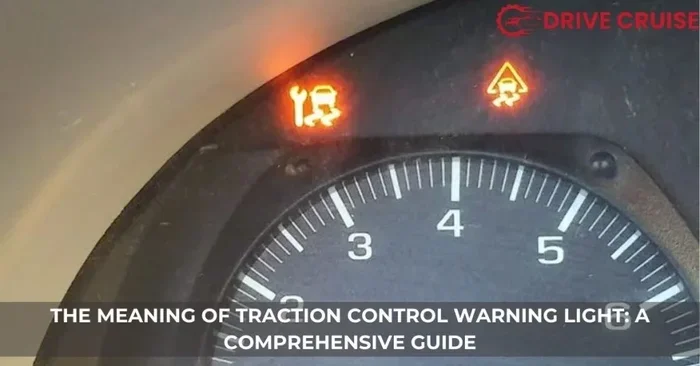
- Watch the dashboard for the traction control warning light. It will usually stay on solid or flash.
- The system is now off. You may see a message that says “Traction Control Off” or “StabiliTrak Off” depending on your vehicle.
- Drive carefully and only in the conditions that warrant disabling the system.
Understanding the Dashboard Lights
The traction control warning light looks like a car with squiggly lines behind it. If the light stays on constantly, it could mean the system has a fault. If it flashes when you press the button, the system is successfully disabled. Some cars have a stability control button that turns off both traction control and electronic stability control. Read your owner’s manual to know exactly what each light means. Never ignore a persistent warning light.
Traction Control vs. Stability Control: What’s the Difference?
Many people confuse traction control with stability control. They are related but not the same. Understanding the difference helps you make better decisions about when to turn them off.
How They Work Together
Traction control focuses on preventing wheel spin during acceleration. Stability control, also called ESC, goes further. It helps you keep the car on its intended path during turns and slides. Stability control uses the same sensors as traction control. It can brake individual wheels and reduce engine power to correct a skid. When you turn off traction control, stability control may still remain active in some vehicles. Check your manual to be sure.
When Both Are Off
Some cars allow you to turn off both systems together. This is common in performance vehicles and some off-road modes. When both are off, you have full manual control over the engine and brakes. This is for experienced drivers only. On public roads, there is almost no reason to turn both off. The safety benefits of these systems save thousands of lives every year.
Expert Tips for Driving Without Traction Control
If you must drive with traction control off, you need to change your driving style. Smooth and gentle inputs are the key. Here are some expert tips to help you stay safe.
Use a Light Touch on the Throttle
When the system is off, any sudden burst of power can cause the wheels to spin. Apply the gas very gently. If you feel the wheels start to spin, ease off immediately. Think of the pedal as if it were made of eggshells. A light, gradual press will keep the tires gripping the road longer.
Steer Smoothly and Look Ahead
jerky steering inputs can unsettle the car when you have no traction control. Turn the wheel slowly and deliberately. Look far ahead to anticipate turns and obstacles. This gives you more time to adjust your speed and direction. If the car starts to slide, steer into the direction of the slide. This is a basic skid correction technique that everyone should know.
Adjust Your Speed for the Surface
Different road surfaces demand different speeds. On loose gravel, slow down before you hit the patch. On wet pavement, reduce your speed well before a turn. In snow, drive at a crawl and avoid any sudden moves. The faster you go, the less time you have to correct a mistake. Lower speeds give you more control when the system is off.
Common Mistakes to Avoid
- Leaving traction control off for the entire trip. Only turn it off when you really need to. Re-enable it as soon as conditions improve.
- Pumping the brakes aggressively. Even with ABS, hard braking on ice can cause a loss of control. Brake gently and steadily.
- Overconfidence in your skills. Traction control is a safety net. Do not assume your driving ability can replace it.
- Ignoring weather conditions. If rain starts or temperatures drop, turn the system back on immediately.
- Forgetting to turn it back on. Some drivers disable the system and forget. Check the dashboard light before you start driving.
Quick Tips for Everyday Driving
- Keep traction control on for daily commutes and highway driving.
- Only turn it off when you are stationary or moving very slowly in a stuck situation.
- Practice in a safe, empty parking lot on a wet surface to feel how the car behaves without the system.
- Always re-enable the system before merging onto a busy road or entering a highway.
- If your car has a dirt or snow mode, use that instead of turning off traction control entirely.
When Should You Never Turn Off Traction Control?
There are clear situations where you should always leave the system on. Knowing these will keep you safe on the road.
Never turn off traction control when you are driving on wet highways. The risk of hydroplaning is too high. Avoid disabling it on icy or frozen roads. Even if you have winter tires, the system helps maintain control. Do not turn it off in heavy rain or fog. Visibility is low, and you need every safety aid. If you are driving a loaded vehicle or towing a trailer, keep the system on. The extra weight changes how the car handles, and traction control helps compensate. Finally, if you are a new or inexperienced driver, always leave the system on. It is there to help you learn and stay safe.
Conclusion
Driving with traction control off is a tool, not a default setting. Use it only when you truly need it, such as when you are stuck in snow or mud. For the vast majority of driving, keep the system on. It provides a vital layer of protection that you do not want to ignore. Understanding when and how to disable it gives you more confidence and control. Always remember to re-enable it once the situation is over. Follow the tips in this guide, and you will stay safe on any road. The key is to respect the system and use it wisely.
Frequently Asked Questions
Can I drive with traction control off in the rain?
No, it is not safe. Rain creates a slippery surface, and traction control helps prevent wheel spin and sliding. Driving without it in the rain greatly increases your risk of losing control. Always keep the system on in wet conditions.
What happens if I accidentally drive with traction control off?
If you accidentally drive with it off, stay calm and drive gently. Avoid sudden acceleration or hard braking. Re-enable the system as soon as you safely can. The car will feel less stable, so give yourself extra space and time to react.
Does turning off traction control save fuel?
No, it does not save fuel in any meaningful way. The system only intervenes when wheels slip. It does not affect normal driving fuel consumption. Keep it on for safety.
Can I turn off traction control while driving?
Yes, you can press the button while driving. However, you should only do so when conditions require it, like deep snow or mud. The change is instant, and the car will immediately lose that safety intervention.
Is it okay to drive with traction control off on the highway?
No, never drive with traction control off on a highway. High speeds and changing road conditions demand all the stability you can get. Keep the system on at all times on high-speed roads.
Will my car pass inspection with the traction control light on?
A persistent traction control light may cause a vehicle to fail inspection. It indicates a fault in the system. Have the car checked by a mechanic. Driving with the system disabled due to a fault is unsafe.