How Much Is a Monthly Car Payment Here Is the Breakdown
A monthly car payment depends on several key factors, including your loan amount, interest rate, and loan term. On average, Americans pay between $550 and $700 per month for a new car, while used car payments run lower. Understanding how each piece of the puzzle fits together helps you budget confidently and avoid common financing traps.
Key Takeaways
- Average new car payment: Around $700 per month in recent years, driven by rising vehicle prices and longer loan terms.
- Average used car payment: Typically $500 to $550 per month, making it a more affordable option for many buyers.
- Your credit score matters: A higher credit score can save you hundreds per month through lower interest rates.
- Loan term affects cost: Longer terms lower your monthly car payment but increase the total interest you pay.
- Down payment reduces risk: Putting more money down upfront lowers your monthly car payment and prevents negative equity.
- Hidden costs add up: Insurance, taxes, and fees can significantly increase your total monthly car ownership cost.
📑 Table of Contents
- How Much Is a Monthly Car Payment? Here Is the Breakdown
- What Makes Up a Monthly Car Payment?
- Average Monthly Car Payment by Vehicle Type
- Factors That Affect Your Monthly Car Payment
- How to Lower Your Monthly Car Payment
- Hidden Costs That Inflate Your Total Car Expense
- Common Mistakes That Increase Your Monthly Car Payment
- Quick Tips to Get the Best Deal on Your Car Loan
- Expert Insights on Managing Your Car Loan
- Conclusion
How Much Is a Monthly Car Payment? Here Is the Breakdown
So you are thinking about buying a car. Maybe you have been dreaming about a new SUV or maybe a reliable used sedan. Either way, one question keeps popping up: how much is a monthly car payment? It is a question that almost every car buyer asks, and for good reason. Your monthly car payment affects your budget for years to come.
The truth is, there is no single answer. A monthly car payment can range from a few hundred dollars to over a thousand. What you pay depends on the vehicle price, your down payment, your interest rate, and the length of your loan. In this article, we break down everything you need to know. You will learn what goes into a car payment, what the averages look like, and how to lower your monthly cost without sacrificing what you need.
Whether you are a first-time buyer or refinancing an existing loan, this guide gives you the tools to make a smart decision. Let us dive in.
What Makes Up a Monthly Car Payment?
Many people think a car payment is just the price of the car divided by months. That is not even close to the full picture. Your monthly car payment is made up of several parts. Understanding each piece helps you see where your money goes.
The Principal Amount
The principal is the amount you borrow. If you buy a car for $30,000 and put down $3,000, your principal is $27,000. This is the core of your loan. Each month, part of your payment goes toward paying down this balance. Early in the loan, most of your payment goes toward interest, not principal. That is why it can feel like you are not making progress at first.
The Interest Rate
Interest is what the lender charges you for borrowing money. It is expressed as an annual percentage rate, or APR. Your credit score plays a huge role here. Buyers with excellent credit often qualify for rates below 5%. Those with lower scores may face rates above 10%. Even a small difference in rate can add up to hundreds or thousands of dollars over the life of the loan.
Loan Term Length
The loan term is how long you agree to make payments. Common terms are 36 months, 60 months, 72 months, and even 84 months. A shorter term means higher monthly payments but less total interest. A longer term means a lower monthly car payment but more interest paid over time. It is a trade-off that every buyer must consider carefully.
Taxes and Fees
Do not forget about taxes and fees. Most states charge sales tax on vehicle purchases. Some dealers also charge documentation fees, registration fees, and other add-ons. These costs get rolled into your loan, which increases your monthly car payment. Always ask for a full breakdown of all fees before signing anything.
Average Monthly Car Payment by Vehicle Type
Numbers help put things in perspective. Let us look at what the average buyer pays today. These figures come from recent industry data and give you a realistic picture of what to expect.
New Car Payments
The average new car payment in the United States currently sits around $700 to $750 per month. That number has been climbing steadily over the past few years. Rising vehicle prices, higher interest rates, and longer loan terms all contribute to this trend. New cars cost more upfront, and many buyers stretch their loans to 72 or even 84 months to keep payments manageable.
Used Car Payments
Used car payments tend to be more affordable. The average used car payment runs about $500 to $550 per month. Used vehicles cost less to purchase, which means a smaller loan. However, used car interest rates can sometimes be higher than new car rates, depending on the lender and your credit profile. Always compare offers from multiple lenders before committing.
Luxury Vehicle Payments
Luxury and premium vehicles carry a much higher price tag. Monthly payments for luxury cars can easily exceed $1,000 or even $1,500. These vehicles often come with higher interest rates too, since lenders view them as riskier investments. If you are considering a luxury vehicle, budgeting carefully is essential.
Factors That Affect Your Monthly Car Payment
Not everyone pays the same amount for the same car. Several factors influence your final monthly car payment. Knowing these factors gives you more control over your financing.
Your Credit Score
Your credit score is one of the biggest factors. Lenders use it to assess risk. A higher score means better rates. Here is a rough breakdown:
- Excellent credit (750+): You qualify for the lowest rates available.
- Good credit (700-749): You get competitive rates with good options.
- Fair credit (600-699): Rates are higher, and loan options may be limited.
- Poor credit (below 600): You may face high rates and stricter loan terms.
Even improving your score by a few points before applying can save you real money over the life of the loan.
Your Down Payment
A larger down payment reduces the amount you need to borrow. That directly lowers your monthly car payment. Many financial experts recommend putting down at least 20% of the vehicle price. A solid down payment also helps you avoid being upside down on the loan, which means owing more than the car is worth.
Vehicle Price and Negotiation
The price you pay for the vehicle sets the foundation for your entire loan. Negotiating a lower price reduces the principal, which lowers your payment. Do not be afraid to haggle. Dealers often have wiggle room on pricing, especially at the end of a month or quarter when they are trying to hit sales targets.
Trade-In Value
If you have a vehicle to trade in, its value reduces the amount you need to finance. A strong trade-in can lower your monthly car payment significantly. Make sure you get your trade-in valued independently before visiting the dealer. Websites and local dealers can give you a fair market estimate.
Loan Term Length
Longer loan terms spread payments out over more months, which reduces the monthly amount. But here is the catch: you pay more in total interest. A 60-month loan costs less overall than an 84-month loan for the same vehicle. Always calculate the total cost, not just the monthly number.
How to Lower Your Monthly Car Payment
Want to reduce your car payment per month? There are several strategies that work. Here are practical tips that real buyers use to save money.
Increase Your Down Payment
This is the most effective way to lower your payment. Every extra dollar you put down reduces the principal. Even adding $1,000 or $2,000 more than planned can make a noticeable difference. Save up as much as you comfortably can before visiting the dealer.
Shop Around for the Best Interest Rate
Do not just accept the first financing offer the dealer gives you. Get pre-approved from your bank or credit union before you shop. This gives you a benchmark rate to compare against. Online lenders and credit unions often offer better rates than dealership financing. Even a half-percent lower rate can save you hundreds over the loan term.
Choose a Shorter Loan Term
A 48-month or 60-month loan will always cost less in interest than a 72-month or 84-month loan. The monthly payment will be higher, but the total savings can be substantial. Think of it this way: paying more now saves you money later.
Buy a Less Expensive Vehicle
This might sound obvious, but it works. Choosing a more affordable vehicle directly reduces the loan amount. You do not need the most expensive model. Focus on what you actually need rather than what you want. A reliable mid-range vehicle often serves just as well as a luxury model.
Consider a Longer Gap Between Trades
Keeping your car longer means you build equity. When it is time for your next vehicle, you can put more money down or even pay cash for a cheaper used car. This cycle keeps your monthly car payment low over your lifetime as a car buyer.
Refinance Your Existing Loan
If you already have a car loan, refinancing can lower your payment. Interest rates change constantly, and your credit score may have improved since you first financed. Refinancing to a lower rate or a longer term can reduce your monthly car payment right away.
Hidden Costs That Inflate Your Total Car Expense
Your monthly car payment is not the only cost of owning a vehicle. Many buyers focus so much on the payment that they forget about everything else. These hidden costs can surprise you if you are not prepared.
Car Insurance
Insurance is a mandatory expense in most states. The cost varies widely based on your age, driving record, location, and the type of vehicle. A sporty new car will cost more to insure than a practical sedan. Factor insurance into your budget before you decide on a vehicle.
Fuel Costs
Gas prices fluctuate, but fuel is a recurring monthly expense. A vehicle with poor fuel economy can cost you an extra $100 or more per month compared to an efficient model. Consider your daily commute and driving habits when choosing a car.
Maintenance and Repairs
All vehicles need maintenance. Oil changes, tire rotations, brake pads, and unexpected repairs all add up. New cars have lower maintenance costs in the early years, but even they need regular service. Set aside money each month for these expenses.
Depreciation
Cars lose value over time. This is called depreciation. Most vehicles lose 15% to 25% of their value in the first year alone. While depreciation does not directly affect your monthly car payment, it matters when you want to sell or trade in the vehicle. Understanding depreciation helps you make smarter buying decisions.
Common Mistakes That Increase Your Monthly Car Payment
Avoiding mistakes saves you money. Here are the most common errors buyers make when financing a vehicle.
Focusing Only on the Monthly Payment
Dealers sometimes encourage buyers to focus on the monthly number rather than the total cost. They may stretch the loan term or hide fees to make the payment look lower. Always look at the total amount you will pay over the life of the loan. A low monthly payment with a long term can cost you far more in the end.
Skipping the Pre-Approval Step
Walking into a dealer without pre-approval puts you at a disadvantage. You have no benchmark rate to compare against. The dealer may offer you financing with a high interest rate, and you might not even realize it. Get pre-approved from at least two lenders before you shop.
Neglecting Your Credit Score
Your credit score directly impacts your interest rate. If your score is low, take time to improve it before applying for a loan. Pay down debts, fix errors on your credit report, and avoid opening new accounts. A better score can save you thousands of dollars over the life of the loan.
Rolling Negative Equity Into a New Loan
If your current car is worth less than what you owe, rolling that negative equity into a new loan is tempting. Do not do it. This increases your principal and your monthly car payment. It also puts you deeper into debt. Wait until you have equity before trading in or selling.
Adding Unnecessary Add-Ons
Dealers love to sell add-ons: extended warranties, paint protection, gap insurance, and accessories. While some add-ons have value, many are overpriced. They get rolled into your loan and inflate your monthly car payment. Evaluate each add-on carefully and negotiate hard on the price.
Quick Tips to Get the Best Deal on Your Car Loan
- Get pre-approved before you visit the dealer. This gives you negotiating power and a clear budget.
- Keep your loan term at 60 months or less. Longer terms feel affordable now but cost much more later.
- Negotiate the vehicle price first. Then discuss financing. These are two separate transactions.
- Read every line of the contract. Watch for hidden fees, added warranties, and incorrect numbers.
- Make extra payments when possible. Even small extra payments reduce principal and save on interest.
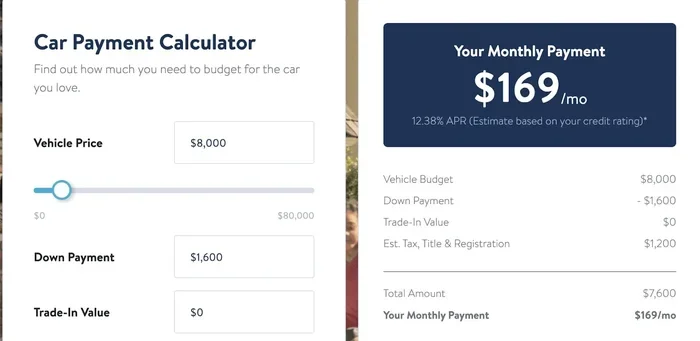
- Use a car payment calculator online. It helps you see how different loan terms and rates affect your payment.
Expert Insights on Managing Your Car Loan
Financial advisors consistently recommend that your monthly car payment should not exceed 10% to 15% of your take-home pay. This guideline helps you maintain a healthy budget while still affording reliable transportation. Going beyond that threshold can strain your finances and limit your ability to save or invest.
Experts also emphasize the importance of understanding the total cost of ownership. A car is not just a monthly payment. It includes insurance, fuel, maintenance, registration, and depreciation. When you account for all of these costs, the true expense of vehicle ownership becomes much clearer. Planning for the full picture prevents financial surprises down the road.
Another expert tip is to avoid financing a car for longer than you plan to keep it. If you intend to own the vehicle for five years, do not take out a seven-year loan. You will likely still owe money when you want to sell or trade in. Aligning your loan term with your ownership timeline is one of the smartest moves you can make.
Conclusion
So, how much is a monthly car payment? The answer depends on many factors, but now you have a clear picture. The average new car payment sits around $700 per month, while used car payments average closer to $500. Your actual payment will be shaped by your credit score, down payment, loan term, vehicle price, and interest rate.
The good news is that you have control over most of these factors. You can improve your credit score, save for a larger down payment, shop around for better rates, and negotiate a fair vehicle price. Every decision you make before signing the contract has a direct impact on your monthly car payment for years to come.
Use the tips and strategies in this guide to approach your next car purchase with confidence. Do not let dealer pressure or confusing financing terms push you into a deal that does not work for your budget. Take your time, do the math, and make a choice that fits your financial goals. A smart car payment today sets you up for a healthier financial future tomorrow.
Frequently Asked Questions
What is a typical monthly car payment for a new car?
The average monthly car payment for a new car in the United States is around $700 to $750. This figure varies based on the vehicle price, your down payment, your interest rate, and the loan term. Newer data may show slight fluctuations depending on market conditions and interest rate trends.
How can I lower my monthly car payment?
You can lower your monthly car payment by increasing your down payment, choosing a shorter loan term, refinancing to a lower interest rate, or buying a less expensive vehicle. Each of these strategies reduces either the principal or the interest you pay. Even small adjustments can lead to meaningful savings over time.
Does my credit score really affect my car payment?
Yes, your credit score has a significant impact on your car payment. A higher credit score qualifies you for lower interest rates, which directly reduces your monthly car payment. Buyers with excellent credit often pay hundreds less per month than those with lower scores. It is worth checking your credit report and improving your score before applying for a loan.
What is a good interest rate for a car loan?
A good interest rate for a car loan is generally below 5% for new vehicles and below 7% for used vehicles. Your exact rate depends on your credit score, loan term, and the lender. Getting pre-approved from multiple lenders helps you compare rates and find the best deal for your situation.
How long should my car loan be?
Financial experts recommend keeping your car loan at 60 months or less. Longer loan terms like 72 or 84 months lower your monthly car payment but increase the total interest you pay. A shorter loan term saves you money overall and helps you build equity in the vehicle faster.
What is gap insurance and do I need it?
Gap insurance covers the difference between what you owe on your loan and what the vehicle is actually worth. It is helpful if your car is totaled or stolen early in the loan. You may need gap insurance if you put a small down payment or have a long loan term. Check with your insurance provider to see if it is available and affordable for your situation.
=== META DESCRIPTION ===
Curious about your monthly car payment? Learn what affects the cost, average amounts, and smart tips to lower your car payment each month.
=== QUICK SUMMARY ===
A monthly car payment depends on several key factors, including your loan amount, interest rate, and loan term. On average, Americans pay between $550 and $700 per month for a new car, while used car payments run lower. Understanding how each piece of the puzzle fits together helps you budget confidently and avoid common financing traps.
=== KEY TAKEAWAYS ===
Key Takeaways
- Average new car payment: Around $700 per month in recent years, driven by rising vehicle prices and longer loan terms.
- Average used car payment: Typically $500 to $550 per month, making it a more affordable option for many buyers.
- Your credit score matters: A higher credit score can save you hundreds per month through lower interest rates.
- Loan term affects cost: Longer terms lower your monthly car payment but increase the total interest you pay.
- Down payment reduces risk: Putting more money down upfront lowers your monthly car payment and prevents negative equity.
- Hidden costs add up: Insurance, taxes, and fees can significantly increase your total monthly car ownership cost.