Can a Timing Chain Last 300 Thousand Miles or More
A timing chain can last 300 thousand miles or more with proper care, but it depends on several key factors like driving habits, oil quality, and engine design. Most modern timing chains are built to endure high mileage, yet many drivers still face premature failure due to neglect. Understanding what wears down a timing chain helps you avoid costly engine repairs and keep your vehicle running strong for the long haul.
Can a timing chain last 300 thousand miles or more? The short answer is yes. A well-maintained timing chain can absolutely reach 300K miles and sometimes even go further. But the longer answer involves understanding how timing chains work, what causes them to wear, and how you can take simple steps to protect your engine. Many car owners assume a timing chain is a set-it-and-forget-it part. That assumption can cost thousands in engine repairs if you are not careful.
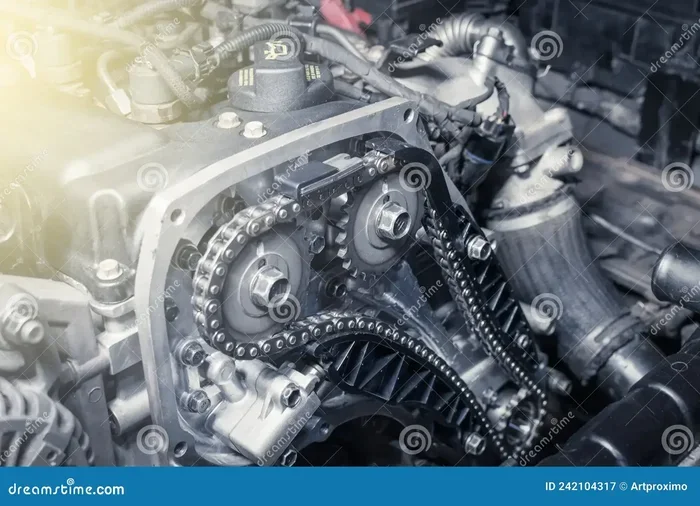
Timing chains are the unsung heroes of your engine. They connect the crankshaft to the camshaft and keep your engine valves opening and closing at exactly the right time. When a timing chain works properly, your engine runs smoothly and efficiently. When it fails, the results can be devastating. This article breaks down everything you need to know about timing chain lifespan, warning signs, and how to get the most miles out of your chain.
Key Takeaways
- Timing chains can reach 300K miles: With proper maintenance, many timing chains last well beyond 300 thousand miles.
- Oil quality matters hugely: Dirty or low-quality oil is the number one killer of timing chains and tensioners.
- Warning signs are easy to spot: Rattling, rough idle, and check engine lights often point to timing chain wear.
- Timing chain vs. timing belt: Chains generally outlast belts, but both need periodic inspection.
- Replacement is expensive but necessary: Ignoring a worn chain can lead to catastrophic engine failure.
- Driving habits affect longevity: Short trips and stop-and-go traffic wear chains faster than highway driving.
- Regular maintenance is your best defense: Timely oil changes and inspections go a long way toward maximizing chain life.
📑 Table of Contents
- How Long Does a Timing Chain Actually Last?
- Factors That Affect Timing Chain Lifespan
- Warning Signs Your Timing Chain Is Wearing Out
- Timing Chain vs. Timing Belt: What’s the Difference?
- Can You Make a Timing Chain Last 300 Thousand Miles?
- When Should You Replace a Timing Chain?
- Expert Insights on Timing Chain Longevity
- Key Takeaways
- Conclusion
How Long Does a Timing Chain Actually Last?
The lifespan of a timing chain varies widely depending on the vehicle, driving conditions, and maintenance history. Most manufacturers design timing chains to last between 200,000 and 300,000 miles under normal conditions. Some engines with well-maintained chains have been known to push past 300 thousand miles without any issues at all.
However, “normal conditions” is a broad term. What counts as normal? Highway driving at steady speeds with regular oil changes is very different from stop-and-go city driving with skipped oil changes. The difference can mean the gap between a chain that lasts 250K miles and one that fails at 80K miles.
Manufacturer Estimates vs. Real-World Performance
Automakers often list timing chains as “lifetime” components. This does not mean they literally last forever. It means the chain should last the expected life of the engine under ideal conditions. In the real world, many factors shorten that timeline. Oil sludge buildup, worn tensioners, and stretched chains are all common culprits. The best approach is to treat your timing chain like any other wear item and monitor it as your vehicle racks up high mileage.
Some common vehicles known for long-lasting chains include Toyota and Honda engines, which are often praised for reliability. On the other hand, certain V6 and V8 engines from the 2000s and 2010s have well-documented timing chain issues. Always research your specific engine model to understand its known reliability profile.
Factors That Affect Timing Chain Lifespan
Not all timing chains age the same way. Several key factors determine how many miles your chain will actually last. Understanding these factors puts you in control of your engine’s health.
Oil Quality and Change Intervals
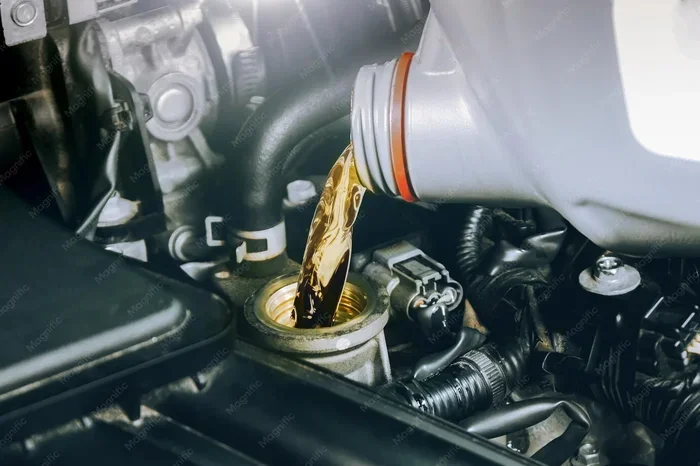
This is the single biggest factor in timing chain longevity. Your timing chain operates inside the engine, bathed in oil. Clean oil lubricates the chain, the tensioner, and the guides. Dirty or degraded oil creates friction, heat, and sludge. Over time, sludge builds up around the chain and accelerates wear on every moving part.
Following your manufacturer’s recommended oil change interval is critical. For most modern vehicles, this means an oil change every 5,000 to 7,500 miles. If you drive in severe conditions, such as extreme heat, heavy towing, or frequent short trips, you should change your oil more often. Using the correct oil viscosity and quality also makes a big difference. Full synthetic oil generally provides better protection for timing chain components than conventional oil.
Driving Habits and Conditions
How you drive directly impacts your timing chain’s lifespan. Highway cruising at steady speeds is the easiest on an engine and its timing components. City driving with lots of idling, hard acceleration, and frequent stops puts more stress on the entire engine, including the timing chain.
Short trips are especially hard on timing chains. When you only drive a few miles, the engine never fully reaches operating temperature. Moisture and fuel contaminants build up in the oil, leading to sludge formation. Over time, this sludge coats the timing chain and accelerates wear. If your daily commute is short, consider extending your oil change intervals or using a high-quality synthetic oil.
Engine Design and Build Quality
Some engines are simply better designed than others. Engines with timing chains located inside the oil pan tend to have better lubrication and longer chain life. Engines with external or poorly designed chain systems may experience faster wear. The number of cylinders, the type of variable valve timing system, and the overall engine architecture all play a role.
Interference engines are another important consideration. In an interference engine, the pistons and valves share the same space in the cylinder at different times. If the timing chain fails, the pistons can collide with the valves, causing severe internal damage. Non-interference engines have more clearance, so a broken chain typically does not cause the same level of destruction. Still, a failed chain will leave you stranded and requires immediate repair.
Timing Chain Tensioner and Guide Wear
The timing chain does not work alone. It relies on a tensioner to keep it tight and guides to keep it on track. These components wear out over time, often before the chain itself fails. A weak tensioner allows the chain to slacken, which causes it to skip teeth on the sprockets. Worn guides create excessive chain movement and noise. Replacing the tensioner and guides during a timing chain service can significantly extend the overall engine life.
Warning Signs Your Timing Chain Is Wearing Out
Catching timing chain problems early can save you from a complete engine rebuild. Here are the most common symptoms of a worn timing chain:
- Rattling noise on startup: A metallic rattling or clattering sound when you first start the engine is one of the earliest signs. This noise often goes away after the engine warms up and oil pressure builds, but it should never be ignored.
- Rough idle or misfires: A stretched or loose timing chain can cause the camshaft to lose sync with the crankshaft. This leads to rough idling, hesitation during acceleration, or misfires.
- Check engine light: Modern vehicles use sensors to monitor camshaft and crankshaft position. When the timing chain stretches enough to affect valve timing, the engine control module triggers the check engine light. Common diagnostic trouble codes include P0008, P0016, and P0017.
- Metal shavings in oil: During an oil change, your mechanic may spot tiny metal particles in the used oil. These shavings often come from the timing chain, guides, or tensioner wearing against metal surfaces.
- Engine performance decline: Reduced power, poor fuel economy, and difficulty starting the engine can all point to timing chain issues. When valve timing is off, the engine cannot breathe properly.
If you notice any of these symptoms, get your vehicle inspected as soon as possible. A timing chain inspection typically involves a visual check, oil analysis, and sometimes a diagnostic scan. Catching the problem early often means a repair instead of a full engine replacement.
Timing Chain vs. Timing Belt: What’s the Difference?
Many car owners confuse timing chains with timing belts. While both serve the same fundamental purpose, they differ in material, location, and lifespan. Understanding the difference helps you make informed decisions about your vehicle’s maintenance.
Material and Durability
A timing chain is made of metal links, similar to a bicycle chain but much smaller and more precise. A timing belt is made of reinforced rubber with teeth on the inside. Metal chains are generally more durable than rubber belts. They resist heat better and do not degrade from oil exposure the way a rubber belt can. This is one reason why many people ask, can a timing chain last 300 thousand miles or more, while a timing belt typically needs replacement at 60,000 to 100,000 miles.
Location and Accessibility
Timing chains are usually located inside the engine, submerged in oil. This keeps them lubricated but makes them harder to access for inspection or replacement. Timing belts are typically located outside the engine in a protective cover, which makes them easier to inspect and replace. However, the external location also means the belt is exposed to heat, ozone, and debris, which can accelerate wear.
Cost Considerations
Replacing a timing chain is generally more expensive than replacing a timing belt. The labor involved is higher because the chain is inside the engine. A timing chain replacement can cost anywhere from $1,000 to $2,500 or more, depending on the vehicle. A timing belt replacement typically costs between $500 and $1,000. However, the consequences of a timing belt failure can be just as severe as a chain failure, especially in interference engines.
| Feature | Timing Chain | Timing Belt |
|---|---|---|
| Material | Metal links | Reinforced rubber |
| Typical Lifespan | 200,000 to 300,000+ miles | 60,000 to 100,000 miles |
| Location | Inside engine (oil bath) | Outside engine (covered) |
| Replacement Cost | $1,000 to $2,500+ | $500 to $1,000 |
| Maintenance | Oil changes and inspections | Scheduled belt replacement |
| Failure Consequence | Engine damage (interference engines) | Engine damage (interference engines) |
| Noise | Can develop rattle over time | Usually quiet until failure |
Can You Make a Timing Chain Last 300 Thousand Miles?
The short answer is yes, and it comes down to three main strategies: consistent maintenance, smart driving, and proactive inspections. A timing chain is not a maintenance-free part, even though some manufacturers market it that way. Treating it with care dramatically increases your chances of reaching 300K miles or beyond.
Stick to a Strict Oil Change Schedule
This cannot be overstated. Clean oil is the lifeblood of your timing chain system. Every oil change removes contaminants that would otherwise accelerate chain and guide wear. Use high-quality synthetic oil and replace the oil filter with every change. If your vehicle has an oil life monitoring system, do not ignore the alerts. These systems are designed to remind you when the oil has degraded past the point of effective protection.
Address Warning Signs Immediately
Do not wait for a rattling noise to become a serious problem. If you hear any unusual sounds from the front of your engine, have a mechanic inspect it right away. Early intervention often means replacing a $200 tensioner instead of a $2,500 timing chain job. The cost difference alone is a compelling reason to stay proactive.
Use Quality Replacement Parts
If your timing chain does need replacement, invest in quality parts. OEM (original equipment manufacturer) chains are designed to match the exact specifications of your engine. Aftermarket chains vary widely in quality. Some aftermarket options are excellent, while others use inferior materials that wear out faster. Ask your mechanic about the brand and warranty of the parts they use.
Consider a Timing Chain Kit
When replacing a timing chain, it is often wise to replace the entire kit at once. A timing chain kit typically includes the chain, tensioner, guides, and sometimes the sprockets. Replacing all of these components together ensures everything works in harmony and reduces the likelihood of needing another job in a few years. Think of it as an insurance policy against repeat repairs.
When Should You Replace a Timing Chain?
Timing chain replacement is not part of a regular maintenance schedule like oil changes or tire rotations. Instead, it is a condition-based repair. You should replace the chain when you notice symptoms of wear, when your mechanic finds excessive play during an inspection, or when you are approaching very high mileage and want to be proactive.
For most vehicles, the 200,000 to 250,000 mile range is when timing chain issues start to appear. If you plan to keep your vehicle beyond 250K miles, consider having the timing chain inspected around the 150,000-mile mark. A mechanic can check chain stretch, tensioner function, and guide condition with relative ease. This proactive approach gives you time to budget for the repair and avoid being stranded with a broken chain.
Some vehicles are notorious for premature timing chain failure. Models like the Ford Focus with the Duratec engine, certain GM 3.6L engines, and some Nissan vehicles have documented timing chain problems that occur well before 100,000 miles. If you own one of these vehicles, stay especially vigilant with oil changes and inspections. Ignoring the known issues will almost certainly lead to expensive repairs down the road.
The cost of a timing chain replacement varies by vehicle, engine type, and labor rates. On average, expect to pay between $1,000 and $2,500 for a complete replacement. Some high-end or luxury vehicles with complex engine designs can cost even more. While the price is significant, it is far less than the cost of replacing an engine damaged by a broken timing chain. A new engine can cost $4,000 to $8,000 or more, depending on the vehicle.
Can a Timing Chain Last 300 Thousand Miles Without Replacement?
Yes, many timing chains can last 300 thousand miles without needing replacement. The key is consistent maintenance and prompt attention to warning signs. Vehicles that are driven primarily on highways, maintained with regular synthetic oil changes, and not subjected to extreme conditions have the best chance of reaching this milestone. If your goal is to keep your vehicle well past 300K miles, the timing chain deserves your attention and respect.
Think of your timing chain like the chain on a bicycle. If you keep it clean, lubricated, and properly tensioned, it will last for years of smooth riding. Neglect it, and it will rust, stretch, and eventually fail. Your car’s timing chain works the same way, just on a much larger and more critical scale.
Expert Insights on Timing Chain Longevity
Experienced mechanics and engine specialists agree on several key points about extending timing chain life. First, oil quality is paramount. Synthetic oils with proper additive packages provide superior protection for timing chain components. Second, engine temperature matters. Engines that consistently run hot due to cooling system issues or heavy load will experience faster chain wear. Third, regular inspections catch problems before they become expensive repairs.
Many seasoned technicians recommend adding a timing chain inspection to your routine maintenance once your vehicle passes the 100,000-mile mark. This simple check can reveal early signs of chain stretch, tensioner weakness, or guide wear. Catching these issues early often means a much simpler and less expensive repair than waiting for the chain to fully fail.
Another expert tip is to pay attention to your oil pressure. Low oil pressure can starve the timing chain tensioner of the hydraulic pressure it needs to function properly. If you notice low oil pressure on your dashboard gauge, address it immediately. Low oil pressure affects every engine component, but it is especially damaging to timing chain systems that rely on consistent oil flow.
Key Takeaways
- Timing chains can reach 300K miles: With proper maintenance, many timing chains last well beyond 300 thousand miles.
- Oil quality matters hugely: Dirty or low-quality oil is the number one killer of timing chains and tensioners.
- Warning signs are easy to spot: Rattling, rough idle, and check engine lights often point to timing chain wear.
- Timing chain vs. timing belt: Chains generally outlast belts, but both need periodic inspection.
- Replacement is expensive but necessary: Ignoring a worn chain can lead to catastrophic engine failure.
- Driving habits affect longevity: Short trips and stop-and-go traffic wear chains faster than highway driving.
- Regular maintenance is your best defense: Timely oil changes and inspections go a long way toward maximizing chain life.
Conclusion
So, can a timing chain last 300 thousand miles? Absolutely. A timing chain is built to be one of the most durable components in your engine. But durability does not mean invincibility. Your timing chain needs clean oil, regular inspections, and prompt attention when problems arise. Treat it well, and it will reward you with hundreds of thousands of reliable miles.
The best approach is simple. Change your oil on schedule with quality synthetic oil. Listen to your engine and address unusual noises quickly. Have your timing chain inspected as your vehicle approaches high mileage. And if you ever need to replace the chain, invest in quality parts and professional installation. These steps are not complicated, but they make all the difference between a timing chain that lasts 300K miles and one that fails prematurely at 100K.
Your engine is a significant investment, and the timing chain is one of its most critical components. Taking care of it is not just smart maintenance, it is smart ownership. Keep your chain healthy, and your engine will keep running strong for miles to come.
Frequently Asked Questions
What happens if a timing chain breaks while driving?
If a timing chain breaks while you are driving, the engine will stall immediately and may not restart. In interference engines, a broken chain can cause the pistons to collide with the valves, resulting in severe internal damage. This type of repair is extremely expensive and often requires a full engine replacement. If you experience a sudden loss of power or hear a loud metallic noise from the engine, pull over safely and call for assistance.
How much does it cost to replace a timing chain?
The cost of replacing a timing chain typically ranges from $1,000 to $2,500, depending on the vehicle make and model. Luxury vehicles or those with complex engine designs can cost more. The price includes parts and labor. While this is a significant expense, it is much less than the cost of repairing an engine damaged by a broken timing chain, which can run $4,000 or more.
Can you drive with a bad timing chain?
You should not drive with a bad timing chain. A worn or stretched chain can worsen over time and eventually fail completely. Driving with a failing chain increases the risk of sudden engine failure, which can leave you stranded and cause catastrophic engine damage. If you suspect your timing chain is failing, have your vehicle inspected and repaired as soon as possible.
Does synthetic oil help timing chains last longer?
Yes, synthetic oil helps timing chains last longer. Synthetic oil provides better lubrication, resists breakdown at high temperatures, and reduces sludge buildup compared to conventional oil. Cleaner oil means less wear on the chain, tensioner, and guides. Using full synthetic oil and changing it at recommended intervals is one of the most effective ways to extend your timing chain life.
How do you know if your timing chain needs replacing?
Common signs that your timing chain needs replacing include a rattling noise on startup, rough idle, engine misfires, a check engine light, and reduced engine performance. Your mechanic can also check for chain stretch by inspecting the chain for excessive play or by performing an oil analysis for metal particles. Early detection often means a simpler and less expensive repair.
Are timing chain problems covered under warranty?
Timing chain problems may or may not be covered under warranty, depending on the vehicle, the age of the chain, and the specific terms of the warranty. Most factory warranties cover defects in materials or workmanship but do not cover wear items. Some manufacturers have issued recalls or extended warranties for specific engines with known timing chain issues. Check with your dealer or manufacturer to see if your vehicle qualifies for any coverage.