How Much Is a PCV Valve and What It Costs to Replace
A PCV valve typically costs between $10 and $50 for the part alone, while professional replacement ranges from $75 to $250 depending on your vehicle. The total PCV valve replacement cost depends on your car model, labor rates, and whether additional parts like a PCV valve gasket need replacing. Learning the PCV valve symptoms early can save you hundreds in potential engine damage.
If you have ever wondered how much is a PCV valve, you are not alone. This small but mighty part plays a huge role in keeping your engine running smoothly. Yet most car owners overlook it until something goes wrong. A failing PCV valve can cause oil leaks, rough idling, and even serious engine damage over time. Understanding the PCV valve replacement cost and what goes into it helps you make smart decisions about your vehicle maintenance.
The good news is that replacing a crankcase ventilation valve is one of the more affordable engine repairs you can do. Whether you handle the job yourself or visit a mechanic, the costs are usually manageable. In this guide, we break down everything you need to know about PCV valve price, symptoms of a failing valve, and what to expect during replacement. Let us dive in.
Key Takeaways
- Part Cost: A PCV valve price ranges from $10 to $50 for most vehicles.
- Labor Cost: Expect to pay $50 to $200 for professional installation depending on engine design.
- Total Replacement: The full PCV valve replacement cost typically falls between $75 and $250.
- DIY Option: Replacing a crankcase ventilation valve yourself can save significant labor charges.
- Hidden Costs: A clogged or failed valve can lead to oil leaks, poor fuel economy, and engine damage if ignored.
- Prevention: Regular maintenance and early detection of PCV valve symptoms keeps repair costs low.
- Vehicle Variance: Luxury and European vehicles often cost more due to harder-to-reach valve locations.
📑 Table of Contents
What Does a PCV Valve Do?
The PCV valve, or Positive Crankcase Ventilation valve, is a simple but essential component in your engine. It controls the flow of gases that escape from the combustion chamber into the crankcase. Without it, those gases would build up and cause serious pressure problems inside your engine.
Here is how it works in plain terms. When your engine burns fuel, some gases leak past the pistons and enter the crankcase. This creates what is called crankcase pressure. The PCV valve redirects these gases back into the intake manifold so they can be re-burned. This process keeps your engine clean, reduces emissions, and prevents oil from being pushed out through seals and gaskets.
Think of the breather valve as your engine’s breathing system. Just like you need to exhale to keep breathing in, your engine needs a way to release built-up gases. The PCV valve handles that job every single time you drive. Over time, however, this valve can wear out, get clogged with sludge, or stick open or closed. When that happens, your engine starts showing clear PCV valve symptoms.
Why the PCV Valve Matters for Engine Health
A working PCV valve does more than just vent gases. It also helps regulate crankcase pressure and prevents oil consumption from spiking. When the valve fails, your engine may burn more oil than normal, leading to frequent top-ups and potential oil leak engine issues. Over time, excessive pressure can blow out valve cover gasket seals and cause expensive leaks.
Modern vehicles rely heavily on the emission control system, and the PCV valve is a key part of that system. A malfunctioning valve can cause your car to fail an emissions test. It can also trigger the check engine light, which nobody wants to see on their dashboard.
PCV Valve Replacement Cost Breakdown
The PCV valve replacement cost is one of the more budget-friendly engine repairs you will encounter. But the exact price depends on several factors, including your vehicle make and model, where you live, and whether you choose a mechanic or a DIY approach.
Average PCV Valve Price
For most standard vehicles, the PCV valve price for the part itself ranges from $10 to $50. Some economy cars use very affordable valves that cost as little as $5. On the other end, high-performance or luxury vehicles may require a valve that costs $75 or more. The PCV valve replacement cost for the part alone is rarely the big expense.
Labor Costs for PCV Valve Replacement
Labor is where the cost can vary more widely. A straightforward PCV valve replacement on an accessible engine might take 20 to 45 minutes. At an average labor rate of $100 to $150 per hour, that puts the labor cost between $35 and $115.
However, some vehicles make the valve harder to reach. On engines where the PCV valve location is deep inside the valve cover or near the back of the engine, labor time can stretch to an hour or more. This pushes the labor cost higher and increases the overall PCV valve replacement cost.
Total Cost Summary
Here is a quick look at what you can expect to pay overall for PCV valve replacement:
- Budget Vehicles: $50 to $100 total
- Mid-Range Vehicles: $75 to $150 total
- Luxury and European Vehicles: $150 to $300 total
- DIY Parts Only: $10 to $50 (depending on the valve)
If your mechanic also needs to replace the PCV valve gasket or other related seals during the job, add another $20 to $40 to the total. These small parts are inexpensive but important for preventing future leaks.
Signs Your PCV Valve Needs Replacement
Catching PCV valve symptoms early can save you from costly repairs down the road. A stuck or clogged crankcase ventilation valve will not fix itself. The longer you ignore the warning signs, the worse the damage can become.
Common Symptoms of a Failing PCV Valve
Watch for these PCV valve symptoms and address them promptly:
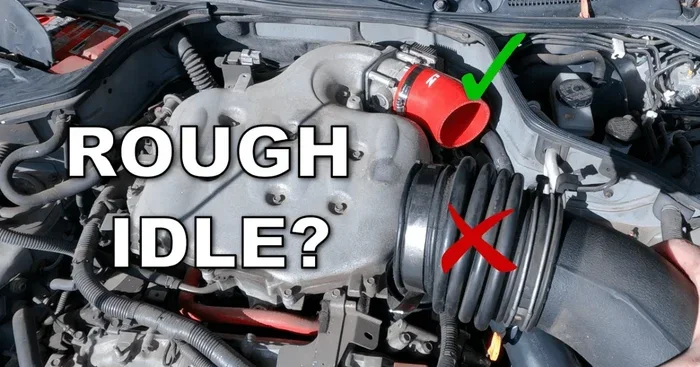
- Rough or Idling Engine: Your engine may shake or idle unevenly. A stuck-open PCV valve pulls too much air into the crankcase, leaning out the fuel mixture.
- Oil Leaks: Excess crankcase pressure pushes oil past seals and gaskets. You may notice oil seeping around the valve cover or rear main seal.
- Increased Oil Consumption: If you are topping off your oil more often than usual, a bad breather valve could be the culprit.
- Check Engine Light: A malfunctioning PCV valve can trigger error codes related to fuel trim or emissions. Common codes include P0171 and P053E.
- Sludge Buildup: A clogged PCV valve prevents proper ventilation, leading to sludge accumulation inside the engine.
- Poor Fuel Economy: When the valve sticks open, it disrupts the air-fuel ratio. Your engine compensates by burning more fuel than necessary.
- Hissing or Whistling Noise: You may hear unusual sounds coming from the engine bay, especially at idle or under acceleration.
If you notice two or more of these signs, it is worth having a mechanic check your PCV valve function as soon as possible. Early diagnosis keeps the PCV valve replacement cost low and prevents secondary damage to your engine.
Quick Tip: Test Your PCV Valve at Home
You can do a simple PCV valve test at home without any special tools. With the engine off, remove the PCV valve from its hose. Shake it and listen for a rattling sound. A working valve should rattle freely, indicating the internal plunger moves correctly. If it does not rattle, it is likely stuck and needs replacement. This simple check takes less than two minutes and can confirm whether you truly need a PCV valve replacement.
How to Replace a PCV Valve
Replacing a PCV valve is one of the easier maintenance jobs you can do at home. If you have basic mechanical skills and the right tools, you can save a significant amount on labor costs. Here is a step-by-step overview of what the process looks like.
Tools You Will Need
- New PCV valve (match the part number to your vehicle)
- New PCV valve gasket if recommended by the manufacturer
- Basic socket set and screwdrivers
- Clean rags or paper towels
- Safety gloves and eye protection
Step-by-Step Replacement Process
Follow these steps for a smooth PCV valve replacement:
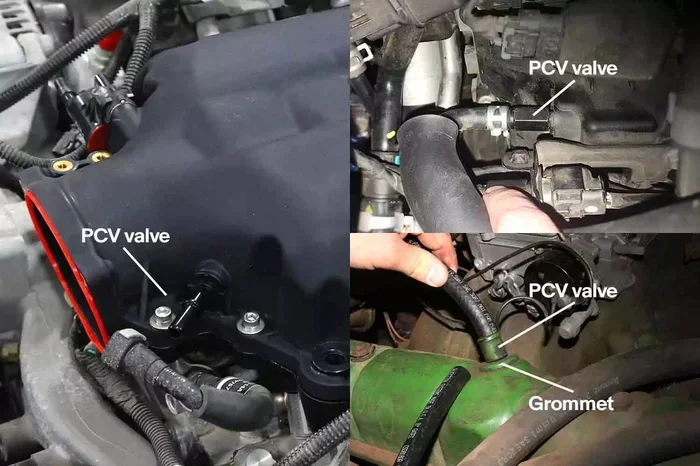
- Locate the PCV Valve: Check your owner’s manual or a repair guide to find the PCV valve location. It is usually on top of or near the valve cover, connected by a rubber hose.
- Remove the Hose: Carefully pull the rubber hose off the valve. Use a gentle twisting motion if it is stuck. Inspect the hose for cracks or wear while you are at it.
- Remove the Old Valve: Unscrew or unclip the old crankcase ventilation valve from its mounting point. Set it aside.
- Inspect the Gasket: Look at the old gasket or O-ring. If it is damaged, brittle, or deformed, replace it with a new PCV valve gasket.
- Install the New Valve: Place the new valve in position, ensuring the gasket sits properly. Reinstall any clips or screws securely.
- Reconnect the Hose: Push the rubber hose firmly onto the new valve. Make sure it clicks or seats properly to prevent vacuum leaks.
- Test the Engine: Start the engine and let it idle for a few minutes. Listen for any unusual sounds and check for leaks around the new valve.
The entire process typically takes 20 to 45 minutes for most vehicles. If you are comfortable working on your car, this is a great way to avoid labor charges and keep your PCV valve replacement cost to just the price of the part.
Common Mistakes During PCV Valve Replacement
Avoid these common errors when replacing your PCV valve:
- Using the Wrong Valve: Not all PCV valves are the same. Always match the part number to your specific vehicle year, make, and model.
- Skipping the Gasket: Reusing an old gasket can cause vacuum leaks and oil seepage. Always install a fresh PCV valve gasket.
- Forgetting to Check the Hose: A cracked or swollen hose will cause the same problems as a bad valve. Replace the hose if it shows any signs of wear.
- Over-Tightening: The valve mounts with clips or light screws. Over-tightening can crack the valve cover or strip the threads.
Factors That Affect PCV Valve Price
The PCV valve price is not one-size-fits-all. Several factors influence how much you will pay for the part and the labor. Understanding these factors helps you budget accurately and avoid surprises.
Vehicle Make and Model
Your vehicle type is the biggest factor in determining the PCV valve replacement cost. A standard four-cylinder engine in a compact car uses a simple, inexpensive valve that is easy to access. Luxury vehicles, European imports, and performance cars often have more complex valve designs that cost more and take longer to replace.
For example, a PCV valve for a Honda Civic or Toyota Corolla might cost $10 to $20 and take 20 minutes to replace. The same valve for a BMW or Mercedes might cost $40 to $75 and require an hour of labor due to tight engine bay access.
OEM vs. Aftermarket Parts
You have two main options when buying a replacement PCV valve: OEM (Original Equipment Manufacturer) or aftermarket parts.
- OEM Parts: These are made by the same supplier that provided the original part. They cost more but offer a guaranteed fit and quality. Expect to pay $15 to $50 for an OEM PCV valve price.
- Aftermarket Parts: These are made by third-party manufacturers and are typically more affordable. A quality aftermarket valve can cost $5 to $30. Just make sure to buy from a reputable brand.
For most vehicles, a good aftermarket PCV valve works just as well as the OEM version. The key is to avoid the cheapest no-name parts, as they may not last as long or seal properly.
Geographic Location and Labor Rates
Where you live also impacts the PCV valve replacement cost. Labor rates vary significantly by region. A mechanic in a rural area or small town may charge $75 per hour, while a shop in a major city could charge $150 or more per hour. Getting quotes from a couple of local shops before committing to the repair is always a smart move.
Can You Drive with a Bad PCV Valve?
The short answer is yes, but you should not for long. Driving with a failed PCV valve might not leave you stranded immediately, but it can cause progressive damage to your engine. Here is what can happen if you keep driving with a bad crankcase ventilation valve:
- Increased Oil Consumption: A stuck-open valve pulls too much air into the crankcase, which pushes oil past seals and burns it in the combustion chamber.
- Engine Knocking: In severe cases, excessive crankcase pressure can cause pre-ignition or knocking, which damages pistons and bearings over time.
- Catalytic Converter Damage: Unburned hydrocarbons from a malfunctioning PCV valve can clog or damage your catalytic converter, which is an expensive repair.
- Sludge Formation: Without proper ventilation, moisture and blow-by gases condense inside the engine, forming sludge that clogs oil passages.
The PCV valve replacement cost is small compared to the cost of repairing any of these secondary issues. If you suspect your valve is failing, have it checked and replaced promptly. A quick $100 repair now can prevent a $1,000+ engine repair later.
Expert Insight: The Hidden Cost of Ignoring PCV Valve Symptoms
Many car owners wait until the PCV valve symptoms become impossible to ignore. By that point, the engine may have already suffered from increased oil consumption, sludge buildup, or even a blown valve cover gasket. These secondary repairs cost significantly more than a simple PCV valve replacement. As a general rule of thumb, any time your check engine light comes on or you notice unusual oil consumption, get a professional diagnosis right away. Early action is always cheaper in the long run.
How to Save Money on PCV Valve Replacement
Saving money on your PCV valve replacement cost is easier than you might think. Here are some practical tips to keep your repair bill low:
DIY the Replacement
If you are comfortable working on your car, replacing the PCV valve yourself is the single best way to save money. The part costs as little as $10, and the job takes less than an hour for most vehicles. All you need are basic hand tools and a quick online tutorial for your specific model.
Compare Parts Prices Online
Before buying a PCV valve, compare prices from multiple suppliers. Online auto parts retailers often offer better deals than local parts stores. Look for verified sellers with good reviews to ensure you get a quality part at the best PCV valve price.
Bundle with Other Maintenance
If your vehicle is already in the shop for another repair, ask the mechanic to replace the PCV valve at the same time. This saves you a separate labor charge and ensures the valve is replaced preventatively before it causes problems.
Ask About Warranties
Many shops offer warranties on parts and labor. A PCV valve replacement backed by a warranty gives you peace of mind and protects you from paying again if the valve fails prematurely.
Conclusion
The PCV valve may be small, but its role in keeping your engine healthy is enormous. Understanding how much is a PCV valve and what goes into the PCV valve replacement cost empowers you to make informed decisions about your vehicle maintenance. Whether you choose to handle the job yourself or visit a trusted mechanic, this is one repair that delivers excellent value for the investment.
Remember that a new PCV valve costs between $10 and $50 for the part, with total PCV valve replacement cost ranging from $75 to $250 depending on your vehicle and location. Recognizing the PCV valve symptoms early and acting quickly prevents costly secondary damage. Keep your crankcase ventilation valve in good shape, and your engine will reward you with better performance, improved fuel economy, and fewer surprises down the road.
Take care of this small component today, and it will take care of your engine for miles to come.
Frequently Asked Questions
How much does it cost to replace a PCV valve?
The total PCV valve replacement cost typically ranges from $75 to $250, which includes the part price of $10 to $50 and labor charges of $50 to $200. The exact cost depends on your vehicle make, model, and local labor rates.
What are the symptoms of a bad PCV valve?
Common PCV valve symptoms include rough idling, increased oil consumption, oil leaks, a check engine light, poor fuel economy, and a hissing noise from the engine bay. If you notice any of these signs, have your crankcase ventilation valve inspected right away.
Can I drive with a faulty PCV valve?
You can drive short distances with a bad PCV valve, but it is not recommended for extended periods. A failed valve can cause increased oil consumption, sludge buildup, and potential damage to your catalytic converter or engine seals over time.
How long does PCV valve replacement take?
A professional PCV valve replacement typically takes 30 to 60 minutes depending on the vehicle. On engines where the valve is easily accessible, the job may take as little as 20 minutes. For engines with tight engine bay layouts, it could take longer.
Is it worth replacing a PCV valve myself?
Absolutely. Replacing a PCV valve yourself is one of the easiest and most cost-effective DIY engine repairs. The part is inexpensive, the tools are basic, and the process is straightforward. You can save the entire labor charge by doing it at home.
How often should a PCV valve be replaced?
There is no strict replacement schedule for a PCV valve, but most manufacturers recommend inspecting it during routine maintenance. In practice, a PCV valve often lasts between 50,000 and 100,000 miles before it needs replacement. Regular checks help catch problems early and keep PCV valve replacement cost low.