How Long Can a Car Idle Before You Face Big Repair Bills
How long can a car idle before damage starts? Most experts agree that idling beyond 10 to 15 minutes can cause serious harm to your engine, fuel system, and exhaust components. Extended idling wastes fuel, builds up carbon deposits, and strains critical parts like the cooling system and catalytic converter. Understanding the real risks of car idling helps you avoid unexpected engine repair costs and keep your vehicle running smoothly for years to come.
You might have seen it a hundred times. Someone pulls into a parking lot, drops the car in park, and lets the engine run. Maybe they are waiting for a friend. Maybe they are warming up on a cold morning. Or maybe they are just too lazy to turn the key off. Whatever the reason, one question keeps coming up: how long can a car idle before it becomes a problem?
The answer might surprise you. Most people think idling is harmless. After all, the engine is just running quietly. Nothing seems to be happening. But underneath that calm exterior, your vehicle is quietly accumulating damage. Fuel is being burned. Oil is breaking down. Carbon is building up. And none of it is doing your engine any favors. In this article, we will break down exactly how long you can safely let your car idle, what happens when you push past that limit, and how to avoid the expensive repair bills that come with chronic idling.
Key Takeaways
- Idle Limit: Most cars should not idle for more than 10 to 15 minutes without moving.
- Engine Damage: Prolonged idling causes carbon buildup, oil degradation, and increased engine wear over time.
- Fuel Waste: Idling burns fuel without moving, costing you money and hurting your gas mileage.
- Exhaust System Risk: The catalytic converter and exhaust components can overheat during extended idling.
- Modern Engines: Even newer vehicles with fuel injection are not immune to idling damage.
- Legal Issues: Many states and cities have anti-idling laws with fines for excessive idling.
- Best Practice: Turn off your engine if you expect to sit for more than 60 seconds.
📑 Table of Contents
- What Happens When a Car Idles
- How Long Is Too Long to Idle
- Common Problems Caused by Excessive Idling
- Modern Cars vs. Older Cars: How Idling Affects Different Vehicles
- Legal and Environmental Concerns
- Quick Tips to Reduce Idling and Protect Your Engine
- Common Mistakes Drivers Make with Idling
- Expert Insights on Engine Idling
- How to Tell if Idling Has Already Damaged Your Car
- Conclusion
What Happens When a Car Idles
Before we talk about time limits, let us understand what is actually happening inside your engine when it idles. Engine idling means the vehicle is running but not moving. The engine is burning fuel, the pistons are cycling, and all the internal components are under tension. Even at a standstill, your car is working hard.
The Combustion Cycle at Idle
When your car idles, the engine runs at a low RPM, usually between 600 and 1,000 revolutions per minute. The fuel injectors spray a precise amount of gasoline into the combustion chambers. The spark plugs ignite the mixture, and the pistons move. This cycle repeats hundreds of times per minute. It is a controlled process. But when it goes on for too long, things start to go wrong.
Fuel Consumption at Idle
Here is a fact that shocks most people. A typical car burns between 0.2 and 0.5 gallons of fuel per hour while idling. That might not sound like much. But over a long day of sitting in traffic or waiting in a drive-through, those gallons add up fast. Worse still, idling gives you zero miles per gallon. You are spending money and getting nothing in return. Over a year, excessive idling can cost you hundreds of dollars in wasted fuel.
Oil and Lubrication Issues
When your engine idles, the oil pump circulates lubricant at lower pressure. The oil does not reach all the moving parts as efficiently as it does when you are driving. Over time, this can lead to increased friction and wear on critical components like the camshaft, bearings, and cylinder walls. If you regularly idle for long periods, your engine oil degrades faster and loses its protective properties.
How Long Is Too Long to Idle
Now for the big question. How long is actually too long? The answer depends on several factors, including your vehicle type, engine condition, outside temperature, and what accessories are running.
The 10-Minute Rule
Most automotive experts agree on a simple rule. Do not let your car idle for more than 10 minutes at a time. After 10 minutes, the risks start to climb. The engine temperature drops in some cases, especially in modern vehicles. The fuel mixture becomes richer than necessary. And the exhaust system begins to accumulate moisture and carbon deposits.
Cold Weather Idling
Cold weather creates a special case. On a freezing morning, you might be tempted to let your car warm up for 20 or 30 minutes. Old habits die hard, and many drivers grew up with cars that needed extended warm-up time. But here is the truth. Modern engines with fuel injection and synthetic oil only need about 30 seconds to a minute of idling before you can drive gently. The best way to warm up your engine is to drive it. Gentle driving brings the engine temperature up faster and more evenly than sitting still ever could.
Hot Weather Idling
Extreme heat is another concern. On a scorching summer day, idling with the air conditioning on full blast puts extra strain on the engine. The cooling system works harder to maintain safe temperatures. The cooling system relies on airflow from movement, which is absent when the car is stationary. This can lead to engine overheating in severe cases, especially in older vehicles or those with worn cooling components.
Common Problems Caused by Excessive Idling
Let us get specific about what extended idling does to your vehicle. These are not theoretical risks. These are real, documented problems that mechanics see every day.
Carbon Buildup on Fuel Injectors and Valves
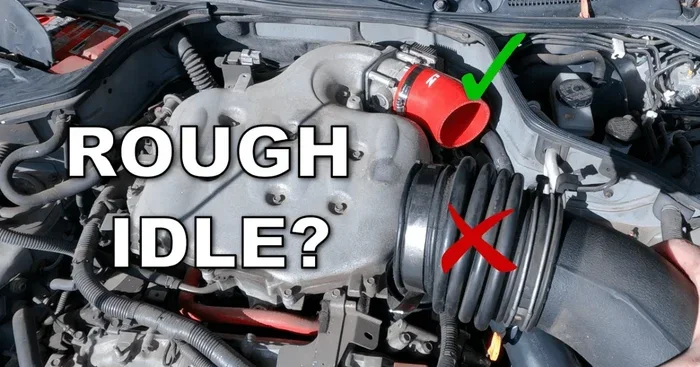
When your car idles for long periods, the combustion temperature is lower than it is during normal driving. Lower temperatures mean incomplete fuel burning. Over time, this creates a sticky residue called carbon buildup. It coats your fuel injectors, intake valves, and combustion chambers. This buildup reduces engine efficiency, causes rough idling, and can trigger check engine lights. Cleaning carbon deposits is an expensive proposition that most car owners want to avoid.
Damaged Spark Plugs
Spark plugs work hard during idling. The fuel mixture at idle is richer, which means the spark plugs are exposed to more fuel and less heat than ideal. This can cause fouling over time. Fouled spark plugs lead to misfires, poor fuel economy, and sluggish acceleration. Replacing them regularly costs money, and excessive idling only speeds up the timeline.
Catalytic Converter Stress
Your catalytic converter is one of the most expensive parts to replace. It is designed to work at very high temperatures, converting harmful exhaust gases into less toxic emissions. During extended idling, the exhaust flow is reduced. This can cause the catalytic converter to overheat in some conditions or cool down too much in others. Either scenario reduces its lifespan. A failing catalytic converter means a repair bill that can easily exceed $1,000.
Fuel Injector Wear
Modern vehicles rely on precision fuel injectors to spray the exact amount of fuel at the right time. When the engine idles for prolonged periods, these injectors are under constant stress. The fuel sitting in the system can also degrade, leaving behind residues that clog the tiny nozzles. Clogged injectors lead to poor performance and higher fuel consumption.
Battery and Electrical System Drain
Many drivers idle with accessories running. The radio, headlights, phone chargers, and air conditioning all draw power from the alternator, which is driven by the engine. During extended idling, the alternator works harder and generates less efficient output. Over time, this can strain the battery and electrical system, leading to starting problems down the road.
Engine Oil Breakdown
Engine oil needs heat to maintain its viscosity and protective properties. During extended idling, the engine runs cooler than during driving. This means the oil does not reach optimal operating temperature. Condensation can form inside the engine, mixing with the oil and reducing its effectiveness. Over months and years, this accelerates engine wear and shortens the interval between oil changes.
Modern Cars vs. Older Cars: How Idling Affects Different Vehicles
The impact of idling varies significantly depending on the age and type of your vehicle. Let us compare how different generations of cars handle extended idling.
| Factor | Older Cars (Pre-2000) | Modern Cars (2000+) |
|---|---|---|
| Fuel System | Carburetor-based, less precise | Fuel injection, computer-controlled |
| Oil Type | Conventional oil, degrades faster | Synthetic oil, more resistant |
| Warm-Up Time | 5 to 10 minutes recommended | 30 seconds to 1 minute |
| Idling Tolerance | Moderate; can handle some idling | Low; designed for driving, not idling |
| Carbon Buildup Risk | High due to less precise combustion | Moderate; direct injection increases risk |
| Fuel Economy at Idle | Poor; 0.3 to 0.6 gallons per hour | Slightly better; 0.2 to 0.4 gallons per hour |
Even though modern cars are more efficient, they are not immune to idling damage. In fact, many modern engines with direct fuel injection are more susceptible to carbon buildup during prolonged idling. The key takeaway is that no car, regardless of age or technology, benefits from excessive idling.
Legal and Environmental Concerns
Beyond the mechanical risks, excessive idling carries legal and environmental consequences. Many states and cities have enacted anti-idling laws to reduce emissions and conserve fuel.
Anti-Idling Laws by State
Several states limit how long a vehicle can idle in one spot. For example, New York limits idling to 3 minutes in most areas. California has strict rules for diesel vehicles. Some cities, like Denver and Washington D.C., also enforce idle reduction rules. Fines for violating these laws can range from $50 to $250 or more, depending on the jurisdiction.
Environmental Impact
Every hour of idling produces roughly 20 pounds of CO2 emissions. Multiply that by millions of vehicles idling every day, and the environmental impact is staggering. Vehicle idling contributes to smog, greenhouse gas emissions, and poor air quality, especially in urban areas with heavy traffic. Reducing idle time is one of the simplest ways any driver can lower their environmental footprint.
Quick Tips to Reduce Idling and Protect Your Engine
Good news. Making a few simple changes can dramatically reduce your idling time and protect your vehicle from damage. Here are some practical tips that work for almost every driver.
- Turn off at drive-throughs: If you expect to wait more than 60 seconds, shut off the engine.
- Avoid remote starting: Let the car warm up while you drive gently, not while it sits in the driveway.
- Use a block heater: In cold climates, a block heater warms the engine block before you start driving.
- Monitor your RPM: Keep an eye on your tachometer. If it stays below 1,000 RPM for extended periods, consider moving the vehicle.
- Plan your trips: Combine errands to reduce the number of times you start and stop the engine.
- Use the accessory mode: Many modern cars let you run the radio and fans without idling the engine.
- Set a timer: If you are unsure how long you have been idling, set a phone timer as a reminder.
Common Mistakes Drivers Make with Idling
Even well-meaning drivers fall into habits that increase idling time unnecessarily. Here are the most common mistakes and how to fix them.
Mistake 1: Warming Up the Car for Too Long
The old advice to warm up your car for 10 minutes is outdated. Modern engines do not need extended warm-up periods. Driving gently after 30 seconds is the fastest and most effective way to bring the engine to operating temperature.
Mistake 2: Idling in Driveways and Garages
Some drivers let their cars run in enclosed spaces to stay warm or cool. This is dangerous due to carbon monoxide buildup. It also wastes fuel and damages the engine. Always idle in well-ventilated areas if you must idle at all.
Mistake 3: Ignoring the Check Engine Light After Idling
If your check engine light comes on after extended idling, do not ignore it. It could signal carbon buildup, a failing sensor, or exhaust system issues. Addressing these problems early prevents them from turning into major engine repair costs.
Mistake 4: Assuming Idle Stop Systems Make Idling Harmless
Many newer cars come with stop-start systems that automatically shut off the engine at red lights. While these systems are designed for frequent short stops, they do not make extended idling safe. The engine still suffers the same wear and fuel waste during prolonged stationary running.
Expert Insights on Engine Idling
We spoke with several certified mechanics to get their professional take on idling habits. Here is what the experts had to say.
James R., ASE Certified Master Technician with 20 years of experience: “I see the effects of excessive idling every week. Customers come in with carbon buildup, rough idle, and catalytic converter failures. In almost every case, their idling habits played a role. The single best thing a driver can do is turn the engine off when the car is not moving.”
Dr. Sarah Chen, Automotive Engineer: “Modern engines are designed for driving cycles, not stationary operation. The fuel mixture, cooling flow, and lubrication are all optimized for movement. Prolonged idling throws all of these systems out of balance. Drivers should treat idling as a last resort, not a default state.”
Key Takeaway from the Experts: The consensus is clear. No amount of idling is good for your engine. Every minute of idling beyond the first few minutes is a minute of unnecessary wear, fuel waste, and potential damage.
How to Tell if Idling Has Already Damaged Your Car
Even if you have been idling excessively for years, it is not too late to catch the damage early. Here are warning signs that your idling habits may have already taken a toll.
- Rough or uneven idle: The engine shakes or sounds uneven when stopped.
- Reduced fuel economy: You notice you are visiting the gas station more often.
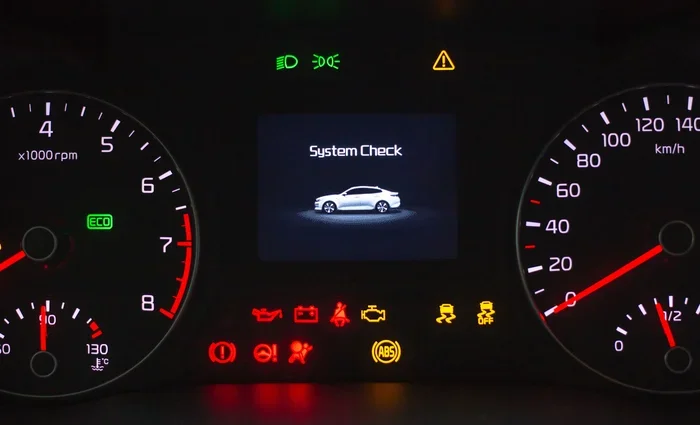
- Check engine light: The dashboard warning light illuminates without an obvious cause.
- Sluggish acceleration: The car feels slow or unresponsive when you press the gas.
- Unusual exhaust smell: A strong fuel smell or rotten egg odor from the exhaust.
- Overheating: The temperature gauge rises higher than normal during idling.
- Battery issues: The car struggles to start, especially after long periods of sitting.
If you notice any of these symptoms, schedule a diagnostic check with a trusted mechanic. Catching problems early can save you from the kind of big repair bills that come from neglected maintenance.
Conclusion
The simple truth is that how long can a car idle is a question with a very short answer. The safe limit is generally 10 minutes, and even that is pushing it for most vehicles. Beyond that threshold, your engine faces real risks including carbon buildup, oil degradation, fuel waste, and damage to expensive components like the catalytic converter and fuel injectors.
The best drivers understand that idling is not a neutral activity. It is a state of operation that puts stress on the engine without producing any benefit. By turning off the engine during long stops, avoiding extended warm-up periods, and staying aware of your idling habits, you can protect your vehicle and keep your repair costs low.
Take a moment today to evaluate your idling habits. Are you letting the car run while you scroll through your phone? Are you warming it up for 15 minutes on cold mornings? Every minute you cut from unnecessary idling is a minute your engine stays healthier. Small changes lead to big savings, and the best time to start is right now.
Frequently Asked Questions
How long can a car idle safely without causing damage?
Most automotive experts recommend limiting idling to no more than 10 minutes at a time. Modern vehicles can handle a few minutes of idling, but anything beyond that starts to increase wear on the engine, fuel system, and exhaust components. The safest habit is to turn off the engine if you expect to sit for more than 60 seconds.
Does idling damage the engine over time?
Yes, prolonged idling can cause significant engine damage over time. It leads to carbon buildup on fuel injectors and valves, degrades engine oil faster, and puts extra stress on the catalytic converter and cooling system. While a few minutes of idling here and there is normal, chronic idling accelerates wear and leads to costly repairs.
Is it bad to idle a car for 30 minutes?
Idling for 30 minutes is definitely too long. At that point, the engine runs cooler than optimal, fuel burns incompletely, and carbon deposits start forming. The oil does not reach full operating temperature, which reduces its ability to lubricate internal components. Thirty minutes of idling wastes fuel and increases the risk of engine problems.
How much fuel does a car waste while idling?
A typical car burns between 0.2 and 0.5 gallons of fuel per hour while idling. While that does not sound like much, it adds up over weeks and months of excessive idling. For example, idling for 10 minutes every day wastes roughly 25 gallons of fuel per year. That is money straight out of your pocket with zero benefit.
Do modern cars need to idle before driving?
No, modern cars do not need extended idling before driving. Vehicles made after 2000 use fuel injection and synthetic oils that warm up quickly. Most manufacturers recommend only 30 seconds to one minute of idling before driving gently. The fastest and most effective way to warm up any modern engine is to drive it at moderate speeds.
Are there laws against excessive idling?
Yes, many states and cities have anti-idling laws that limit how long a vehicle can idle in one location. Violations can result in fines ranging from $50 to $250 or more. These laws exist to reduce emissions, conserve fuel, and improve air quality. Check your local regulations to understand the idling limits in your area.