How Long Does It Take to Build a Car from Start to Finish
How Long Does It Take to Build a Car from Start to Finish depends on the type of vehicle, the manufacturing process, and the factory setup. On average, a factory-built car takes about 18 to 35 hours of actual assembly time on the production line, but the full journey from design to delivery can span several months or even years. Custom and hand-built cars can take weeks, months, or even years to complete.
Have you ever wondered what happens inside a car factory? Every vehicle you see on the road went through a detailed and complex process before reaching the showroom. The journey from raw metal sheets to a finished automobile is fascinating and full of precision.
Building a car is not just about bolting parts together. It involves thousands of components, dozens of specialized stations, and a highly organized assembly line. Whether it is a mass-produced sedan or a hand-built supercar, each vehicle follows a unique path through the manufacturing stages.
Key Takeaways
- Factory-built cars take 18 to 35 hours of actual assembly time on the production line, though the full process from design to delivery spans months.
- Custom car builds vary wildly in timeline depending on complexity, parts availability, and the builder’s experience level.
- Hand-built supercars and luxury vehicles can take weeks or months per unit due to meticulous craftsmanship and attention to detail.
- Supply chain issues, factory type, and production volume are the biggest factors that affect how long it takes to build a car.
- Quality control and final inspection are critical steps that add time but ensure every vehicle meets safety and performance standards.
- Kit cars and DIY builds can take anywhere from a few months to several years depending on the builder’s skill and the kit complexity.
- Understanding the full car manufacturing process helps you appreciate the incredible engineering and labor that goes into every vehicle on the road.
📑 Table of Contents
- The Car Manufacturing Process from Start to Finish
- How Long Does It Take to Build a Car from Start to Finish?
- Factors That Affect Car Build Time
- The Assembly Line Process Explained
- Custom Car Builds vs Factory Production
- What Happens After the Car Is Built?
- Quick Tips for Understanding Car Build Times
- Common Mistakes People Make When Estimating Car Build Time
- Expert Insights on Vehicle Production Timelines
- Key Takeaways
- Conclusion
The Car Manufacturing Process from Start to Finish
Understanding how long it takes to build a car means understanding each step of the vehicle assembly process. The automotive manufacturing journey is broken into several distinct stages. Each stage has its own timeline, tools, and skilled workers. Let us walk through them one by one.
Design and Engineering Phase
Before any metal is cut, engineers and designers spend months creating the vehicle. They use computer-aided design (CAD) software to model every single part. This phase includes crash testing, aerodynamics testing, and safety simulations. The design phase alone can take anywhere from two to five years for a new model.
During this stage, the team decides on the platform, the engine options, and the interior layout. They also finalize the color palette and material choices. Every decision made here impacts the overall production timeline later on.
Stamping and Body Assembly
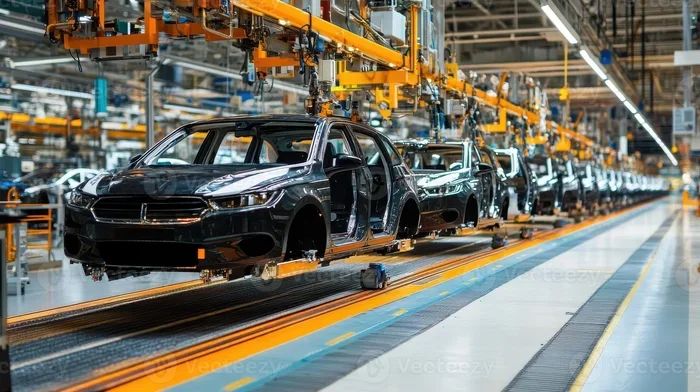
Once the design is locked in, the stamping process begins. Giant presses stamp sheet metal into body panels like doors, hoods, and fenders. These panels are then welded together on the body shop line. This is where the skeleton of the car starts to take shape.
The body assembly station is one of the most automated parts of the factory. Robots handle most of the welding and joining. However, human workers still oversee quality checks at multiple points. A typical body assembly takes about four to six hours per vehicle on a modern production line.
Paint and Final Assembly
After the body is assembled, it moves to the paint shop. The car goes through a series of cleaning, priming, painting, and clear-coating steps. Each layer needs time to dry before the next is applied. The entire paint process takes about four to six hours.
Once the paint is complete, the vehicle moves to the final assembly line. Here, workers install the engine, transmission, interior components, wiring harness, and dashboard. The seats, windows, and trim pieces all go in at this stage. Final assembly typically takes six to ten hours per vehicle.
How Long Does It Take to Build a Car from Start to Finish?
The short answer is that a factory-built car takes between 18 and 35 hours of actual assembly time. But the full story is much more complex. The total timeline includes design, prototyping, testing, production, and delivery. Let us break this down further.
Average Build Times by Manufacturer
Different manufacturers have different production speeds. High-volume factories like Toyota and Honda can build a car in as little as 18 to 20 hours. Luxury brands like BMW and Mercedes-Benz may take 30 to 35 hours due to more hand-checks and premium finishes.
Here is a quick look at average assembly times across different types of manufacturers:
| Manufacturer Type | Average Assembly Time | Key Factor |
|---|---|---|
| High-Volume Mass Producer | 18 to 22 hours | Heavy automation and standardized parts |
| Mid-Range Brand | 22 to 28 hours | Mix of automation and manual work |
| Luxury Brand | 28 to 35 hours | More hand-checks and premium detailing |
| Hand-Built Supercar | Weeks to months | Custom work and meticulous craftsmanship |
Custom vs Factory-Built Cars
A factory-built car follows a set schedule on the production line. Every vehicle moves at a steady pace through each station. The car manufacturing time is optimized for efficiency and consistency. This is why mass-produced cars can roll off the line so quickly.
A custom car build, on the other hand, is a completely different story. A custom car build might involve sourcing rare parts, modifying the chassis, or creating a completely unique design. The production time for a custom vehicle can range from a few months to several years.
Factors That Affect Car Build Time
Several key factors determine how long it takes to build a car. Understanding these helps explain why timelines vary so much from one vehicle to another.
Production Volume and Factory Type
High-volume factories build thousands of the same model each month. This allows them to streamline every step of the process. The assembly line moves fast because workers and robots repeat the same tasks thousands of times. The car factory workflow is designed for speed and consistency.
Low-volume manufacturers, such as luxury or specialty brands, produce far fewer units. Each vehicle may receive more individual attention. This naturally increases the car assembly time per unit. The trade-off is a more personalized and often higher-quality build.
Supply Chain and Parts Availability
The automobile building process depends heavily on a steady supply of parts. A shortage of even one component can halt the entire production line. Global supply chain disruptions have become a major factor in car manufacturing time over the past few years.
Factories that source parts locally tend to have shorter build times. Those that rely on international shipping face more delays and uncertainties. The vehicle assembly process can be significantly slowed by parts shortages or logistical challenges.
Vehicle Complexity and Model Type
A simple economy car with a standard powertrain builds faster than a luxury SUV with advanced technology. Electric vehicles add another layer of complexity. The battery pack assembly alone can add several hours to the build time.
Sports cars with manual transmissions or custom interiors also take longer. Every added feature, every unique option, and every special trim level adds to the overall vehicle construction time.
The Assembly Line Process Explained
The assembly line is the backbone of modern automotive manufacturing. It is a carefully choreographed sequence of stations where each worker or robot adds a specific component. Let us look at how this process works in detail.
Chassis and Frame Assembly
The first major step on the assembly line is building the chassis. This is the structural foundation of the vehicle. Workers install the frame rails, suspension components, and subframes. The chassis must be perfectly aligned because every other part depends on it.
Robots handle the heavy lifting and precision welding. Human workers inspect each joint and connection. This stage typically takes about two to three hours per vehicle on a modern line.
Engine and Powertrain Installation
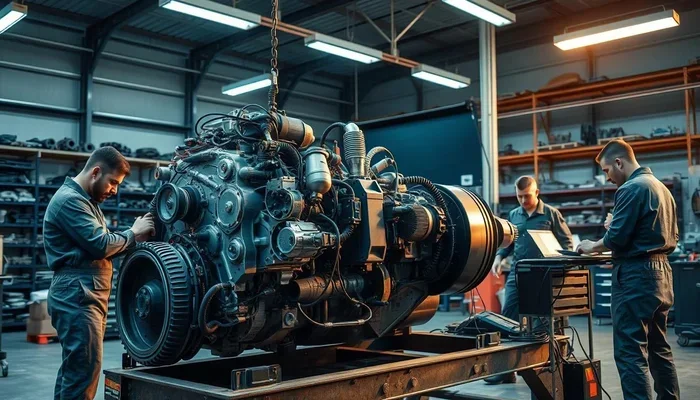
Once the chassis is ready, the engine and transmission are installed. This is one of the most critical steps in the entire process. The engine must be fitted precisely, and all fluid lines and electrical connections must be secure.
For electric vehicles, the battery pack and electric motor replace the traditional engine. The installation process is different but equally important. A hand-built car or a specialty vehicle may have a more involved powertrain installation process.
Interior and Electronics Installation
After the powertrain is in place, the interior comes next. Workers install the seats, dashboard, steering wheel, and center console. Wiring harnesses are routed throughout the vehicle, connecting all the electronic systems.
Modern cars have thousands of electronic components. Infotainment systems, safety sensors, driver-assistance features, and climate control modules all need to be connected and tested. This stage can take three to five hours depending on the vehicle’s technology level.
Custom Car Builds vs Factory Production
Custom car building is a passion project for many enthusiasts. It is a completely different experience from factory production. Let us explore how the two compare in terms of time and effort.
Hand-Built Supercars
Some of the most exclusive cars in the world are hand-built. Brands like Bugatti, McLaren, and Pagani produce vehicles one at a time or in very small batches. Each car receives individual attention from skilled craftsmen.
A hand-built supercar can take anywhere from four weeks to six months to complete. The automotive manufacturing process for these vehicles involves extensive hand-fitting, hand-painting, and quality checking. Every stitch of leather, every carbon fiber panel, and every engine tuning is done by hand.
Kit Cars and DIY Builds
Kit cars and DIY builds are popular among hobbyists and car enthusiasts. A kit car comes with most of the parts needed, but the builder does the assembly work themselves. The car build time for a kit car varies widely.
A simple kit car can be assembled in a few months with basic tools and mechanical skills. A more complex build, such as a replica of a classic sports car, can take a year or more. The builder’s experience, available workspace, and budget all play a role in the timeline.
What Happens After the Car Is Built?
Finishing the assembly is not the end of the process. Every vehicle goes through additional steps before it reaches the customer. These final stages are just as important as the build itself.
Quality Control and Inspection
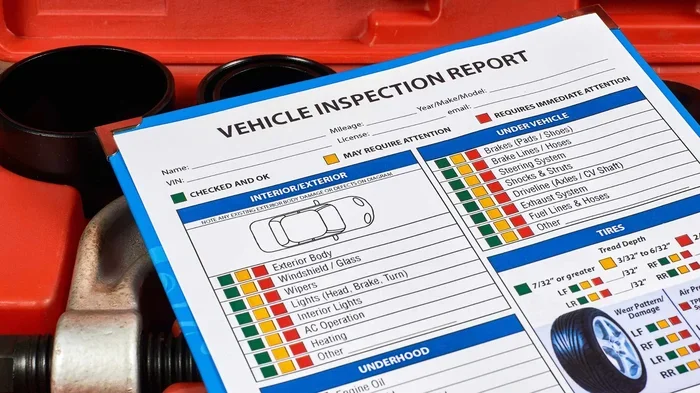
After assembly, each car goes through a rigorous quality control process. Workers check every system, every light, and every function. The vehicle sits on a test bed where the engine, brakes, and steering are tested under load.
The final inspection includes a road test on a closed track. Any issues found are corrected before the car is approved for shipment. This quality control phase adds one to two days to the overall timeline but is essential for safety and reliability.
Shipping and Delivery
Once a car passes inspection, it is prepared for shipping. Vehicles are loaded onto open or enclosed transport trucks. Some are shipped by rail or sea, depending on the destination. The shipping time varies based on distance and logistics.
For customers who ordered a custom configuration, the wait can be longer. Factory order builds often have longer lead times because the vehicle is built to specific specifications rather than being off the showroom floor.
Quick Tips for Understanding Car Build Times
- Factory cars are faster because the process is optimized for volume and efficiency.
- Custom builds take longer due to unique parts, design changes, and hand-finishing work.
- Supply chain delays can add weeks or even months to the expected build time.
- Luxury and specialty vehicles always take longer because of the extra attention to detail.
- Ask the manufacturer or dealer for an estimated build and delivery timeline when ordering a new car.
- Be patient with custom projects — rushing the process often leads to quality issues and safety concerns.
Common Mistakes People Make When Estimating Car Build Time
Many people underestimate how long it takes to build a car. Here are some common mistakes to avoid.
Mistake 1: Confusing assembly time with total production time. The 18 to 35 hours of assembly is just the final stage. The full journey from design to delivery takes much longer.
Mistake 2: Ignoring supply chain factors. A parts shortage can delay the entire production process, even if the factory itself is running at full capacity.
Mistake 3: Assuming all cars take the same time. A basic economy sedan builds much faster than a luxury SUV or a performance truck with a complex powertrain.
Mistake 4: Overlooking the post-build inspection phase. Quality control and testing add valuable time but are non-negotiable for safety and performance.
Mistake 5: Underestimating custom build timelines. A custom car build is not like a factory production line. Unexpected challenges, part sourcing, and design changes can all extend the timeline significantly.
Expert Insights on Vehicle Production Timelines
Industry experts agree that the car manufacturing stages have become more efficient over the decades. Automation and robotics have dramatically reduced factory build time for mass-produced vehicles. However, the human element remains irreplaceable in quality control and custom work.
According to automotive engineers, the biggest challenge in modern car production is balancing speed with quality. Faster lines mean more cars per day, but they also mean less time for careful inspection. The best manufacturers find a sweet spot between efficiency and craftsmanship.
Another expert insight is the growing role of electric vehicle production. Building an EV involves different steps than a traditional combustion engine car. Battery pack assembly, software integration, and electric motor calibration all add new dimensions to the vehicle assembly process. As EV adoption grows, these production timelines will continue to evolve.
Key Takeaways
- Factory-built cars take 18 to 35 hours of assembly time, but the full process from design to delivery spans months.
- Custom car builds vary widely depending on complexity, parts availability, and the builder’s experience.
- Hand-built supercars and luxury vehicles require weeks or months per unit due to meticulous craftsmanship.
- Supply chain issues, factory type, and production volume are the biggest factors affecting build time.
- Quality control and final inspection add time but are essential for safety and reliability.
- Kit cars and DIY builds can take from a few months to several years depending on complexity.
- Understanding the full car manufacturing process gives you a deeper appreciation for every vehicle on the road.
Conclusion
The answer to “how long does it take to build a car from start to finish” is not a single number. It depends on the type of vehicle, the manufacturing method, and the factory setup. A standard factory-built car takes about 18 to 35 hours of assembly time. But the full journey from initial design to final delivery can take months or even years.
Custom builds, hand-built supercars, and DIY kit cars follow completely different timelines. Each one reflects the passion, skill, and dedication of the people involved. Whether it is a mass-produced sedan rolling off an automated line or a hand-crafted hypercar built by master artisans, every vehicle represents an incredible feat of engineering and human effort.
The next time you see a car on the road, take a moment to appreciate the journey it went through to get there. From raw materials to a finished vehicle, the automotive manufacturing process is a remarkable blend of technology, craftsmanship, and precision. Understanding how long it takes to build a car gives you a new perspective on the machines we rely on every day.
Frequently Asked Questions
How long does it take to build a car on the assembly line?
A standard factory-built car takes between 18 and 35 hours of actual assembly time on the production line. This includes chassis assembly, engine installation, paint, and final inspection. However, the total process from design to delivery spans several months.
Can you build a car faster if you have more workers?
Adding workers can speed up certain stages, but modern car factories are already highly optimized. The assembly line is designed for maximum efficiency with the right number of workers and robots. Simply adding more people does not always make the process faster and can sometimes cause bottlenecks.
How long does a custom car build take?
A custom car build can take anywhere from a few months to several years. The timeline depends on the complexity of the project, parts availability, and the builder’s experience. Hand-built supercars and one-off custom vehicles often take the longest due to the level of detail involved.
What is the fastest car ever built in a factory?
Some high-volume manufacturers like Toyota and Hyundai can build a car in as little as 18 to 20 hours of assembly time. These factories use heavy automation and standardized processes to achieve the fastest production speeds in the industry.
Does building an electric vehicle take longer than a gas car?
Electric vehicles involve different steps than gas-powered cars. Battery pack assembly and software integration add time to the process. However, EVs often have fewer moving parts, which can simplify some stages. Overall, the build time is comparable but the process is different.
How long does it take to build a kit car at home?
A kit car build can take anywhere from three months to over a year. The timeline depends on the complexity of the kit, the builder’s mechanical skills, and the amount of time they can dedicate to the project each week. Simpler kits can be completed faster, while complex builds with custom modifications take much longer.
=== CONCLUSION ===
How Long Does It Take to Build a Car from Start to Finish is a question with no single answer. The car manufacturing process varies widely depending on the vehicle type, factory setup, and production method. From the initial design phase to the final inspection, every step matters. Factory-built cars take 18 to 35 hours of assembly time, while custom and hand-built vehicles can take weeks, months, or even years. Understanding the full vehicle assembly process helps you appreciate the incredible effort that goes into every car on the road. Whether you are a car enthusiast, a curious buyer, or someone planning a custom build, knowing the timeline helps you set realistic expectations and make informed decisions.