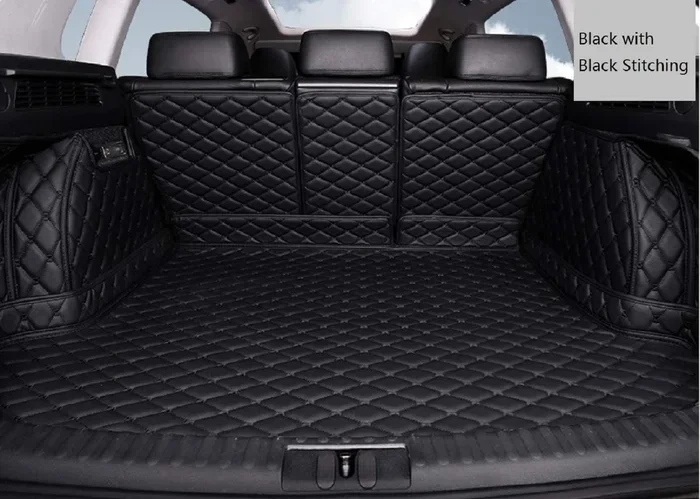
Do I Need a Cargo Liner Here Is Everything You Should Know
A cargo liner protects your vehicle’s trunk or cargo area from spills, dirt, and everyday wear while keeping it clean and organized. Whether you haul gear, transport pets, or simply want to preserve your car’s interior, a cargo liner is one of the simplest and most effective upgrades you can make. Here is everything you need to know about choosing the right cargo liner for your vehicle.
Key Takeaways
- A cargo liner protects your trunk from spills, dirt, and damage.
- Custom-fit liners stay in place and cover the entire trunk floor.
- Easy to clean; just hose it out or wipe it down.
- Investing in a quality liner preserves your vehicle’s resale value.
- Waterproof materials prevent moisture buildup and odors in the trunk.
- Universal liners are affordable, but custom options offer the best fit.
📑 Table of Contents
- What Is a Cargo Liner and Why Should You Care
- Signs You Actually Need a Cargo Liner
- Types of Cargo Liners Compared
- How to Choose the Right Cargo Liner for Your Vehicle
- Common Mistakes People Make with Cargo Liners
- Expert Tips for Getting the Most from Your Cargo Liner
- Conclusion: Is a Cargo Liner Really Worth It?
What Is a Cargo Liner and Why Should You Care
If you have ever opened your car trunk and found scratched surfaces, spilled drinks, or mystery crumbs from three road trips ago, you already know why a cargo liner matters. A cargo liner is a protective layer that sits inside your vehicle’s trunk or cargo area. It shields the factory carpet from dirt, moisture, spills, and everyday wear. Think of it as a seatbelt for your trunk.
Most people overlook their trunk until something goes wrong. A muddy dog jumps in. A grocery bag leaks. Kids drop juice boxes in the back seat area. These small accidents add up fast. A good cargo liner keeps all of that from reaching your car’s interior. It is one of the simplest and most affordable upgrades you can make.
Whether you drive a sedan, SUV, or hatchback, a cargo liner fits right in and adds real value. It protects your investment, keeps resale value high, and makes cleanup a breeze. So the real question is not whether you need one. It is whether you can afford not to have one.
How a Cargo Liner Works
A cargo liner sits flat inside your trunk cavity. Most models use a non-slip backing that grips the floor. This keeps the liner from sliding around when you brake or turn corners. The top layer is usually water-resistant, making it easy to wipe clean.
Some liners extend upward along the sides of the trunk walls. Others cover just the floor. The best ones offer full coverage. They protect against more than just dirt. They also guard against scratches from heavy items like toolboxes, luggage, or sports gear.
Signs You Actually Need a Cargo Liner
Still not sure if a cargo liner is right for you? Let us look at some clear signs that say it is time to buy one. If any of these hit home, you are probably overdue for a liner.
- You transport dirty items regularly. Garden supplies, beach towels, muddy boots — these all leave residue behind.
- Your trunk carpet stains easily. Some factory carpets are delicate. One coffee spill can cause permanent damage.
- You own pets. Dog hair, drool, and muddy paws love to settle into trunk carpet fibers.
- You haul kids or groceries daily. Spills and crumbs are practically guaranteed with children or shopping trips.
- You want to protect your resale value. Clean trunks make buyers offer more money.
- Your current trunk looks worn. Stains, fading, or odor mean your trunk is already showing age.
Real-Life Scenarios Where a Cargo Liner Saves You
Let us paint a picture. You just bought a new SUV. Three weeks later, your kid spills a large chocolate milkshake in the trunk. Without a liner, that sticky liquid soaks into the carpet. You are looking at a deep clean or even a full carpet replacement. That costs hundreds of dollars.
Now imagine the same spill — but with a cargo liner in place. You pull the liner out, rinse it under the hose, and let it dry. Done. Total cleanup time: five minutes. That is the difference a simple liner makes.
Another example: you load heavy furniture into your hatchback. A metal leg scratches the trunk wall. A full-coverage trunk protector absorbs that hit instead of your car’s interior. Small scratches become big problems over time. A liner prevents them all at once.
Types of Cargo Liners Compared
Not all cargo liners are the same. Different materials, shapes, and designs serve different needs. Let us break down the most popular types so you can find the best fit.
Material Options
Rubber cargo mat options are the most durable. They resist water, mud, and stains easily. You can hose them off. The downside? They can be heavy and may shift slightly without a good non-slip base.
Trunk carpet liners look closer to your factory interior. They feel premium and match your car’s color scheme. However, they do not handle large spills as well as rubber. They work best for light-duty protection.
Thermoplastic liners offer a middle ground. They are molded to fit your specific vehicle. They are waterproof and sturdy. Many people consider them the best of both worlds.
Coverage Levels
Some liners cover only the floor. Others extend up the sides and even cover the rear seat backs. Full-coverage options give you the most protection. They guard against scratches, dents, and spills in more areas.
| Liner Type | Water Resistance | Durability | Ease of Cleaning | Price Range |
|---|---|---|---|---|
| Rubber Cargo Mat | Excellent | High | Very Easy | $30 – $70 |
| Trunk Carpet Liner | Moderate | Medium | Moderate | $40 – $90 |
| Thermoplastic Molded | Excellent | Very High | Easy | $80 – $150 |
| Fabric with Backing | Good | Medium | Easy | $25 – $60 |
Quick Tips for Choosing the Right Type
- Choose rubber if you deal with mud, dirt, or outdoor gear often.
- Pick carpet-style if you want a factory look and light protection.
- Go molded thermoplastic for a custom fit and heavy-duty use.
- Consider fabric-backed liners for a balance of comfort and function.
How to Choose the Right Cargo Liner for Your Vehicle
Choosing the right cargo liner involves more than picking a color. Fit, material, and function all matter. Here is how to narrow your options.
Measure Your Trunk First
Grab a tape measure. Write down the length, width, and depth of your trunk. Include the wheel wells and any odd shapes. Some liners are universal. Others are vehicle-specific. A custom-fit cargo cover always works better because it hugs the contours of your trunk.
Universal liners are cheaper. They also tend to bunch up or leave gaps. If budget allows, invest in a model made for your exact make, model, and year. The fit matters for both protection and appearance.
Think About Your Lifestyle
Your daily habits determine what kind of protection you need most.
- Outdoor enthusiasts: Go for heavy-duty rubber. It handles dirt, rocks, and water with ease.
- Families: Choose a full-coverage option that handles spills and crumbs.
- Business professionals: A carpet-style trunk liner keeps the interior looking polished.
- Pet owners: Pick waterproof materials that resist hair and odors.
Check for Key Features
Not all liners offer the same extras. Look for these features when shopping:
- Non-slip backing. This keeps the liner from sliding during transit.
- Raised edges. These contain spills and prevent liquids from leaking into the carpet.
- Bumpers or side guards. These protect trunk walls from scratches.
- Easy-remove design. You want to lift the liner out for cleaning without struggle.
- UV resistance. This prevents fading when your trunk sits in direct sunlight.
Expert Insight: According to automotive detailers, the most overlooked feature in a vehicle cargo protection liner is the raised edge. Many cheap liners sit flat and let water flow right off the sides. Raised edges redirect liquid back into the liner. That small detail saves your trunk carpet every single time.
Common Mistakes People Make with Cargo Liners
Even something as simple as installing a cargo liner comes with common pitfalls. Avoiding these mistakes saves time, money, and frustration.
Buying the Wrong Size
This is the number one mistake. A liner that is too small leaves gaps. Dirt and spills slip through. A liner that is too large bunches up under heavy items. That creates pressure points and can cause damage of its own.
Always double-check your measurements. Or better yet, buy a model designed specifically for your vehicle. The extra cost is worth the perfect fit.
Ignoring Material Quality
Ultra-cheap liners may seem tempting. They often use thin materials that tear or curl within months. A low-quality trunk waterproof liner gives you a false sense of security. Spend a little more for materials that actually last.
Skipping the Non-Slip Feature
A liner that slides around is almost worse than no liner at all. Heavy items can slide into the liner and shift it sideways. This leaves parts of your trunk unprotected. Always choose a model with strong non-slip backing or add grip tape yourself.
Forgetting to Clean the Liner
A dirty liner does not protect your trunk. It just moves the mess around. Mud dries and hardens. Liquids sit and create odors. Make it a habit to clean your cargo mat at least once a month. A quick wipe-down takes just a few minutes.
Key Takeaway: The biggest mistake is treating a cargo liner as a set-it-and-forget-it product. It needs regular cleaning and occasional inspection for wear. A well-maintained liner lasts years. A neglected one needs replacing much sooner.
Expert Tips for Getting the Most from Your Cargo Liner
Once you have the right cargo liner installed, a few smart habits help you get the best results. These tips come from experienced car owners and professional detailers.
Pair It with a Trunk Organizer
A trunk organizer and a cargo liner work together perfectly. The liner protects the surface. The organizer keeps items contained and prevents shifting. Together, they create a clean, functional cargo area every time you open your trunk.
Use a Cargo Barrier for Rear Passengers
If you often carry loose items, consider adding a cargo barrier behind the rear seats. This prevents objects from flying into the passenger area during sudden stops. A cargo liner handles the trunk floor. A barrier handles the space between seats and cargo. They complement each other.
Rotate Seasonal Gear Properly
Store winter gear, beach toys, or holiday decorations in waterproof bins inside your liner. This adds another layer of protection. Even if a bin leaks, the liner catches it. This approach keeps your trunk cleaner for longer stretches.
Check Adhesion Over Time
Non-slip backings can weaken after a few years, especially in hot climates. Check your liner every six months. If it starts to slide, replace the backing or add aftermarket grip pads. Keeping it firmly in place ensures consistent cargo area protection.
Quick Tip: Place a small silicone mat under your jack or spare tire area. This prevents weight points from pressing your liner into the trunk floor and causing permanent indentations over time.
DIY Installation Steps
Most cargo liners do not require any tools. Here is a simple process:
- Clean your trunk thoroughly before installing. Remove all debris and dust.
- Dry the surface completely. Moisture trapped underneath causes mold.
- Place the liner flat into your trunk. Start from the back and push forward.
- Smooth out any air bubbles or wrinkles. Press down firmly along the edges.
- Check that all sides align properly. Adjust until the fit looks and feels right.
- Test the non-slip grip by lightly pushing the liner from different angles.
The entire process takes under ten minutes. No drilling. No adhesives. Just place it and go. That is one of the reasons so many drivers wonder, “Do I need a cargo liner?” — once they try one, they never go back.
Conclusion: Is a Cargo Liner Really Worth It?
So, do you need a cargo liner? If you use your trunk at all — for groceries, sports gear, road trips, or pets — the answer is a clear yes. A quality liner protects your car’s interior, preserves resale value, and makes cleanup effortless.
We have covered what cargo liners are, the signs you need one, the different types, how to choose the right fit, common mistakes to avoid, and expert tips for long-term use. The evidence strongly favors adding a cargo liner to your vehicle. It is a small investment that pays big dividends over time.
Do not wait for a stain or a scratch to make the decision for you. Pick a liner that suits your lifestyle, install it this weekend, and enjoy a cleaner trunk from day one. Your future self — and your car’s resale value — will thank you.
Frequently Asked Questions
What Is a Cargo Liner and Why Do You Need One?
A cargo liner is a protective cover that fits inside your trunk or cargo area to keep it clean and organized. It shields your vehicle from spills, dirt, and wear caused by daily use. If you want to preserve your car’s interior and make cleanup easy, a cargo liner is a smart investment.
Do I Need a Cargo Liner If I Don’t Haul Heavy Items?
Yes, even if you don’t transport heavy gear, a cargo liner still offers great value. It protects against everyday messes like food spills, mud, and pet hair. Think of it as a simple way to keep your car looking like new without much effort.
Can a Cargo Liner Really Protect My Vehicle’s Interior?
Absolutely. A quality cargo liner creates a durable barrier between your trunk and whatever you throw in it. It prevents scratches, stains, and odors from building up over time. Most liners are made from materials like rubber or thermoplastic that resist water and extreme temperatures.
How Do I Choose the Right Cargo Liner for My Vehicle?
Start by checking the exact make, model, and year of your car to ensure a perfect fit. Decide between material types like rubber, carpet, or thermoplastic based on your needs. Reading customer reviews and comparing cargo liner options online will help you find the best match for your lifestyle.
Is a Cargo Liner Worth the Money?
For most car owners, a cargo liner pays for itself quickly by preventing interior damage. It saves you time on cleaning and helps maintain your vehicle’s resale value. If you use your car regularly for work, errands, or family trips, the protection it offers is well worth the cost.
Can I Use a Cargo Liner in Any Type of Vehicle?
Yes, cargo liners are available for sedans, SUVs, trucks, and even minivans. They come in universal and custom-fit designs to suit almost any vehicle. No matter what you drive, there is a liner option that will work for you.