Can an Electric Car Overheat and What You Can Do About It
Yes, an electric car can overheat, but modern EVs have advanced cooling systems to prevent serious damage. Understanding EV overheating causes helps you protect your battery and electric motor. With the right electric car maintenance habits, you can keep your vehicle running safely in any weather.
You love your electric car. It is quiet, fast, and kind to the planet. But one question keeps creeping into your mind on hot summer days. Can an electric car overheat? The short answer is yes. But the full answer is much more reassuring than you might think.
Electric vehicles are smarter than most people realize. They come packed with thermal management systems designed to keep everything running smoothly. Still, knowing how your EV handles heat can save you money, time, and stress. This guide covers everything you need to know about electric car overheating. You will learn what causes it, how to spot the signs, and what you can do to prevent it.
Let us break it all down in simple terms. No jargon. No fluff. Just practical advice you can use right away.
Key Takeaways
- EV batteries can overheat: High temperatures and fast charging put extra stress on your battery pack.
- Cooling systems are essential: Liquid and air cooling keep your electric car at safe operating temperatures.
- Watch for warning signs: Reduced range, warning lights, and strange noises signal potential overheating.
- Simple habits help a lot: Pre-conditioning, smart charging, and avoiding extreme heat go a long way.
- Regular maintenance matters: Checking coolant levels and battery health prevents long-term damage.
- EVs are built to handle heat: Manufacturers include thermal management systems for safety and performance.
📑 Table of Contents
- Can an Electric Car Overheat? Understanding the Basics
- Common Causes of Electric Car Overheating
- Signs Your Electric Car Is Overheating
- How to Prevent Electric Car Overheating
- What Happens If an Electric Car Overheats?
- Expert Insights on EV Cooling Technology
- Common Mistakes That Lead to Overheating
- Key Takeaways
- Conclusion
Can an Electric Car Overheat? Understanding the Basics
Every electric car has a battery thermal management system. This system controls the temperature of the battery pack and electric motor. It uses liquid coolant, fans, and heat exchangers to keep things cool. But no system is perfect. Under extreme conditions, even the best cooling setup can struggle.
So what exactly happens when an EV gets too hot? The battery cells start to lose efficiency. Your driving range drops. The electric motor works harder. In rare cases, you could face something called thermal runaway, which is a chain reaction that causes the battery to heat up uncontrollably. This is extremely rare thanks to modern safety features, but it is worth knowing about.
The good news? Most overheating issues are minor and easy to fix. You just need to know what to look for.
How Electric Cars Stay Cool
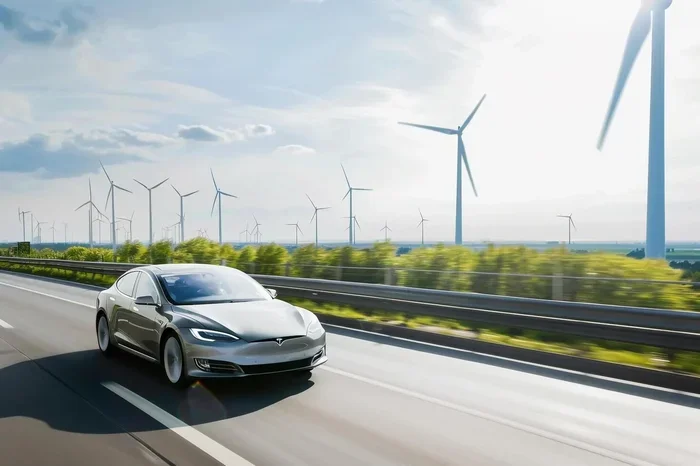
Manufacturers use two main methods to cool down EVs. The first is liquid cooling. A coolant fluid flows through channels around the battery cells. It absorbs heat and carries it away. This is the most common method in cars like the Tesla Model 3 and the Chevrolet Bolt.
The second method is air cooling. Some older or simpler EVs use fans to push air across the battery pack. Air cooling works fine in mild climates. But it struggles in extreme heat or during fast charging sessions.
Many newer EVs use a mix of both. This hybrid approach gives the best results. It keeps the battery at the ideal temperature no matter what the weather throws at you.
Common Causes of Electric Car Overheating
Understanding what causes overheating helps you prevent it. Here are the most common reasons your EV might run hot.
Fast Charging at High Speeds
Fast charging pushes a lot of electricity into your battery in a short time. This generates heat. The more you fast charge, the more stress you put on the battery cells. EV charging heat is a real concern, especially during summer months.
Does this mean you should avoid fast chargers? Not at all. Just be smart about it. Limit fast charging to when you really need it. Use Level 2 charging at home whenever possible. Your battery will thank you.
Extreme Outdoor Temperatures
Living in a hot climate puts extra strain on your EV. When the ambient temperature climbs above 100 degrees Fahrenheit, your cooling system has to work overtime. Summer heat electric car performance can dip noticeably. You might see reduced range and slower acceleration.
Even cold weather plays a role. In freezing temperatures, the battery needs extra energy to warm itself up. This can cause temporary overheating during the warming phase. Both extremes matter.
Driving Habits and Heavy Loads
How you drive affects your battery temperature. Aggressive acceleration, towing heavy loads, and driving up steep hills all generate extra heat. The electric motor works harder, and the battery drains faster. This creates a cycle where more heat leads to more strain.
If you haul gear for a camping trip or tow a trailer, keep an eye on your temperature gauge. Take breaks when needed. Let your car cool down before pushing it hard again.
Regenerative Braking and Heat Buildup
Regenerative braking heat is another factor many EV owners overlook. When you use regenerative braking, the electric motor acts as a generator. It converts kinetic energy back into electricity. This process produces heat. On long downhill drives, that heat can build up fast.
Some EVs handle this better than others. Cars with advanced cooling systems can manage regen braking heat with ease. But if your EV uses basic air cooling, you might notice performance dips on long mountain descents.
Signs Your Electric Car Is Overheating
Catching overheating early can save you from costly repairs. Here are the most common EV overheating symptoms to watch for.
Warning Lights on the Dashboard
This is the most obvious sign. If you see a battery warning light or a temperature alert, pay attention immediately. Most modern EVs display a clear message on the dashboard. It might say something like “Battery Temperature High” or “Reduce Power.”
Do not ignore these warnings. Pull over safely and let your car cool down. Continuing to drive when the battery is overheating can cause permanent damage.
Reduced Driving Range
Have you noticed your range dropping faster than usual? Overheating batteries lose efficiency. They cannot hold as much charge, and they drain quicker. If your electric vehicle range heat drops suddenly, check your battery temperature.
A healthy EV should maintain consistent range under normal conditions. A sudden dip is a red flag worth investigating.
Unusual Sounds or Smells
Your electric car should be nearly silent. If you hear grinding, buzzing, or a hissing noise, something is wrong. A burning smell is another serious warning sign. These could indicate that the battery or motor is overheating beyond safe limits.
Trust your senses. If something smells off or sounds strange, stop driving and get help.
Slow Charging or Charging Errors
When your battery gets too hot, it will resist fast charging. The charger might slow down or stop altogether. This is a built-in safety feature. Your car is protecting itself from further damage.
If you experience this often, it is time to check your battery health and cooling system.
How to Prevent Electric Car Overheating
Prevention is always better than cure. Here are practical steps you can take today to keep your EV cool.
Pre-Condition Your Vehicle
Most modern EVs let you pre-condition the battery while still plugged in. This means the cooling system starts working before you even drive off. Use this feature in hot weather or before long trips.
Tesla calls this “Preconditioning for Supercharging.” Other brands have similar features. Check your owner manual to learn how to activate it on your car.
Charge Smart, Not Fast
Limit fast charging to emergencies or long road trips. Use Level 2 home charging for your daily routine. This puts less stress on the battery and keeps temperatures stable.
Here is a quick comparison to help you understand the differences.
| Charging Type | Speed | Heat Generated | Best For |
|---|---|---|---|
| Level 1 (120V) | Slow | Very Low | Overnight charging at home |
| Level 2 (240V) | Moderate | Low | Daily home charging |
| DC Fast Charging | Very Fast | High | Road trips and emergencies |
Keep Your Coolant System Maintained
Your EV’s liquid cooling system needs regular checks. Coolant levels should stay within the recommended range. Old or contaminated coolant loses its effectiveness over time.
Ask your dealer or certified mechanic to inspect the cooling system during every service visit. It is a small step that prevents big problems.
Park in the Shade
This one sounds simple, but it works. Parking in the shade or in a garage keeps your battery cooler. On a 95-degree day, a car parked in direct sunlight can sit 20 to 30 degrees hotter than one in the shade.
Use a sunshade on your windshield too. It keeps the interior cooler and reduces the workload on your battery when you start driving.
Avoid Overloading Your Vehicle
Every extra pound your EV carries means more work for the motor and battery. Do not overload your car with heavy cargo unless you need to. Keep your load as light as practical for daily driving.
Drive Smoothly in Hot Weather
Gentle acceleration and steady speeds keep heat generation low. Avoid jackrabbit starts and hard braking. Smooth driving is not only safer, it also keeps your battery temperature in check.
Quick Tips to Keep Your EV Cool
- Pre-condition your battery before long drives
- Use Level 2 charging for daily routines
- Park in shaded or covered areas
- Check coolant levels at every service
- Avoid fast charging in extreme heat
- Drive smoothly on hot days
- Keep your tires properly inflated
What Happens If an Electric Car Overheats?
Let us talk about the worst-case scenarios. What actually happens when an EV overheats and nothing is done about it?
Temporary Power Reduction
Most modern EVs will reduce power output when the battery gets too hot. This is called “limp mode.” Your car will still drive, but it will feel sluggish. The top speed drops. Acceleration becomes sluggish. This is your car telling you to cool down.
Once the battery temperature drops back to normal, full power returns. No permanent damage is done in most cases.
Long-Term Battery Degradation
Repeated overheating causes cumulative damage. Over time, the battery cells lose capacity. Your driving range shrinks. The overall lifespan of the battery shortens. This is why prevention matters so much.
EV battery health is one of the most valuable assets of your vehicle. Protecting it from heat damage pays off in the long run.
Rare but Serious: Thermal Runaway
Thermal runaway is the scariest outcome. It happens when one battery cell overheats and triggers a chain reaction in neighboring cells. The temperature spikes rapidly. The battery can catch fire or explode.
Here is the good news. This is incredibly rare. EV manufacturers build multiple safety layers into every battery pack. There are shut-off switches, flame-retardant materials, and pressure relief vents. The chances of thermal runaway are extremely low if you maintain your vehicle properly.
Expert Insights on EV Cooling Technology
We spoke with automotive engineers about how EV battery thermal management has evolved. The consensus is clear. Modern cooling systems are remarkably effective. But they are only as good as the maintenance routine behind them.
“The biggest mistake EV owners make is assuming their car needs zero maintenance,” says one senior engineer at a major EV manufacturer. “The cooling system, the coolant, and the battery conditioning all need attention. A few simple habits go a long way.”
Another expert pointed out that electric car maintenance is actually simpler than maintaining a gas car. There are fewer moving parts. No oil changes. But the cooling system still needs periodic servicing. Coolant flushes, for example, should happen every 50,000 miles or as recommended by the manufacturer.
Industry leaders like Tesla, Rivian, and Ford have invested heavily in advanced cooling systems. The Ford Mustang Mach-E uses an integrated liquid cooling system that keeps the battery within optimal temperature range. Tesla vehicles use a sophisticated network of coolant channels that wrap around each module of the battery pack. These engineering marvels make overheating far less likely than many people assume.
Common Mistakes That Lead to Overheating
Here are the mistakes EV owners make most often when it comes to heat management.
Ignoring Dashboard Warnings
Some drivers see a warning light and keep driving. This is the worst thing you can do. Dashboard alerts exist for a reason. Address them immediately.
Charging to 100% Every Day
Charging your battery to full capacity every day generates more heat than necessary. Most experts recommend charging to 80 or 90 percent for daily use. Reserve 100 percent for long trips only.
Skipping Scheduled Maintenance
EVs still need regular check-ups. Skipping service appointments means missing early signs of cooling system issues. Stay on top of your maintenance schedule.
Leaving the Car in Direct Sunlight for Days
A single hot day is manageable. But leaving your EV parked in direct sunlight for weeks without a cover causes gradual battery stress. Use a car cover or garage whenever possible.
Key Takeaways
- EV batteries can overheat: High temperatures and fast charging put extra stress on your battery pack.
- Cooling systems are essential: Liquid and air cooling keep your electric car at safe operating temperatures.
- Watch for warning signs: Reduced range, warning lights, and strange noises signal potential overheating.
- Simple habits help a lot: Pre-conditioning, smart charging, and avoiding extreme heat go a long way.
- Regular maintenance matters: Checking coolant levels and battery health prevents long-term damage.
- EVs are built to handle heat: Manufacturers include thermal management systems for safety and performance.
Conclusion
So, can an electric car overheat? Yes, it can. But with modern battery thermal management and smart driving habits, overheating is rare and usually preventable. Your EV is designed to handle heat better than you might expect.
The key is staying proactive. Watch for warning signs. Follow the maintenance schedule. Charge wisely. Park smart. These small actions add up to a cooler, safer, and longer-lasting electric vehicle.
Now that you know what to look for, you can drive with confidence. No matter how hot it gets outside, you are prepared. Your electric car is ready. And you are in control.
Take care of your battery, and it will take care of you for years to come.
Frequently Asked Questions
Can an electric car overheat in hot weather?
Yes, but modern EVs have cooling systems designed to handle high temperatures. Extreme heat can push the system harder, especially during fast charging or heavy driving. Pre-conditioning your battery and parking in the shade help prevent issues.
How do I know if my electric car is overheating?
Watch for dashboard warning lights, reduced driving range, unusual sounds, or slow charging. These are the most common EV overheating symptoms. If you notice any of these, pull over and let your car cool down.
Is it safe to fast charge my electric car in summer?
Yes, but limit fast charging to when you really need it. Fast charging generates significant heat, and summer temperatures make it worse. Use Level 2 charging at home for your daily routine whenever possible.
How often should I check my EV’s coolant system?
Have the coolant system inspected at every scheduled service visit. Most manufacturers recommend a full coolant flush every 50,000 miles. Check your owner manual for the exact schedule for your specific model.
Can overheating damage my electric car battery permanently?
Repeated overheating causes gradual battery degradation over time. A single overheating event usually does not cause permanent damage if addressed quickly. Maintaining proper coolant levels and charging habits protects your battery long-term.
Do all electric cars use liquid cooling?
Most modern EVs use liquid cooling systems. Some older or budget models use air cooling instead. Liquid cooling is more effective at managing heat, especially in hot climates and during fast charging sessions.