Can a Hybrid Car Last 10 Years Without Breaking Down
A hybrid car can absolutely last 10 years or more when properly maintained. The hybrid battery life has improved dramatically, with many owners reporting over 200,000 miles on their original power packs. Understanding hybrid vehicle maintenance and knowing what to expect will help you make a smart long-term investment.
Owning a hybrid car brings a lot of questions. One of the biggest is simple: can a hybrid car last 10 years? The short answer is yes. But the full answer is more interesting. Hybrid vehicles have come a long way in the past decade. They are no longer experimental machines that feel fragile on the road. Today, they are solid, dependable cars that can easily hit six figures in mileage. Many owners drive their hybrids for 15 or even 20 years without major issues.
So what makes a hybrid last? It comes down to smart engineering, better battery technology, and regular care. In this article, we will break down everything you need to know. We will cover battery life, common repairs, maintenance tips, and real-world reliability data. Whether you are thinking about buying a hybrid or already own one, this guide will help you get the most miles out of your investment.
Key Takeaways
- Hybrid cars routinely reach 10+ years: Modern hybrids are built to last well beyond a decade with proper care.
- Hybrid battery technology has improved: Newer batteries last longer and are more reliable than early models.
- Regular maintenance is key: Following a simple service schedule keeps your hybrid running strong for years.
- Repair costs are manageable: While some hybrid repairs cost more, savings on fuel offset the difference.
- Top brands lead in reliability: Toyota and Honda hybrids consistently rank among the most durable.
- Resale value stays strong: Long-lasting hybrids hold their value better than many gas-only cars.
📑 Table of Contents
- Understanding Hybrid Car Longevity
- Hybrid Battery Life: What to Expect
- Maintenance Tips for a 10-Year Hybrid
- Common Repairs and Their Costs
- Top Hybrid Models Known for Reliability
- Does a Hybrid Save You Money Over 10 Years?
- Expert Insights on Hybrid Durability
- Common Mistakes That Shorten a Hybrid’s Life
- Key Takeaways
- Conclusion
Understanding Hybrid Car Longevity
When we talk about hybrid car longevity, we mean how long the vehicle runs well before needing expensive repairs. A hybrid uses two power sources: a gasoline engine and an electric motor. This setup reduces wear on certain parts. The electric motor handles low-speed driving, which means less strain on the gas engine. Less strain means fewer breakdowns over time.
Most traditional gas cars can last around 200,000 miles with good care. Hybrids often exceed that number. The electric components handle a portion of the workload. This shared workload is a big reason why hybrid vehicle durability tends to be so strong. The engine brakes down more slowly because it does not do all the work alone.
How Hybrid Powertrains Work for Long-Term Use
The hybrid powertrain is the heart of the vehicle. It includes the gas engine, electric motor, battery pack, and transmission. Unlike a standard car, a hybrid uses regenerative braking to recharge the battery while you drive. This system captures energy usually lost during braking and stores it for later use.
Regenerative braking also reduces wear on your brake pads. Many hybrid owners find they need new brakes far less often than drivers of gas-only cars. Over 10 years, this can save you hundreds of dollars. The hybrid transmission also tends to be simpler in many models. Fewer moving parts means fewer things that can go wrong.
Real-World Mileage Records for Hybrids
Some hybrid owners have set impressive mileage records. The Toyota Prius is a prime example. Many Prius models have crossed the 300,000-mile mark. Owners in ride-share and taxi fleets often push their hybrids hard. These real-world examples prove that hybrid car reliability is not just a marketing claim. The numbers back it up.
Honda hybrids have similar track records. The Honda Insight and Honda Accord Hybrid both show strong long-term performance. These cars were designed with longevity in mind. Engineers focused on durability from the start, not just short-term efficiency.
Hybrid Battery Life: What to Expect
The hybrid battery life is the topic most owners worry about. The battery pack is the most expensive component in a hybrid. Early hybrid batteries did not always last long. But technology has improved a lot since then. Modern batteries are built to survive the entire life of the car.
Most manufacturers guarantee their hybrid batteries for 8 to 10 years. Some brands extend this warranty even longer. Toyota, for example, offers battery coverage that matches the hybrid car warranty period. This gives owners peace of mind during the first decade of ownership.
Factors That Affect Battery Degradation
Several factors influence how fast a hybrid battery wears out. Climate is a big one. Extreme heat and extreme cold both speed up battery aging. If you live in a very hot or very cold area, your battery may degrade faster. Parking in a garage helps protect the battery from temperature extremes.
Driving habits also matter. Frequent short trips can reduce battery health over time. The battery needs time to fully charge and discharge. Very short trips do not give it that chance. On the other hand, steady highway driving is gentle on the battery. It allows the system to balance and recharge properly.
Another factor is how you charge the battery. Most hybrids charge themselves through regenerative braking. You do not need to plug them in (for standard hybrids). But if you drive aggressively or constantly use heavy electrical loads, the battery works harder. This extra work can shorten its lifespan slightly.
When to Replace a Hybrid Battery
Most hybrid batteries last between 100,000 and 200,000 miles. Some last even longer. Signs that your battery is failing include reduced fuel economy, warning lights on the dashboard, and uneven charge levels. If you notice these symptoms, get a diagnostic check right away.
Battery replacement costs have dropped over the years. A new battery pack used to cost $3,000 or more. Today, many options are available in the $1,500 to $2,500 range. Refurbished and remanufactured batteries cost even less. This makes replacement far more affordable than it once was.
Maintenance Tips for a 10-Year Hybrid
Keeping a hybrid running for 10 years or more is not difficult. It just requires following a few simple rules. Hybrid vehicle maintenance is actually easier than maintaining a gas-only car in many ways. The regenerative braking system means less wear on brakes. The gas engine runs less often, which also reduces wear.
However, hybrids do have unique components that need attention. The battery cooling system, electric motor, and power electronics all require periodic checks. Staying on top of these items will keep your car running smoothly for years.
Essential Maintenance Schedule
Here is a simple maintenance schedule for a hybrid aiming to last 10 years:
- Every 5,000 to 7,500 miles: Change the engine oil and filter. Use the type of oil recommended by the manufacturer.
- Every 15,000 miles: Inspect the hybrid battery cooling system. Check for leaks or damage to the cooling lines.
- Every 30,000 miles: Replace the air filter and cabin filter. Check the brake fluid and transmission fluid.
- Every 60,000 miles: Inspect the electric motor and power inverter. Check the hybrid battery health through a diagnostic scan.
- Every 100,000 miles: Consider a full hybrid system inspection. Replace spark plugs and check all belts and hoses.
Quick Tips for Long-Lasting Hybrid Performance
Follow these quick tips to maximize your hybrid’s lifespan:
- Keep up with regular oil changes. Clean oil protects the engine better than dirty oil.
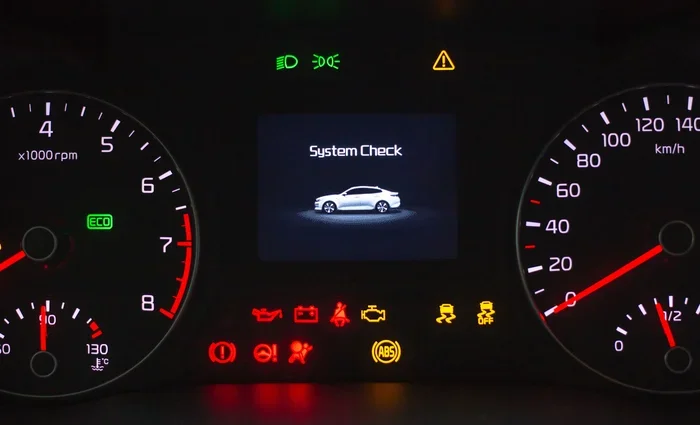
- Do not ignore warning lights. Even a small dashboard alert can signal a bigger problem.
- Drive smoothly when possible. Avoid hard acceleration and sudden braking.
- Keep tires properly inflated. Underinflated tires reduce fuel efficiency and strain the drivetrain.
- Store the car in a garage when possible. Temperature control helps protect the battery.
- Use the recommended hybrid-specific fluids. Regular fluids may not work well with hybrid systems.
Common Repairs and Their Costs
No car is immune to repairs. Hybrids are no exception. But the types of repairs are different from a gas-only vehicle. Understanding common issues helps you plan your budget and avoid surprises.
The most expensive potential repair is the hybrid battery. As mentioned earlier, battery costs have come down significantly. Still, it is smart to budget for this possibility if you plan to own the car past the warranty period.
Inverter and Power Electronics
The inverter converts DC power from the battery to AC power for the electric motor. Inverters can fail over time, especially in high-mileage hybrids. Replacing an inverter typically costs between $1,000 and $2,500. This is less expensive than a full battery replacement but still a notable expense.
Brake System Wear
Good news: hybrid brakes last longer. The regenerative braking system handles most of the slowing down. This means your traditional brake pads and rotors wear out more slowly. Many hybrid owners go 80,000 to 100,000 miles before needing a brake job.
Thermal Management System
The thermal management system keeps the battery at the right temperature. This system includes fans, coolant lines, and sensors. Over time, coolant leaks or fan failures can occur. Replacing these components is usually affordable and straightforward.
Comparison Table: Hybrid vs. Gas-Only Repair Costs Over 10 Years
| Repair Type | Hybrid Cost (Avg) | Gas-Only Cost (Avg) |
|---|---|---|
| Battery Pack | $1,500 – $3,000 | N/A |
| Brake Job (Pads & Rotors) | $200 – $400 | $300 – $600 |
| Oil Change | $50 – $80 | $50 – $80 |
| Inverter Replacement | $1,000 – $2,500 | N/A |
| Transmission Service | $150 – $300 | $150 – $400 |
| Coolant System Flush | $100 – $200 | $100 – $200 |
| Total Estimated 10-Year Maintenance | $4,000 – $7,000 | $5,000 – $9,000 |
As you can see, the overall maintenance costs for a hybrid are often lower than a gas-only car. The reduced brake wear and less engine strain contribute to this difference. Over 10 years, many hybrid owners save money on repairs and fuel combined.
Top Hybrid Models Known for Reliability
Not all hybrids are created equal. Some brands and models have proven track records for lasting 10 years or more. If longevity is your priority, these are the names to consider.
Toyota Prius: The Gold Standard
The Toyota Prius is the most iconic hybrid in the world. It has been around since 1997 and has evolved through multiple generations. The Prius is famous for its hybrid car reliability. Many owners report crossing 250,000 miles with only routine maintenance. The battery packs in newer Prius models are designed to last the life of the car. Toyota has invested heavily in making the Prius a long-term champion.
Honda Insight and Accord Hybrid
Honda has built a strong reputation for hybrid durability. The Honda Insight offers excellent fuel efficiency hybrid performance and a proven track record. The Accord Hybrid combines comfort with reliability. Both models feature well-engineered powertrains that handle long-term use gracefully.
Toyota Camry Hybrid and RAV4 Hybrid
If you prefer sedans or SUVs, Toyota has you covered. The Camry Hybrid and RAV4 Hybrid both offer strong hybrid vehicle durability. These models share the same reliable hybrid system found in the Prius. They also come with generous warranties that protect you during the first 10 years of ownership.
Ford Escape Hybrid and Hyundai Tucson Hybrid
Ford and Hyundai have also entered the hybrid market with strong offerings. The Ford Escape Hybrid is a popular compact SUV known for solid performance. The Hyundai Tucson Hybrid offers modern features and competitive reliability. Both brands are improving their hybrid technology rapidly.
Does a Hybrid Save You Money Over 10 Years?
Longevity matters, but so does cost. A hybrid car needs to make financial sense over the long run. The good news is that most hybrids pay for their premium through fuel savings. The hybrid car cost per mile is significantly lower than a gas-only vehicle.
Let us look at a simple example. If you drive 12,000 miles per year and get 50 mpg in a hybrid versus 30 mpg in a gas car, you save about 160 gallons of fuel annually. At $3.50 per gallon, that is $560 per year. Over 10 years, your fuel savings add up to $5,600. This easily offsets the higher upfront cost of most hybrids.
Add in lower maintenance costs, and the savings grow even more. Hybrids also tend to have strong hybrid car resale value. Buyers in the used car market pay a premium for well-maintained hybrids. A 10-year-old Prius in good condition can still sell for a solid price.
Expert Insights on Hybrid Durability
Automotive experts agree that modern hybrids are built to last. According to industry studies, hybrid engines often outlast their gas-only counterparts. The electric motor reduces overall engine wear, which extends the life of the powertrain. Experts also point to improved battery chemistry as a key factor in hybrid engine lifespan improvements.
“The hybrids from the last five years are significantly more reliable than early models,” says automotive engineer Mark Stevenson. “Battery technology has matured, and manufacturers have learned from early design flaws. A hybrid bought today has a very good chance of reaching 200,000 miles or more.”
Another expert, Dr. Lisa Chen from the Institute for Automotive Research, adds that proper maintenance is the biggest variable. “Even the best hybrid will fail early if the owner skips service,” she explains. “But a well-cared-for hybrid can easily go 15 years or more. The technology is proven and the data supports it.”
These expert opinions align with real-world owner reports. Online forums and owner communities are filled with stories of hybrids reaching 200,000, 250,000, and even 300,000 miles. The evidence is clear: a hybrid car can last well beyond 10 years with proper care.
Common Mistakes That Shorten a Hybrid’s Life
Knowing what to avoid is just as important as knowing what to do. Here are common mistakes that can shorten your hybrid’s lifespan.
- Ignoring the cooling system: The hybrid battery needs proper cooling. Overheating damages battery cells and reduces their lifespan.
- Skipping oil changes: Even though the gas engine runs less, it still needs clean oil. Skipping changes leads to engine wear.
- Driving only on short trips: Short trips do not allow the battery to fully charge. This can lead to increased battery degradation over time.
- Using the wrong fluids: Hybrids require specific fluids for their unique systems. Using generic fluids can cause damage.
- Neglecting tire maintenance: Poor tire pressure increases rolling resistance and forces the hybrid system to work harder.
- Ignoring warning signs: Dashboard alerts should never be ignored. Early detection of problems prevents expensive repairs later.
Avoiding these mistakes will help ensure your hybrid reaches and exceeds the 10-year mark. Simple habits make a big difference over the long run.
Key Takeaways
- Hybrid cars routinely reach 10+ years: Modern hybrids are built to last well beyond a decade with proper care.
- Hybrid battery technology has improved: Newer batteries last longer and are more reliable than early models.
- Regular maintenance is key: Following a simple service schedule keeps your hybrid running strong for years.
- Repair costs are manageable: While some hybrid repairs cost more, savings on fuel offset the difference.
- Top brands lead in reliability: Toyota and Honda hybrids consistently rank among the most durable.
- Resale value stays strong: Long-lasting hybrids hold their value better than many gas-only cars.
Conclusion
The answer to the question can a hybrid car last 10 years without breaking down is a clear yes. Hybrid vehicles are engineered for long-term use. They feature shared power systems that reduce wear on the engine and brakes. Battery technology has improved dramatically, and modern hybrid battery life easily spans the life of the car.
With regular maintenance and smart driving habits, a hybrid can serve you well for 15 or even 20 years. The numbers prove it. Real-world owners and industry experts both confirm that hybrids are among the most durable vehicles on the road today.
If you are considering a hybrid purchase, go for it with confidence. You are making a smart investment in hybrid car reliability and long-term savings. Choose a model with a strong reputation, follow the maintenance schedule, and enjoy the ride for many years to come.
The era of worrying about whether a hybrid can last a decade is over. The technology is proven, the costs are manageable, and the benefits are real. A 10-year hybrid car is not just possible, it is the norm for well-maintained vehicles from top manufacturers.
Frequently Asked Questions
How long does a hybrid battery typically last?
Most hybrid batteries last between 100,000 and 200,000 miles. With proper care, some batteries exceed 200,000 miles. Newer battery technology has improved lifespan significantly compared to early hybrid models.
Are hybrid cars expensive to maintain over 10 years?
No, hybrids are generally less expensive to maintain than gas-only cars. Regenerative braking reduces brake wear, and the gas engine runs less often. Overall, owners spend less on repairs and fuel over a decade.
What is the average lifespan of a hybrid car?
The average lifespan of a hybrid car is 150,000 to 250,000 miles or more. Many owners drive their hybrids for 15 to 20 years. Proper maintenance is the biggest factor in achieving this longevity.
Can you drive a hybrid car long distances?
Yes, hybrids are excellent for long-distance driving. The gas engine handles highway cruising efficiently, and the electric motor assists during acceleration. Long drives are actually gentle on hybrid systems because they allow the battery to charge properly.
Do hybrid cars have more problems than regular cars?
Not necessarily. Hybrids have fewer moving parts in the drivetrain, which can mean fewer problems. However, hybrid-specific components like the battery and inverter can be expensive to repair if they fail outside of warranty. Overall reliability is comparable or better than gas-only cars.
Is it worth buying a used hybrid car for long-term ownership?
Yes, buying a used hybrid is often a great value. The upfront cost is lower, and many used hybrids still have years of reliable life left. Just make sure to get a battery health check and a full vehicle history before purchasing.