How Long Does a Full Car Diagnostic Take to Complete
A full car diagnostic typically takes between 30 minutes and 2 hours, depending on the vehicle, the type of issues, and the equipment used. A basic scan for fault codes can finish in under 30 minutes, while a deep diagnostic covering multiple systems may take longer. Understanding the process helps you plan your visit and avoid surprises at the auto shop.
You drive your car to the shop. The mechanic plugs in a device. And then you wait. But wait for how long? If you have ever wondered how long does a full car diagnostic take, you are not alone. Many car owners face this question every time their check engine light flashes or their vehicle starts acting strange.
A full car diagnostic is a thorough check of your vehicle’s systems. It uses specialized diagnostic equipment to read data from your car’s computer. The time it takes can vary a lot. Some tests finish in minutes. Others take a couple of hours. Knowing what to expect helps you plan your day and feel more confident about the process.
In this article, we will break down everything you need to know. We will cover the steps involved, the factors that affect timing, and what you can do to speed things up. By the end, you will have a clear picture of the entire vehicle diagnostic process.
Key Takeaways
- Average time: A full car diagnostic usually takes 30 minutes to 2 hours.
- Simple scans: A basic OBD-II scan for check engine light issues can be done in 15-30 minutes.
- Complex diagnostics: Deep engine, transmission, or electrical diagnostics may take 2+ hours.
- Vehicle type matters: Older cars and luxury vehicles often require more time.
- Pre-booking helps: Scheduling an appointment saves you waiting time at the shop.
- Cost varies: Diagnostic fees range from $50 to $200 depending on complexity.
- Regular checks help: Routine vehicle health checks can catch problems early and save time.
📑 Table of Contents
- What Happens During a Full Car Diagnostic?
- How Long Does Each Type of Diagnostic Take?
- Factors That Affect Diagnostic Time
- Quick Tips to Speed Up Your Diagnostic Appointment
- Common Mistakes People Make During Car Diagnostics
- How Much Does a Full Car Diagnostic Cost?
- Expert Insights: What Mechanics Wish You Knew
- How Often Should You Get a Full Car Diagnostic?
- Can You Do a Car Diagnostic at Home?
- What to Expect After the Diagnostic Is Complete
- Final Thoughts
What Happens During a Full Car Diagnostic?
A car diagnostic test is not just one single action. It involves several steps. Each step checks a different part of your vehicle. Let us walk through what actually happens when a mechanic performs a full vehicle diagnostic.
Step 1: Connecting the Scan Tool
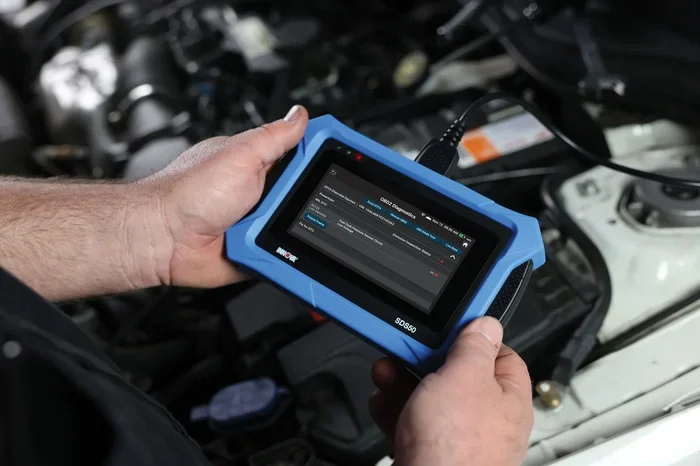
The first step is plugging a scan tool or OBD scanner into your car’s OBD-II port. This port is usually found under the dashboard on the driver’s side. The scanner connects to your car’s Engine Control Unit (ECU). This is the brain of your vehicle that monitors all major systems.
Once connected, the tool starts communicating with the car’s computer. It looks for any stored diagnostic trouble codes (DTCs). These codes are like error messages. They tell the mechanic what might be wrong. This initial connection usually takes just a few minutes.
Step 2: Reading Fault Codes
After the connection is live, the scanner pulls up any fault codes stored in the system. These codes point to specific problems. For example, a code might indicate an issue with the oxygen sensor or the catalytic converter. Reading these codes is the fastest part of the process. It often takes less than 10 minutes.
But here is the thing. A fault code is only the starting point. It tells the mechanic where to look. It does not always tell the full story. That is why a full diagnostic goes much deeper than just reading codes.
Step 3: Live Data Analysis
Next, the mechanic checks live data from various sensors. This shows how different systems are performing right now. They look at things like engine RPM, coolant temperature, fuel trim, and sensor readings. This step helps identify problems that do not always trigger a fault code.
Live data analysis can take anywhere from 15 to 45 minutes. It depends on how many systems the mechanic needs to check. A thorough engine diagnostic will cover all major sensors and parameters.
Step 4: Physical Inspection and Testing
Sometimes the computer data is not enough. The mechanic may need to do a physical inspection. This could include checking wires, connectors, hoses, and components. They might also perform specific tests. For example, a compression test or a leak-down test for the engine.
This hands-on step adds more time. It is especially true for complex issues. A transmission diagnostic, for instance, may require road testing and additional specialized tools.
Step 5: Reporting and Recommendations
Once all the data is gathered, the mechanic reviews everything. They compile the findings into a report. This report explains what is wrong and what needs to be fixed. The mechanic will also give you repair recommendations and cost estimates.
This final step usually takes 10 to 20 minutes. The mechanic will walk you through the results and answer any questions you have.
How Long Does Each Type of Diagnostic Take?
Not all diagnostics are the same. The time it takes depends on what kind of test is being done. Let us look at the different types and their typical time frames.
| Diagnostic Type | Average Time | What It Covers |
|---|---|---|
| Basic OBD-II Scan | 10-20 minutes | Reads fault codes for engine and emissions systems |
| Standard Full Diagnostic | 30-60 minutes | Engine, emissions, and major sensor systems |
| Deep Engine Diagnostic | 1-2 hours | Comprehensive engine analysis including live data and physical checks |
| Transmission Diagnostic | 1-2 hours | Transmission fluid, solenoids, shift patterns, and ECU testing |
| Full Vehicle Health Check | 2-3 hours | All systems including brakes, suspension, electrical, and HVAC |
| Electrical System Diagnostic | 1-2 hours | Battery, alternator, starter, wiring, and fuse box |
As you can see, the time range is wide. A simple check engine light diagnostic is quick. But a comprehensive automotive diagnostic covering every system takes significantly longer. Always ask your mechanic what is included in their diagnostic service before they start.
Factors That Affect Diagnostic Time
Why does one diagnostic take 30 minutes while another takes three hours? Several factors come into play. Understanding these can help you set the right expectations.
Age and Model of Your Vehicle
Older vehicles often have simpler systems. A car from the 1990s might have fewer sensors and a less complex ECU. This can make diagnostics faster. On the other hand, modern vehicles from 2015 and newer have dozens of computers and sensors. A luxury car diagnostic on a high-end model can take extra time because of all the advanced systems.
Type of Problem
The nature of the problem plays a big role. A clear fault code like a loose gas cap can be fixed in minutes. But intermittent issues are much harder to pin down. A problem that only happens when the engine is cold, for example, may require extended monitoring. The mechanic might need to drive the car or run tests over a longer period.
Quality of Diagnostic Equipment
The tools matter a lot. A basic OBD-II scanner can read generic codes quickly. But a professional-grade diagnostic machine can do much more. It can access manufacturer-specific codes, perform active tests, and analyze data in real time. Better equipment can actually speed up the process because it provides more accurate information faster.
Experience of the Mechanic
A seasoned mechanic with years of experience often works faster. They know where to look and what tests to run. A less experienced technician might spend more time exploring different possibilities. This is one reason why choosing a trusted auto repair shop matters for your diagnostic experience.
Number of Systems Being Checked
A focused diagnostic targets one or two systems. A full vehicle diagnostic checks everything. The more systems included, the longer it takes. If you want a comprehensive check, plan for at least an hour or two.
Quick Tips to Speed Up Your Diagnostic Appointment
You cannot control everything about the diagnostic process. But there are things you can do to make it smoother and faster. Here are some practical tips.
- Note down symptoms beforehand. Write down any unusual sounds, smells, or behaviors. When did the problem start? What were you doing when it happened? This information helps the mechanic narrow things down quickly.
- Check your gas cap. A loose or damaged gas cap is one of the most common reasons for a check engine light. Tightening it or replacing it might save you a trip to the shop entirely.
- Bring your service records. If you have maintenance history, share it with the mechanic. This gives them context and helps them focus on the right areas.
- Book an appointment. Walk-ins often involve waiting. Scheduling ahead ensures the shop is ready for your vehicle when you arrive.
- Ask for a pre-diagnostic estimate. Many shops will give you a rough idea of the diagnostic fee before they start. This prevents surprises later.
- Be available by phone. If the mechanic finds something unexpected, they might need your input. Being reachable saves time.
Common Mistakes People Make During Car Diagnostics
Avoiding these common mistakes can save you time and money during the diagnostic process.
Ignoring the Check Engine Light
Some drivers ignore the check engine light for weeks or even months. This is a big mistake. The longer you wait, the more potential damage can occur. What starts as a small issue can turn into a major car repair if left unchecked. Get your vehicle checked as soon as the light comes on.
Assuming the First Fix Is Always Right
A fault code gives a clue, not a final answer. For example, a misfire code could point to spark plugs, ignition coils, or fuel injectors. Jumping to a conclusion without proper car troubleshooting can lead to unnecessary part replacements. Always let the mechanic do a thorough investigation.
Skipping the Follow-Up Test
After a repair is done, the mechanic should run the diagnostic test again. This confirms the fix worked. Skipping this step means the problem might not actually be solved. Always ask for a post-repair verification scan.
Choosing the Cheapest Option Without Research
Low diagnostic fees can be tempting. But cheap does not always mean good. A shop using outdated equipment might miss important codes. Invest in a reputable shop that uses modern diagnostic equipment and has qualified technicians.
How Much Does a Full Car Diagnostic Cost?
The diagnostic fee varies depending on several factors. On average, you can expect to pay between $50 and $200 for a full car diagnostic. A basic OBD-II scan might cost as low as $20 at some shops. A comprehensive diagnostic covering multiple systems will be on the higher end.
Some shops deduct the diagnostic fee from the repair cost if you choose them to do the fix. This is a great way to save money. Always ask about this policy before the diagnostic begins.
Keep in mind that the cost is worth it. A proper diagnostic identifies the root cause. This prevents wasted money on unnecessary parts or repairs. It is an investment in your vehicle’s long-term health.
Expert Insights: What Mechanics Wish You Knew
We spoke with several experienced mechanics to get their perspective on the diagnostic process. Here is what they had to say.
“A lot of people think we just plug in a machine and it tells us everything. The truth is, the scan tool gives us clues. The real work starts after that. We have to interpret the data, run tests, and piece together the puzzle. That takes time and skill,” says Mark Torres, a certified ASE mechanic with 18 years of experience.
“The biggest thing I want customers to know is that a diagnostic is not just a quick plug-in. It is a thorough investigation. The time we spend is what ensures you get the right repair the first time,” adds Sarah Lin, an automotive specialist at a major dealership.
These insights highlight an important point. A full car diagnostic is not just about reading codes. It is about understanding your vehicle deeply. The time spent is what makes the difference between a temporary fix and a lasting solution.
How Often Should You Get a Full Car Diagnostic?
You do not need a diagnostic every week. But regular checks are a smart idea. Here is a general guideline:
- When the check engine light comes on: This is the most obvious reason. Do not delay getting it checked.
- During routine maintenance: A vehicle health check at every oil change or annual service can catch small issues early.
- Before a long road trip: A quick diagnostic before a big trip gives you peace of mind and helps avoid breakdowns on the road.
- After a repair: A follow-up diagnostic confirms that the fix resolved the problem.
- When buying a used car: A pre-purchase diagnostic can reveal hidden problems and save you from a costly mistake.
Regular car maintenance and occasional diagnostics go hand in hand. They keep your vehicle running smoothly and help you avoid expensive repairs down the road.
Can You Do a Car Diagnostic at Home?
Yes, you can. Many OBD-II scanners are available for home use. You can buy a basic scan tool for $20 to $100. These devices plug into your OBD-II port and read fault codes. Some even connect to your smartphone via Bluetooth.
However, a home diagnostic has limitations. It can read codes and give you basic information. But it cannot replace a professional full vehicle diagnostic. A mechanic has access to advanced tools, live data analysis, and hands-on testing that a basic home scanner cannot provide.
If you do use a home scanner, here are a few tips:
- Get a scanner that reads both generic and manufacturer-specific codes.
- Write down the codes and look them up online for a general idea of the problem.
- Do not try to repair anything you are not comfortable with.
- Use the home scan as a starting point, not a final diagnosis.
A home scan can tell you if the issue is urgent or if you can safely drive to the shop. It is a useful tool for any car owner.
What to Expect After the Diagnostic Is Complete
Once the diagnostic process is done, the mechanic will share the results with you. Here is what typically happens next.
First, they will explain the fault codes and what they mean. They will tell you which systems are affected and how severe the issue is. Then they will provide a list of recommended repairs with cost estimates.
You have the choice to approve the repairs or seek a second opinion. If you approve, the mechanic will proceed with the fixes. After the repairs, they will run another diagnostic to confirm everything is working correctly.
This follow-up scan is important. It ensures that the car troubleshooting was successful and that no new issues were introduced during the repair.
Final Thoughts
So, how long does a full car diagnostic take? The answer is: it depends. Most diagnostics take between 30 minutes and 2 hours. A basic scan is quick. A comprehensive check takes more time. But that time is well spent. A proper diagnostic identifies the real problem and helps you avoid costly mistakes.
Understanding the process makes you a smarter car owner. You know what to expect. You can plan your time better. And you can communicate more effectively with your mechanic. The next time your check engine light comes on or your car starts acting up, you will know exactly what is involved.
Take care of your vehicle with regular diagnostics. It is one of the best things you can do for your car’s longevity and performance. A little time invested now can save you a lot of trouble later.
Frequently Asked Questions
Can a full car diagnostic be done in 30 minutes?
A basic diagnostic that only reads fault codes can often be completed in 30 minutes or less. However, a full comprehensive diagnostic that checks multiple systems and performs live data analysis typically takes longer. The 30-minute timeframe is usually only for a quick scan.
Is it worth paying for a car diagnostic if the check engine light is on?
Absolutely. The check engine light can signal anything from a loose gas cap to a serious engine problem. A diagnostic identifies the exact cause so you do not waste money on guesswork or unnecessary repairs. It is a small cost that can save you a lot in the long run.
Can I drive my car while waiting for the diagnostic?
In most cases, yes. If the issue is minor, your car may be safe to drive. However, if the mechanic finds a serious problem during the diagnostic, they will advise you not to drive it. Always ask the mechanic for guidance before leaving your car at the shop.
Does every auto shop use the same diagnostic equipment?
No. Shops vary in the quality and type of diagnostic tools they use. Dealerships often have manufacturer-specific equipment. Independent shops may use professional-grade universal scanners. Basic quick-lube locations might only have simple code readers. The equipment used affects both the time and accuracy of the diagnostic.
How often should I get a full car diagnostic?
There is no set schedule, but it is a good idea to get a diagnostic whenever the check engine light comes on, before a long trip, or during routine maintenance. For most drivers, getting a diagnostic once or twice a year as part of regular car maintenance is a smart practice.
Will the diagnostic fix my car?
A diagnostic identifies the problem but does not fix it. Think of it as a health checkup for your car. It tells you what is wrong so you can decide on the right repair. The actual fix is a separate service that comes after the diagnostic is complete.
=== CONCLUSION ===
A full car diagnostic is an essential part of vehicle care. It typically takes between 30 minutes and 2 hours depending on the complexity of the issue and the type of vehicle you drive. Whether you need a quick scan for a check engine light or a deep dive into your car’s electrical system, knowing what to expect makes the process less stressful.
Use the tips in this article to prepare for your next diagnostic appointment. Note your symptoms, ask the right questions, and choose a shop with good equipment and experienced technicians. Taking an active role in your car repair journey leads to better outcomes and saves you both time and money.
Your vehicle works hard for you every day. Give it the care it deserves with regular diagnostics and prompt attention to any warning signs. A little time spent on car troubleshooting today can prevent big headaches tomorrow.