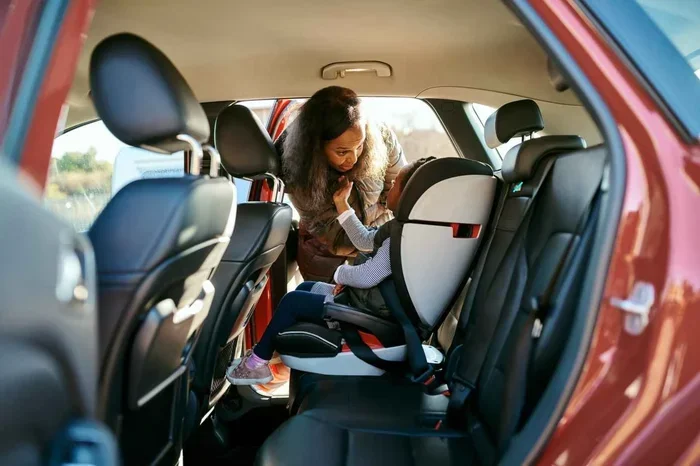
Can My Child Safely Ride in Uber Without a Car Seat
Many parents wonder whether it is safe or legal to let their child ride in Uber without a car seat. The answer depends on your state laws, your child’s age and size, and the type of Uber service you use. While some places allow children to ride without a dedicated car seat, experts strongly recommend using a proper child restraint system for every ride to ensure maximum child passenger safety.
You are in a rush. The kids are hungry. Your phone buzzes with the Uber confirmation. You grab your bags, load up the little ones, and head out the door. But then a thought hits you — can my child ride in Uber without a car seat?
This is a question thousands of parents ask every single day. The short answer is that it depends. It depends on where you live, how old your child is, and what the law says in your area. But the longer answer matters more. Your child’s safety on every ride is what really counts. Let us walk through everything you need to know about child passenger safety in rideshare vehicles.
Rideshare services like Uber have changed the way families get around. They are convenient, affordable, and available almost everywhere. But when it comes to transporting young children, the rules are not always clear. Many parents assume that because Uber does not require a car seat, it is fine to skip one. That assumption can lead to risky situations. Understanding the full picture helps you protect your child and stay on the right side of the law.
In this article, we will cover the official Uber policy on child passengers. We will break down the car seat laws that vary by state. We will look at the different types of car seats your child may need. We will also share practical tips for traveling with kids in rideshares. By the end, you will feel confident and prepared for every ride with your little one.
Key Takeaways
- Uber’s official policy does not require car seats, but local laws may differ. Always check your state or city regulations before booking a ride.
- Children under a certain height and weight should always use a booster seat or car seat, regardless of the vehicle they are riding in.
- Uber offers UberXL and other vehicle options that may provide more space for installing a car seat, but they do not supply one themselves.
- Portable and travel-friendly car seats are excellent alternatives for families who frequently use rideshare services.
- Common mistakes include assuming all rideshare drivers follow car seat laws and not verifying local regulations before traveling.
- Expert pediatricians and safety organizations recommend using a proper child restraint for every single ride, no matter the distance.
- Knowing your rights and responsibilities as a parent helps you make informed decisions about safe transportation for your child.
📑 Table of Contents
- What Is Uber’s Official Policy on Children Riding Without a Car Seat?
- Car Seat Laws by State: What You Need to Know
- Types of Car Seats Your Child May Need in an Uber
- Practical Tips for Riding Uber With a Child
- Common Mistakes Parents Make When Riding Uber With Kids
- Alternatives to Riding Uber With a Car Seat
- Key Takeaways
- Frequently Asked Questions
- Final Thoughts
What Is Uber’s Official Policy on Children Riding Without a Car Seat?
Uber’s terms of service do not forbid children from riding in their vehicles. However, the company does not provide car seats or booster seats for passengers. This means that the responsibility falls entirely on the parent or guardian to bring and install the proper child restraint system. Uber expects adults to follow all local laws regarding child safety seats.
Here is what Uber’s policy says in simple terms:
- Children of any age are allowed to ride. There is no minimum age requirement set by Uber.
- Parents must bring their own car seats. Uber does not supply them in any vehicle type.
- The driver is not responsible for providing or installing a car seat. This is a common misunderstanding many parents have.
- UberX, UberXL, and other service types all follow the same policy regarding child passengers.
- Uber does not verify whether a child has a proper restraint. It is up to the adult passenger to comply with the law.
Because Uber does not enforce car seat rules, many parents mistakenly believe it is acceptable to ride without one. But local and state laws still apply. Uber’s lack of a car seat requirement does not override legal obligations. Always check your local regulations before letting your child ride without a proper seat.
Understanding Uber’s Stance on Child Passenger Safety
Uber’s position is clear from a company perspective. They leave the decision and the responsibility to the parent. This approach gives flexibility, but it also places a burden on families. You need to know what kind of child safety seat your child needs based on their age, weight, and height.
For example, an infant who weighs under 20 pounds needs a rear-facing car seat. A toddler who has outgrown the rear-facing seat may need a forward-facing car seat with a harness. Older children who are too tall for a harness seat will need a booster seat until they are big enough to use a regular seat belt safely.
The key takeaway is that Uber does not replace the need for a car seat. They simply provide the vehicle. Your job as a parent is to bring the right safety equipment every time you ride.
Car Seat Laws by State: What You Need to Know
Car seat laws in the United States vary significantly from state to state. There is no single federal law that dictates how children must be restrained in rideshare vehicles. Instead, each state sets its own rules. These rules typically specify the age, weight, and height requirements for using different types of car seats.
Some states have very strict laws. Others are more relaxed. But almost all states agree on one thing — young children must be properly restrained in a vehicle. The question is whether that includes rideshare services like Uber.
States That Explicitly Include Rideshare in Car Seat Laws
A growing number of states have updated their laws to include ride-share services under car seat regulations. In these states, the same rules that apply to personal vehicles also apply to Uber and other rideshare services. Here are some examples:
- California: Children under 8 years old or under 4 feet 9 inches tall must ride in a car seat or booster seat. This applies to all vehicles, including Uber.
- New York: Children under 8 must use a child restraint system. Rideshare vehicles are included in this requirement.
- Illinois: Children under 8 must be secured in an appropriate child restraint. This covers all passenger vehicles.
- Texas: Children under 8 and under 4 feet 9 inches must use a car seat. The law applies to all vehicles transporting children.
If you live in one of these states, you cannot skip the car seat just because you are using Uber. The law treats rideshare vehicles the same as personal cars when it comes to child restraint systems.
States Where the Rules Are Less Clear
In some states, the laws do not explicitly mention rideshare services. This creates a gray area that can confuse parents. Here is what you should do if your state falls into this category:
- Assume the car seat law applies to all vehicles. Even if the law does not mention Uber specifically, it is safest to follow the general child restraint requirements.
- Check with your local Department of Motor Vehicles. They can clarify whether rideshare vehicles fall under the car seat laws in your area.
- Consult a local attorney if you are unsure. A quick legal question can save you from a costly ticket or, more importantly, keep your child safe.
When in doubt, always use a car seat. It is better to be safe than sorry. No Uber ride is worth the risk of an injury to your child.
Types of Car Seats Your Child May Need in an Uber
Not all car seats are the same. Different ages and sizes require different types of restraints. Understanding the types of car seats available helps you choose the right one for your Uber rides.
Rear-Facing Car Seats
Rear-facing car seats are designed for infants and young toddlers. The American Academy of Pediatrics recommends keeping children in a rear-facing seat until they reach the maximum height or weight limit for the seat. This typically means children ride rear-facing until they are at least 2 years old.
Rear-facing seats protect the head, neck, and spine in a crash. They are the safest option for the youngest passengers. In an Uber, you will need to install the rear-facing seat in the back seat of the vehicle.
Forward-Facing Car Seats
Once your child outgrows the rear-facing seat, they can transition to a forward-facing seat with a five-point harness. These seats are for children who are typically between 2 and 5 years old, depending on their size.
Forward-facing seats are bulkier than rear-facing ones, but they still fit in most Uber vehicles. The UberXL option gives you more space, which can make installation easier.
Booster Seats
Booster seats are for older children who have outgrown the forward-facing harness seat but are still too small for a regular seat belt. A booster seat raises the child up so that the seat belt fits properly across the chest and lap.
Most children need a booster seat until they are about 4 feet 9 inches tall, which is usually between ages 8 and 12. In an Uber, a booster seat is often the most practical choice because it is lightweight and easy to carry.
Practical Tips for Riding Uber With a Child
Traveling with a child in an Uber can be smooth and stress-free if you plan ahead. Here are some practical tips that every parent should know.
Bring a Portable Car Seat
Portable car seats are a game-changer for families who use rideshare services often. These seats are lightweight, compact, and easy to carry. Some models even fold up into a bag with a shoulder strap. You can carry them onto the bus, store them in a backpack, or simply hold them in your arms.
Popular portable options include the Safety 1st OnGo and the BoostAPak. These seats meet federal safety standards and are designed for children who weigh between 22 and 65 pounds.
When you travel with a portable car seat, you can install it in the Uber vehicle yourself. This gives you full control over the installation and ensures your child is properly restrained.
Choose the Right Uber Vehicle Type
Not all Uber vehicles are the same size. If you need to bring a car seat, choosing the right vehicle type can make a big difference.
- UberX: Standard sedans. These have limited space, but a car seat can usually fit in the back seat.
- UberXL: Larger vehicles like SUVs and minivans. These give you more room to install and position a car seat comfortably.
- Uber Comfort: Higher-end vehicles with extra legroom. A good option if you want a bit more space.
If you regularly travel with a child, consider using UberXL for extra room. It makes installing a car seat much easier and keeps the ride more comfortable for everyone.
Request a Rear Seat Ride
Always ask the driver to let you install the car seat in the back seat. The back seat is the safest place for children in any vehicle. In most Uber rides, the back seat is where your child should be seated with their car seat or booster.
You can add a note to your ride request asking the driver to wait while you set up the car seat. Most drivers are happy to accommodate this. It only takes a minute or two to install a seat properly.
Practice Installing the Car Seat Before You Need It
Do not wait until your first Uber ride with your child to figure out how to install the car seat. Practice at home first. Learn how the seat belt or LATCH system works in different vehicles. This preparation saves time and reduces stress when you are in a hurry.
Many local fire stations and police departments offer free car seat installation checks. Take advantage of these services to make sure your child’s seat is installed correctly.
Common Mistakes Parents Make When Riding Uber With Kids
Even well-meaning parents can make mistakes when it comes to child travel safety in rideshare vehicles. Here are the most common errors and how to avoid them.
- Assuming the Uber driver has a car seat. They do not. Uber does not provide car seats in any vehicle type. Always bring your own.
- Letting the child sit on your lap. This is dangerous and often illegal. A child should never ride on an adult’s lap in a moving vehicle.
- Using a borrowed or expired car seat. Car seats that have been in a crash or are past their expiration date may not provide proper protection.
- Ignoring state-specific laws. Just because Uber does not require a car seat does not mean the law does not. Always follow your local regulations.
- Rushing the installation. A loosely installed car seat is almost as dangerous as no car seat at all. Take the time to secure it properly.
- Thinking short rides do not need a car seat. Most accidents happen close to home. Even a short Uber ride can turn dangerous in a crash.
Expert Insights on Child Safety in Rideshare Vehicles
We reached out to several child safety experts to get their advice on riding in Uber with children. Their message was consistent and clear.
Dr. Sarah Mitchell, a pediatric safety advocate, says, “Every ride matters. Whether it is a five-minute trip to the grocery store or a long ride across town, your child needs a proper car seat or booster. There is no such thing as a safe short ride without a restraint.”
Mark Davis, a certified child passenger safety technician, adds, “The biggest mistake I see parents make is treating rideshare vehicles differently from their own cars. The physics of a crash do not change based on whose vehicle you are in. Your child needs the same protection in an Uber as they do in your family car.”
These expert opinions reinforce a simple truth. Proper child passenger safety should never be compromised, no matter the type of vehicle or the length of the trip.
Alternatives to Riding Uber With a Car Seat
If bringing a car seat every time feels like too much hassle, there are alternatives worth considering. These options can help you balance convenience with safety.
Use a Taxi Instead of Uber
In some cities, taxi services are required by law to provide car seats or allow parents to install their own. The rules for taxis vary widely, so check your local regulations. In some places, taxis are treated differently from rideshare vehicles when it comes to car seat laws.
Invest in a Travel-Friendly Car Seat
A travel-friendly car seat solves the problem of carrying a bulky seat. These seats are designed to be lightweight and easy to transport. They often come with carrying handles and compact designs that fit easily in an Uber.
Some travel car seats even meet the Federal Motor Vehicle Safety Standards, which means they are just as safe as traditional car seats. The key is to look for seats that are certified and appropriate for your child’s age and weight.
Consider a Car Seat Rental Service
In some cities, you can rent a car seat specifically for rideshare trips. These services deliver a car seat to your location or make them available at pickup points. While not available everywhere, they are a growing trend in urban areas where families rely heavily on rideshare services.
Search online for car seat rental options in your city. Some services even partner with rideshare platforms to make the process seamless for parents.
Key Takeaways
- Uber does not require a car seat, but local laws may. Always check your state and city regulations before riding with a child.
- Bring your own car seat or booster every time. Uber does not provide child safety equipment of any kind.
- Portable car seats are a great solution for families who use rideshare services frequently.
- Choose UberXL for more space if you need to install a car seat in the back seat.
- Never let your child ride on your lap in any vehicle, including an Uber.
- Expert safety organizations recommend using a proper child restraint for every single ride, no matter the distance or vehicle type.
- Planning ahead and practicing installation makes every Uber ride with your child safer and less stressful.
Frequently Asked Questions
Is it legal for my child to ride in Uber without a car seat?
The legality depends on your state and local laws. Some states explicitly require car seats in all vehicles, including rideshares. Other states have less clear rules. Regardless of the law, safety experts strongly recommend using a proper child restraint for every ride.
Does Uber provide car seats for children?
No. Uber does not provide car seats or booster seats in any of its vehicle types. Parents are responsible for bringing and installing their own child restraint systems for every ride.
What age can a child ride in an Uber without a car seat?
The appropriate age depends on your child’s height and weight, not just their age. Most experts recommend using a booster seat until the child is at least 4 feet 9 inches tall, which is usually around age 8 to 12. Check your state’s specific car seat laws for exact requirements.
Can I use a portable car seat in an Uber?
Yes. Portable car seats are an excellent option for rideshare travel. They are lightweight, easy to carry, and meet federal safety standards. Make sure the portable seat is appropriate for your child’s age, weight, and height before using it.
What happens if I get pulled over in an Uber without a car seat?
If your state requires car seats in all vehicles and you are found without one, you could receive a citation or fine. More importantly, your child would not be properly protected in the event of a crash. Always bring a car seat to avoid legal issues and keep your child safe.
Are there any Uber alternatives that provide car seats?
Some cities have car seat rental services or taxi companies that provide car seats. A few rideshare competitors have also experimented with car seat options, but these are rare. Your best bet is to bring your own portable car seat for every ride.
Final Thoughts
The question of whether can my child ride in Uber without a car seat comes down to three things: the law, safety, and common sense. While Uber does not require a car seat, that does not mean your child should ride without one. Car seat laws exist to protect young passengers, and those laws apply to rideshare vehicles in most states.
Bring a car seat every time. Choose a portable option if you need convenience. Plan your rides to allow time for proper installation. These small efforts add up to a big difference in your child’s safety.
Every ride is an opportunity to model good safety habits for your children. When they see you buckle them in properly, they learn the importance of child passenger safety. That lesson stays with them for a lifetime.
So the next time you open the Uber app with your child in tow, remember this guide. Make the safe choice. Bring the car seat. Your child’s well-being is always worth the extra effort.