Are Dealership Oil Changes Cheaper Or More Expensive
Many drivers wonder if dealership oil changes cost less than independent shops. The truth is that dealership pricing varies widely based on your vehicle, oil type, and location. While dealerships sometimes offer competitive rates, independent mechanics often provide similar quality at lower prices. Understanding what goes into the cost helps you choose wisely.
Are dealership oil changes cheaper than going to a local mechanic? This is a question almost every car owner asks at some point. Whether you drive a daily driver or a luxury SUV, understanding oil change costs can save you hundreds of dollars each year. The answer is not as simple as yes or no. Many factors come into play when comparing dealership pricing to independent shops.
In this guide, we will break down the real costs, explain what you get at each type of shop, and help you decide where to take your vehicle. We will look at oil change price comparisons, warranty impacts, and hidden costs you might not expect. By the end, you will know exactly where to get the best dealership oil changes for your budget and your car.
Key Takeaways
- Dealership oil changes are not always cheaper: You may pay a premium for brand-name parts and factory-trained technicians.
- Independent shops often save you money: Many local mechanics use quality oils and filters at a fraction of the cost.
- Your vehicle type matters: Luxury and foreign brands tend to cost more at dealerships compared to domestic models.
- Warranty considerations play a role: Staying with the dealership can help maintain your factory warranty coverage.
- Coupons and promotions help: Dealerships frequently run deals that can bring their prices closer to independent shops.
- Quality of service differs: Dealerships use OEM parts and follow strict manufacturer guidelines for every oil change.
- Always compare total value: Price is just one factor; technician expertise and parts quality matter too.
📑 Table of Contents
- What Goes Into the Cost of an Oil Change?
- Dealership vs Independent Shop: Price Comparison
- Do Dealership Oil Changes Help Your Warranty?
- Hidden Costs of Dealership Oil Changes
- How to Find the Best Oil Change Deal
- Common Mistakes People Make When Choosing an Oil Change Provider
- Expert Insights on Oil Change Value
- Final Thoughts
What Goes Into the Cost of an Oil Change?
Before comparing prices, it helps to understand what you are actually paying for. An oil change is more than just pouring new oil into your engine. Several components make up the final bill. Let us walk through them one by one.
Type of Oil Used
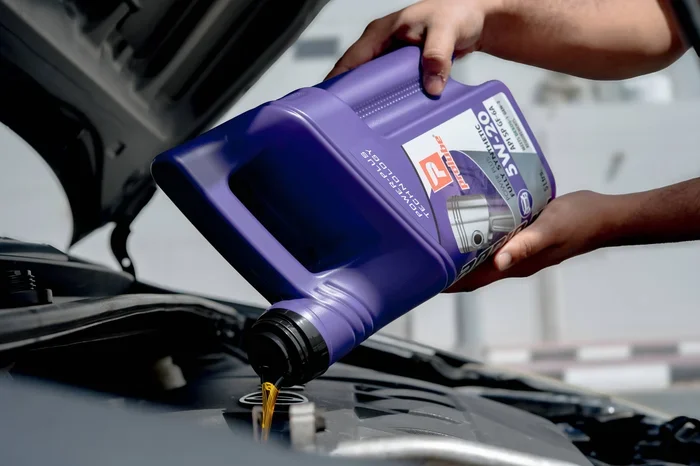
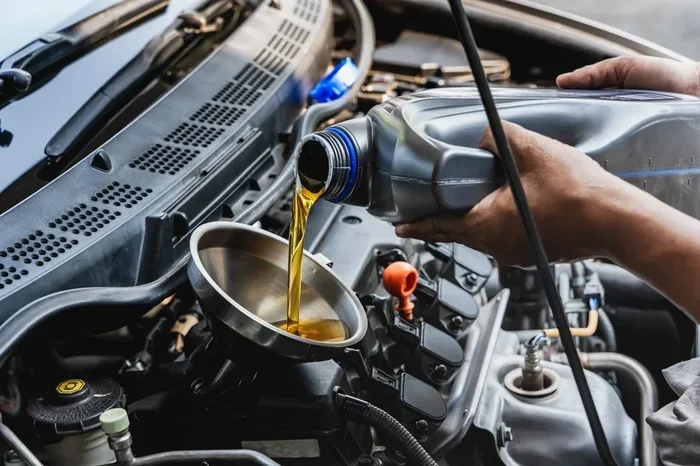
The biggest variable in oil change cost is the type of oil. Conventional oil is the most affordable option. It works well for older vehicles and standard driving conditions. Synthetic blend oil costs a bit more and offers better protection. Full synthetic oil is the most expensive but provides the best engine protection and performance.
Many modern vehicles require full synthetic oil. If your car manual says to use synthetic, you will pay more no matter where you go. Dealerships tend to charge a premium for synthetic oil changes because they use manufacturer-approved products. Independent shops may use high-quality synthetic oils at lower prices.
Oil Filter Replacement
Every oil change includes a new oil filter. This small part catches dirt and debris before they can damage your engine. Dealerships often use original equipment manufacturer (OEM) filters. These filters meet the exact specifications for your vehicle. Independent shops may use aftermarket filters that are just as good but cost less to produce.
The difference in filter cost might seem small. But over time, these savings add up. If you change your oil every 5,000 miles, even a five-dollar difference per filter becomes significant over the life of your car.
Labor Costs
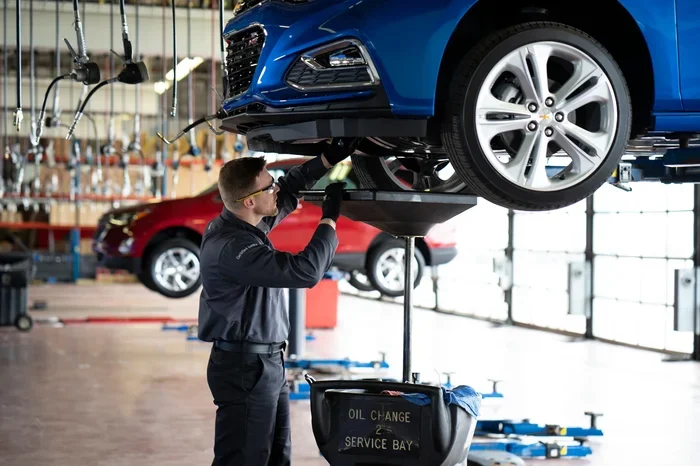
Labor is another major factor in oil change pricing. Dealerships typically charge higher hourly rates than independent shops. Their technicians undergo specialized training for specific brands. They also use manufacturer diagnostic tools and follow strict service procedures.
Independent mechanics often have years of hands-on experience too. Many are certified by organizations like ASE. Their lower overhead costs mean they can pass savings on to you. A simple oil change at a dealership might take 20 minutes. The same job at an independent shop often takes the same amount of time but costs less in labor.
Additional Services and Inspections
Dealerships often include extra services with an oil change. They may check your tire pressure, top off fluids, and inspect belts and hoses. Some dealerships perform a multi-point inspection at no extra charge. These added services can justify a higher price tag. Independent shops may offer similar inspections but sometimes charge separately for them.
Dealership vs Independent Shop: Price Comparison
So how do the numbers actually stack up? Let us look at a typical oil change price comparison between dealerships and independent shops. Keep in mind that prices vary by region, vehicle type, and oil required.
Average Oil Change Costs by Location
For a standard sedan using conventional oil, you can expect to pay between $40 and $75 at a dealership. The same service at an independent shop might cost $30 to $55. For synthetic oil changes, the gap widens. Dealerships often charge $80 to $130 for a full synthetic change. Independent shops typically range from $60 to $100 for the same service.
Luxury and foreign vehicles cost more across the board. European brands like BMW and Mercedes require special oils and filters. A dealership oil change for these vehicles can easily exceed $150. Independent shops that specialize in foreign cars often charge 20 to 30 percent less for the same work.
Why the Price Difference Exists
Dealerships have higher operating costs. They maintain large facilities, employ specialized staff, and carry brand-specific parts. These costs get passed on to customers. Independent shops operate with leaner teams and lower rent. Their savings translate directly into lower prices for you.
That said, dealerships sometimes run promotions and coupons. These deals can bring their prices much closer to independent shops. Always check for current offers before booking your next service appointment.
Do Dealership Oil Changes Help Your Warranty?
This is one of the most common questions car owners ask. The short answer is yes, but with some important details. Let us explore how warranty coverage connects to where you get your oil changed.
Understanding Factory Warranty Requirements
Most new vehicles come with a factory warranty that covers repairs for a set period or mileage. To keep your warranty valid, you must follow the manufacturer’s maintenance schedule. This schedule specifies how often to change your oil and what type of oil to use.
Many people believe they must go to the dealership for every oil change to keep their warranty. This is not entirely true. The Magnuson-Moss Warranty Act protects consumers. It states that you can use independent shops for routine maintenance as long as you follow the manufacturer’s guidelines. You should keep detailed records of every service visit, including the date, mileage, and type of service performed.
When Dealership Service Matters Most
There are situations where sticking with the dealership makes sense. If your vehicle is still under warranty and something goes wrong, the dealership service records help prove you followed the maintenance schedule. This can prevent disputes if a warranty claim gets denied.
For vehicles that are out of warranty, independent shops become a much more attractive option. You no longer need to worry about maintaining a paper trail for warranty purposes. You can choose the most affordable and convenient option without any concerns.
Hidden Costs of Dealership Oil Changes
While dealerships offer many benefits, there are hidden costs that can surprise you. Being aware of these helps you make an informed decision.
Upselling and Unnecessary Services
Dealership service advisors may recommend additional services during your visit. They might suggest a transmission flush, fuel system cleaning, or tire rotation. Some of these services are genuinely helpful. Others may not be needed at your current mileage or driving condition.
A good rule of thumb is to ask questions. Ask why a service is recommended and what happens if you skip it. You can also check your owner manual for the manufacturer’s recommended maintenance schedule. This helps you separate necessary services from upsells.
Waiting Time and Convenience Factors
Dealerships can be busy, especially during peak hours. You might wait an hour or more for a simple oil change. Some dealerships offer loaner cars or shuttle services to make the wait more bearable. Independent shops often have faster turnaround times because they handle fewer vehicles per day.
Consider your schedule when choosing a location. If you need your car back quickly, an independent shop might be the better choice. If you prefer the convenience of a comfortable waiting area and free coffee, the dealership might be worth the extra time.
How to Find the Best Oil Change Deal
Saving money on oil changes does not mean sacrificing quality. Here are practical tips to help you find the best value.
Look for Dealership Coupons and Promotions
Most dealerships run monthly promotions on oil changes. Check their website, sign up for their email list, or follow them on social media. You can often find coupons that save you 10 to 20 percent off the regular price. Some dealerships offer free oil changes with tire rotations or other bundled services.
During holiday weekends and seasonal promotions, dealerships sometimes offer deep discounts. These deals can make dealership pricing competitive with independent shops. Timing your oil change around these promotions can lead to real savings.
Ask About Loyalty Programs
Many dealerships and independent shops offer loyalty programs. These programs reward repeat customers with discounts on future services. Some programs offer a free oil change after purchasing a certain number. Others provide a percentage discount on all services for members.
Joining a loyalty program is especially worthwhile if you service your vehicle regularly. Over several years, the savings can add up to hundreds of dollars. It also builds a relationship with your service provider, which can lead to better personalized care.
Consider Independent Shops That Specialize in Your Brand
If you drive a specific brand, look for independent shops that specialize in that brand. A shop that focuses on Honda vehicles, for example, will have the right tools and expertise. They often charge less than a Honda dealership but provide comparable quality. These specialists understand the common issues and maintenance needs of your specific vehicle.
You can find these shops by asking friends, checking online reviews, or visiting automotive forums. A trusted independent specialist can become your go-to service provider for years to come.
Common Mistakes People Make When Choosing an Oil Change Provider
Avoiding common pitfalls helps you get the best service at the best price. Here are mistakes to watch out for.
Choosing Based on Price Alone
The cheapest option is not always the best value. Extremely low prices might mean the shop uses low-quality oil or skips important steps in the process. Always check reviews and ask about the brands of oil and filters they use. A slightly higher price from a reputable shop is often worth the peace of mind.
Ignoring Your Owner Manual
Your vehicle owner manual contains the manufacturer’s recommended maintenance schedule. Following this schedule ensures your engine stays healthy and your warranty remains valid. Some drivers rely on quick lube shops that suggest more frequent oil changes than necessary. While more frequent changes never hurt, they can add up in cost over time.
Skipping Oil Changes to Save Money
This is the biggest mistake of all. Skipping oil changes leads to engine damage that costs thousands of dollars to repair. Fresh oil lubricates engine parts, reduces friction, and carries heat away. Old oil breaks down and loses its effectiveness. Regular oil changes are one of the cheapest ways to protect your vehicle long term.
Expert Insights on Oil Change Value
We spoke with several certified automotive technicians about where they get their own vehicles serviced. Their insights offer a fresh perspective on this ongoing debate.
Many technicians say they use independent shops for routine oil changes on personal vehicles. They appreciate the lower prices and personal service. However, they often take brand-new vehicles to the dealership during the warranty period. This ensures all service records are properly documented and tied to the manufacturer’s system.
One technician shared that he always checks for manufacturer recalls before any service visit. Staying informed about recalls on the 2016 Ford F-150 or recalls on the 2008 Ford F-150 helps him catch potential issues early. He noted that regular maintenance visits, including oil changes, provide a perfect opportunity to review recall notices and address any concerns.
Another expert pointed out that vehicles with strong reliability records, such as those with proven 2013 Ford F-150 reliability, often need less frequent attention. These vehicles can comfortably go between oil changes without sacrificing engine health. Choosing the right service provider becomes even more important for these dependable trucks.
Final Thoughts
So are dealership oil changes cheaper? The honest answer is usually no. Dealerships charge more for the same basic service compared to most independent shops. However, they offer benefits that can justify the extra cost. Factory-trained technicians, OEM parts, and detailed service records are valuable perks for warranty-covered vehicles.
For vehicles that are out of warranty, independent shops often provide the best value. You get quality service at a lower price with more flexibility in scheduling. The key is finding a reputable shop that uses quality parts and follows your manufacturer’s maintenance guidelines.
Remember that regular oil changes matter more than where you get them done. Skipping an oil change to save twenty dollars can lead to engine problems that cost thousands. Choose a provider you trust, follow your maintenance schedule, and your vehicle will reward you with years of reliable service.
Whether you visit a dealership or an independent shop, stay informed about your vehicle’s needs. Read your owner manual, watch for recall notices, and keep detailed service records. These simple habits protect your investment and keep your car running smoothly for miles to come.
Frequently Asked Questions
Are dealership oil changes cheaper than independent shops?
In most cases, no. Dealerships typically charge more due to higher operating costs and brand-specific parts. However, dealership coupons and promotions can sometimes bring their prices closer to independent shops. Always compare the total cost before booking.
Do I have to go to the dealership to keep my warranty?
No. The Magnuson-Moss Warranty Act allows you to use independent shops for routine maintenance. You must follow the manufacturer’s recommended maintenance schedule and keep detailed records. Staying current with oil changes at any reputable shop helps protect your warranty coverage.
How often should I get an oil change?
Check your vehicle owner manual for the manufacturer’s recommended oil change interval. Most modern vehicles need an oil change every 5,000 to 7,500 miles. Some newer cars with synthetic oil can go up to 10,000 miles. Driving habits and conditions may require more frequent changes.
What type of oil is best for my car?
Your owner manual specifies the recommended oil type and viscosity. Many newer vehicles require full synthetic oil for optimal engine protection. Older vehicles may work well with conventional or synthetic blend oil. Always use the grade and specification listed in your manual.
Can I switch from dealership oil changes to an independent shop?
Absolutely. You can switch at any time. Just make sure the independent shop follows your manufacturer’s maintenance guidelines and uses quality oil and filters. Keep all service records and receipts to maintain a complete maintenance history for your vehicle.
Are quick lube places safe for my car?
Most quick lube places provide adequate service for routine oil changes. However, quality can vary between locations. Look for shops with good reviews, certified technicians, and transparent pricing. Ask about the brands of oil and filters they use before booking your appointment.