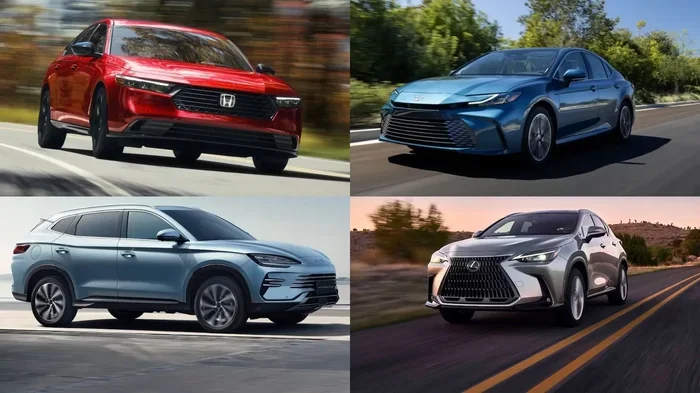
What Hybrid Has the Least Problems and Why You Need One
Finding a hybrid with the fewest issues is easier than you think. Toyota and Honda lead the pack with proven hybrid powertrains that deliver outstanding fuel efficiency and long-term reliability. This guide breaks down the best low-maintenance hybrid vehicles and shows you why they earn top marks for dependability.
Key Takeaways
- Toyota hybrids dominate reliability charts: Models like the Toyota Prius and Toyota RAV4 Hybrid have decades of proven track records.
- Honda hybrids are a close second: The Honda Accord Hybrid and Honda CR-V Hybrid offer smooth driving with minimal issues.
- Self-charging hybrids need less maintenance: They don’t require plug-in charging and have simpler systems.
- Hybrid battery life is impressive: Most hybrid batteries last 100,000 to 200,000 miles with proper care.
- Regenerative braking reduces wear: This system extends brake pad life and lowers maintenance costs.
- Hybrid ownership costs are lower: Fewer moving parts mean fewer things to repair over time.
- Warranty coverage matters: Strong hybrid warranties protect you from unexpected repair bills.
📑 Table of Contents
- What Hybrid Has the Least Problems and Why It Matters
- Why Some Hybrids Have Fewer Problems Than Others
- Top Hybrids Known for Few Problems
- Toyota Hybrids: The Gold Standard for Reliability
- Honda Hybrids: A Strong Runner-Up for Reliability
- Hybrid Maintenance Tips to Avoid Problems
- Common Hybrid Problems and How to Avoid Them
- Comparison Table: Most Reliable Hybrid Models
- Quick Tips for Choosing the Most Reliable Hybrid
- Expert Insights on Hybrid Reliability
- Why Hybrid Ownership Costs Less Over Time
- Conclusion
What Hybrid Has the Least Problems and Why It Matters
If you are shopping for a hybrid car, reliability is probably at the top of your list. Nobody wants to deal with constant repairs or unexpected breakdowns. The good news is that some hybrid vehicles have earned reputations for being incredibly dependable.
So, what hybrid has the least problems? The answer comes down to a few key brands and models that have been refined over many years. Toyota and Honda consistently top reliability surveys, and their hybrid powertrains are a big reason why. These manufacturers have spent decades perfecting their hybrid technology, and it shows in the numbers.
In this article, we will walk you through the most reliable hybrid cars on the market today. We will cover why certain models outperform others, what makes hybrid vehicles so dependable in the first place, and how you can keep your car running smoothly for years. Whether you want a hybrid sedan, a hybrid SUV, or something compact, this guide has you covered.
Why Some Hybrids Have Fewer Problems Than Others
Not all hybrid cars are created equal. Some brands invest heavily in research and development, while others take shortcuts. Understanding why certain hybrid vehicles have fewer issues helps you make a smarter buying decision.
The Role of Hybrid Powertrain Design
A hybrid powertrain combines a gasoline engine with an electric motor. The way these two systems work together affects reliability. Brands like Toyota use a system called self-charging hybrid technology. This means the car charges its own battery while you drive. There is no need for an external plug, which simplifies the entire system.
Simpler systems tend to have fewer parts that can break. When a hybrid powertrain has fewer components, there are fewer things that can go wrong. This is one of the main reasons why Toyota hybrid models have such strong reliability ratings.
How Regenerative Braking Reduces Wear
One of the standout features of hybrid technology is regenerative braking. This system captures energy when you slow down and uses it to recharge the battery. It also reduces the workload on your traditional brake system.
Because regenerative braking handles a lot of the stopping work, your brake pads and rotors last longer. This means fewer trips to the mechanic and lower maintenance costs. It is one of the biggest advantages of owning a hybrid vehicle.
Hybrid Battery Life and Longevity
Many people worry about hybrid battery life. They assume batteries are expensive to replace. In reality, most hybrid batteries last between 100,000 and 200,000 miles. Some last even longer with proper care.
Toyota has been building hybrid vehicles since the late 1990s. Their batteries have been tested in real-world conditions for over two decades. This long track record gives buyers confidence that the battery will not be a frequent problem.
Top Hybrids Known for Few Problems
Now that you understand what makes a hybrid reliable, let us look at the specific models that stand out. These cars consistently rank high in hybrid car reliability surveys and owner satisfaction reports.
Toyota Prius
The Toyota Prius is the original hybrid car and still one of the most reliable options available. It has been on the market since 1997, and each new generation has addressed early issues. The current Prius offers excellent fuel efficiency, a comfortable interior, and a proven track record.
Owners report very few major problems with the Prius. The hybrid powertrain is smooth and long-lasting. Maintenance costs are low compared to most gasoline-only cars. If you want the least problematic hybrid, the Prius should be at the top of your list.
Toyota RAV4 Hybrid
Need more space? The Toyota RAV4 Hybrid is a hybrid SUV that combines versatility with reliability. It offers all-wheel drive, plenty of cargo room, and strong fuel efficiency for an SUV.
The RAV4 Hybrid has very few reported issues. Toyota built this model on a proven platform, and the hybrid system works seamlessly. It is a great choice for families who want a dependable low maintenance vehicle without sacrificing capability.
Honda Accord Hybrid
The Honda Accord Hybrid is a hybrid sedan that delivers a refined driving experience. Honda has a long history of building reliable cars, and the Accord is no exception. The hybrid version adds fuel efficiency without compromising on comfort or performance.
Owners praise the Accord Hybrid for its smooth electric motor assist and quiet cabin. Problems are rare, and when they do occur, they tend to be minor. Honda’s hybrid warranty also provides strong peace of mind for buyers.
Honda CR-V Hybrid
The Honda CR-V Hybrid brings the same reliability to the SUV segment. It is a practical, well-built hybrid SUV that handles daily commuting and road trips with ease.
The hybrid powertrain in the CR-V Hybrid is efficient and dependable. Honda uses a two-motor system that is simpler and more robust than some competitors. This design contributes to the CR-V Hybrid’s strong hybrid car reliability ratings.
Toyota Camry Hybrid
The Toyota Camry Hybrid is another excellent choice for those seeking a reliable hybrid sedan. It offers a comfortable ride, spacious interior, and outstanding fuel efficiency. The Camry Hybrid has been a staple in the hybrid vehicle market for many years.
Toyota’s reputation for durability carries over into the Camry Hybrid. The hybrid system is well-engineered and requires minimal upkeep. It is one of the best options for anyone asking what hybrid has the least problems in the midsize sedan class.
Toyota Hybrids: The Gold Standard for Reliability
Toyota deserves special attention when discussing hybrid car reliability. The company has been a pioneer in hybrid technology for over 25 years. This experience shows in every model they produce.
Toyota’s approach to building hybrid vehicles focuses on simplicity and durability. They use proven components and avoid unnecessary complexity. This philosophy has resulted in some of the most dependable cars on the road.
Here is why Toyota hybrids stand out:
- Decades of real-world testing: Millions of Toyota hybrids are on the road worldwide.
- Proven battery technology: Toyota batteries are designed to last the lifetime of the vehicle.
- Simple, effective systems: Fewer complex parts mean fewer things to break.
- Strong dealer network: Service and parts are easy to find.
- Excellent resale value: Reliable cars hold their value better.
If you are looking for a car that will keep running with minimal fuss, a Toyota hybrid is hard to beat. The company consistently ranks at the top of hybrid vehicle reliability studies conducted by Consumer Reports and J.D. Power.
Toyota’s Hybrid Warranty Coverage
Toyota backs its hybrid technology with a strong warranty. The hybrid battery is covered for 10 years or 100,000 miles in most states. This coverage gives buyers confidence that they are protected if something goes wrong.
Compare this to some other brands that offer shorter or less comprehensive hybrid warranty coverage. Toyota’s commitment to backing its products sets it apart from the competition.
Honda Hybrids: A Strong Runner-Up for Reliability
Honda is not far behind Toyota when it comes to hybrid car reliability. The Japanese automaker has built a reputation for engineering efficient and durable vehicles. Their hybrid models reflect this commitment to quality.
Honda’s hybrid powertrain design is slightly different from Toyota’s. Honda often uses a two-motor system that provides smooth and responsive acceleration. This system has proven to be both efficient and reliable.
Here are some reasons Honda hybrids earn high marks for dependability:
- Refined engineering: Honda pays close attention to detail in every component.
- Proven drivetrains: Honda’s hybrid systems share platforms with their gasoline models, which have been tested extensively.
- Strong owner satisfaction: Honda owners frequently report high levels of happiness with their vehicles.
- Good fuel economy: Honda hybrids deliver impressive fuel efficiency without sacrificing performance.
If Toyota is the gold standard, Honda is the strong silver medalist. Both brands offer hybrid vehicles with very few problems and excellent long-term ownership experiences.
Hybrid Maintenance Tips to Avoid Problems
Even the most reliable hybrid car benefits from proper maintenance. Taking care of your vehicle helps prevent problems before they start. Here are some practical tips to keep your hybrid vehicle running at its best.
Follow the Manufacturer’s Service Schedule
Every hybrid vehicle comes with a recommended maintenance schedule. Stick to it. Regular oil changes, tire rotations, and fluid checks keep everything running smoothly. Skipping services can lead to bigger problems down the road.
Monitor Your Hybrid Battery
While hybrid batteries are designed to last a long time, it is still smart to keep an eye on them. Most hybrid systems have battery health indicators on the dashboard. If you notice any warnings, have them checked promptly.
Drive Gently When Possible
Smooth driving habits reduce stress on all vehicle components. Avoid hard acceleration and aggressive braking when you can. Regenerative braking handles a lot of the work, but gentle driving extends the life of every part.
Use the Right Fluids
Hybrid vehicles sometimes require specific fluids. Check your owner’s manual and use only the recommended products. Using the wrong fluid can cause damage to sensitive hybrid components.
Keep Software Updated
Modern hybrid cars rely on computer systems to manage the hybrid powertrain. Manufacturers occasionally release software updates that improve performance and fix minor bugs. Stay current with these updates.
Common Hybrid Problems and How to Avoid Them
Even the best hybrid vehicles can experience issues from time to time. Knowing what to watch for helps you address problems early before they become expensive repairs.
1. Hybrid Battery Degradation
Over time, all batteries lose some capacity. In most hybrid cars, this happens very slowly. You may notice a slight decrease in fuel efficiency after many years of use. To minimize battery degradation, avoid letting the battery drain completely and try to keep your charge levels moderate.
2. Inverter Module Issues
The inverter converts DC power from the battery to AC power for the electric motor. This component rarely fails, but when it does, it can be costly. Keeping your hybrid system properly maintained and avoiding moisture exposure helps prevent inverter problems.
3. Brake System Wear
While regenerative braking reduces brake wear, it does not eliminate it entirely. Still, brake problems are uncommon in hybrid vehicles. Regular inspections and replacing brake fluid on schedule keep everything in good shape.
4. Cooling System Concerns
Hybrid vehicles have additional cooling needs because of the battery and electric motor. The cooling system should be checked regularly. Low coolant levels or a failing water pump can affect hybrid performance and reliability.
Comparison Table: Most Reliable Hybrid Models
Here is a quick comparison of the top hybrid models discussed in this article. Use this table to compare key features and reliability factors.
| Model | Type | Fuel Efficiency (MPG) | Hybrid System | Reliability Rating |
|---|---|---|---|---|
| Toyota Prius | Compact Sedan | 52-57 | Self-Charging | Excellent |
| Toyota RAV4 Hybrid | Compact SUV | 40-41 | Self-Charging | Excellent |
| Toyota Camry Hybrid | Midsize Sedan | 51-52 | Self-Charging | Excellent |
| Honda Accord Hybrid | Midsize Sedan | 48-50 | Two-Motor | Very Good |
| Honda CR-V Hybrid | Compact SUV | 40-42 | Two-Motor | Very Good |
As you can see, Toyota models dominate the top spots for hybrid vehicle reliability. Honda models are close behind and offer excellent alternatives, especially if you prefer a different driving feel or interior design.
Quick Tips for Choosing the Most Reliable Hybrid
Still not sure which hybrid car is right for you? Here are some quick tips to help you decide.
- Pick a proven model: Choose a car with a long track record on the road. Newer models may not have enough real-world data yet.
- Read owner reviews: Real-world feedback from other owners gives you honest insights into reliability and daily ownership.
- Check reliability ratings: Consumer Reports and J.D. Power publish annual reliability studies. Use these resources to guide your decision.
- Consider total cost of ownership: A slightly more expensive hybrid vehicle may save you money over time through lower fuel costs and fewer repairs.
- Test drive multiple models: Driving the car yourself helps you feel the quality and see how the hybrid system works in real life.
- Ask about warranty: A strong hybrid warranty protects you from unexpected costs and shows the manufacturer stands behind their product.
Expert Insights on Hybrid Reliability
Automotive experts consistently point to Toyota as the most reliable hybrid brand. According to industry analysts, Toyota’s long history with hybrid technology gives them a significant advantage. They have had more time to refine their systems and address early design flaws.
Honda is also highly regarded for its hybrid vehicle engineering. Experts note that Honda’s approach focuses on efficiency and driver engagement. Both brands offer low maintenance vehicles that save owners money over the long run.
When asked what hybrid has the least problems, most automotive journalists point to the Toyota Prius and Toyota RAV4 Hybrid. These models have accumulated millions of miles of real-world use and consistently show up with minimal issues.
One expert from a leading automotive publication shared this insight: “The best hybrid cars are the ones that have been around long enough for engineers to fix the small stuff. Toyota has been doing this longer than anyone else.”
Why Hybrid Ownership Costs Less Over Time
One of the biggest advantages of owning a hybrid vehicle is lower total cost of ownership. Here is how hybrid cars save you money.
- Better fuel economy: Hybrid vehicles use less gasoline, which means fewer trips to the pump.
- Lower maintenance costs: Regenerative braking reduces wear on brake components. The electric motor also reduces strain on the gasoline engine.
- Fewer repairs: Hybrid systems are designed to be durable and require less frequent service.
- Strong resale value: Reliable hybrid cars hold their value better than many gasoline-only vehicles.
- Tax incentives: Some hybrid vehicles qualify for federal or state tax credits, reducing the purchase price.
When you factor in all these savings, a hybrid vehicle can actually be cheaper to own than a comparable gasoline car over a 5- or 10-year period.
Conclusion
So, what hybrid has the least problems? The evidence clearly points to Toyota and Honda as the most reliable hybrid brands. The Toyota Prius, Toyota RAV4 Hybrid, Toyota Camry Hybrid, Honda Accord Hybrid, and Honda CR-V Hybrid all earn top marks for hybrid car reliability.
These hybrid vehicles combine proven hybrid technology with simple, durable designs that keep maintenance costs low. Whether you choose a hybrid sedan or a hybrid SUV, you are making a smart choice for long-term dependability.
If you are ready to make the switch to a hybrid car, start with one of the models highlighted in this guide. They represent the best combination of reliability, efficiency, and value in the hybrid vehicle market today. Take your time, test drive a few options, and find the perfect low maintenance vehicle for your lifestyle. Your wallet and your peace of mind will thank you.
Frequently Asked Questions
Which hybrid car has the least problems?
The Toyota Prius and Toyota RAV4 Hybrid are widely considered the least problematic hybrid vehicles on the market. Both models have decades of proven reliability and very low owner-reported issues.
How long do hybrid batteries last?
Most hybrid batteries last between 100,000 and 200,000 miles. With proper maintenance and gentle driving habits, some hybrid vehicles go well beyond that range without needing a battery replacement.
Are hybrid cars expensive to maintain?
No, hybrid vehicles are generally cheaper to maintain than gasoline-only cars. Regenerative braking reduces brake wear, and the electric motor takes stress off the gasoline engine, leading to fewer repairs over time.
What is the difference between a self-charging hybrid and a plug-in hybrid?
A self-charging hybrid charges its battery while driving and does not need an external plug. A plug-in hybrid has a larger battery that you charge at home or at a public station. Self-charging hybrids tend to have fewer components and lower maintenance needs.
Do hybrids have transmission problems?
Most hybrid vehicles use a continuously variable transmission or a simple fixed-gear system. These designs are simpler and more reliable than traditional automatic transmissions, which reduces the chance of transmission problems.
Is it worth buying a used hybrid?
Yes, buying a used hybrid car can be a great value. Reliable models like the Toyota Prius and Honda Accord Hybrid hold their value well and continue to deliver excellent fuel efficiency even after many years of ownership.
=== CONCLUSION ===
Finding a hybrid with the least problems is entirely doable when you know where to look. Toyota and Honda have built their reputations on durable, efficient hybrid technology that stands the test of time. From the iconic Toyota Prius to the practical Honda CR-V Hybrid, these models deliver outstanding reliability and ownership value.
Remember to follow proper maintenance tips, keep up with software updates, and drive gently to maximize your hybrid vehicle’s lifespan. With the right choice, your hybrid car will reward you with years of trouble-free driving and impressive fuel efficiency. Start your search today and enjoy the benefits of owning one of the most dependable vehicles on the road.