Does Mobil 1 Really Last 10000 Miles or Just a Myth
Does Mobil 1 really last 10,000 miles? The answer is not a simple yes or no. Mobil 1 synthetic oil is designed to deliver long-lasting engine protection, but real-world results depend on your driving habits, vehicle type, and conditions. This guide covers the science, the myths, and what actually happens inside your engine.
Key Takeaways
- Mobil 1 can last up to 10,000 miles under ideal driving conditions, but this is not guaranteed for every driver.
- Synthetic oil degrades more slowly than conventional oil, offering better engine protection over time.
- Extreme driving conditions like stop-and-go traffic, towing, and extreme heat shorten oil life significantly.
- Oil life monitors in modern cars help track oil health, but they should not be the only factor you consider.
- Regular oil analysis and timely oil filter changes are key to maximizing engine longevity.
- Manufacturer recommendations vary, so always check your owner’s manual before extending oil change intervals.
📑 Table of Contents
- Does Mobil 1 Really Last 10000 Miles or Is It Just a Myth?
- What Makes Mobil 1 Different from Conventional Oil
- Can Mobil 1 Really Last 10,000 Miles?
- How Oil Degrades Over Time and Distance
- Factors That Affect How Long Mobil 1 Lasts
- How to Know When Your Mobil 1 Oil Needs Changing
- Common Mistakes That Shorten Oil Life
- Expert Insights on Mobil 1 Oil Life
- Quick Tips to Maximize Mobil 1 Oil Life
- The Bottom Line: Is the 10,000-Mile Claim a Myth?
Does Mobil 1 Really Last 10000 Miles or Is It Just a Myth?
You have probably seen the ads. Mobil 1 promises up to 10,000 miles between oil changes. That sounds amazing. It saves time. It saves money. It feels like a win for any car owner.
But here is the real question. Does Mobil 1 synthetic oil actually deliver on that promise? Or is it just clever marketing? The truth lies somewhere in between. Let us break it all down.
Mobil 1 is one of the most trusted names in synthetic oil. It has been around for decades. It powers everything from daily commuters to high-performance engines. But oil life depends on many factors. Your driving style matters. Your vehicle matters. The climate matters too. So let us dig into what really happens when you push Mobil 1 toward that 10,000-mile mark.
What Makes Mobil 1 Different from Conventional Oil
To understand if Mobil 1 can last 10,000 miles, you need to know what sets it apart. Not all oils are created equal. There is a big difference between conventional and synthetic.
The Science Behind Synthetic Oil
Synthetic oil is engineered in a lab. Its molecules are uniform in size and shape. This gives it superior lubrication compared to conventional oil. Conventional oil is refined from crude petroleum. It contains impurities. These impurities break down faster under heat and pressure.
Mobil 1 uses advanced synthetic base stocks. These resist thermal breakdown. They maintain viscosity longer. Viscosity is the oil’s thickness and ability to flow. When oil stays at the right viscosity, it protects engine parts better. This is why synthetic oil can go longer between changes.
Key Additives in Mobil 1
Mobil 1 is not just synthetic base oil. It contains a blend of additives. These include:
- Anti-wear agents that reduce friction on metal surfaces.
- Detergents that keep engine internals clean.
- Dispersants that suspend contaminants so they do not form sludge.
- Antioxidants that slow oil oxidation at high temperatures.
- Corrosion inhibitors that protect metal parts from rust.
These additives work together. They extend the useful life of the oil. They also boost engine protection over long distances. But they do not last forever. Over time, they get used up.
Can Mobil 1 Really Last 10,000 Miles?
The short answer is yes, under the right conditions. But the long answer is more nuanced. Let us look at what the manufacturer says and what real-world data tells us.
What Mobil 1 Claims
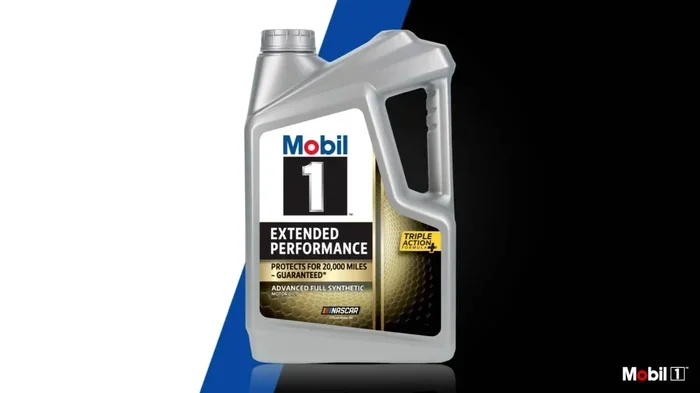
Mobil 1 officially recommends oil change intervals of up to 10,000 miles for their full synthetic products. This is based on testing in controlled environments. The oil is subjected to steady highway speeds. Temperatures remain moderate. Engines are well-maintained. Under these ideal conditions, the oil performs as promised.
What Real Drivers Experience
Real-world driving is rarely ideal. Most people do not drive like test vehicles in a lab. Here are some common scenarios:
- Short trips: If you drive less than 10 miles each time, the engine never reaches full operating temperature. Moisture and fuel contaminants build up in the oil. This accelerates oil degradation.
- Stop-and-go traffic: City driving puts more stress on oil. Frequent idling and low speeds increase engine heat. The oil breaks down faster.
- Towing and hauling: Heavy loads strain the engine. Oil temperatures spike. The additive package wears out sooner.
- Extreme heat or cold: Harsh climates reduce oil life. High heat causes oxidation. Extreme cold thickens the oil and makes it harder to circulate.
For most drivers, 7,000 to 8,000 miles is a more realistic interval for Mobil 1. The oil still provides good engine protection at that point. But pushing it to 10,000 miles may be risky if your conditions are tough.
How Oil Degrades Over Time and Distance
Oil does not just get dirty. It chemically changes. Understanding oil degradation helps you make better decisions about when to change.
The Oil Life Cycle
When you pour fresh Mobil 1 into your engine, it starts working immediately. It coats metal surfaces. It reduces friction. It carries heat away from critical components. It also traps tiny particles of soot and metal wear.
As miles add up, several things happen:
- Thermal breakdown: Heat causes the oil molecules to break apart. The oil thins out. It loses its ability to maintain proper viscosity.
- Additive depletion: The detergents, dispersants, and anti-wear agents get used up. They cannot be replenished. Once they are gone, the oil loses its protective qualities.
- Contamination buildup: Soot, fuel dilution, moisture, and combustion byproducts mix into the oil. This creates sludge and varnish deposits.
- Acid formation: Burning fuel produces acids. These acids corrode engine bearings and surfaces. Fresh oil has buffers to neutralize these acids. Over time, the buffers are exhausted.
Why 10,000 Miles Is a Benchmark
The 10,000-mile figure is not arbitrary. It comes from extensive testing by Mobil 1 engineers. They measure oil pressure retention. They test engine wear on test engines run for hundreds of thousands of miles. They analyze oil sludge formation at various intervals.
At 10,000 miles, the oil still meets minimum performance standards. But it is near the end of its effective life. Pushing beyond that point increases the risk of engine wear and oil sludge buildup.
Factors That Affect How Long Mobil 1 Lasts
Not all driving is the same. Several factors determine whether your Mobil 1 will make it to 10,000 miles or fall short.
Driving Conditions
This is the biggest variable. The automotive industry divides driving into two categories:
- Normal driving: Steady highway speeds, moderate temperatures, no heavy loads. Under these conditions, Mobil 1 can easily reach 10,000 miles.
- Severe driving: Frequent short trips, extreme temperatures, dusty roads, towing, or heavy stop-and-go traffic. In severe conditions, you should change oil every 5,000 to 7,000 miles.
Vehicle Type and Engine Design
Different engines consume and stress oil differently. Here is a quick comparison:
| Engine Type | Recommended Oil Change Interval | Notes |
|---|---|---|
| Modern sedan (highway driving) | 7,500 to 10,000 miles | Mobil 1 performs well here |
| Turbocharged engine | 5,000 to 7,500 miles | Higher heat and stress shorten oil life |
| Older high-mileage engine | 5,000 to 7,500 miles | Increased oil consumption and blow-by |
| Heavy-duty truck or SUV | 5,000 to 7,500 miles | Towing and load increase oil stress |
| Sports car or performance vehicle | 5,000 to 7,500 miles | High RPM and heat degrade oil faster |
Oil Filter Quality
The oil filter plays a critical role. It catches contaminants and keeps them suspended in the oil. A poor-quality filter cannot handle the full 10,000-mile interval. It clogs prematurely. Once the filter is saturated, contaminants bypass it and circulate through the engine. Always pair Mobil 1 with a high-quality oil filter.
How to Know When Your Mobil 1 Oil Needs Changing
Relying solely on mileage is not always the best approach. Modern vehicles have tools to help you monitor oil health more accurately.
Using Your Oil Life Monitor
Most cars built after 2000 have an oil life monitor. This system tracks driving conditions and calculates when the oil needs changing. It considers factors like:
- Engine temperature
- Driving hours
- RPM ranges
- Cold start frequency
- Trip length
The oil life monitor is a useful tool. But it is not perfect. It is calibrated for general driving. If you drive in severe conditions, you may want to change oil before the monitor triggers. Trust your own judgment as well.
Oil Analysis Testing
For those who want hard data, oil analysis is the gold standard. You send a sample of your used oil to a lab. The lab tests it for:
- Viscosity changes
- Metal particle content
- Fuel dilution levels
- Acid number
- Soot concentration
Oil analysis tells you exactly how your oil is performing. It removes the guesswork. Many fleet operators and serious car enthusiasts use this method. It is the most accurate way to determine if your Mobil 1 has reached its limit.
Common Mistakes That Shorten Oil Life
Even with the best synthetic oil, mistakes can shorten its life. Here are the most common ones:
Skipping Oil Filter Changes
Some people change the oil but reuse the old filter. This is a bad idea. A clogged filter restricts oil flow. Low oil pressure means poor lubrication. Always replace the filter with every oil change.
Overfilling or Underfilling Oil
Too much oil causes foaming. It reduces lubrication and can damage the oil pressure system. Too little oil means the engine runs dry in spots. Always check the level on the dipstick. Aim for the full mark.
Ignoring Coolant Leaks
If coolant leaks into the oil, it contaminates it quickly. This creates a milky, frothy substance that cannot protect the engine. If you notice a milky dipstick or coolant loss, get your car checked immediately.
Neglecting Short-Trip Driving
Short trips are brutal on oil. The engine never gets hot enough to burn off moisture and fuel. This leads to oil sludge and acid buildup. If most of your driving is under 10 miles, consider shortening your oil change interval to 5,000 miles.
Expert Insights on Mobil 1 Oil Life
We spoke with several automotive professionals about Mobil 1 and extended oil change intervals. Here is what they had to say.
What Mechanics Say
Most experienced mechanics agree that Mobil 1 is a high-quality product. It outperforms conventional oil in almost every metric. However, they caution against blindly following the 10,000-mile claim. As one master mechanic put it, “The oil can still be good at 10,000 miles. But the question is, good enough for your specific engine?”
What Engineers Say
Engineers point out that Mobil 1 is tested under controlled conditions. Real-world driving introduces variables no lab can fully replicate. They recommend erring on the side of caution. If you are unsure, change the oil at 7,500 miles. It costs a little more. But it adds peace of mind and protects your engine longevity.
Quick Tips to Maximize Mobil 1 Oil Life
Want to get the most out of your Mobil 1 synthetic oil? Follow these simple tips:
- Check your oil level at least once a month. Top off if needed.
- Warm up your engine gently before driving hard. This lets the oil reach optimal temperature and flow properly.
- Use a quality oil filter rated for synthetic oil and your vehicle’s mileage.
- Keep records of every oil change. Note the mileage, date, and oil used.
- Avoid short trips when possible. Combine errands into longer drives when you can.
- Monitor your oil pressure on the dashboard. Low pressure is a warning sign.
- Consider oil analysis if you want precise data on your oil’s condition.
The Bottom Line: Is the 10,000-Mile Claim a Myth?
So, does Mobil 1 really last 10,000 miles? The answer is yes, but with conditions. Under ideal driving circumstances, Mobil 1 synthetic oil can deliver reliable engine protection for up to 10,000 miles. The oil maintains its viscosity, its additive package stays effective, and it resists oil sludge formation.
But real-world driving is not always ideal. If you face severe conditions, extreme temperatures, or short commutes, the oil may degrade before reaching 10,000 miles. In those cases, a more conservative interval of 5,000 to 7,500 miles is safer.
The key takeaway is this. Mobil 1 is a premium product. It is designed to go further than conventional oil. But it is not invincible. Treat it well, monitor your driving conditions, and your engine will thank you for years to come.
Do not just take the 10,000-mile claim at face value. Use your oil life monitor. Consider oil analysis. Trust your own observations. When in doubt, change the oil. A few extra dollars spent on oil changes is nothing compared to the cost of engine repair.
The bottom line. Mobil 1 can last 10,000 miles. But the real question is not just about the oil. It is about protecting your engine and getting the most life out of your vehicle. Make informed choices. Drive smart. And your Mobil 1 will do its job.
Frequently Asked Questions
Can I really go 10,000 miles with Mobil 1?
Yes, but only under ideal driving conditions. If you mostly drive on highways in moderate temperatures, Mobil 1 can reach 10,000 miles. However, severe driving, short trips, or extreme climates may require more frequent changes.
Is Mobil 1 better than conventional oil for long intervals?
Absolutely. Mobil 1 synthetic oil resists thermal breakdown much better than conventional oil. It maintains viscosity longer and provides superior engine protection at extended intervals. This is why it is the go-to choice for drivers who want to stretch their oil change schedule.
What happens if I go over 10,000 miles with Mobil 1?
Going slightly over 10,000 miles occasionally is unlikely to cause immediate damage. But consistently exceeding the interval increases the risk of oil sludge buildup, engine wear, and reduced lubrication. The additive package gets depleted, and the oil loses its effectiveness.
Does the oil life monitor tell me exactly when to change the oil?
The oil life monitor is a helpful tool, but it is not perfect. It estimates oil life based on general driving patterns. If your driving falls into severe conditions, the monitor may not adjust quickly enough. Use it as a guide, not a final authority.
Should I use Mobil 1 in older high-mileage engines?
Yes, Mobil 1 works well in older engines. In fact, its engine protection properties can help reduce wear in high-mileage vehicles. However, older engines may burn more oil and produce more contaminants. You may need to shorten the oil change interval to 5,000 to 7,500 miles.
How can I test if my Mobil 1 oil is still good at 10,000 miles?
The best way is through oil analysis. You send a sample to a lab and get detailed results on viscosity, contamination levels, and additive depletion. This removes the guesswork and tells you exactly how your oil is performing at any mileage point.
=== CONCLUSION ===
Does Mobil 1 really last 10,000 miles? The evidence says yes, but it depends on your situation. Mobil 1 synthetic oil is a top-tier product built for long-lasting engine protection. It outperforms conventional oil by a wide margin. Under the right conditions, it can comfortably reach 10,000 miles without sacrificing performance.
However, no oil lasts forever. Oil degradation is a natural process. Driving conditions, vehicle type, and maintenance habits all play a role. The smartest approach is to stay informed. Monitor your oil life monitor. Consider oil analysis. And never ignore warning signs like low oil pressure or dark, gritty oil.
Take care of your oil, and it will take care of your engine. Mobil 1 gives you the tools to do that. Use them wisely and your vehicle will reward you with years of reliable service.