Ever Wondered What Is the Heaviest Part of a Forklift
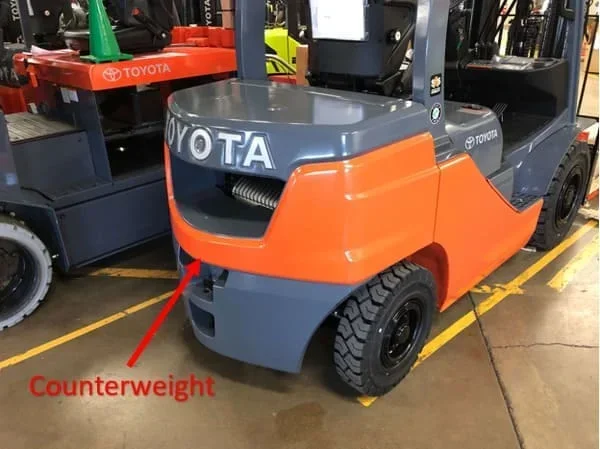
The heaviest part of a forklift is the counterweight, a massive block at the rear of the machine that keeps the forklift stable when lifting heavy loads. Understanding forklift weight distribution and the role of the counterbalance system is essential for every operator. This guide breaks down the forklift components that contribute to the overall weight and why it matters for forklift stability and safe operation.
The heaviest part of a forklift is something every operator, warehouse manager, and safety officer should understand. When you think about a forklift, you probably picture the forks lifting a heavy pallet. But the real engineering marvel happens at the rear of the machine. A massive counterweight keeps everything balanced and prevents the forklift from tipping forward. In this article, we will explore what is the heaviest part of a forklift, why it matters, and how it affects everyday operation.
Forklifts are heavy lifting equipment that rely on a carefully designed balance system. Every component, from the forklift mast assembly to the forklift chassis, plays a role in how the machine handles weight. By the end of this guide, you will have a clear understanding of the forklift components that carry the most weight and why that knowledge is so important for safety and performance.
Key Takeaways
- The counterweight is the heaviest part: It typically weighs between 900 and 3,000 pounds and sits at the rear of the forklift.
- Forklift weight distribution is critical: The rear counterweight balances the front load to prevent tipping.
- Different forklift types have different heaviest parts: Electric forklifts rely on heavy battery packs, while combustion models use cast iron counterweights.
- Stability depends on the balance between front load and rear weight: Overloading the front overwhelms the counterweight and creates dangerous conditions.
- Regular maintenance of heavy components is essential: Cracks, shifts, or damage to the counterweight or mast can compromise safety.
- Operator training should cover weight dynamics: Understanding how the heaviest part works helps operators make smarter, safer decisions every day.
📑 Table of Contents
- The Short Answer: What Is the Heaviest Part of a Forklift?
- Understanding Forklift Weight Distribution
- The Counterweight: The Hidden Heavy Hero
- Comparing Forklift Types and Their Heaviest Components
- How the Heaviest Part Affects Forklift Stability
- Why Knowing the Heaviest Part Matters for Safety
- The Bottom Line on Forklift Weight
The Short Answer: What Is the Heaviest Part of a Forklift?
The heaviest part of a forklift is the forklift counterweight. This heavy block sits at the back of the machine and does one job: it keeps the forklift from tipping forward when you lift a load at the front. Without the counterweight, even a moderately loaded forklift would flip over the moment you raised the forks.
Counterweights are usually made from cast iron, steel, or concrete. They can weigh anywhere from 900 pounds on a small warehouse forklift to over 3,000 pounds on a heavy-duty forklift used in construction. The size of the counterweight depends on the forklift’s load capacity, the height it can reach, and the overall forklift design. In simple terms, the bigger the load a forklift can carry, the heavier the counterweight needs to be.
Now, the counterweight is not the only heavy component on a forklift. The engine block, the mast assembly, and even the battery on electric models all add significant weight. But when we talk about the single heaviest part, the counterweight wins every time. It is the backbone of the forklift counterbalance system, and understanding how it works is the first step toward safer operation.
Understanding Forklift Weight Distribution
How Forklifts Are Built to Handle Heavy Loads
Every forklift is built around a principle called forklift weight distribution. The front of the machine carries the load, and the rear carries the weight that offsets it. This balance is what allows a forklift to lift thousands of pounds without falling over.
When you look at a powered industrial truck, the front axle supports the forks, the carriage, and whatever load is attached. The rear axle supports the engine, the operator, and the counterweight. Together, these two ends create a stable platform. The forklift frame runs the entire length of the machine, connecting everything and distributing stress evenly.
The forklift chassis is the structural foundation. It must be strong enough to handle constant lifting, shifting, and traveling. Most chassis are made from high-strength steel that can endure years of heavy use. The design of the chassis directly affects how weight is spread across the machine, which in turn affects forklift stability.
The Role of the Forklift Frame and Chassis
The forklift frame is the backbone of the entire machine. It connects the mast at the front to the counterweight at the rear. Without a strong frame, the whole system would fall apart under the stress of lifting heavy loads.
Here are the key functions of the forklift frame:
- It supports the mast assembly and allows it to tilt forward and backward.
- It houses the hydraulic lines that power the lifting mechanism.
- It connects to the rear axle, which supports the counterweight.
- It distributes the combined weight of the load, operator, and machine evenly across both axles.
A well-designed frame ensures that the heaviest part of a forklift works in harmony with all the other components. When the frame is compromised, whether through damage or wear, the entire balance of the machine is affected.
The Counterweight: The Hidden Heavy Hero
What Makes the Counterweight So Heavy?
The forklift counterweight is the single heaviest component in most forklift designs. Its purpose is simple but critical: prevent the forklift from tipping forward when carrying a load at the front.
Here is how the balance works. When you pick up a heavy pallet, gravity pulls that weight forward. The counterweight at the rear pulls in the opposite direction. This creates a lever system where the rear weight offsets the front load. The fulcrum point is the center of gravity, which sits between the front and rear axles. As long as the counterweight is heavy enough, the forklift stays upright.
The forklift rear weight is not just a block of metal sitting there. It is a precision-engineered component that is calculated based on the forklift’s maximum load capacity. Engineers design every counterweight to handle a specific weight range. If you exceed that range, the counterweight cannot do its job, and the forklift becomes unstable.
Counterweight Materials and Design
Counterweights are made from different materials depending on the forklift type and intended use. Cast iron is the most common material because it is dense, durable, and affordable. A cast iron counterweight can be very compact while still providing the necessary weight.
Some older forklifts use concrete counterweights. Concrete is lighter than iron, so the counterweight takes up more space. However, it is still effective and is sometimes used in smaller warehouse forklifts where space is not a major concern.
Modern heavy-duty forklift models often use steel counterweights. Steel is lighter than cast iron but stronger, which allows for a more compact design. Engineers choose the material based on the forklift’s load capacity, the available space at the rear, and the overall forklift design goals.
How Counterweight Size Varies by Forklift Type
Not all counterweights are the same size. The weight of the counterweight depends on several factors:
- The maximum load the forklift is rated to lift
- The maximum lift height the mast can achieve
- The type of mast assembly used (single-stage, duplex, or triplex)
- The overall size and design of the forklift
- Whether the forklift is electric or combustion-powered
For example, a small electric forklift used in a warehouse might have a counterweight of just 900 pounds. A large diesel forklift used on a construction site might have a counterweight exceeding 3,000 pounds. The forklift counterbalance system is always matched to the specific needs of the machine.
Comparing Forklift Types and Their Heaviest Components
Counterweight vs. Engine Block vs. Mast Assembly
While the counterweight is generally the heaviest single part, other components are also quite heavy. The engine block, the mast assembly, and the carriage all contribute significant weight to the overall machine. Understanding how these parts compare helps you appreciate the engineering behind forklift weight distribution.
| Forklift Type | Heaviest Component | Approximate Weight Range |
|---|---|---|
| Warehouse Counterbalance | Counterweight | 1,500 – 3,000 lbs |
| Rough Terrain Forklift | Counterweight | 2,000 – 4,000 lbs |
| Electric Forklift | Battery Pack | 1,000 – 2,500 lbs |
| Reach Truck | Mast Assembly | 800 – 1,500 lbs |
| Telehandler | Counterweight + Boom | 2,500 – 5,000 lbs |
As you can see from the table, the counterweight is the heaviest part in most forklift types. The exception is electric forklifts, where the battery pack serves double duty as both a power source and a counterweight. This is one reason electric forklifts are so popular for indoor use.
Electric Forklifts: The Battery as the Heaviest Part
Electric forklifts are different from their combustion counterparts. Instead of a heavy engine and a separate counterweight, they rely on a massive battery pack. In many electric models, the battery pack is the heaviest single component.
The battery serves two purposes. First, it powers the electric motor that drives the forklift. Second, it acts as a counterweight to balance the front load. This dual function is one reason electric forklifts are so efficient for indoor warehouse work. They are quieter, produce no exhaust fumes, and their heavy battery naturally helps with forklift stability.
A typical electric forklift battery can weigh between 1,000 and 2,500 pounds. That is a lot of weight, but it is strategically placed over the rear axle to maximize the forklift counterbalance effect. When the battery wears out or needs replacement, the entire weight profile of the forklift changes, which is why battery maintenance is so important.
Internal Combustion Forklifts: Engine and Counterweight
For internal combustion forklifts, the engine block is one of the heaviest parts. A diesel engine can weigh over 1,500 pounds on its own. Add the counterweight, and the rear of the forklift becomes extremely heavy.
The forklift engine block works together with the counterweight to create balance. The engine sits over the rear axle, which helps keep the center of gravity low and stable. This low center of gravity is one reason combustion forklifts are so stable, even when carrying heavy loads.
The forklift hydraulic system is another component that adds weight. Hydraulic pumps, cylinders, and fluid lines run through the entire mast assembly. While not the heaviest single part, the hydraulic system contributes to the overall weight and must be considered when evaluating forklift weight distribution.
How the Heaviest Part Affects Forklift Stability
The Science Behind Forklift Balance
Forklift stability depends entirely on weight distribution. The heaviest part of the forklift, usually the counterweight, keeps the machine from tipping over. When a forklift lifts a load, the combined center of gravity shifts forward. The counterweight pulls back to keep everything in balance.
If the counterweight is too light for the load being lifted, the forklift becomes unstable. This is one of the leading causes of forklift tip-over accidents. Understanding what is the heaviest part of a forklift and how it works is the first step toward preventing these dangerous situations.
The forklift balance system is designed around a specific load center. Most forklifts are rated for a standard load center of 24 inches from the face of the forks. If the load is heavier than rated or the center of gravity shifts beyond the design limits, the counterweight cannot compensate. This is why it is so important to never exceed the forklift’s rated load capacity.
Why the Rear Weight Matters for Safe Operation
The forklift rear weight plays a huge role in daily operation. Operators must always be aware of how much weight is in the rear compared to the front. Here are key factors that affect stability:
- The weight of the load being lifted
- The height of the lift
- The speed of travel
- The angle of the ground surface
- The condition of the forklift hydraulic system
- Whether the mast is tilted forward or backward
Every one of these factors shifts the center of gravity. The counterweight is designed to handle a specific range of conditions. When operators understand how the rear weight works, they can make better decisions about load placement, travel speed, and ground conditions.
Quick Tips for Maintaining Forklift Stability
- Always check the nameplate for the forklift’s rated capacity before lifting.
- Never add extra weight to the counterweight without engineering approval.
- Keep the load as low as possible during travel, ideally 4 to 6 inches off the ground.
- Slow down before turning, especially on slopes or uneven surfaces.
- Make sure the forklift mast assembly is properly maintained and free of damage.
- Ensure the forklift carriage is not bent or deformed, as this affects balance.
Common Stability Problems and How to Avoid Them
Many stability issues come from misunderstanding how the forklift balance system works. Operators sometimes load the forklift beyond its rated capacity. This puts too much forward weight and overwhelms the counterweight. The result can be a tip-over accident that causes serious injury or death.
Another common mistake is lifting loads too high before traveling. When the load is raised high, the center of gravity shifts upward and forward. This reduces the stability margin that the counterweight provides. Always keep the load low during travel and only raise it when you are in the designated stacking area.
Operating on slopes is another major risk. When a forklift tilts on a slope, the weight distribution changes dramatically. The counterweight may not be enough to keep the machine stable on steep inclines. Always drive straight up or down slopes and never turn on an incline.
Why Knowing the Heaviest Part Matters for Safety
Forklift Operation Safety Starts with Understanding Weight
Forklift operation safety depends on the operator understanding the machine’s weight dynamics. If you do not know what the heaviest part is, you cannot properly assess stability risks. The counterbalance design of most forklifts means the rear weight is always doing the heavy lifting, literally speaking.
When operators understand that the heaviest part of a forklift is at the rear, they start to see the machine differently. They realize that overloading the front is not just a capacity issue, it is a balance issue. They understand that traveling with a raised load shifts the center of gravity in dangerous ways. This awareness translates directly into safer daily operation.
Training and Awareness for Forklift Operators
Proper training should always cover the forklift design and how weight affects stability. Operators need to know that the heaviest part of the forklift is at the rear and that this is what keeps them safe. Training programs should include hands-on practice with different load weights and heights so operators can feel how the balance changes.
Regular maintenance checks should include inspecting the counterweight for cracks or shifting. A damaged counterweight can compromise the entire forklift stability system. Operators should report any signs of counterweight damage immediately and keep detailed maintenance records for every machine they operate.
Maintenance Tips for the Heaviest Components
Keeping the heaviest parts in good condition is essential for safe and efficient operation. Here are some practical maintenance tips:
- Inspect the counterweight for cracks or shifting on a weekly basis.
- Check the engine block mounts for looseness on combustion forklifts.
- Monitor battery health and weight on electric models during routine inspections.
- Lubricate the mast assembly to prevent wear and excess friction.
- Verify that the forklift carriage is not bent or damaged after every shift.
- Ensure the forklift hydraulic system is functioning properly with no leaks.
- Keep the forklift chassis clean and free of debris buildup that can affect weight balance.
Expert Insights on Forklift Weight and Design
Experienced forklift engineers emphasize that the forklift counterweight is not just a passive weight. It is an active participant in the machine’s stability system. According to industry experts, the counterweight must be inspected as carefully as any moving part of the forklift. Even a small crack can reduce its effectiveness and compromise the entire balance system.
Experts also stress the importance of understanding forklift weight distribution before operating any new model. Every forklift has a unique weight profile, and operators should spend time familiarizing themselves with the specific machine before tackling heavy loads. This simple step can prevent accidents and extend the life of the equipment.
Another key insight from industry professionals is that the heaviest part of a forklift affects more than just stability. It influences fuel consumption, tire wear, and even the choice of flooring in a warehouse. A forklift with a very heavy counterweight requires a stronger floor surface and may cause more wear on tires and brake systems. These are all factors that warehouse managers should consider when selecting and operating forklifts.
The Bottom Line on Forklift Weight
Understanding what is the heaviest part of a forklift gives you a real advantage as an operator or manager. Whether you run a warehouse forklift or a rough terrain model, the counterweight is your best friend when it comes to safety and performance. The forklift counterbalance system is elegantly simple, yet it is the foundation of every safe lift.
Take time to learn your specific forklift model. Read the operator manual thoroughly. Understand the load capacity ratings and the forklift weight distribution for your machine. When you respect the weight and balance of your forklift, you protect yourself, your coworkers, and your equipment.
The heaviest part of a forklift may seem like a simple fact, but it opens the door to a deeper understanding of how these powerful machines work. From the cast iron counterweight to the hydraulic mast assembly, every component has a role to play. By focusing on the counterweight and how it interacts with the rest of the forklift components, you become a more informed, more confident, and safer operator every single day.
Frequently Asked Questions
What is the heaviest part of a forklift?
The forklift counterweight is the heaviest part of most forklift models. It sits at the rear of the machine and typically weighs between 900 and 3,000 pounds, depending on the forklift’s size and load capacity. The counterweight keeps the forklift stable by offsetting the weight of the load lifted at the front.
Why is the counterweight so important for forklift operation?
The counterweight is essential because it prevents the forklift from tipping forward when carrying a heavy load. It works as part of the forklift counterbalance system, pulling the center of gravity back toward the rear axle. Without an adequate counterweight, the forklift would be unstable and dangerous to operate.
Can the heaviest part of a forklift vary by model?
Yes, the heaviest part can vary depending on the forklift type. In most counterbalance forklifts, the counterweight is the heaviest component. However, in electric forklifts, the battery pack often serves as both the power source and the counterweight, making it the heaviest single part. Rough terrain and heavy-duty models typically have the largest counterweights.
How does the heaviest part affect forklift stability?
The heaviest part of a forklift, usually the counterweight, directly affects forklift stability by balancing the front load. When the counterweight is properly matched to the forklift’s load capacity, the machine remains stable during lifting and travel. If the counterweight is damaged or insufficient, the forklift becomes prone to tipping, especially on slopes or when lifting at height.
What should operators know about the forklift’s rear weight?
Operators should understand that the forklift rear weight is what keeps the machine balanced. They should never exceed the rated load capacity, always keep the load low during travel, and inspect the counterweight regularly for cracks or damage. Knowing how the rear weight works helps operators make safer decisions every day.
How often should the counterweight be inspected?
The counterweight should be inspected as part of the daily pre-operation checklist. Look for cracks, shifting, or signs of damage. Weekly and monthly inspections should include a more thorough check. Any damage to the counterweight should be reported and repaired immediately, as it directly impacts the forklift stability and overall safety of the machine.