Can I Have a Car Shipped From a Dealership to My Home
Yes, you can absolutely have a car shipped from a dealership to your home. Most dealerships offer delivery services, and understanding the process helps you save money and avoid headaches. This guide covers costs, delivery methods, insurance, and what to expect every step of the way.
Have you ever dreamed of having a brand new car pulled right up to your driveway? It sounds like something only people with local dealerships get to enjoy. But here is the good news. You can absolutely have a car shipped from a dealership to your home, no matter where you live.
The process is simpler than most people think. Whether you bought a car online, ordered one from a factory, or found the perfect vehicle at a dealership across state lines, car shipping makes it all possible. In this guide, we will walk you through everything you need to know. From costs and delivery methods to tips that save you money, we have you covered.
Many buyers assume they need to drive hours or even days to pick up their new vehicle. That is no longer the case. Dealership delivery has become a standard service, and more people are choosing to have their vehicles brought directly to them. Let us break down how this works and what you should expect.
Key Takeaways
- Dealership delivery is widely available: Most new car dealerships offer shipping options whether you live nearby or far away.
- Two main shipping methods exist: Open transport is cheaper, while enclosed transport offers more protection for your vehicle.
- Costs vary based on distance and method: Expect to pay anywhere from a few hundred to over a thousand dollars depending on your situation.
- Insurance coverage matters: Always confirm what the dealership and shipping company cover during transit.
- Preparation is key: Cleaning your car, documenting its condition, and removing personal items all help ensure a smooth delivery.
- Timing is flexible: You can often schedule delivery around your availability, but peak seasons may cause delays.
📑 Table of Contents
- How Car Shipping From a Dealership Works
- Shipping Methods: Open vs. Enclosed Transport
- How Much Does It Cost to Ship a Car From a Dealership?
- Insurance and Protection During Transit
- Practical Tips for a Smooth Car Delivery
- Common Mistakes to Avoid When Shipping a Car
- Can You Track Your Shipped Car?
- How Long Does It Take to Ship a Car?
- Final Thoughts on Shipping a Car From a Dealership
How Car Shipping From a Dealership Works
When you decide to have your car shipped, the process starts with a simple conversation. You contact the dealership and ask about their delivery options. Most dealers have partnerships with vehicle transport companies or handle logistics in-house. They will ask where you live and what type of vehicle you purchased.
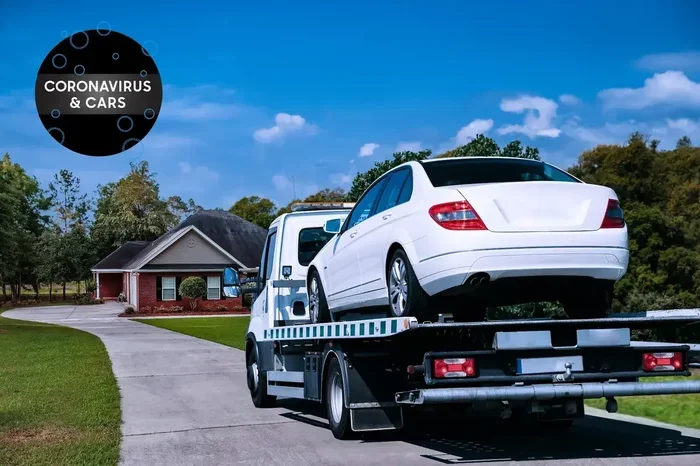
From there, the dealership arranges the transport. A professional driver picks up the vehicle and delivers it to your specified address. This is called door-to-door delivery, and it is the most common method for dealership car shipping. You do not need to do anything special except be available to receive the car.
The Role of the Dealership in Car Delivery
Your dealership plays a big role in the entire process. They handle the coordination between you and the transport company. Some dealerships charge a flat fee for delivery, while others include it in the purchase price. It always pays to ask before you sign any paperwork.
If you ordered your car from the factory, the dealership manages the entire new car delivery process. They track the shipment, notify you of arrival, and make sure everything goes smoothly. This is especially common with brands like Jeep, where buyers often order a Jeep from the factory and have it shipped to their home.
What Happens on Delivery Day
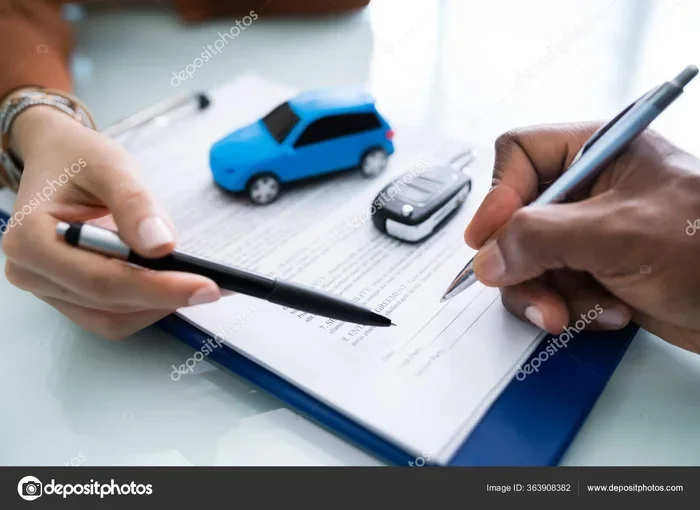
On the day of delivery, the transport driver arrives with your vehicle. They will walk you through a condition report. This document notes every scratch, dent, or mark on the car. You should review it carefully before signing. Once everything looks good, you sign the paperwork and take possession of your car.
Make sure you have a valid driver license and proof of insurance ready. The driver will not hand over the keys without these. It is also a good idea to have someone else present in case you cannot receive the delivery in person.
Shipping Methods: Open vs. Enclosed Transport
Not all car shipping is the same. There are two main methods used to transport vehicles, and each has its pros and cons. Understanding the difference helps you choose the right option for your needs and budget.
Open Transport
Open transport is the most common method. Your car is placed on an open trailer alongside other vehicles. This is the same way most new cars travel from factories to dealerships. It is also the most affordable option.
Here is what you should know about open transport:
- Cost: Typically $500 to $1,500 depending on distance.
- Speed: Faster because multiple vehicles are picked up and dropped off along the route.
- Exposure: Your car is exposed to weather, road debris, and dust during transit.
- Best for: Standard vehicles, daily drivers, and buyers on a budget.
Most people use open transport without any issues. It is the industry standard for a reason. If you are buying a regular sedan or SUV, this method works perfectly fine.
Enclosed Transport
Enclosed transport keeps your vehicle inside a covered trailer. This protects it from weather, road conditions, and prying eyes. It is the preferred method for luxury cars, classic cars, and vehicles with low ground clearance.
Here are the key details about enclosed transport:
- Cost: Typically $1,000 to $2,500 or more depending on distance.
- Speed: Slightly slower because fewer vehicles fit on each trailer.
- Protection: Your car stays clean and safe from external elements.
- Best for: Luxury vehicles, classic cars, and high-value automobiles.
If you are shipping an expensive or rare car, enclosed transport is worth the extra cost. For everyday vehicles, open transport gets the job done just fine.
How Much Does It Cost to Ship a Car From a Dealership?
The vehicle shipping cost depends on several factors. Distance is the biggest one. A short local delivery might cost as little as $200, while shipping across the country could run $1,500 or more. The type of transport method also plays a major role.
Factors That Affect Shipping Costs
Several things influence how much you will pay to have your car delivered. Let us look at the main factors:
- Distance: Longer distances cost more, but the per-mile rate often decreases for shipments over 1,000 miles.
- Vehicle size and weight: Larger vehicles like trucks and SUVs cost more to ship than compact cars.
- Transport method: Enclosed transport costs significantly more than open transport.
- Time of year: Peak moving seasons and holidays can drive up prices.
- Delivery speed: Expedited shipping costs extra if you need the car delivered quickly.
Does the Dealership Cover Shipping Costs?
Some dealerships include delivery in the purchase price, especially for local buyers. Others charge a separate fee. A few dealerships offer free shipping as a promotional perk. Always ask about transport fees before finalizing your purchase.
If you are financing your car, the shipping cost might be rolled into the loan. This can make it easier to budget for delivery. Just make sure you understand the total cost before you agree to anything.
Quick Cost Comparison Table
| Shipping Method | Short Distance (under 500 mi) | Medium Distance (500-1,000 mi) | Long Distance (over 1,000 mi) |
|---|---|---|---|
| Open Transport | $200 – $500 | $500 – $900 | $900 – $1,500 |
| Enclosed Transport | $500 – $800 | $800 – $1,400 | $1,400 – $2,500+ |
These are average estimates. Actual prices vary based on the factors mentioned above. Always get a written quote before committing to a shipping method.
Insurance and Protection During Transit
One of the biggest concerns people have is whether their car is protected during shipping. The short answer is yes, but the details matter. Understanding car shipping insurance helps you avoid surprises if anything goes wrong.
What Does the Dealership Cover?
Most dealerships carry basic insurance coverage for vehicles in their care. This includes vehicles being shipped to or from the dealership. However, the coverage limits may not be enough to cover a full claim if your car is damaged during transit.
Before your car leaves the dealership, ask about their insurance policy. Find out what is covered and what is not. This is especially important if you are shipping a high-value vehicle.
Do You Need Additional Insurance?
The transport company usually provides carrier liability coverage. This covers damage that occurs during transit. However, carrier liability often has limits that may not fully cover the cost of repairs for a new car.
You may want to purchase additional shipping insurance. This is especially true if you are buying an expensive vehicle or shipping a car a long distance. Check with your auto insurance provider too. Some policies cover transit damage, while others do not.
Pro tip: Take plenty of photos of your car before it is loaded onto the transport. Document every existing mark and imperfection. This makes filing a claim much easier if any new damage occurs during car delivery.
Practical Tips for a Smooth Car Delivery
Getting your car shipped is straightforward, but a few smart moves make the process even better. These tips come from experienced buyers who have been through the process many times.
1. Prepare Your Vehicle Before Pickup
Clean your car inside and out before delivery day. This makes it easier to spot any new damage during the inspection. Remove all personal items from the vehicle. Transport companies typically will not cover items left inside the car.
Also, make sure the fuel tank is no more than a quarter full. This keeps the weight down and reduces shipping costs. Check the tire pressure and make sure there are no existing mechanical issues.
2. Be Available for Delivery
Make sure someone is home to receive the car on the scheduled delivery date. If nobody is available, the driver may leave the vehicle and reschedule. This can cause delays and extra fees.
Keep your phone handy. The driver will call when they are about an hour away. If you cannot be there in person, arrange for a trusted friend or family member to accept the delivery on your behalf.
3. Inspect the Car Thoroughly
When the driver arrives, walk around the vehicle with them. Check every panel, every corner, and the undercarriage. Compare the condition to the pre-shipping photos you took. If you spot any new damage, note it on the delivery report before signing.
Do not feel rushed. You have every right to take your time. A good driver will understand and wait while you complete the inspection.
4. Keep All Documentation
Save every piece of paperwork from the shipping process. This includes the condition report, the bill of lading, and any insurance documents. If you ever need to file a claim, these documents are essential.
Common Mistakes to Avoid When Shipping a Car
Even with the best planning, things can go wrong. But most problems are preventable. Here are the mistakes buyers make most often when arranging dealership car transport.
- Not asking about delivery timelines upfront: Some shipments take longer than expected, especially during peak seasons. Always confirm the estimated delivery date before you commit.
- Skipping the pre-shipment inspection: Failing to document the car’s condition before transport makes it hard to prove new damage occurred during shipping.
- Choosing the cheapest option without research: The lowest price does not always mean the best service. Check reviews and verify the transport company is licensed and insured.
- Forgetting to remove personal items: Items left in the car are usually not covered by shipping insurance. Clear out everything before pickup.
- Not confirming insurance coverage: Assuming the dealership or transport company covers everything can lead to costly surprises if damage occurs.
Avoiding these mistakes saves time, money, and stress. A little preparation goes a long way toward ensuring your car shipping process goes smoothly from start to finish.
Can You Track Your Shipped Car?
Yes, most reputable transport companies offer tracking services. You can follow your vehicle’s journey from pickup to delivery. This gives you peace of mind and helps you plan for the delivery day.
Some dealerships also provide tracking updates. They let you know when the vehicle is loaded, in transit, and close to your location. This transparency makes the whole experience much less stressful.
If tracking is important to you, ask about it before you agree to the shipment. Most companies offer this service at no extra charge. It is one of the best ways to stay informed about your vehicle shipping methods and delivery timeline.
How Long Does It Take to Ship a Car?
The delivery timeline depends mainly on distance. A local shipment might take just one or two days. A cross-country delivery could take five to seven days or longer. Weather, traffic, and the transport company’s schedule all play a role.
Here is a general breakdown:
- Local (under 300 miles): 1-2 days
- Regional (300-700 miles): 2-4 days
- Cross-country (over 1,000 miles): 5-10 days
Keep in mind that these are estimates. Delays happen, especially during busy periods like holidays or summer moving season. Planning ahead and building in extra time helps you stay flexible and avoid frustration.
Final Thoughts on Shipping a Car From a Dealership
Having a car shipped from a dealership to your home is a convenient and increasingly popular option. Whether you bought a vehicle online, ordered from a factory, or found the perfect car at a dealership hours away, car delivery services make the process easy. You do not need to drive across the country or worry about adding miles to your new vehicle.
The key is preparation. Understand your options, compare costs, confirm insurance coverage, and inspect your car carefully on delivery day. Follow the tips in this guide, and you will have a smooth experience from order to delivery.
So yes, you can absolutely have your car shipped from a dealership. Now you know exactly how it works, what to expect, and how to avoid common pitfalls. Happy car shopping, and enjoy that new ride when it pulls up to your driveway!
Frequently Asked Questions
Can I have a car shipped from any dealership?
Most dealerships offer shipping services, but policies vary. Some include delivery for free while others charge a fee. It is best to contact the dealership directly and ask about their delivery options before making a purchase.
How do I arrange car shipping from a dealership?
Simply ask the dealership about delivery options when you are purchasing the vehicle. They will coordinate with a transport company and handle the logistics. You just need to confirm the delivery address and be available on the scheduled date.
Is it cheaper to pick up a car or have it shipped?
It depends on the distance. For local pickups, driving is usually cheaper. But for long distances, shipping can save you money on gas, wear and tear, and time. Compare the costs and decide what makes the most sense for your situation.
What if my car arrives damaged?
Document any damage immediately on the delivery report. Take photos and notify the dealership and transport company right away. File a claim with the shipping company’s insurance or your own policy if needed. Having pre-shipment photos makes this process much easier.
Can I ship a car I bought from a dealership to another state?
Yes, you can. Many buyers purchase cars from dealerships in other states and have them shipped home. This is common with online car purchases and factory orders. Just make sure the dealership is willing to ship and that you understand all costs involved.
Do I need to be present when my shipped car arrives?
It is strongly recommended that you or someone authorized be present. The driver needs someone to sign for the delivery and complete the inspection. If you cannot be there, arrange for a trusted person to accept the car on your behalf.
=== INTERNAL LINKS ===
Before you finalize your purchase, you might want to check if you can order a Jeep from the factory and have it shipped directly to you.
Also, make sure your car is in good shape for the journey. If you are concerned about returning the vehicle, learn more about returning your car to the dealership if you cannot afford it.
Once your car arrives, you will need to complete the registration process. You can learn more about registering your car online to save time and hassle.
Finally, consider whether the purchase fits your budget. Check out our guide on affording a Tesla Model Y for tips on evaluating whether a vehicle purchase is right for you.