What Vans Can You Get an 8×4 Sheet In Find Out Now
Not every van can fit an 8×4 sheet inside. The right vehicle depends on the interior length, height, and width of the cargo area. Long wheelbase vans like the Ford Transit LWB, Mercedes Sprinter, and Luton models are your best bet for carrying standard 8×4 sheets of plywood, plasterboard, or drywall safely and easily.
If you have ever tried to haul a full sheet of plywood or plasterboard in a van, you know the frustration of a vehicle that is just too small. What vans can you get an 8×4 sheet in is a question that many tradespeople, DIY enthusiasts, and builders ask every single day. The answer is not as simple as picking any large van off the lot. You need to understand interior dimensions, load lengths, and the specific van models that can comfortably accommodate a standard 8×4 sheet.
An 8×4 sheet measures 8 feet long and 4 feet wide. That is 2.4 metres by 1.2 metres. These dimensions are standard for plywood, drywall, plasterboard, and similar building materials. Fitting one of these sheets inside a van requires careful consideration of the vehicle’s cargo area. The good news is that several van types can handle this job. But choosing the wrong one will leave you struggling with overhang, damage to your materials, and wasted trips.
In this guide, we will walk you through every van option that can fit an 8×4 sheet. We will compare models, highlight key dimensions, and share practical tips for loading and transport. Whether you are a professional tradesperson or a weekend DIYer, this article will help you make the right choice. What vans can you get an 8×4 sheet in becomes a lot clearer once you understand the basics of van cargo dimensions and load capacity.
Key Takeaways
- Long Wheelbase Vans Are Essential: Most SWB vans are too short for an 8×4 sheet. You need an LWB or extra-long variant.
- High Top Models Give You Clearance: A high top van provides the vertical space needed to load sheets without bending or damage.
- Ford Transit LWB and Mercedes Sprinter Lead the Pack: These popular commercial vans offer generous cargo dimensions.
- Luton Vans Are the Ultimate Solution: The box-style design of a Luton van makes loading large sheets effortless.
- Always Measure Before You Buy: Interior dimensions vary by model and trim. Check the exact van cargo dimensions before committing.
- DIY Projects Need the Right Vehicle: Whether you are carrying plasterboard or plywood, the wrong van means a costly return trip.
- Consider a Roof Rack for Extra Length: Some oversized loads may require external racking if the van bed is not long enough.
📑 Table of Contents
- Understanding the 8×4 Sheet Size
- Best Vans That Can Fit an 8×4 Sheet
- Van Types Compared: Which One Is Right for You?
- How to Choose the Right Van for Your 8×4 Sheets
- Tips for Loading and Transporting an 8×4 Sheet
- Common Mistakes to Avoid When Hauling 8×4 Sheets
- Expert Insights on Choosing the Right Van
- Final Thoughts on What Vans Can You Get an 8×4 Sheet In
Understanding the 8×4 Sheet Size
Before you start shopping for vans, you need to understand exactly what you are working with. A standard 8×4 sheet is 8 feet (2438mm) long and 4 feet (1219mm) wide. The thickness varies depending on the material. Plywood sheets are typically 12mm to 18mm thick. Plasterboard and drywall sheets are usually 12.5mm thick.
Why Sheet Size Matters for Your Van Choice
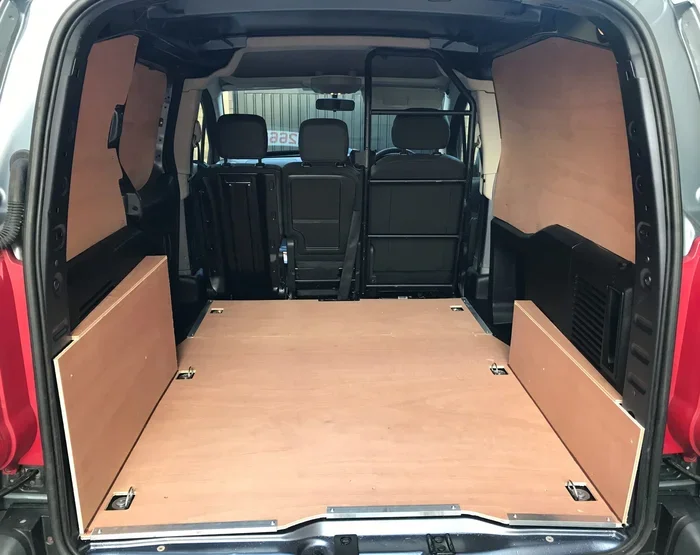
The 8-foot length is the critical measurement. Most vans have a cargo floor that is wide enough to accommodate 4 feet (1.2m) without any problem. The challenge is the length. You need a van with an interior load floor length of at least 8 feet to lay the sheet flat. If your van is shorter, you will have to angle the sheet or let it overhang, which is dangerous and often illegal.
Here are the key dimensions you must consider:
- Load floor length: Must be at least 2438mm (8ft) for the sheet to lay flat.
- Load floor width: Must be at least 1219mm (4ft). Most vans exceed this easily.
- Interior height: Must be tall enough to load sheets without bending or damaging them. A minimum of 1200mm is ideal.
- Payload capacity: A single 8×4 plywood sheet weighs around 25kg. Plasterboard is lighter but bulky. Your van must handle the weight safely.
Understanding these van cargo dimensions is the first step toward finding the right vehicle. Once you know what you need, you can narrow down your options with confidence.
Best Vans That Can Fit an 8×4 Sheet
Now for the exciting part. Which specific vans can you get an 8×4 sheet in? Several models from popular manufacturers are well suited for this task. Let us look at the top contenders.
Ford Transit LWB and High Top
The Ford Transit is one of the most popular commercial vans in the UK and around the world. The Long Wheelbase (LWB) version with a high top roof offers an interior load length of approximately 3.1 to 3.3 metres. This is more than enough to fit an 8×4 sheet flat on the load floor. The width of the Transit cargo area is typically around 1.7 to 1.9 metres, giving you plenty of room for the 4-foot width of the sheet.
The Transit is available in various configurations. The panel van version is great for carrying building materials. You can also choose the maxi cab version if you need to carry passengers alongside your materials. The high top variant is essential if you plan to stack sheets vertically or load them without bending.
Mercedes Sprinter LWB High Top
The Mercedes Sprinter is another excellent option for hauling 8×4 sheets. The LWB high top Sprinter offers an interior length of around 3.2 to 3.5 metres, depending on the exact configuration. This gives you generous space for long building materials. The Sprinter is known for its robust build quality, smooth ride, and generous payload capacity, which typically ranges from 1000kg to 1400kg depending on the model.
One advantage of the Sprinter is its high interior ceiling height, which makes loading bulky sheets much easier. The cargo van version is particularly well suited for tradespeople who need a reliable workhorse. The Sprinter also offers excellent fuel economy for its class, which helps keep running costs down.
Volkswagen Transporter T5 and T6 LWB
The VW Transporter has been a staple of the trades and delivery industries for decades. The LWB version of the T5 and T6 models provides an interior load length of approximately 2.5 to 2.6 metres. This is a bit tight for an 8×4 sheet laid completely flat. However, you can still fit the sheet at a slight angle, and many users report success with this model.
If you need more space, the Transporter extra long (XL) variant is a better choice. It offers an interior length of around 3.0 metres, which comfortably accommodates an 8×4 sheet. The Transporter is also known for its car-like driving dynamics, making it a great choice if you are used to driving a regular car.
Fiat Ducato LWB High Top
The Fiat Ducato is a favourite among tradespeople and is the base vehicle for many popular camper conversions. The LWB high top Ducato offers an interior length of approximately 3.1 to 3.5 metres. This is plenty of space for an 8×4 sheet. The Ducato also boasts a wide cargo area and a high payload capacity, making it a versatile choice for carrying building materials.
The Ducato is available from several manufacturers under different names, including the Peugeot Boxer and Citroen Relay. If you prefer one of these brands, you will still enjoy the same excellent cargo space and performance.
Luton Vans and Box Vans
If you want the ultimate solution for carrying large sheets, consider a Luton van or box van. These vehicles feature a fixed box structure mounted above the cab, which provides maximum interior volume. The load floor length of a Luton van typically ranges from 3.5 to 6 metres, and the interior height is usually around 2.0 to 2.4 metres.
A Luton van can easily fit multiple 8×4 sheets stacked on top of each other. This makes it the ideal choice for builders, roofing contractors, and refurbishment companies who regularly transport large quantities of plasterboard, plywood, and drywall sheet materials. The trade-off is that Luton vans are larger and may require a different driving licence category depending on their weight.
Renault Master and Vauxhall Vivaro LWB
The Renault Master and Vauxhall Vivaro are also strong contenders. Both offer LWB variants with interior load lengths exceeding 3 metres. The Master LWB high top provides approximately 3.3 to 3.5 metres of interior length, which is more than enough for an 8×4 sheet. The Vivaro LWB offers similar dimensions and a competitive payload capacity.
These vans are widely available and offer good value for money. They are popular choices among commercial van users who need a reliable and affordable option for carrying large building materials.
Van Types Compared: Which One Is Right for You?
With so many options available, how do you choose the right van? The table below compares the key van types that can fit an 8×4 sheet, along with their typical interior dimensions and load capacities.
| Van Model | Configuration | Interior Length (approx) | Interior Width (approx) | Interior Height (approx) | Fits 8×4 Flat? |
|---|---|---|---|---|---|
| Ford Transit | LWB High Top | 3.1-3.3m | 1.7-1.9m | 1.8-2.1m | Yes |
| Mercedes Sprinter | LWB High Top | 3.2-3.5m | 1.7-1.9m | 1.8-2.2m | Yes |
| VW Transporter | LWB | 2.5-2.6m | 1.7m | 1.7m | Tight / Angled |
| VW Transporter XL | Extra Long | 3.0m | 1.7m | 1.7m | Yes |
| Fiat Ducato | LWB High Top | 3.1-3.5m | 1.7-1.9m | 1.8-2.1m | Yes |
| Renault Master | LWB High Top | 3.3-3.5m | 1.7-1.9m | 1.8-2.2m | Yes |
| Luton Van | Standard | 3.5-6.0m | 2.4-2.5m | 2.0-2.4m | Yes (Multiple Sheets) |
The table makes it clear that LWB and high top configurations are essential if you want to carry an 8×4 sheet flat on the load floor. SWB (Short Wheelbase) vans simply do not provide enough length for this purpose. If you are considering a short wheelbase van, you may be able to fit the sheet at an angle, but this is not ideal for safe transport.
SWB vs LWB: Why the Difference Matters
The wheelbase of a van directly affects its cargo length. A short wheelbase van has a shorter cargo area, typically around 2.0 to 2.3 metres in length. This is not enough for an 8-foot sheet to lay flat. A long wheelbase van extends the cargo area to 3.0 metres or more, providing ample space for 8×4 sheets and longer materials.
If you frequently transport large building materials, always opt for the LWB version. The extra cost is well worth the added versatility and convenience. It saves you from having to make multiple trips or angle materials dangerously in the cargo area.
How to Choose the Right Van for Your 8×4 Sheets
Choosing the right van involves more than just checking if the sheet fits. You also need to consider your regular usage, budget, and practical needs. Here is a step-by-step guide to help you decide.
Step 1: Assess Your Typical Load
Think about what you carry most often. Do you transport 8×4 sheets regularly, or is it an occasional job? If sheets are a regular part of your load, invest in an LWB high top van. If you only carry them occasionally, you might get away with a smaller van and use a roof rack or trailer for the occasional larger load.
Step 2: Check the Interior Dimensions
Do not rely on exterior dimensions. Always check the interior cargo dimensions of the specific van model and trim you are considering. Manufacturers often list these in the technical specifications. Pay close attention to the load floor length, width, and height. Also consider the shape of the cargo area. Some vans have wheel arch intrusions that reduce usable space.
Step 3: Consider the Payload Capacity
A single 8×4 plywood sheet weighs around 25kg. A stack of five sheets weighs 125kg. Add the weight of any other materials you carry, and the total can add up quickly. Make sure your chosen van has a payload capacity that comfortably exceeds your typical load weight. Overloading a van is dangerous and illegal.
Step 4: Think About Loading and Unloading
How will you load the sheets into the van? If you are working alone, you need a low load floor or a tail lift. Many modern LWB vans come with a tail lift as standard or as an optional extra. This makes loading heavy sheets much easier and reduces the risk of injury.
Step 5: Factor in Your Driving Licence
Most standard vans fall within the B licence category, which allows you to drive vehicles up to 3.5 tonnes. However, if you consider a larger Luton van or a box van that exceeds this weight, you may need a C1 licence. Always check the vehicle weight and your licence entitlements before purchasing.
Tips for Loading and Transporting an 8×4 Sheet
Once you have the right van, proper loading and transport techniques are essential for safety and protecting your materials.
Always Secure the Load Properly
An 8×4 sheet can shift during transit if it is not properly secured. Use ratchet straps, bungee cords, or load bars to hold the sheet firmly in place. Make sure the load is balanced and does not obstruct your rear view. Unsecured loads are a serious safety hazard and can result in fines or accidents.
Use a Roof Rack for Extra Capacity
If you need to carry more than one sheet, or if your van bed is not quite long enough, a roof rack can help. Roof racks allow you to stack sheets on top of the cargo area, effectively doubling your carrying capacity. Just make sure the total load height does not exceed legal limits, and secure the sheets tightly to prevent them from falling off at speed.
Protect Your Sheets from Damage
Plywood and plasterboard are vulnerable to moisture damage. If you are transporting sheets in wet conditions, use a waterproof tarp or cover. Also place a sheet of cardboard or foam between stacked sheets to prevent scratching and surface damage. Taking these simple precautions can save you money and ensure your materials arrive in perfect condition.
Drive Carefully with a Heavy Load
A loaded van handles differently from an empty one. The extra weight changes the vehicle’s centre of gravity and braking distance. Drive slower than usual, especially on corners and when braking. Allow extra stopping distance and avoid sudden manoeuvres. Safety should always come first when transporting large and heavy materials.
Common Mistakes to Avoid When Hauling 8×4 Sheets
Even experienced van drivers can make mistakes when loading large sheets. Here are the most common errors and how to avoid them.
Choosing a van that is too small. This is the number one mistake. Many people buy a compact or SWB van without checking if it can fit an 8×4 sheet. Always verify the interior dimensions before you commit to a purchase.
Overloading the van. Carrying too many sheets or mixing heavy materials beyond the van’s payload capacity is dangerous and illegal. Check the payload rating on the vehicle plate and never exceed it.
Failing to secure the load. A loose sheet in the back of a van is a serious hazard. It can fly out through the rear doors or shift during braking, causing damage or injury. Always use proper restraints.
Ignoring the load floor height. A high load floor makes it difficult to slide sheets into the van. If possible, choose a van with a low load floor or invest in a tail lift to make loading easier and safer.
Not measuring the sheet against the van. Sheets can vary slightly in size depending on the manufacturer and material. Always measure your actual sheets and compare them to the van’s interior dimensions before loading.
Expert Insights on Choosing the Right Van
When it comes to hauling 8×4 sheets, the experts agree: go for a long wheelbase high top configuration. The extra length and height make all the difference. A Ford Transit LWB high top or Mercedes Sprinter LWB high top are the gold standards for tradespeople who regularly carry large building materials. If you are on a tighter budget, the Fiat Ducato and Renault Master LWB offer excellent value and performance. And if you need to carry multiple sheets regularly, a Luton van is the ultimate solution.
Professional builders and roofing contractors often opt for Luton vans because of the sheer volume of materials they need to transport. The box design provides a flat, unobstructed load floor that makes loading and unloading quick and easy. For the average DIYer or smaller trades operation, an LWB panel van from Ford, Mercedes, or Fiat strikes the perfect balance between size, affordability, and everyday usability.
One final tip from the experts: always test drive the van with a mock load before you buy. If possible, bring a sample sheet or similar-sized material to the dealership. This hands-on test will give you confidence that the van truly meets your needs. It is a simple step that can save you from buying the wrong vehicle.
Final Thoughts on What Vans Can You Get an 8×4 Sheet In
The answer to what vans can you get an 8×4 sheet in comes down to choosing the right configuration. A long wheelbase van with a high top roof is your safest and most practical option. The Ford Transit LWB, Mercedes Sprinter LWB, Fiat Ducato LWB, and Renault Master LWB all offer the interior space needed to carry standard 8×4 sheets comfortably and safely.
If you need even more space, a Luton van or box van provides unmatched cargo volume for multiple sheets and bulky materials. The key is to match your van choice to your specific needs, budget, and how often you transport large sheets.
Take the time to measure your materials, check the van dimensions, and test drive before you buy. The right van will make your job easier, safer, and more efficient. Whether you are a professional tradesperson or a passionate DIYer, investing in the correct vehicle for carrying 8×4 sheets is a decision you will not regret.
Now that you know exactly which vans can handle an 8×4 sheet, you are ready to hit the showrooms with confidence. Make the smart choice, protect your materials, and enjoy a smoother, safer working experience every time you load up your van.
Frequently Asked Questions
Can I fit an 8×4 sheet in a short wheelbase van?
It is possible but not ideal. A short wheelbase van typically has an interior length of around 2.0 to 2.3 metres, which is shorter than the 8-foot length of the sheet. You may be able to fit the sheet at an angle, but this is not safe or practical for regular transport. Always choose a long wheelbase van for the best results.
What is the best van for carrying plasterboard sheets?
The Ford Transit LWB high top and Mercedes Sprinter LWB high top are widely considered the best options. They offer generous interior dimensions, high payload capacity, and easy loading. A Luton van is also excellent if you need to carry multiple sheets regularly.
Do I need a special licence to drive a van that fits 8×4 sheets?
Most standard vans that can fit an 8×4 sheet weigh under 3.5 tonnes, which means you can drive them with a standard category B driving licence. However, if you choose a larger Luton van or a box van that exceeds 3.5 tonnes, you may need a C1 licence. Always check the vehicle weight and your licence requirements before purchasing.
How much does an 8×4 sheet of plywood weigh?
A standard 8×4 sheet of 18mm plywood weighs approximately 25 to 28 kilograms. Thinner sheets, such as 12mm plywood, weigh around 18 to 20 kilograms. The weight varies depending on the wood type and thickness. Always factor the sheet weight into your van payload calculations.
Can I use a roof rack to carry an 8×4 sheet on top of a van?
Yes, a roof rack can be a useful option if your van bed is not long enough or if you need to carry additional sheets. However, you must ensure the total load height does not exceed legal limits, typically 4 metres for most vehicles. Always secure the sheet tightly with straps and check that the roof rack is rated for the weight of the material.
Are there any vans that can fit two 8×4 sheets at once?
Yes, larger vans such as Luton vans and high top LWB models can typically fit two 8×4 sheets stacked side by side or on top of each other. The exact capacity depends on the van’s interior dimensions and configuration. A Luton van offers the most space and is the best choice if you regularly need to carry multiple large sheets.
=== CONCLUSION ===
Finding the right van for an 8×4 sheet does not have to be complicated. The key is understanding your sheet dimensions and matching them to the right van cargo dimensions. A long wheelbase high top van from Ford, Mercedes, VW, Fiat, or Renault will comfortably fit a standard 8×4 sheet of plywood, plasterboard, or drywall. If you need to carry multiple sheets, a Luton van or box van is the ultimate solution.
Remember to check the interior load floor length, width, and height before you buy. Consider your payload needs, loading requirements, and driving licence category. With the right commercial van, you will transport your building materials safely, efficiently, and with complete confidence every single time.
What vans can you get an 8×4 sheet in is a question with a clear and practical answer. Use the guidance in this article to choose the perfect vehicle for your needs. Your materials, your safety, and your peace of mind will all thank you for making the right choice.