Can I Put 88 Octane Gas in My Car and Not Regret It
Putting 88 octane gas in your car is possible in some cases, but it depends entirely on your vehicle’s compression ratio and the manufacturer’s fuel recommendations. Most modern cars need at least 87 octane, while high-performance engines often require 89 or higher. Using lower octane fuel can lead to engine knock, reduced performance, and long-term damage.
Key Takeaways
- 88 octane gas exists but is rare: Most gas stations sell 87 octane as the lowest option, making true 88 octane hard to find at the pump.
- Your car’s manual is the boss: Always follow the fuel recommendation from your vehicle manufacturer to avoid engine problems.
- Lower octane can cause engine knock: Using 88 octane gas in a high-compression engine may trigger detonation and damage over time.
- Performance vehicles need higher octane: Sports cars and turbocharged engines rely on higher fuel octane for peak engine performance.
- Fuel cost matters: Premium gasoline costs more, but using the wrong grade can cost you even more in repairs.
- Knock sensors help, but aren’t a fix: Modern cars adjust timing to prevent damage, but this doesn’t mean lower octane is safe long-term.
📑 Table of Contents
- Can I Put 88 Octane Gas in My Car and Not Regret It?
- What Is 88 Octane Gas?
- What Happens When You Put 88 Octane Gas in Your Car?
- 88 Octane vs Other Fuel Grades
- Who Should Use 88 Octane Gas?
- Common Mistakes People Make About 88 Octane Gas
- Expert Tips for Choosing the Right Gas
- Quick Tips for Fuel Savings Without Sacrificing Performance
- Conclusion
Can I Put 88 Octane Gas in My Car and Not Regret It?
Fuel choices can feel confusing. You pull up to the gas station, and there it is: a pump labeled 87, another labeled 89, and maybe one marked 91. Somewhere in the back of your mind, you wonder about that one time you heard someone mention 88 octane gas. Is it safe? Can I put 88 octane gas in my car without causing problems? Or will you end up at the repair shop wishing you had just grabbed the regular stuff?
The answer is not as simple as yes or no. It depends on your engine type, your car’s compression ratio, and what your vehicle manufacturer actually recommends. In this article, we break down everything you need to know about 88 octane fuel, how it compares to other gas grades, and what happens if you use the wrong one. Let’s dive in.
What Is 88 Octane Gas?
Understanding Octane Ratings
Before we talk about 88 specifically, let’s cover the basics. An octane rating measures how well fuel can resist engine knock. Engine knock happens when the air-fuel mixture in your combustion chamber ignites too early. Instead of the spark plug firing at the right time, the fuel detonates on its own. That uncontrolled detonation creates a knocking sound and can hurt your engine over time.
Higher octane fuels resist this premature ignition better. They don’t burn faster. Instead, they handle higher compression ratios without unwanted detonation. This is why some engines need premium gasoline while others run perfectly fine on regular gas.
Where Does 88 Octane Fit In?
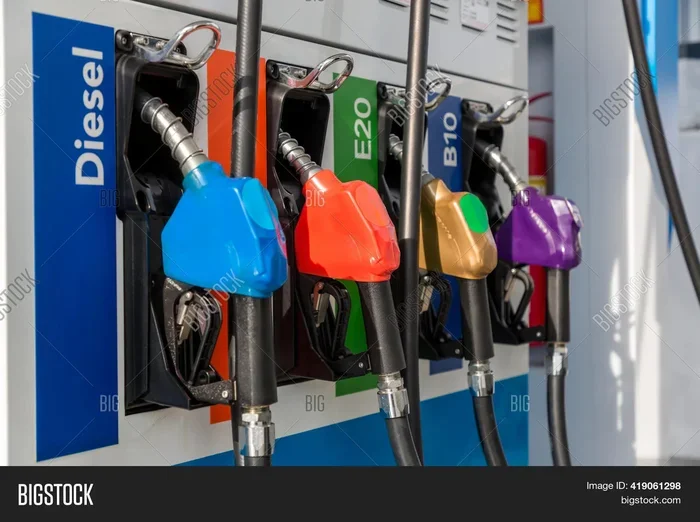
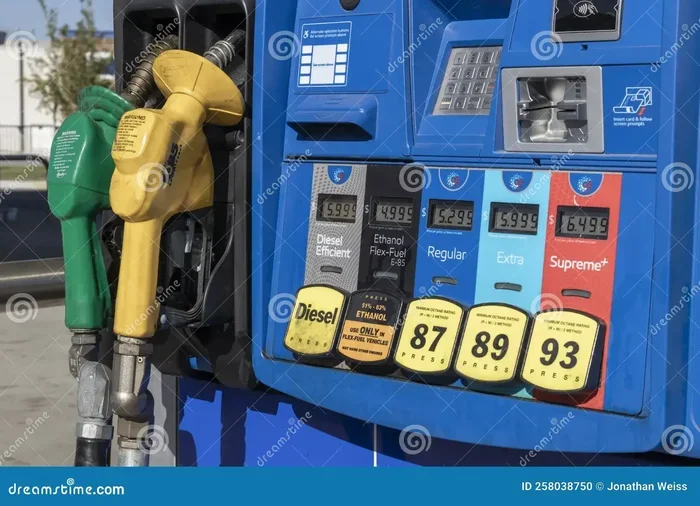
Here is the thing most people don’t realize. In the United States, the most common fuel octane grades are 87, 89, and 91. Regular gas sits at 87. Mid-grade usually comes in at 89. Premium goes from 91 up to 94 depending on the brand. True 88 octane gas is not a standard pump offering at most gas stations.
However, some states and regions may have slightly different fuel formulations. In certain cases, fuel labeled as 88 may exist as a regional blend or a transitional grade. It is not widely available, which is part of what makes this topic so interesting. If you find it, should you use it? That depends on your car.
What Happens When You Put 88 Octane Gas in Your Car?
If Your Car Requires Regular 87 Octane
Most everyday vehicles on the road today are designed to run on 87 octane fuel. These cars have lower compression ratios and do not need extra fuel protection. If you put 88 octane gas in one of these cars, nothing bad will happen. In fact, it might even be a tiny improvement.
The slightly higher octane means the fuel resists knock a little better. Your fuel injection system will handle it just fine. You probably will not notice a difference in fuel economy or engine performance. But there is no real benefit either. You would just be spending a bit more money for no clear gain.
If Your Car Requires Premium 89 or Higher
This is where things get risky. High-performance engines, turbocharged engines, and certain luxury vehicles need at least 89 octane. Some even demand 91 or above. These engines operate under extreme pressure inside the combustion chamber. They rely on higher fuel octane to prevent engine knock and maintain proper engine efficiency.
If you fill up with 88 octane fuel in one of these cars, the fuel may not provide enough resistance to premature detonation. Over time, this can lead to serious problems including:
- Persistent engine knock sounds
- Reduced horsepower and acceleration
- Poor fuel economy as the engine adjusts on its own
- Damage to pistons, spark plugs, and the catalytic converter
- Check engine light triggering from the knock sensor
What About Cars With Knock Sensors?
Most modern vehicles come equipped with a knock sensor. This clever little device detects abnormal vibrations caused by detonation. When it senses a problem, your car’s computer adjusts the timing of the fuel injection system to compensate. This prevents immediate damage.
But here is the catch. That adjustment means your engine is not running at its best. You lose some engine performance and potentially some engine efficiency. The car protects itself, but it does not thrive on the wrong fuel. Think of it like wearing shoes two sizes too big. Your feet are safe, but you are not walking comfortably.
88 Octane vs Other Fuel Grades
To make things clearer, let us compare the common fuel grades side by side. This comparison table shows how 88 octane gas stacks up against the standard options.
| Fuel Grade | Octane Level | Best For | Common Availability |
|---|---|---|---|
| Regular Gas | 87 | Standard engines with low compression | Widely available |
| Mid-Grade Gasoline | 89 | Some older or moderately tuned engines | Most stations |
| Premium Gasoline | 91-94 | High-performance and turbocharged engines | Most stations |
| 88 Octane Fuel | 88 | Rare regional use; not a standard grade | Very limited |
As you can see, 88 octane falls right between regular and mid-grade. It is not officially recognized by most fuel recommendations from vehicle manufacturers. That makes it a tricky choice. It is neither one thing nor the other, which leaves many drivers confused about where it fits.
Who Should Use 88 Octane Gas?
Vehicles That Can Handle It
Honestly, most everyday drivers do not need 88 octane gas. If your car runs on regular 87, you are already fine. If your car needs premium, 88 is still not enough. So who actually benefits from this fuel grade?
Some older vehicles with moderate compression ratios might see a small improvement. Classic cars from the late 1980s and early 1990s sometimes have engines that fall in a gray area. They do not strictly need premium, but 87 might be slightly too low for optimal engine performance. In those rare cases, 88 octane fuel could serve as a decent middle ground.
Vehicles That Should Avoid It
On the flip side, several types of vehicles absolutely should not run on 88 octane gas:
- Turbocharged engines: These engines compress air before it enters the combustion chamber, creating higher pressures that demand higher octane fuel.
- Sports cars: Many sports models come with high-compression engines built for speed. They need premium gasoline to deliver full horsepower.
- Luxury vehicles: Brands like BMW, Mercedes, and Audi often recommend or require premium fuel. Using lower grades can trigger warning lights and reduce performance.
- Performance trucks: Some pickup trucks with powerful engines also fall into this category.
Common Mistakes People Make About 88 Octane Gas
Thinking Higher Octane Always Means Better
This is probably the biggest misconception out there. Many people believe that putting higher octane fuel in any car automatically makes it run better. That is not true. If your vehicle manufacturer recommends 87 octane, using 88 or even 91 will not add horsepower. It will not improve your fuel economy. It will just drain your wallet a little faster.
Octane is about resistance to knock. It is not about energy output. Your engine is designed to work with a specific octane rating. Going above that rating gives you no extra benefit. Going below it risks real damage.
Assuming All Gas Stations Sell the Same Fuel
Different brands and regions sometimes have slightly different fuel blends. Top-tier gas stations often have better detergent packages that keep your fuel injection system clean. But the octane number stays consistent. Just because one station sells 87 and another sells 89 does not mean you can mix and match without consequences.
Also, if you travel across state lines, you might notice different fuel options. Some states have stricter fuel economy standards and emissions regulations. That can affect what grades are available at the pump. Always pay attention before you fill up.
Ignoring the Fuel Recommendation Light
Some cars have a dashboard light that says “Use Premium Fuel.” If that light comes on, do not ignore it. Your car is telling you something important. Driving on low octane when your engine needs premium can cause the knock sensor to activate, which leads to timing adjustments and poor performance. Over time, it can also harm the catalytic converter and other internal parts.
Expert Tips for Choosing the Right Gas
1. Check Your Owner’s Manual
This is the easiest and most reliable way to know what fuel your car needs. The vehicle manufacturer spells it out right there. Look for the fuel recommendation section. It will tell you the minimum fuel octane rating and sometimes explain what happens if you use lower grades.
2. Listen to Your Engine
If you hear a knocking or pinging sound from the engine, that is a serious warning sign. It could mean your current fuel grade is too low. Pull over when safe and let the engine cool down. Then consider switching to a higher octane option. Ignoring engine knock can lead to costly repairs.
3. Save Premium for Cars That Need It
There is no reason to spend extra on premium gasoline if your car does not need it. Stick with regular 87 and use the savings for routine maintenance like oil changes and tire rotations. Those things do far more for your car’s health than upgrading fuel unnecessarily.
4. Watch for Regional Fuel Options
If you are traveling and come across unusual fuel grades like 88 octane gas, ask the station attendant before filling up. They can usually tell you the exact octane level. When in doubt, go with the standard 87 or 89 that your car is designed for.
5. Keep Your Fuel System Clean
Dirty fuel injection components can affect how your engine burns fuel. Using top-tier gasoline with quality detergents helps prevent buildup. A clean system means better combustion, improved engine efficiency, and fewer problems at the pump.
Quick Tips for Fuel Savings Without Sacrificing Performance
- Drive at moderate speeds to improve fuel economy.
- Avoid aggressive acceleration, which stresses the engine and wastes fuel.
- Keep your tires properly inflated for better rolling resistance.
- Use the manufacturer-recommended octane rating every time.
- Fill up at reputable gas stations that sell clean, certified fuel.
Conclusion
So, can you put 88 octane gas in your car and not regret it? The honest answer is: it depends. If your vehicle runs on regular 87 octane, using 88 will not hurt anything, but it also won’t help much. If your car needs premium fuel, 88 is not enough and could lead to engine knock, reduced engine performance, and long-term damage. The safest bet is always to follow your vehicle manufacturer recommendations and use the fuel octane rating listed in your owner’s manual.
Fuel choices matter more than many drivers realize. Using the right grade keeps your engine running smoothly, protects vital components like the catalytic converter, and helps you get the best engine efficiency possible. Next time you pull up to the gas station, take a moment to think about what your car actually needs. Your engine will thank you for it.
Frequently Asked Questions
Is 88 octane gas the same as 87 octane?
No, they are not the same. 88 octane has a slightly higher resistance to engine knock compared to 87. However, most gas stations in the U.S. sell 87 as regular and do not offer 88 as a standard option. The difference is small, but it matters depending on your engine’s compression ratio.
Will 88 octane gas clean my engine better than 87?
Not necessarily. Engine cleaning depends more on the detergent package in the fuel than the octane level. Both 87 and 88 can clean your engine if the fuel is from a top-tier brand. Focus on using quality gasoline from reputable gas stations rather than chasing octane numbers.
Can using 88 octane gas improve my car’s horsepower?
Only if your engine specifically benefits from a slightly higher fuel octane rating. Most standard vehicles will not see any increase in horsepower or engine performance from using 88 instead of 87. High-performance engines tuned for higher compression may notice a small improvement, but the difference is usually minimal.
What happens if I accidentally put 88 octane in a car that needs 87?
Nothing bad will happen. Your car will run just fine. The fuel injection system will adjust as needed, and you will not experience engine knock or any damage. You might just spend a few extra cents per gallon without getting any real benefit in return.
Is 88 octane gas available at most gas stations?
No, it is very rare. Most gas stations offer 87, 89, and 91 as their main grades. 88 octane fuel is not a standard offering in the U.S. market. If you see it, it is likely a regional or specialty blend. Always check the pump label carefully before you start filling up.
Does the octane rating affect my fuel economy?
It can, but only slightly. Using the correct octane rating for your engine ensures optimal fuel economy. Using a lower grade than recommended can actually reduce your miles per gallon because the engine adjusts timing to compensate for increased knock risk. Stick with your vehicle manufacturer recommendation for the best results.
Conclusion
Understanding your fuel options matters more than most drivers think. The question of whether you can put 88 octane gas in your car comes down to your specific vehicle, its engine design, and the fuel recommendations from the vehicle manufacturer. Using the wrong grade can lead to engine knock, poor fuel economy, and even long-term damage to critical parts like the catalytic converter and pistons. On the other hand, using a higher octane than needed wastes money without delivering any real advantage.
Stay informed. Check your manual. Listen to your engine. And next time you are at the gas station, make a confident choice based on facts, not assumptions. The right fuel keeps your car running strong for years to come.