Can I Put 93 Gas in My Car Heres What You Need to Know
Yes, you can put 93 gas in your car, but whether you should depends on your vehicle’s engine and fuel requirements. Using premium gasoline in a car that runs fine on regular fuel usually will not hurt, but it also may not help. Always check your owner’s manual to find the right fuel type for your car.
So you pulled up to the gas station and saw the big green sign that says 93. You looked at the other options, 87 and 89, and thought, “Can I Put 93 Gas in My Car?” It is a simple question, but the answer is not as straightforward as you might think.
Every time you fill up, you make a choice. That choice affects how your car runs, how long your engine lasts, and even your wallet. Understanding what 93 gas is and whether your car needs it can save you money and headaches down the road. Let us break it all down in plain English.
The short answer is yes. You can put 93 gas in your car. But the better question is, should you? That depends on what kind of car you drive, what the manufacturer recommends, and what you hope to get out of your fuel. This guide will walk you through everything you need to know.
Key Takeaways
- 93 gas is premium gasoline: It has a higher octane rating than regular or mid-grade fuel.
- Not all cars need it: Only high-performance or turbocharged engines truly require premium fuel.
- Using it in a regular car is safe: It will not damage your engine, but it may not save you money.
- Check your owner’s manual: The manufacturer tells you the best fuel type for your vehicle.
- Engine knock is the real concern: Low octane fuel can cause knocking in engines that need higher octane.
- Fuel economy may not improve: Premium gas does not automatically mean better gas mileage for every car.
- When in doubt, follow the manual: Sticking with the recommended fuel type keeps your car running smoothly.
📑 Table of Contents
- What Is 93 Gas and Why Does It Matter?
- Can I Put 93 Gas in My Car If It Takes Regular?
- When Should You Use 93 Gas?
- What Does Your Owner’s Manual Say?
- Does Premium Gas Give You Better Gas Mileage?
- Common Mistakes People Make With Premium Fuel
- Quick Tips for Choosing the Right Fuel
- Expert Insights on Premium Fuel
- Key Takeaways
- Conclusion
What Is 93 Gas and Why Does It Matter?
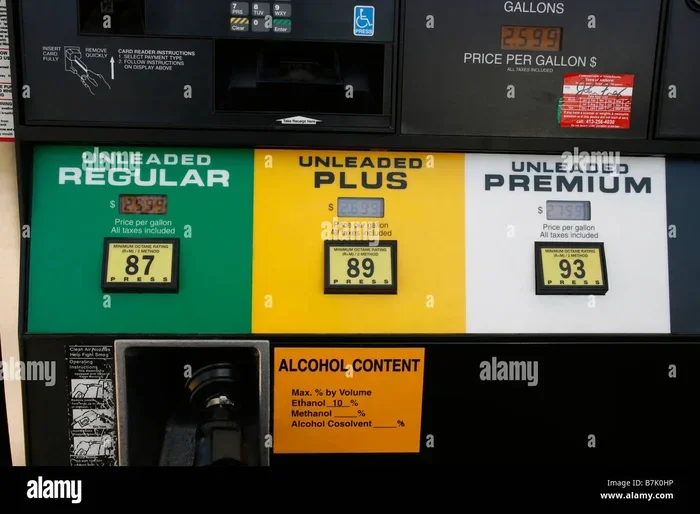
When you pull up to the pump, you usually see three options. 87 is regular, 89 is mid-grade, and 93 is premium. These numbers are called octane ratings. The octane rating tells you how well the fuel resists knocking or pinging inside your engine.
Knocking happens when the air fuel mixture in your combustion chamber ignites too early. It can sound like a rattling or pinging noise. Over time, engine knock can cause serious damage. Higher octane fuel resists this knocking better than lower octane fuel.
93 gas is also called premium gasoline. It has a higher octane level than regular or mid-grade fuel. This makes it ideal for certain types of engines. But here is the key point. Not every car needs it.
How Octane Ratings Work
Think of octane rating like a measure of fuel stability. The higher the number, the more stable the fuel burns. Regular gas at 87 burns fine in most standard engines. Premium gas at 93 burns slower and more evenly. This matters a lot in engines with high compression ratios.
Your car’s engine has a specific compression ratio. This ratio determines how much the air fuel mix gets squeezed before it ignites. Engines with high compression ratios need higher octane fuel. If they get lower octane fuel, they may knock. That is why sports cars and luxury vehicles often require premium gas.
Can I Put 93 Gas in My Car If It Takes Regular?
This is the most common question people ask. The answer is yes, you can. Putting 93 gas in a car that is designed for 87 regular fuel will not harm your engine. Your car will run just fine. In fact, it might run a tiny bit smoother.
But here is the catch. You will not see any real benefit. Premium fuel costs more per gallon. If your car does not need it, you are just spending extra money. Over time, those extra dollars add up fast. You could be wasting 20 to 50 cents more per gallon for no real gain.
Some people believe that premium gas makes any car run better. They think it boosts horsepower or improves fuel economy. For most regular cars, this is simply not true. Your engine is designed to work with the fuel type the manufacturer recommends.
What Happens If You Use Premium Fuel in a Regular Car
Let us say you decide to fill up with 93 gas even though your car runs on regular. Here is what will likely happen.
- Your engine will run normally. There will be no noticeable difference in performance.
- You will spend more money. Premium fuel costs more at the pump.
- You will not get better gas mileage. Studies show that premium fuel does not improve fuel economy in cars designed for regular.
- Your engine will not be cleaner. This is a common myth. All gasoline sold in the US has cleaning agents.
The only time premium fuel might make a small difference is if your car is older and has carbon buildup. In that rare case, the higher octane might reduce minor knocking. But for the vast majority of cars, it makes no difference at all.
When Should You Use 93 Gas?
There are definitely times when premium fuel is the right choice. Certain engines are built to run on higher octane gas. Using anything lower could cause problems. Here are the situations where you should reach for the 93 pump.
High-Performance Engines
Sports cars and high-performance vehicles often have powerful engines with high compression ratios. These engines pack more air and fuel into each cylinder. That creates more power. But it also creates more heat and pressure. Higher octane fuel handles this better.
Cars like BMWs, Mercedes Benzes, and Corvettes often require or recommend premium fuel. If you own one of these vehicles, using 87 regular gas could lead to engine knock. Over time, that knocking can reduce engine life and performance.
Turbocharged and Supercharged Engines
Turbocharged engines force more air into the combustion chamber. This makes the engine more powerful. But it also raises the temperature and pressure inside the engine. Premium fuel with its higher octane rating helps prevent knocking in these conditions.
If your car has a turbo, check the owner’s manual. Many turbocharged vehicles do just fine with regular gas. But some, especially performance turbos, need the extra octane that 93 gas provides.
Luxury Vehicles
Luxury car makers often design their engines to run on premium fuel. These engines are tuned for maximum performance and smoothness. Using lower octane fuel might cause the engine computer to adjust timing. This can reduce power and fuel economy.
Brands like Audi, Lexus, and Cadillac frequently recommend premium gas. Always check the fuel door or owner’s manual to be sure.
What Does Your Owner’s Manual Say?
This is the single most important resource for your fuel question. Your car’s owner’s manual tells you exactly what fuel type to use. It is written by the people who built your car. They know what works best.
Look for the fuel section in your manual. It will say one of three things.
- Required: You must use premium fuel. Do not use anything lower.
- Recommended: Premium fuel is suggested but not mandatory. Regular fuel will work fine.
- Regular Unleaded: Your car is designed to run on 87 octane fuel. Premium is not needed.
If your manual says premium is required, use 93 gas. If it says recommended, you have a choice. If it says regular, save your money and stick with 87.
Where to Find the Fuel Recommendation
Not sure where to look? Here are the common places to find fuel type information in your car.
- Owner’s manual: Check the index for “fuel” or “fuel type.”
- Fuel door: Many cars have a sticker on the inside of the fuel door.
- Gas cap: Some vehicles print the fuel type right on the gas cap.
- Dashboard: A warning light may appear if you use the wrong fuel.
These clues make it easy to find the right answer. When in doubt, call your dealership. They can tell you exactly what fuel your car needs.
Does Premium Gas Give You Better Gas Mileage?
This is one of the biggest myths about premium fuel. Many drivers believe that 93 gas will help them go farther on each tank. The truth is more complicated than that.
For cars designed to run on premium fuel, using the correct octane can help maintain the manufacturer’s fuel economy claims. But for cars that run fine on regular, premium fuel will not magically improve your gas mileage.
A study by the AAA found that most cars see no fuel economy benefit from premium gas. The only exception is when a car designed for premium is accidentally filled with regular fuel. In that case, the engine computer may adjust timing to prevent knocking. This adjustment can lower fuel economy.
So if your car takes regular gas, do not expect premium to save you money at the pump. You will likely spend more per gallon and get the same mileage.
The Cost Difference Between Regular and Premium
Let us look at real numbers. In many parts of the country, premium gas costs about 40 to 60 cents more per gallon than regular. If your tank holds 15 gallons, that is an extra 6 to 9 dollars every fill up. Over a year of weekly fill ups, that adds up to 300 to 500 dollars or more.
That is a lot of money for something your car does not need. Unless your vehicle requires premium fuel, there is no financial reason to pay extra.
Common Mistakes People Make With Premium Fuel
There are several misconceptions about 93 gas that lead drivers to make poor decisions. Let us clear up the most common ones.
Myth: Premium Gas Makes Your Car Faster
This is not true for most cars. Premium fuel does not add horsepower to a regular engine. The engine control unit adjusts for the fuel type you use. A regular car will not suddenly become a sports car just because you filled up with 93.
Myth: Premium Gas Cleans Your Engine Better
All gasoline sold in the United States contains detergent additives. These additives keep your fuel injectors and engine parts clean. Whether you buy regular or premium, the cleaning power is similar. Some brands offer top tier gasoline with extra detergents, but that is a separate issue from octane rating.
Myth: Premium Gas Lasts Longer
Premium fuel does not have a longer shelf life than regular fuel. Gasoline degrades over time regardless of octane rating. If you store fuel for a long period, consider using a fuel stabilizer instead of buying premium.
Myth: You Need Premium Gas for New Cars
Many new cars on the road today are designed to run on regular fuel. Automakers have improved engine technology so that most vehicles do not need premium gas. Do not assume a new car requires premium. Always check the manual.
Quick Tips for Choosing the Right Fuel
Here are some simple tips to help you make the right fuel choice every time you visit the gas station.
- Read your owner’s manual. This is your best guide. It tells you the exact fuel type your car needs.
- Do not guess. If you are unsure, look for the sticker on the fuel door or gas cap.
- Save money when you can. If your car runs on regular, do not spend extra on premium.
- Listen to your engine. If you hear knocking or pinging, check your fuel type. You may need a higher octane.
- Use top tier gasoline when possible. Top tier brands have extra detergents that keep your engine clean.
- Do not mix fuel types unnecessarily. If your car takes regular, stick with regular.
- Ask your dealer. If you are still unsure, contact your car dealer. They can confirm the right fuel type for your specific model.
Expert Insights on Premium Fuel
Automotive engineers agree on one thing. Use the fuel type your manufacturer recommends. Dr. Mark Betner, a leading automotive expert, explains that modern engines are designed with specific fuel requirements in mind. Using the wrong fuel can affect performance and longevity.
Engineers at major car companies design combustion chambers, pistons, and timing systems around a specific octane level. When you use the recommended fuel, everything works as intended. When you deviate from that recommendation, even slightly, you may not get the best results.
Some drivers swear by premium fuel even in regular cars. They say their car runs smoother. While this could be a placebo effect, there is a small chance that higher octane fuel reduces minor carbon buildup in older engines. But for the average driver, it is not worth the extra cost.
Key Takeaways
- 93 gas is premium gasoline: It has a higher octane rating than regular or mid-grade fuel.
- Not all cars need it: Only high-performance or turbocharged engines truly require premium fuel.
- Using it in a regular car is safe: It will not damage your engine, but it may not save you money.
- Check your owner’s manual: The manufacturer tells you the best fuel type for your vehicle.
- Engine knock is the real concern: Low octane fuel can cause knocking in engines that need higher octane.
- Fuel economy may not improve: Premium gas does not automatically mean better gas mileage for every car.
- When in doubt, follow the manual: Sticking with the recommended fuel type keeps your car running smoothly.
Conclusion
So, can I put 93 gas in my car? Absolutely yes. You can put premium fuel in any car without causing damage. But the real question is whether your car benefits from it. For most everyday vehicles, the answer is no. Regular 87 octane fuel works perfectly fine and saves you money.
If you drive a high performance car, a luxury vehicle, or a turbocharged model, 93 gas may be essential. In those cases, using the right fuel protects your engine and keeps it running at its best. Always refer to your owner’s manual for guidance.
The bottom line is simple. Use the fuel your car was designed for. Do not let marketing or myths drive your decisions at the pump. Your wallet and your engine will thank you. Next time you pull up to the gas station, you will know exactly what to do.
Take a moment to check your fuel door or manual today. It takes just a few seconds and can save you hundreds of dollars a year. Knowledge is power, and in this case, it is also fuel savings.
FAQs
Will putting 93 gas in my car improve performance?
For most cars that are designed to run on regular fuel, no. You will not see a noticeable improvement in performance. Premium fuel only benefits engines that are specifically built to require higher octane. Check your owner’s manual to see if your car needs premium.
Can I mix 93 gas with 87 gas in my tank?
Yes, you can mix them. It will not harm your engine. The result will be a mid-range octane level. However, if your car needs premium fuel, mixing in regular will lower the octane. This could cause engine knock in vehicles that require higher octane.
Does premium gas last longer than regular gas?
No. Premium fuel does not have a longer shelf life than regular fuel. Both types of gasoline degrade over time. If you need to store fuel, use a fuel stabilizer and keep the container sealed and cool.
What happens if I accidentally put 93 gas in a car that needs regular?
Nothing bad will happen. Your car will run just fine. Premium fuel is safe for any gasoline engine. You simply spent more money than necessary. Next time, you can switch back to regular without any issues.
Is 93 gas worth the extra cost for daily driving?
For most daily drivers, no. Unless your manufacturer requires premium fuel, the extra cost is not worth it. You will pay more per gallon without getting any real benefit in performance or fuel economy.
How can I tell if my car needs premium fuel?
Check your owner’s manual, the sticker on the fuel door, or the gas cap. These will clearly state whether your car requires premium, recommends it, or only needs regular unleaded fuel. When in doubt, contact your dealership for confirmation.