Can You Void an Extended Warranty And What Happens Next
Many drivers ask whether they can void an extended warranty and what happens next. This guide explains the difference between canceling and voiding, the legal consequences, and your options. You will learn how to protect your rights and avoid costly mistakes.
An extended warranty is a contract that promises to cover repair costs after your manufacturer warranty expires. Many car owners buy a third-party warranty or a vehicle service contract to protect themselves. But what if you decide you no longer want that protection? You might wonder if you can void an extended warranty and what happens next. The answer is not always simple. It depends on the terms of your contract, your state laws, and the type of warranty you have. This guide will walk you through the process step by step. You will learn what voiding means, how to do it, and what to expect afterward. We will also cover common mistakes and expert tips to help you make the best decision.
Before you take any action, you need to understand the difference between canceling and voiding. Many people use these words interchangeably, but they mean very different things. Canceling ends the contract going forward. You may still get a partial refund of your premium. Voiding is more drastic. It declares the entire agreement invalid from the beginning. When you void an extended warranty, you are essentially saying the contract never existed. That has major legal and financial implications. You lose all coverage immediately. You also lose any money you paid into the plan. This article will help you navigate those implications with confidence.
Key Takeaways
- Voiding is different from canceling: Canceling ends the contract, while voiding makes it invalid from the start.
- Check your warranty terms first: The contract dictates whether you can void it and what penalties apply.
- Financial consequences can be severe: You may lose all coverage and owe deductibles or fees.
- Resale value drops: A voided warranty makes the car less attractive to buyers.
- Legal protections exist: State laws and cooling-off periods may give you a window to act safely.
- Alternatives are available: Transferring the warranty or selling the car to a dealer can save you money.
📑 Table of Contents
What Does It Mean to Void an Extended Warranty?
To void a warranty means to render it legally unenforceable. The warranty provider can no longer honor claims under that contract. Your warranty coverage disappears completely. You are left responsible for all future repairs. This is different from simply letting the warranty expire. When a warranty expires, coverage ends at the scheduled date. Voiding wipes it out immediately. The contract is treated as if it never existed.
A vehicle service contract is another name for an extended warranty. It can cover a powertrain warranty or a bumper-to-bumper warranty. Some plans cover only major systems like the engine and transmission. Others cover almost everything except wear and tear items. The type of coverage affects what you lose when you void the agreement.
Difference Between Canceling and Voiding
Canceling an extended car warranty is a formal process. You notify the provider, and they stop coverage at a future date. You may get a partial refund of your premium. The amount depends on how much time is left on the contract. Voiding is more drastic. It declares the contract void from the start. No refund is usually given. You also lose any benefits you already paid for. Think of it like tearing up a contract before it even begins. The provider keeps your money and you keep nothing.
Some providers make it easy to cancel during the first 30 days. After that, the process becomes harder. Voiding often requires proving a legal reason. That could be fraud, misrepresentation, or a violation of state law. Simply changing your mind is usually not enough.
Common Reasons for Voiding
People want to void an extended warranty for many reasons. Here are the most common ones:
- High monthly premiums: The cost of the warranty is too much for your budget.
- Poor customer service: The provider is difficult to reach when you need help.
- Excessive exclusions: Many repairs are not covered anyway.
- You sold the car: The warranty is non-transferable or the new buyer does not want it.
- You found better coverage: A different provider offers a better warranty terms package.
- You discovered hidden fees: The contract has deductibles or fees you did not expect.
No matter the reason, you must follow the correct steps. Simply stopping payments does not void the warranty. That could lead to collections or legal action. Always communicate with the provider in writing.
How to Void an Extended Warranty
If you have decided to void an extended warranty, you need to act carefully. The process varies by provider, but there are general steps you can follow. Rushing into it can cost you money. Take your time and gather your documents first.
Review Your Warranty Contract
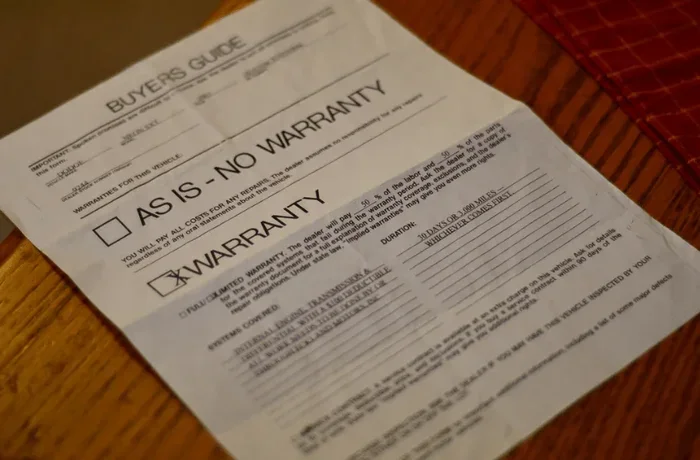
Find your original warranty terms document. Look for a section on cancellation or voiding. Some contracts have a specific cooling-off period. This is a window—often 30 to 60 days—where you can cancel for a full refund. After that period, voiding becomes much harder. Check if your contract allows voiding at all. Some providers will not void the contract under any circumstances. They may only allow cancellation.
Pay attention to the definitions. The contract may define voiding differently than you expect. Some contracts say that missing a payment automatically voids the agreement. Others allow a grace period. Know exactly what your contract says before you do anything.
Contact the Warranty Provider
Call or write to your warranty provider. Ask for the exact procedure to void the contract. Get everything in writing. Do not rely on verbal promises. Ask for a confirmation number or reference ID. Keep copies of all letters and emails. This documentation will protect you if disputes arise later.
If the provider asks for a reason, be honest. You do not have to give a detailed explanation, but a simple statement like “I no longer wish to maintain this contract” is sufficient. Avoid making false claims about the provider. That could backfire and give them grounds to refuse your request.
Document Everything
Create a paper trail. Send your void request via certified mail with return receipt. This proves the provider received your letter. Save all receipts and correspondence. If the provider refuses to void the warranty, you have evidence of your request. This can be useful if you need to dispute a charge or file a complaint with your state attorney general.
Also keep a copy of the original contract and any amendments. Highlight the sections that support your right to void. If you have a legal basis, this will strengthen your case.
Common Mistakes to Avoid
Many people make mistakes when trying to void an extended warranty. Here are the most common ones:
- Stopping payments without notice: This does not void the contract. It may trigger default and collections.
- Assuming you can void anytime: Most contracts limit when you can void. Check the terms first.
- Not getting written confirmation: Verbal agreements are hard to prove. Always get everything in writing.
- Ignoring the cooling-off period: If you are still within the cooling-off window, you can cancel with a full refund. Do not void if you can cancel.
Avoiding these mistakes can save you time and money. If you are unsure, consult a consumer rights attorney before taking action.
Expert Insight: When to Hire a Lawyer
Consider hiring a lawyer if the provider refuses to void your warranty without a valid reason. A consumer protection attorney can review your contract for free. They can send a demand letter on your behalf. In some cases, they can help you recover your premium. This is especially true if the provider engaged in deceptive practices. Legal help is not always necessary, but it can be valuable in complex disputes.
What Happens When You Void an Extended Warranty?
Once you void an extended warranty, the consequences are immediate and significant. You need to understand what you are giving up before you proceed.
Loss of Coverage
The most obvious result is that you lose all warranty coverage. Any repair that was previously covered is now your responsibility. This includes powertrain repairs, electrical issues, and even bumper-to-bumper repairs depending on your plan. You will pay out of pocket for every repair. If a major component fails, the cost could be thousands of dollars.
For example, a new transmission can cost $3,000 to $5,000. A new engine can cost $4,000 to $7,000. Without warranty coverage, these costs come straight from your savings. That is why many owners hesitate to void their warranty.
Financial Consequences
Voiding a warranty does not erase your financial obligations. You may still owe deductibles or fees that were part of the contract. Some providers charge a cancellation fee if you try to void the agreement early. In addition, you lose the peace of mind that comes with knowing repairs are covered. Unexpected repair costs can quickly drain your savings.
If you cannot pay for repairs, a mechanic might hold your car until you pay. This is a real risk when you have no warranty to fall back on. You could also face collections if you owe money to the provider. A voided warranty can lead to a damaged credit score if debts go unpaid.
Impact on Resale Value
A car with a voided warranty is worth less than one with active coverage. Buyers know that an extended warranty protects them from surprise expenses. Without it, they will demand a lower price. You might also struggle to trade in a damaged car if the warranty was voided due to a pre-existing issue. Dealers will see the lack of coverage as a risk factor.
Even if the car is in good condition, the absence of a warranty makes it a harder sell. Buyers will assume the car has hidden problems. You may need to lower your asking price by hundreds or even thousands of dollars.
To summarize, voiding your warranty has three major impacts: loss of coverage, financial risk, and reduced resale value. The table below compares voiding versus canceling side by side.
| Aspect | Voiding | Canceling |
|---|---|---|
| Effect on Contract | Invalid from the start | Ends at a future date |
| Refund | Usually none | Partial refund possible |
| Coverage | Immediately lost | Ends at scheduled date |
| Credit Score Impact | Potential collections | Minimal if paid properly |
| Resale Value | Significantly reduced | Maintained until expiration |
Quick Tips to Mitigate Damage
If you have already voided your warranty, you can take steps to reduce the risk:
- Start an emergency fund: Set aside money each month for repairs.
- Get a second opinion: Before approving expensive repairs, get a quote from another shop.
- Consider a new warranty: You can purchase a new extended car warranty after voiding the old one. Look for better warranty terms.
- Keep records: Maintain all maintenance logs to prove the car is well cared for.
Expert Insight: How to Negotiate with the Provider
Even after voiding, you may be able to negotiate with the provider. Ask if they will refund a portion of your premium. Some providers prefer partial refunds over disputes. Be polite but firm. If they refuse, you can file a complaint with your state insurance commissioner. This often prompts a response. Negotiation is not always successful, but it is worth trying before you give up.
Can You Avoid Voiding Your Warranty?
Before you take the step to void an extended warranty, consider alternatives. There are often better ways to solve your problem. Giving up your coverage should be a last resort.
Transferring the Warranty
Many extended car warranty plans are transferable. If you are selling the car, you can assign the warranty to the new owner. This can make the car more attractive and help you get a better price. Check your contract for transfer fees. Some providers charge a small fee to transfer coverage. Others allow it for free. A warranty transfer can also help you if you are trading in the car.
To transfer the warranty, contact your provider and provide the buyer’s information. The provider will verify the transfer and issue new documents. The new owner will have the same coverage terms. This is a win-win for both parties.
Selling the Car to a Dealer
Dealers often accept cars with active warranties as trade-ins. If your warranty is still valid, you can use it as a selling point. If you have already voided it, the dealer may offer less. However, some dealers buy cars regardless of warranty status. You can still sell a car without a warranty, but you will need to price it lower to account for the risk.
If you are overwhelmed by the costs, you could look into returning the car to the dealership if you can’t afford it. This is not always possible, but some dealers have programs to help customers in financial difficulty. It is worth asking.
Using the Warranty for Major Repairs
If the warranty is still active, consider using it for the biggest repair first. This can stretch the remaining coverage and give you time to decide whether to keep the car. Once the warranty is used up, you can make a more informed choice about your next steps. For example, if you need a new transmission, use the warranty to cover it. Then you can decide if the car is worth keeping without coverage.
Common Mistakes: Giving Up Too Early
Many owners give up on their warranty too quickly. They assume the coverage is not worth it. But a warranty can save you thousands in unexpected repairs. Before voiding, ask yourself these questions:
- Have I used the warranty at all?
- Am I close to the end of the term?
- Could I afford a major repair without coverage?
- Is there a better provider I can switch to instead?
If you answered no to most of these, you may want to keep the warranty. Do not let frustration drive a permanent decision.
Legal Considerations and Consumer Rights
Understanding your legal rights is essential when dealing with warranty terms. The law varies from state to state, but there are general protections that apply nationwide.
State Laws on Warranty Cancellation
Some states have strong consumer protection laws. For example, many states require a cooling-off period for contracts signed outside of a business location. This gives you three business days to cancel for a full refund. Check your state’s lemon laws and consumer protection statutes. They may give you additional rights regarding warranty transfer or cancellation. Some states also regulate how providers can void a contract. They must follow strict procedures.
You can contact your state attorney general’s office for guidance. They often have free resources for consumers. These offices can help you understand your rights and options.
Cooling-Off Periods
The cooling-off period is your best friend if you want to back out of a warranty. Federal law requires a three-day cooling-off period for sales made at your home or a place that is not the seller’s permanent business. However, many extended warranties are purchased at a dealership or online, which may not qualify. Always ask about the cooling-off period before you sign. If you are still within that window, you can cancel with a full refund. Do not void if you can simply cancel.
When a Provider Can Void Your Warranty
It is not just you who can void a warranty. Providers can also void the contract. They typically do this if you fail to follow the maintenance schedule. Missing oil changes or using aftermarket parts without approval can trigger a void. The provider must prove that your actions directly caused the damage. Keep all maintenance records to protect yourself.
If you are considering voiding an extended warranty due to a dispute, you should know your rights. You can file a complaint with your state insurance commissioner or attorney general. These agencies can mediate disputes and enforce consumer protection laws. You can also seek help from a warranty claim advocate. These professionals specialize in helping consumers with warranty disputes.
Expert Insight: Know Your State’s Lemon Laws
Lemon laws protect consumers from defective vehicles. They vary by state, but most cover new and used cars under warranty. If your car has a serious defect that cannot be repaired after a reasonable number of attempts, the law may require the manufacturer or provider to buy back the car. A voided warranty can complicate this process. If you think your car might qualify, consult a lemon law attorney immediately. They can assess your situation for free.
Expert Tips to Protect Your Warranty
Even if you are not thinking about voiding your warranty, it is smart to protect it. A little effort now can save you thousands later.
Keep Up with Maintenance
Follow the maintenance schedule in your owner’s manual. Keep all receipts and records. Many warranty disputes arise because the provider claims you missed a service. A complete log book proves you kept up with required maintenance. This simple habit can prevent a voided warranty. It also helps you when you try to sell the car later.
Avoid Unauthorized Modifications
Do not modify your car in ways that affect its performance or safety. Aftermarket parts can void a warranty if they cause a problem. Stick with OEM parts when possible. If you must use aftermarket parts, check your warranty terms first. Some providers allow them as long as they meet certain standards. Always get written approval before installing any non-OEM parts.
Read the Fine Print
Before you buy any vehicle service contract, read the entire document. Look for exclusions, deductibles, and claim limits. Understand what is covered and what is not. If something is unclear, ask the provider before you sign. A few minutes of reading can prevent a world of hurt later. You should also understand the claim process. Know how to file a warranty claim and what documentation you need.
Conclusion
Deciding to void an extended warranty is a serious step. It removes your safety net and leaves you exposed to repair costs. You should only do it after exploring all other options. Transfer the warranty if possible. Sell the car to a dealer. Or use the warranty for a major repair first. If you still want to void it, follow the proper steps. Review your contract, contact the provider, and document everything.
Remember that voiding is not the same as canceling, and the financial consequences can be steep. Protect your investment by understanding your rights and acting carefully. Whether you are dealing with a third-party warranty or a manufacturer warranty, knowledge is your best defense. Take the time to review your warranty terms and seek legal advice if needed. A well-informed decision today can save you from a financial headache tomorrow.
Frequently Asked Questions
Can I void an extended warranty on a used car?
Yes, you can void an extended warranty on a used car, but the process depends on the provider. Check the contract for voiding clauses. Some warranties are non-transferable and may have different rules for pre-owned vehicles. Always get written confirmation of the void.
What is the difference between canceling and voiding a warranty?
Canceling ends the contract at a future date and may give you a partial refund. Voiding makes the entire agreement invalid from the start, with no refund. Canceling is a formal termination; voiding declares the contract never valid.
Will voiding my warranty affect my credit score?
Voiding a warranty itself does not directly affect your credit score. However, if you owe money to the provider and it goes to collections, that can hurt your credit. Always settle any outstanding balances before voiding.
Can a mechanic refuse to work on my car if the warranty is voided?
A mechanic cannot refuse to work on your car simply because the warranty is voided. However, if you do not pay for repairs, a mechanic may hold your car until you pay. This is a mechanic’s lien, not a warranty issue.
Is there a cooling-off period for extended warranties?
Yes, many states require a cooling-off period for contracts signed outside the seller’s business. This is typically three business days. You can cancel for a full refund during this window. Check your state laws and the warranty contract for specific details.
What happens if my warranty provider voids my warranty?
If the provider voids your warranty, they must provide a written reason. Common reasons include missed maintenance or unauthorized modifications. You have the right to dispute the void. Contact your state insurance commissioner or attorney general for help.