Can You Trade In a Damaged Car We Answer All Your Questions
Yes, you can trade in a damaged car, but the process requires some extra steps and realistic expectations. Whether your vehicle has minor scratches or major accident damage, understanding how dealers assess damaged car trade-in value helps you walk into the negotiation with confidence. In this guide, we cover everything from how appraisers evaluate your car to smarter alternatives that could put more cash in your pocket.
Key Takeaways
- Damaged cars can still be traded in: Most dealerships accept vehicles with damage, but the trade-in offer will reflect the repair costs and overall condition.
- Appraisals focus on actual cash value: Dealers calculate your car’s worth by factoring in damage severity, repair estimates, and market demand for similar vehicles.
- Getting multiple offers is essential: Always compare dealer trade-in offers with private party sales and cash buyers to ensure you receive the best possible deal.
- Transparency matters: Hiding damage from a dealer or buyer can backfire and reduce your offer. Full disclosure builds trust and protects you legally.
- Negative equity is common with damaged cars: If you still owe money on your loan, trading in a damaged vehicle can create a negative equity situation you need to address.
- Alternatives often pay more: Selling privately or to a cash buyer frequently yields better results than a dealer trade-in for damaged vehicles.
📑 Table of Contents
- What Does It Mean to Trade In a Damaged Car?
- How Dealers Evaluate Your Damaged Car
- Pros and Cons of Trading In a Damaged Car
- Alternatives to Trading In a Damaged Car
- How to Get the Best Deal When Trading In a Damaged Car
- Common Mistakes to Avoid When Trading In a Damaged Car
- What Happens After You Trade In a Damaged Car?
- Conclusion
What Does It Mean to Trade In a Damaged Car?
Trading in a damaged car means handing over your vehicle to a dealership as partial payment for a new one. The dealer then assigns a trade-in value to your car based on its current condition. That value becomes a credit toward your new purchase.
Now, here is the big question. Can you trade in a damaged car? Absolutely. Dealerships handle damaged vehicles every single day. Some cars have dents from parking lot mishaps. Others carry serious collision repair needs. The type of damage matters, but it does not automatically disqualify you from getting a trade-in offer.
What changes is the dollar amount. A damaged car almost always receives a lower appraisal than a clean-title vehicle in the same model year and condition. Understanding this upfront helps you set realistic expectations and avoid feeling blindsided during the negotiation.
Types of Damage That Affect Trade-In Value
Not all damage is created equal. Here is a quick breakdown of common damage types and how they typically impact your trade-in:
- Minor dents and scratches: These usually cause a small dip in value. A fresh paint touch-up can help.
- Fender bender damage: Moderate structural damage lowers value more significantly. Repair quotes matter here.
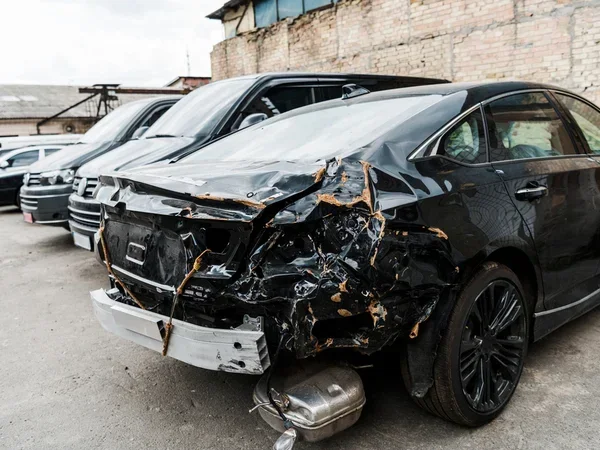
- Frame or structural damage: This is serious. Dealers often pass on these vehicles or offer very low amounts.
- Water or flood damage: These cars carry long-term risk. Many dealers refuse them entirely.
- Mechanical damage: Engine or transmission problems drastically reduce your car trade-in value.
How Dealers Evaluate Your Damaged Car
When you bring a damaged vehicle to a dealership, the appraiser follows a specific process. They want to determine the car’s actual cash value after accounting for all damage. This is not guesswork. They rely on data, experience, and repair estimates.
The Appraisal Process Step by Step
Here is what typically happens during a trade-in appraisal for a damaged car:
- The appraiser inspects the exterior and interior thoroughly.
- They note every visible scratch, dent, or broken component.
- They check the vehicle history report for past accidents or title issues.
- They compare your car against similar models in the market.
- They factor in repair costs using industry tools like CCC or Mitchell estimates.
- They assign a final trade-in offer based on all gathered data.
What Damages Cut the Deepest
Some car damage assessment results hit harder than others. Frame damage, for instance, signals long-term reliability problems. Dealers worry about safety and resale potential. They also know that accident car trade-in buyers will demand steep discounts. So the offer reflects that reality.
Mechanical issues also sting. If the engine needs a rebuild, the dealer knows they cannot sell that car at a normal markup. They will price your trade-in accordingly. Always get an independent mechanic’s opinion before visiting the dealership. That knowledge gives you negotiating power.
Expert Insight: According to automotive appraisal professionals, dealers typically deduct repair costs plus a 20-30% margin for risk and reconditioning when making a damaged car trade-in offer. This means a $2,000 repair estimate could reduce your trade-in value by $2,600 or more.
Quick Tips for a Better Appraisal
- Clean your car inside and out before the appraisal.
- Bring all maintenance records and receipts.
- Have a recent repair estimate ready to show the dealer.
- Know your car’s fair market value before you go.
- Be honest about all known damage.
Pros and Cons of Trading In a Damaged Car
Deciding whether to trade in a damaged vehicle depends on your situation. Both sides deserve careful thought. Let us break down the advantages and disadvantages.
The Advantages
- Convenience: You handle everything in one place. The dealer takes the car and applies credit to your new purchase.
- No private sale hassle: You skip listing photos, buyer questions, and title transfer paperwork.
- Deal stacking: Some dealers will roll negative equity into your new loan, letting you drive away faster.
- Speed: The entire process can take under an hour if you are preapproved for a new loan.
The Disadvantages
- Lower offers: Dealers always lowball damaged vehicles. You leave money on the table compared to other selling methods.
- Hidden fees: Some dealers bury additional charges in the contract. Read every line carefully.
- Negative equity risk: If you owe more than your car is worth, the deficit grows when damage reduces trade-in credit.
- Limited buyer pool: The dealer is essentially your only buyer in this scenario. You have no leverage to shop around on the spot.
Quick Tip
Never accept the first trade-in offer. Always negotiate. Dealers build cushion into their initial numbers. Your trade-in offer can improve with a little persistence.
Alternatives to Trading In a Damaged Car
Trading in is not your only path. In many cases, alternatives deliver better financial results. Let us compare your options.
Selling Privately
Listing your damaged car on platforms like Facebook Marketplace, Craigslist, or AutoTrader lets you set your own price. Private party sale buyers sometimes purchase damaged cars for projects or parts. You keep the profit that a dealer would have taken.
However, this route takes time. You field calls, show the car to strangers, and handle all paperwork yourself. It is not ideal for everyone.
Selling to a Cash Buyer
Companies that buy damaged cars for cash have exploded in popularity. They offer fast quotes, often online, and pick up your vehicle for free. These buyers do not fuss over scratches or accident history. Their offers are usually higher than dealer trade-in amounts.
Repairing Before Trade-In
Sometimes a fresh repair makes a noticeable difference in your used car trade-in value. Small fixes like replacing a cracked windshield, repairing a bumper, or repainting a panel can push the appraisal higher. Just make sure the repair cost is less than the value increase. Otherwise, you lose money.
Comparison Table: Trade-In vs. Private Sale vs. Cash Buyer
| Factor | Dealer Trade-In | Private Sale | Cash Buyer |
|---|---|---|---|
| Typical Offer | Lowest | Highest | Medium to High |
| Time Required | Under 1 hour | Days to Weeks | 1-2 Days |
| Effort Level | Very Low | High | Low |
| Negotiation | Required | Minimal | |
| Hidden Fees | Possible | None | None |
| Best For | Convenience | Maximizing Value | Speed and Fair Price |
Key Takeaway
If maximizing money matters more than convenience, skip the dealer and explore damaged vehicle sale alternatives first. Then, if you still want to trade in, use competing offers as leverage.
How to Get the Best Deal When Trading In a Damaged Car
Nobody wants to leave money behind. These strategies help you squeeze the most value out of a damaged car trade-in.
1. Know Your Car’s True Value
Use tools like Kelley Blue Book, Edmunds, or NADAguides to establish a baseline. Remember that these values assume a clean title. Adjust downward based on damage severity. Having this data in hand prevents the dealer from dictating numbers.
2. Get Multiple Trade-In Offers
Visit at least two or three different dealerships. Each appraiser brings a different perspective. More offers mean more comparison data and stronger negotiating power. Do not forget to mention competing offers during your final negotiation.
3. Separate the Trade-In from the New Car Deal
This is a game-changer. Negotiate the new car price first. Then discuss your trade-in separately. Mixing both transactions lets dealers hide behind combined numbers. Keeping them apart protects your interests.
4. Address Damage Head-On
Show the dealer your repair estimates. Explain what fixes could improve value. This demonstrates knowledge and signals that you are not easily manipulated. A well-informed seller always fares better.
5. Handle Negative Equity Wisely
If you still owe on your loan and the damaged car is worth less than the balance, you have negative equity. Do not just roll it into the new loan without understanding the total cost. Consider paying the difference out of pocket or choosing a less expensive vehicle.
Common Mistake: Many drivers agree to roll negative equity into a new loan without realizing they are stretching payments and paying more interest over time. Always ask for a breakdown before signing anything.
Quick Tips for Damaged Car Trade-In Success
- Always get written trade-in offers so you can compare them later.
- Do not let the dealer rush you. Take your time reviewing documents.
- Bring a friend or family member for a second opinion.
- Research the dealership’s reputation online before visiting.
- Ask about trade-in credit promotions or manufacturer incentives.
Common Mistakes to Avoid When Trading In a Damaged Car
Mistakes cost real money. Avoiding these pitfalls keeps your wallet intact.
Hiding Damage From the Dealer
This sounds obvious, but some drivers try to downplay damage during the appraisal. They hope the appraiser will not notice. This almost always backfires. Once the dealer discovers undisclosed issues, they either withdraw the offer or drastically reduce it. Trust works both ways.
Accepting the First Offer
Dealers expect negotiation. Their initial offers leave room for counteroffers. Walking away temporarily often produces a better number. Do not accept the first number out of politeness or impatience.
Ignoring Repair Estimates
Without repair estimates, you have no basis for evaluating the fairness of a trade-in offer. Always get at least two quotes before visiting the dealership. Knowledge equals power.
Forgetting to Remove Personal Items
This happens more often than you think. Before handing over your keys, clear out all personal belongings, toll transponders, and aftermarket accessories. Those items have value you want to keep.
Not Reading the Contract Thoroughly
Some contracts include extra warranties, service plans, or insurance offers you did not agree to. Read every document completely before signing. Ask questions about anything unclear.
Overlooking Tax Implications
Trade-in credits reduce your taxable amount in many states, but the calculation varies. Understanding how taxes apply to your specific deal prevents surprise charges at closing.
What Happens After You Trade In a Damaged Car?
Once the deal closes, your damaged vehicle heads to the dealership’s inventory or gets sent to auction. Dealers rarely keep heavily damaged cars on their lots. They either repair them for resale or sell them to salvage buyers.
The Vehicle’s Second Life
Cars with moderate damage often get repaired and sold as used cars at a markup. Vehicles with severe damage go to salvage auctions, where rebuilders and parts buyers purchase them. Either way, your damaged car does not simply disappear. It moves on to a new owner.
Impact on Your Credit and Future Purchases
Trading in a damaged car does not directly hurt your credit score. However, rolling negative equity into a new loan can increase your monthly payments and total debt. This indirectly affects your credit utilization ratio over time. Stay aware of your financial position after the transaction.
Keeping Records for Tax Purposes
Save all trade-in paperwork. If you claim any deductions related to vehicle sales or business use, these documents become essential. Organized records also protect you if disputes arise later.
Expert Insight
Automotive financial advisors recommend keeping your trade-in agreement for at least seven years. This covers the statute of limitations for most contract-related disputes. It also helps if you need to verify figures during future financing applications.
Conclusion
Can you trade in a damaged car? Yes, absolutely. Dealerships accept damaged vehicles regularly, and many drivers successfully use trade-ins to upgrade despite existing damage. The key is entering the process informed and prepared.
Understanding how appraisers evaluate car damage assessment results puts you ahead. Knowing your alternatives, from private sales to cash buyers, ensures you never accept a bad deal out of convenience. Avoiding common mistakes protects both your money and your peace of mind.
The bottom line is simple. Do your homework. Get multiple offers. Negotiate firmly. Whether you choose a dealer trade-in or a different selling method, the right approach makes all the difference. Now you have the tools to turn a damaged vehicle into a smart financial move.
Frequently Asked Questions
Can I trade in a car that was in an accident?
Yes, you can trade in a car that was in an accident. The dealer will factor in repair costs and the vehicle’s reduced market value when making their offer. Accident history also appears on the vehicle report, so full disclosure is important.
Will trading in a damaged car hurt my credit score?
Trading in itself does not affect your credit. However, rolling negative equity from a damaged car into a new loan can increase your debt and monthly payments, which may indirectly impact your credit utilization ratio over time.
How much value does accident damage take away from trade-in?
It varies widely. Minor dents might reduce value by a few hundred dollars, while structural or frame damage can cut trade-in value by thousands. The specific trade-in value depends on repair costs, market demand, and the dealer’s assessment.
Should I repair my car before trading it in?
Only if the repair cost is less than the increase in trade-in value. Small fixes like replacing a cracked windshield or fixing a dent can improve your offer. Major repairs rarely pay off financially before a trade-in.
Can I trade in a car with a salvage title?
Some dealerships accept salvage title vehicles, but many do not. A salvage title signals severe past damage. Your best options include specialized buyers, cash purchasing companies, or private sales to buyers comfortable with rebuilt titles.
Is it better to trade in or sell a damaged car privately?
Selling privately generally earns you more money. However, trading in offers speed and convenience. If maximizing value matters most, pursue a private sale. If you want to move fast, a dealer trade-in gets the job done in under an hour.