Do Mitsubishi Mini Splits Come Pre-Charged Heres Why
Mitsubishi mini splits may or may not come pre-charged depending on the model and line set length. Many factory-installed units ship with a partial charge, while longer line sets often require a field charge. Understanding this helps you avoid costly mistakes during HVAC installation and keeps your cooling performance at its best.
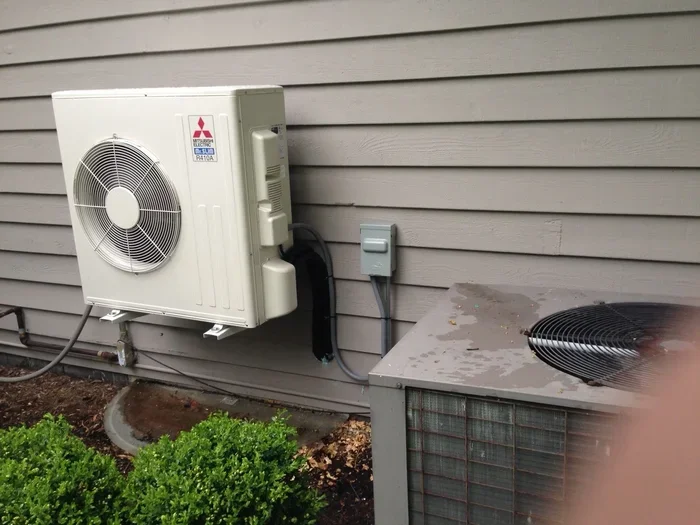
Mitsubishi mini splits are one of the most popular ductless HVAC systems on the market today. They are quiet, efficient, and easy to install in most homes. But one question comes up again and again: do Mitsubishi mini splits come pre-charged? The answer is not as simple as a yes or no. It depends on the model, the line set length, and how the system is set up. In this guide, we break it all down so you know exactly what to expect.
If you are planning a mini split installation, understanding refrigerant charging is essential. A pre-charged system can save you time and money. But an improperly charged unit can cause big problems. Let us walk through everything you need to know about Mitsubishi Electric mini splits and their factory charge status.
Key Takeaways
- Not All Models Are Pre-Charged: Some Mitsubishi mini splits ship with a factory charge, while others need a field charge.
- Line Set Length Matters: Longer line sets usually require additional refrigerant added on-site.
- Check the Manual First: The product manual tells you exactly whether your unit is pre-charged.
- Improper Charging Hurts Performance: Too much or too little refrigerant reduces system efficiency and can void your warranty.
- Hire a Licensed Pro: Handling refrigerant requires EPA certification, so always let a trained HVAC technician do the job.
- Energy Savings Are Real: Properly charged mini splits save money on electricity, just like wondering if you really save on gas with a hybrid.
- Warranty Depends on Correct Installation: Skipping proper charging steps can lead to warranty issues down the road.
📑 Table of Contents
- What Does Pre-Charged Mean for Mini Splits?
- Why Line Set Length Affects Charging
- How to Tell if Your Mitsubishi Mini Split Is Pre-Charged
- The Risks of Improper Refrigerant Charging
- Should You DIY or Hire a Professional for Charging?
- How Pre-Charged Systems Save Time and Money
- Common Mistakes to Avoid with Mini Split Charging
- Expert Tips for the Best Mini Split Performance
- Final Thoughts
What Does Pre-Charged Mean for Mini Splits?
When a mini split is pre-charged, it means the manufacturer has already filled the refrigerant lines with the correct amount of refrigerant. This is also called a factory pre-charged lineset. The idea is simple. You connect the indoor and outdoor units, and the system is ready to run. No need to add refrigerant on-site.
However, not all mini splits are built this way. Some units ship with a partial charge or no charge at all. The outdoor unit may come with enough refrigerant for short line sets, but longer installations need more. This is where the confusion starts for many homeowners.
Factory Pre-Charged vs. Field-Charged Systems
There are two main types of refrigerant charging setups for Mitsubishi mini splits:
- Factory Pre-Charged: The unit leaves the factory fully charged. It works right out of the box for standard line set lengths. This is the most convenient option.
- Field-Charged: The unit arrives with little or no refrigerant. A licensed technician must add the correct amount during HVAC installation. This is common for long line sets or multi-zone systems.
Mitsubishi offers both options across different product lines. The key is checking what your specific model includes. Always read the product specifications before you buy.
Why Line Set Length Affects Charging
The length of the line set is one of the biggest factors in whether your mini split needs a field charge. The line set is the bundle of copper pipes that connects the indoor unit to the outdoor unit. It carries refrigerant back and forth between the two.
Mitsubishi pre-charges units for standard line set lengths, usually up to about 15 to 25 feet. If your installation needs a longer line set, the factory charge is not enough. You will need to add refrigerant during the HVAC installation process. This is true for both single-zone and multi-zone setups.
Short Line Set Installations
For short line sets under 15 feet, most Mitsubishi mini splits come pre-charged and ready to go. These are common in room additions or small spaces where the indoor and outdoor units are close together. You simply mount the units, connect the line set, and power it up.
This is one of the biggest advantages of ductless mini splits. The installation process is faster and less messy than traditional central air systems. No need to worry about adding refrigerant if your line set is short.
Long Line Set Installations
For line sets over 25 feet, you almost always need a field charge. Mitsubishi provides a line set charge calculator in the installation manual. The technician measures the length and adds the correct amount of refrigerant.
Long line sets are common in larger homes or when the outdoor unit is far from the indoor unit. They are also used in multi-story buildings where the units are on different floors. In these cases, the refrigerant type and charge amount become even more important.
How to Tell if Your Mitsubishi Mini Split Is Pre-Charged
So how do you know if your unit is pre-charged? The easiest way is to check the model number and the installation manual. Mitsubishi lists the charge status for every model. You can also look at the product spec sheet on the manufacturer website or ask your dealer directly.
Here are some quick ways to find out:
- Check the model number: Mitsubishi includes charging details in the model name and specs.
- Read the installation manual: The manual will tell you if the unit is pre-charged and for what line set length.
- Ask your dealer: A good dealer can confirm the charge status before you purchase.
- Look at the outdoor unit label: Some units have a label that shows the factory charge amount.
Never guess when it comes to refrigerant. Too much or too little refrigerant charge can damage the compressor and reduce system efficiency. If you are unsure, let a professional handle it.
Common Mitsubishi Models and Their Charge Status
Mitsubishi offers many mini split models, and their charge status varies. Here are some general guidelines:
- Mitsubishi MUZ Series (single-zone): Many models in this line come pre-charged for standard line sets. Check the specific model for details.
- Mitsubishi MUZ-KJ Series: These are popular for their compact design and often include a factory charge for shorter line sets.
- Mitsubishi MXZ Series (multi-zone): Multi-zone systems often require a field charge because of the complexity and longer line sets involved.
- Mitsubishi Hyper-Heating H2i Models: These cold-climate units may have different charge requirements. Always verify with the manual.
The takeaway is simple. Do not assume your unit is pre-charged. Always verify before you start the HVAC installation. This one step can save you time, money, and a lot of headaches.
The Risks of Improper Refrigerant Charging
You might think adding a little extra refrigerant or using less would not matter much. But it does. Proper refrigerant charging is critical to how well your mini split works. An incorrect charge affects everything from cooling performance to your electricity bill.
Here is what can go wrong with an improper charge:
- Reduced Cooling Capacity: Too little refrigerant means your system cannot cool the room properly. You will feel warm spots and discomfort.
- Compressor Damage: Low refrigerant causes the compressor to work harder. Over time, this leads to premature failure. Compressor repairs are expensive.
- Higher Energy Bills: An undercharged system uses more electricity to do the same job. You lose the energy efficiency that made you choose a mini split in the first place.
- Ice Buildup on Coils: Low refrigerant causes the evaporator coils to freeze. This blocks airflow and further reduces performance.
- Voided Warranty: Mitsubishi requires proper installation and charging to honor the warranty. An incorrect charge can void your coverage.
Just like you would not want someone who does not know what they are doing messing with your car engine, you should not let an uncertified person handle refrigerant. Many people wonder if technicians make more than mechanics, and the truth is that HVAC technicians command competitive pay because of the specialized skills they bring, including proper refrigerant handling.
Should You DIY or Hire a Professional for Charging?
This is a big question for homeowners who like to tackle projects themselves. The short answer is: hire a professional. Refrigerant handling is regulated by the EPA under the Clean Air Act. In the United States, only EPA-certified technicians can legally purchase and handle refrigerant.
Even if you could get your hands on refrigerant, the process is not simple. You need gauges, a vacuum pump, and the knowledge to measure the charge accurately. You also need to evacuate the line set properly before charging. Any air or moisture in the lines can cause serious problems.
Think of it this way. You would not try to fix your own transmission just because you watched a video online. The same logic applies here. Let a licensed HVAC technician handle the refrigerant charging for your Mitsubishi mini split.
What to Expect During Professional Charging
A professional charging process typically follows these steps:
- Evacuate the Line Set: The technician uses a vacuum pump to remove all air and moisture from the lines.
- Measure the Line Set Length: They calculate the exact length to determine the correct charge amount.
- Connect Gauges: Service gauges are attached to monitor refrigerant pressure and temperature.
- Add Refrigerant: The technician adds the precise amount of refrigerant specified by Mitsubishi.
- Test the System: The system runs for a period while the tech checks pressures, temperatures, and airflow.
- Verify Performance: Everything is checked to make sure the system is cooling properly and efficiently.
This process takes a few hours but ensures your mini split operates at peak system efficiency. It is money well spent.
How Pre-Charged Systems Save Time and Money
One of the best things about a pre-charged Mitsubishi mini split is the savings. When the unit comes factory-charged, you skip the cost of buying extra refrigerant. You also save on labor time. The technician does not need to spend extra hours measuring and adding charge.
For homeowners comparing mini split cost across brands, this is an important factor. Mitsubishi offers many pre-charged options that make the overall HVAC installation faster and more affordable. Less time in the field means lower installation bills.
And just like wondering if you really save on gas with a hybrid, the energy savings from a properly charged mini split add up over time. A correctly charged system runs more efficiently, uses less electricity, and keeps your home comfortable year after year.
Common Mistakes to Avoid with Mini Split Charging
Even experienced installers can make mistakes when it comes to charging. Here are some common errors to watch out for:
- Skipping the Vacuum: Never skip evacuating the lines. Air and moisture in the system cause corrosion and reduce efficiency.
- Guessing the Charge Amount: Always use Mitsubishi’s charge calculator or tables. Guessing leads to overcharging or undercharging.
- Ignoring Line Set Length: A short line set and a long line set need different amounts of refrigerant. Always measure first.
- Using the Wrong Refrigerant: Mitsubishi mini splits use specific refrigerant types. Using the wrong one damages the system.
- Not Checking for Leaks: Before adding charge, the technician should check for leaks. Adding refrigerant to a leaking system is a waste of money.
You might say that some of these steps require the same precision that mechanics bring when they do a lot of math to figure out engine specs. The same attention to detail applies to refrigerant charging. Every detail matters.
Expert Tips for the Best Mini Split Performance
Want to get the most out of your Mitsubishi mini split? Follow these expert tips:
- Keep the Line Set Insulation Intact: Proper insulation prevents energy loss and keeps the refrigerant at the right temperature.
- Schedule Annual Maintenance: Have a pro check your system every year. They can detect low refrigerant early before it causes damage.
- Clean the Filters Regularly: Dirty filters restrict airflow and make the system work harder. This is simple maintenance anyone can do.
- Match the Unit Size to the Room: An oversized or undersized unit wastes energy and does not cool properly. Sizing is critical.
- Keep the Outdoor Unit Clear: Make sure the outdoor unit has good airflow. Remove leaves, dirt, and debris regularly.
Following these tips helps your mini split run smoothly for many years. It also protects your warranty and keeps your cooling performance at its best.
Final Thoughts
So, do Mitsubishi mini splits come pre-charged? The answer is: it depends. Many models do come factory pre-charged for standard line set lengths. But longer installations and multi-zone systems often require a field charge. The best approach is to check your specific model before you buy or install.
Proper refrigerant charging is the foundation of a well-working mini split system. It affects your cooling performance, your energy bills, and the lifespan of your equipment. Take the time to get it right, and your Mitsubishi mini split will reward you with years of reliable, efficient comfort.
Whether you are a homeowner planning a new installation or a contractor looking for the best practices, understanding pre-charged systems gives you an advantage. Mitsubishi builds quality ductless systems that deliver outstanding results when installed correctly. Trust the process, hire a pro, and enjoy the comfort of a perfectly charged mini split.
Frequently Asked Questions
Do all Mitsubishi mini splits come pre-charged from the factory?
No, not all models are pre-charged. Some come factory-charged for standard line sets, while others require a field charge. Always check the model specifications and installation manual before purchasing.
How do I know if my Mitsubishi mini split needs a field charge?
Check the product manual or spec sheet for your model. The line set length also plays a big role. If your line set is longer than about 25 feet, a field charge is almost always needed.
Can I charge a Mitsubishi mini split myself?
No, in the United States, only EPA-certified technicians can legally handle refrigerant. Even if you could, the process requires specialized tools and knowledge. Always hire a licensed professional.
What happens if my mini split is undercharged?
An undercharged system has reduced cooling capacity, higher energy bills, and can cause compressor damage over time. It may also void your warranty. Proper charging is essential for performance.
How long does the charging process take during installation?
A professional charging process typically takes one to three hours, depending on the line set length and system complexity. It is a small part of the overall installation timeline.
Does pre-charging affect the warranty on my Mitsubishi mini split?
Yes, it does. Mitsubishi requires proper installation and charging to honor the warranty. An incorrect or missing charge can void your coverage. Always follow the manufacturer guidelines.