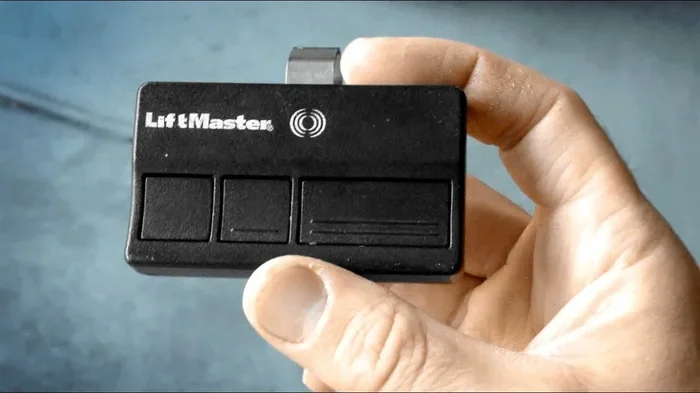
Why Wont My Garage Door Opener in My Car Work Anymore
Your garage door opener in your car may stop working due to dead batteries, signal interference, or a programming glitch. Most issues are easy to fix at home without calling a technician. This guide walks you through every common cause and the exact steps to get your opener back up and running.
There is nothing more frustrating than standing in your driveway, pressing the button on your car console, and hearing nothing. Your garage door opener in your car just refuses to cooperate. Whether you are rushing to leave for work or coming home in the rain, a dead opener puts a serious damper on your day.
The good news is that this problem is almost always fixable. Most causes are simple and cost little to nothing. In this guide, we will walk through every reason your car garage door opener might have gone silent. We will also give you clear, step-by-step fixes you can do right now.
Let us get your garage door working again so you can get back to your day.
Key Takeaways
- Dead or weak batteries in the remote or console button are the #1 reason your garage door opener in your car stops working.
- Signal interference from nearby devices, metal structures, or frequency clashes can block your opener signal.
- HomeLink programming issues are very common and usually fixed by a simple reset and re-pairing process.
- Worn-out console buttons or faulty wiring inside the car need inspection or replacement.
- Safety sensor misalignment or motor failure can also prevent your garage door from responding to the car opener.
- Regular maintenance like cleaning contacts and checking batteries keeps your car opener working smoothly.
📑 Table of Contents
Common Reasons Your Garage Door Opener in Your Car Stops Working
Before you start troubleshooting, it helps to understand what could be going wrong. Several things can cause your garage door opener in your car to stop responding. Here are the most common culprits.
Dead or Weak Batteries in the Remote
This is the single most common reason for a failing garage door opener in your car. The tiny battery inside your remote or console button has a limited lifespan. Over time, it loses power and eventually dies completely.
You can tell the battery is low if the remote works sometimes but not always. Maybe it works from close range but not from the driveway. That is a classic sign of a weakening battery.
Most car console remotes use a small coin-cell battery like a CR2032. Replacing it takes just a few minutes and costs under five dollars. Do not skip this step. It solves the problem more often than people realize.
Signal Interference From Nearby Devices
Your garage door opener sends a wireless signal from your car to the garage door motor. Other devices nearby can mess with that signal. Things like baby monitors, Wi-Fi extenders, or even neighbor’s openers can cause interference.
Metal structures near your car can also block the signal. If you park next to a metal fence or a large metal shed, your signal might not reach the opener. Moving your car a few feet can sometimes fix the problem instantly.
HomeLink Programming Glitches
Most modern cars come with a HomeLink system built into the rearview mirror or console. This system pairs with your garage door opener so you can open and close the door with a button in your car. But sometimes the pairing gets disrupted.
A power outage, a battery change in the opener unit, or even a software update can break the HomeLink connection. When this happens, the button in your car does nothing. The good news is that re-pairing the system is straightforward and usually takes less than ten minutes.
Worn-Out Console Buttons
The button itself on your car console can wear out over time. Constant pressing, spills, and dust buildup can cause the contacts inside the button to degrade. You might press it and hear a faint click, but no signal goes out.
This is more common in older vehicles or cars where the garage door button gets heavy daily use. If the button feels loose or sticky, it might need cleaning or replacement.
Garage Door Opener Motor or Sensor Issues
Sometimes the problem is not in the car at all. The garage door opener motor on the wall of your garage can develop issues. A faulty motor, misaligned safety sensors, or a tripped limit switch can prevent the door from responding to any signal.
If your remote works from outside but the car console does not, the issue is likely in the car. But if neither the remote nor the car opener works, the problem is probably with the garage door unit itself.
Frequency Mismatch
Garage door openers operate on specific frequencies. If your car opener and garage door motor are on different frequencies, they will not communicate. This can happen after replacing either the car remote or the garage door opener unit.
Older openers used fixed frequencies, which made this a common issue. Modern openers use rolling code technology, which changes the code each time you press the button. This is much more secure but can also cause pairing problems if the codes get out of sync.
How to Diagnose the Problem Step by Step
Now that you know the common causes, let us walk through diagnosing the issue. A systematic approach saves time and prevents unnecessary part replacements.
Step 1: Test the Remote First
Before you touch the car console, test your handheld remote. Stand close to the garage door opener motor and press the button on the remote. Does the door open or close?
If the remote works, the problem is likely in the car console or the HomeLink system. If the remote does not work either, the issue is with the garage door opener itself or the remote batteries. This simple test narrows down the problem fast.
Step 2: Check the Car Console Button
Press the garage door button in your car. Do you hear a click? Do you see any light on the button? A click usually means the button is sending a signal. No click could mean a dead battery, a broken button, or a wiring issue.
Try pressing the button multiple times. Listen carefully for any sound. Some car console buttons give a very faint click that is easy to miss.
Step 3: Check for Signal Interference
Move your car to a different spot in the driveway. Park away from metal objects and electronic devices. Try the console button again. If it works from the new spot, interference was the problem.
You can also try opening the car windows. Metal tinting and glass can sometimes weaken the signal slightly. This is a quick and easy test anyone can do.
Step 4: Inspect the Batteries
Open your car console remote and check the battery. Look for corrosion on the battery terminals. A white or greenish buildup means the battery has been leaking and may have damaged the contacts.
Clean the contacts with a cotton swab dipped in white vinegar. Let them dry completely before inserting a new battery. This simple cleaning can restore connection in many cases.
Step 5: Check the Garage Door Opener Unit
Walk over to your garage door opener motor on the wall. Check if the indicator light comes on when you press the remote or the wall button. No light means the opener unit has no power or a internal fault.
Check the circuit breaker that powers the garage door opener. Reset it if it has tripped. Also inspect the safety sensors near the floor of the garage. Make sure they are aligned and clean. Dirty or misaligned sensors will prevent the door from operating.
How to Fix Signal and Programming Issues
Once you have diagnosed the problem, it is time to fix it. Signal and programming issues are the most common reasons a garage door opener in your car stops working. Here is how to address them.
Resetting the HomeLink System
Resetting your HomeLink system is the most effective fix for programming issues. Here is how to do it.
- Locate the HomeLink buttons in your car. They are usually on the overhead console or the rearview mirror area.
- Press and hold the first and third HomeLink buttons together for about ten seconds.
- Release the buttons. The indicator light should flash or turn off.
- Now press and hold the HomeLink button you want to use. Hold it for 20 seconds.
- While still holding the car button, go to your garage door opener motor and press the learn button.
- The learn button is usually on the back or side of the motor unit. It is often a small red, orange, or purple button.
- Press it once and quickly return to your car. Release the HomeLink button.
- Press the HomeLink button in your car again. The garage door should respond.
This process re-establishes the connection between your car and the garage door opener. It works for most vehicles and most opener brands.
Dealing With Rolling Code Technology
Rolling code technology is a security feature that changes the access code every time you use the opener. This prevents someone from copying your signal and opening your garage door. However, it can sometimes cause pairing issues.
If your opener uses rolling code, make sure you follow the exact pairing steps in your car and opener manuals. The timing matters. If you wait too long between pressing the learn button and the car button, the rolling code cycle may shift and the pairing will fail.
Pro tip: Have someone help you during the pairing process. One person stays in the car and the other goes to the opener unit. This makes the timing much easier.
Clearing Signal Interference
If interference is the problem, you have several options. First, try moving your car to a different parking spot. Sometimes just a few feet makes all the difference.
Second, check for new electronic devices near your garage. A new baby monitor, Wi-Fi router, or even a neighbor’s new opener could be causing the issue. Third, consider installing a garage door opener signal booster. These devices amplify the signal and help it reach the opener even in challenging environments.
Replacing the Console Battery Correctly
When replacing the battery in your car console remote, make sure you use the right type. Check the owner’s manual or look at the old battery for the model number. Using the wrong battery can cause poor contact or damage.
Also, make sure you insert the battery with the correct polarity. The positive and negative sides must match the markings in the battery compartment. A backwards battery will not work and could potentially damage the contacts.
When to Replace the Remote or Console Button
Sometimes fixing the problem is not possible. The remote or console button may be too damaged or too old. Here is how to know when replacement is the right call.
Signs You Need a New Remote
- The remote works intermittently even after replacing the battery.
- The buttons feel physically damaged or stuck.
- The remote has been dropped in water or exposed to heavy impact.
- The casing is cracked and internal components are visible.
- None of the troubleshooting steps have restored function.
Choosing the Right Replacement
You have two main options when replacing your garage door remote. You can buy a brand-specific remote that matches your opener, or you can get a universal remote.
Brand-specific remotes are more reliable because they are designed specifically for your opener model. Universal remotes work with many different brands and are more flexible. They usually cost between twenty and fifty dollars.
Make sure the replacement remote supports rolling code technology if your opener uses it. Most modern remotes do, but older universal models may not. Check the packaging or ask the store clerk before buying.
Replacing the Car Console Button
If the console button itself is faulty, you have a few options. Some car models allow you to replace just the button module. Others require replacing the entire overhead console piece.
Check with your car dealer or a qualified auto electrician. They can tell you whether a replacement button is available for your specific car model. In many cases, the replacement is straightforward and affordable.
Preventing Future Garage Door Opener Problems
Prevention is always better than repair. A few simple habits can keep your garage door opener in your car working reliably for years.
Replace Batteries on a Schedule
Do not wait for the remote to stop working. Replace the battery in your car console remote and handheld remote every one to two years. Setting a calendar reminder makes this easy to remember.
Keep the Opener Unit Clean
Dust and debris can build up on the garage door opener motor and sensors. Wipe down the unit every few months. Clean the sensors with a soft cloth to keep the signal strong.
Test the System Regularly
Make it a habit to test your garage door opener once a month. Press the car console button and the handheld remote. Listen for the motor to engage. Catching small problems early prevents big headaches later.
Protect the Remote From Damage
Your car console remote goes through a lot of daily use. Avoid pressing it too hard. Keep liquids away from the console area. If you have a tendency to place heavy objects on the console, reconsider. Excess pressure can damage the button contacts over time.
Update Your Opener If Needed
If your garage door opener is more than ten years old, consider upgrading. Newer models have better signal range, rolling code security, and smartphone integration. A modern opener can also connect to your car’s infotainment system for seamless control.
When to Call a Professional
Most garage door opener issues are DIY-friendly. But some situations call for professional help. Do not hesitate to call a garage door technician if you encounter any of the following.
- The opener motor makes unusual noises like grinding or screeching.
- The garage door opens partially and then reverses. This often indicates a sensor or limit switch problem.
- You smell burning plastic or notice sparks near the opener unit. Turn off the power immediately and call a professional.
- The door springs are visibly damaged or broken. These are under high tension and can be dangerous to handle.
- You have tried all the troubleshooting steps and the opener still does not respond.
A qualified technician has the tools and expertise to diagnose complex issues safely. They can also handle electrical repairs and spring replacements that are not safe for DIY attempts.
Final Thoughts
A garage door opener in your car that stops working is annoying but rarely a serious problem. In most cases, the fix is simple. A new battery, a quick HomeLink reset, or moving your car to a better spot can solve the issue in minutes.
Start with the easiest fixes first. Check the batteries. Test the remote. Look for interference. Work your way through the diagnosis steps we outlined above. You will likely find the solution without needing to call anyone.
Keep up with regular maintenance and your car garage door opener should serve you well for many years. Stay proactive, stay informed, and do not let a stubborn garage door slow you down.
Frequently Asked Questions
Why did my garage door opener in my car suddenly stop working?
The most common reason is a dead battery in the remote or console button. Signal interference and HomeLink programming glitches are also frequent causes. Start by replacing the battery and resetting the HomeLink system. These two steps solve the problem in most cases.
Can I use a universal remote to replace my car garage door opener?
Yes, universal remotes work with most garage door opener brands. Make sure the universal remote you buy supports rolling code technology if your opener uses it. Check the compatibility list on the packaging before purchasing.
How do I know if the problem is in my car or the garage door opener?
Test your handheld remote first. If the handheld remote works but the car console does not, the problem is in the car. If neither remote works, the issue is likely with the garage door opener unit itself or its power source.
What is the learn button on my garage door opener motor?
The learn button is a small button on the back or side of the garage door opener motor unit. It is used to pair a new remote or car console with the opener. The button is usually colored red, orange, or purple. Pressing it initiates the pairing mode so your car opener can connect.
How often should I replace the battery in my car garage door remote?
Replace the battery every one to two years as a preventive measure. If you notice the remote working only from close range or becoming inconsistent, replace the battery immediately. A fresh battery costs very little and prevents a lot of frustration.
Is it safe to fix a garage door opener issue myself?
Most troubleshooting steps are completely safe and do not require any technical skills. However, avoid touching the garage door springs, high-voltage electrical components, or the opener motor wiring unless you have experience. When in doubt, call a licensed garage door technician for help.
=== CONCLUSION ===
A garage door opener in your car that stops working can disrupt your entire routine. But as we have covered, the causes are almost always simple and fixable. Dead batteries, signal interference, programming glitches, and worn-out buttons account for the vast majority of problems.
By following the diagnostic steps in this guide, you can pinpoint the issue quickly and apply the right fix. Most solutions take just a few minutes and cost almost nothing. Regular maintenance like battery replacement and system testing keeps everything running smoothly.
Do not let a stubborn garage door opener ruin your morning. Use the tips in this article to troubleshoot and fix the problem yourself. And remember, when the issue is beyond a simple fix, a professional garage door technician is always there to help. Stay proactive, stay informed, and keep your garage door opener working like a charm.