How Many Hydrogen Stations Are There in the US Today
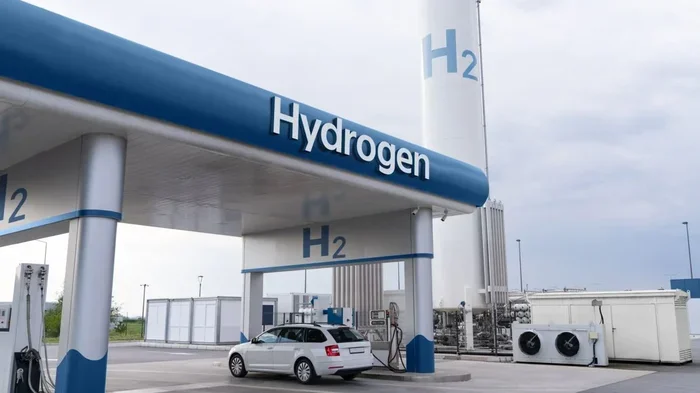
The United States currently has around 60 to 70 hydrogen refueling stations, with the vast majority concentrated in California. This number is growing steadily as automakers invest in hydrogen fuel cell vehicles and governments expand hydrogen refueling infrastructure. Understanding the current landscape helps consumers and businesses make informed decisions about clean energy transportation.
The question “how many hydrogen stations are there in the US” keeps popping up more often these days. As the world shifts toward cleaner transportation, hydrogen fuel has emerged as a serious contender alongside battery electric vehicles. People want to know if the infrastructure is there to support this new technology.
The answer might surprise you. While the number of hydrogen stations in the US is still modest compared to traditional gas stations or even EV chargers, the growth rate is impressive. The country is building out its hydrogen refueling infrastructure at a pace that suggests big things ahead. Let us break down everything you need to know about the current state of hydrogen fueling in America.
Key Takeaways
- Approximately 60-70 hydrogen stations currently operate across the United States.
- California dominates with over 50 stations, making it the clear leader in hydrogen infrastructure.
- Hydrogen fuel cell vehicles are gaining popularity as an alternative to battery electric cars.
- Federal and state incentives are driving rapid expansion of the hydrogen station network.
- Green hydrogen production is becoming more affordable and environmentally friendly.
- Refueling times are significantly faster than most electric vehicle charging options.
- Major automakers like Toyota and Hyundai continue to invest heavily in hydrogen technology.
📑 Table of Contents
The Current Count of Hydrogen Stations in the US
As of 2024, the United States has roughly 60 to 70 hydrogen fueling stations that are open to the public. This number fluctuates slightly as new stations come online and older ones get upgraded or relocated. The Department of Energy tracks these stations through its Alternative Fuels Data Center, which provides the most reliable count available.
But here is the thing. The count changes frequently. New stations open every few months, and some existing ones get expanded to handle more vehicles. The hydrogen station network in the US is still in its early growth phase, but the momentum is real. Automakers, energy companies, and government agencies are all pouring money into expanding this infrastructure.
Most of these stations use compressed gaseous hydrogen stored at high pressure. A smaller number of stations use liquid hydrogen or hydrogen delivered through pipelines. The technology is still evolving, and each station type has its own advantages and limitations. But the core mission remains the same: give fuel cell electric vehicle drivers a convenient way to refuel.
How the Numbers Compare Globally
When you look at the global picture, the US ranks third behind Japan and Germany in total hydrogen stations. Japan has over 160 stations, and Germany has around 100. South Korea and China are also making major strides. The US is not falling behind, but it is playing catch-up in some regions.
California alone accounts for more than 70 percent of all US hydrogen stations. This is not a coincidence. The state has aggressive clean energy policies, strong consumer demand, and significant investment from both the public and private sectors. Other states are starting to follow California’s lead, but the gap is still wide.
Where Are Hydrogen Stations Located in the US?
The geographic distribution of hydrogen stations in the US is heavily skewed toward the West Coast. If you are looking for a hydrogen refueling station outside of California, your options drop significantly. Let us take a closer look at where these stations are and why they are located there.
California’s Dominance
California has more than 50 hydrogen fueling stations, making it the undisputed hub of hydrogen infrastructure in the US. Cities like Los Angeles, San Francisco, Sacramento, and San Diego all have multiple stations. The state government has invested hundreds of millions of dollars into building out this network through programs like the California Hydrogen Highway initiative.
The reason California leads is straightforward. The state has the most zero emission vehicles on the road, strong emissions regulations, and a culture of environmental innovation. Major automakers like Toyota and Hyundai have partnered with California energy companies to build stations along key highways. This makes it easier for hydrogen car owners to travel long distances without running out of fuel.
Other States With Hydrogen Stations
Outside California, a handful of states have a small number of hydrogen stations. Hawaii has a few stations on Oahu, driven by its isolation and high fuel costs. Washington state has a station or two near Seattle. New York and New Jersey each have a couple of stations, mostly in the New York City metropolitan area.
Texas is emerging as a potential future hub. The state has abundant natural gas resources, which can be used to produce hydrogen. Several pilot projects are underway to build hydrogen production facilities that could feed a growing station network. Other states like Colorado and Massachusetts are also exploring hydrogen infrastructure, but progress has been slow.
How Hydrogen Refueling Stations Work
If you have never used a hydrogen station before, the process might seem mysterious. But it is actually quite simple. Let us walk through how these stations operate and what happens when you pull up to refuel.
The Refueling Process
When you arrive at a hydrogen fuel station, you will see a pump that looks similar to a traditional gas pump. The nozzle connects to your vehicle’s refueling port, usually located on the rear fender or bumper. The hydrogen is dispensed at high pressure, typically 700 bar for passenger vehicles, and fills the tank in about 5 to 10 minutes.
This is one of the biggest advantages of hydrogen fuel. While most electric vehicles take 30 minutes to several hours to charge, a hydrogen car can be refueled in the same time it takes to fill a gas tank. For people who drive long distances or do not have access to convenient charging at home, this speed is a game changer.
The station itself stores hydrogen in large tanks, either as compressed gas or in liquid form. Some stations pull hydrogen from a local pipeline, while others generate it on site through electrolysis. The method of delivery affects the cost and availability of hydrogen at each station.
Hydrogen Production Methods
Not all hydrogen is created equal. The way hydrogen is produced has a big impact on its environmental footprint. Today, most hydrogen in the US is produced through steam methane reforming, which uses natural gas. This method is cheap but produces carbon emissions.
Green hydrogen is the gold standard. It is produced through electrolysis, using electricity from renewable sources like solar and wind to split water into hydrogen and oxygen. This process creates zero emissions. As renewable energy becomes cheaper, green hydrogen production is expected to grow rapidly. Several new hydrogen production facilities are being built across the US with a focus on clean energy.
Hydrogen Stations vs. Electric Vehicle Charging
The debate between hydrogen fuel cell vehicles and battery electric vehicles is one of the hottest topics in clean transportation. Both technologies have strengths and weaknesses, and the infrastructure for each looks very different. Let us compare the two to understand where hydrogen stations fit in the bigger picture.
Refueling speed is where hydrogen has a clear edge. A hydrogen car can be refueled in under 10 minutes, while even fast-charging EVs take 20 to 40 minutes for a significant charge. For commercial fleets like trucks and buses, this difference matters a lot.
Range is another area where hydrogen vehicles shine. Most fuel cell cars can travel 300 to 400 miles on a full tank, which is comparable to gas-powered vehicles. Battery electric cars typically offer 250 to 350 miles, though some newer models exceed that. However, the hydrogen station network is far less developed than the EV charging network, which has tens of thousands of stations across the country.
Cost is a challenge for hydrogen. Building a single hydrogen refueling station can cost between 1 million and 4 million dollars. EV chargers are much cheaper to install. This cost difference is a major reason why there are so few hydrogen stations compared to EV chargers. But as technology improves and economies of scale kick in, these costs are expected to come down.
A Side by Side Comparison
Here is a quick look at how hydrogen stations stack up against EV charging stations across key factors.
- Refueling time: Hydrogen is faster, typically under 10 minutes versus 20 to 40 minutes for fast EV charging.
- Number of stations in the US: EV chargers number in the tens of thousands, while hydrogen stations are in the low hundreds.
- Vehicle range: Both technologies offer similar ranges, with hydrogen slightly ahead in some models.
- Infrastructure cost: Hydrogen stations are significantly more expensive to build and maintain.
- Environmental impact: Green hydrogen and renewable EV charging both offer zero tailpipe emissions.
The Future of Hydrogen Infrastructure in the US
The outlook for hydrogen stations in the US is bright, but the road ahead requires significant investment and coordination. Several factors will determine how quickly the hydrogen refueling infrastructure expands over the next decade.
Federal Funding and Policy Support
The US government has made hydrogen a priority through the Infrastructure Investment and Jobs Act, which allocated nearly 10 billion dollars for clean hydrogen programs. This funding supports the development of regional hydrogen hubs, production facilities, and refueling stations. The goal is to create a national network of hydrogen stations that connects major cities and highways.
The Hydrogen Earthshot initiative aims to reduce the cost of clean hydrogen by 80 percent within a decade. If this goal is achieved, it could dramatically accelerate the buildout of hydrogen stations. Lower production costs mean lower fuel prices for consumers, which in turn drives demand for more stations.
Automaker Investment
Major automakers are betting big on hydrogen. Toyota continues to sell the Mirai, one of the most popular fuel cell vehicles in the US. Hyundai offers the Nexo, which has gained a strong following among early adopters. These companies are investing in hydrogen stations to support their vehicle sales and create a reliable refueling experience for customers.
Heavy-duty trucking is another area where hydrogen is gaining traction. Companies like Nikola and Hyundai are developing hydrogen fuel cell trucks that could revolutionize long-haul freight. These vehicles need hydrogen stations with higher capacity, which means the station network must evolve to meet new demands. The hydrogen vehicle adoption curve for commercial fleets could be steeper than for passenger cars.
Challenges Ahead
Despite the optimism, there are real challenges. Building a hydrogen station requires permits, land, pipeline access, and significant capital. Some communities have raised concerns about safety, even though hydrogen is handled safely every day in industrial settings. Public awareness of hydrogen fuel cell technology is still low, which limits demand and makes it harder to justify new station investments.
The chicken-and-egg problem is real. Consumers will not buy hydrogen cars without a reliable station network, and companies will not build stations without enough cars on the road. Breaking this cycle requires coordinated effort from automakers, energy companies, and government agencies. The progress so far is encouraging, but there is still a long way to go.
Practical Tips for Hydrogen Vehicle Owners
If you own or are considering a hydrogen fuel cell vehicle, there are a few things you should know to make the most of the current station network. These tips can save you time, money, and frustration.
- Plan your routes carefully. Since hydrogen stations are concentrated in California and a few other areas, map out your trips in advance. Use apps like the Alternative Fuels Station Locator to find the nearest station.
- Join a fuel card program. Some hydrogen stations offer loyalty programs or fleet discounts that can lower your per-kilogram fuel cost.
- Keep your tank topped off. Hydrogen stations are still relatively few, so running low can leave you stranded. Refuel whenever it is convenient, even if you are not close to empty.
- Stay updated on new stations. The hydrogen station map changes regularly. Follow industry news and check for announcements about new stations in your area.
- Consider a hybrid approach. Some hydrogen vehicle owners keep a battery electric car for daily errands and use the hydrogen car for longer trips. This maximizes the value of each vehicle.
Common Mistakes to Avoid
New hydrogen car owners sometimes make mistakes that can be easily avoided. One common error is assuming that hydrogen stations will be as common as gas stations anytime soon. The infrastructure is growing, but it will take years to reach that level of convenience. Another mistake is ignoring the cost of hydrogen fuel. While prices are coming down, hydrogen still costs more per mile than gasoline in many areas. Finally, some owners underestimate the importance of keeping their vehicle’s fuel cell system well-maintained. Regular service keeps your car running efficiently and extends its lifespan.
Key Takeaways
- The US has approximately 60 to 70 hydrogen refueling stations as of 2024, with California accounting for the majority.
- Hydrogen fuel cell vehicles offer fast refueling and long range, making them ideal for certain use cases.
- The hydrogen station network is growing thanks to federal funding, automaker investment, and state-level initiatives.
- Green hydrogen production is key to making hydrogen fuel truly clean and sustainable.
- The chicken-and-egg problem between station availability and vehicle adoption remains a challenge.
- Hydrogen stations are most practical for now in California and select metro areas in a few other states.
- The future looks promising as government policy and private investment continue to accelerate infrastructure buildout.
Conclusion
The question of how many hydrogen stations are in the US today has a clear answer: roughly 60 to 70 stations, with the number growing every year. This infrastructure is still in its early stages, but the direction of travel is unmistakably positive. California is leading the way, and other states are starting to follow.
Hydrogen fuel cell vehicles offer real benefits that battery electric cars cannot always match. Fast refueling, long range, and zero tailpipe emissions make hydrogen cars an attractive option for many drivers. But the success of this technology depends entirely on having a reliable and convenient station network.
The next few years will be critical. Federal funding, automaker investment, and growing consumer interest are all converging to push the hydrogen refueling infrastructure forward. If you are considering a hydrogen vehicle, now is an exciting time to get in on the ground floor. The stations are growing, the technology is improving, and the future of clean transportation is taking shape one station at a time.
Keep an eye on this space. The number of hydrogen stations in the US is only going to go up, and that is good news for anyone who cares about clean, sustainable transportation.
Frequently Asked Questions
How many hydrogen stations are there in the US right now?
As of 2024, the United States has approximately 60 to 70 hydrogen refueling stations that are open to the public. The vast majority of these stations are located in California, which has over 50 stations. The number is growing steadily as new stations are built and existing ones are expanded.
Which state has the most hydrogen stations in the US?
California is the clear leader, with more than 50 hydrogen fueling stations. The state has invested heavily in hydrogen infrastructure through programs like the California Hydrogen Highway. Other states with stations include Hawaii, Washington, New York, and New Jersey, but they have only a handful each.
How long does it take to refuel a hydrogen car?
Refueling a hydrogen vehicle takes about 5 to 10 minutes, which is comparable to filling a traditional gas tank. This is significantly faster than most electric vehicle charging options, which can take anywhere from 20 minutes for fast charging to several hours for a full charge.
Are hydrogen stations safe?
Yes, hydrogen stations are designed with extensive safety features. The tanks and dispensing systems meet strict federal and industry safety standards. Hydrogen is a highly flammable gas, but it is lighter than air, so it disperses quickly in the event of a leak. Stations are equipped with sensors, automatic shutoff valves, and other safety systems to prevent accidents.
What does it cost to build a hydrogen station?
Building a hydrogen refueling station typically costs between 1 million and 4 million dollars, depending on the station’s capacity and technology. This high cost is one reason why the hydrogen station network is still limited compared to EV charging stations. However, costs are expected to decrease as technology improves and more stations are built.
Will the number of hydrogen stations in the US increase in the future?
Yes, the number of hydrogen stations is expected to grow significantly over the next decade. Federal funding through the Infrastructure Investment and Jobs Act and the Hydrogen Earthshot initiative are driving this expansion. Automakers like Toyota and Hyundai are also investing in hydrogen infrastructure to support their vehicle sales and create a reliable refueling network.