Air Dams in Cars How They Boost Efficiency and Save Fuel
Air dams in cars are simple yet powerful aerodynamic accessories that reduce drag, improve fuel economy, and enhance vehicle stability. They work by managing airflow beneath the front of your car, cutting wind resistance and boosting overall performance. Whether you drive daily commutes or hit the highway often, air dams can make a noticeable difference in efficiency and savings.
You have probably noticed the sleek, curved pieces under the front of some cars and wondered what they are. Those are air dams in cars, and they do a lot more than just make your vehicle look sporty. These simple aerodynamic components play a big role in how your car moves through the air, how much fuel it burns, and how stable it feels on the road.
If you have ever wondered whether adding an air dam is worth your time and money, the short answer is yes. Whether you are trying to save a few dollars at the pump or just want your car to handle better, air dams deliver real, measurable benefits. Let us break down everything you need to know about how they work, the different types available, and how to get the most out of them.
Key Takeaways
- Air dams reduce aerodynamic drag, helping your car cut through the air more efficiently and use less fuel.
- They improve fuel economy by managing airflow under the vehicle, especially during highway driving.
- Multiple types exist, from factory-installed options to aftermarket upgrades for every budget.
- Proper installation matters — incorrect fitment can reduce benefits or cause damage.
- Air dams also enhance stability at high speeds by increasing downforce and reducing lift.
- Regular maintenance keeps them effective — clean and inspect your air dam for damage or debris buildup.
📑 Table of Contents
What Is an Air Dam and How Does It Work?
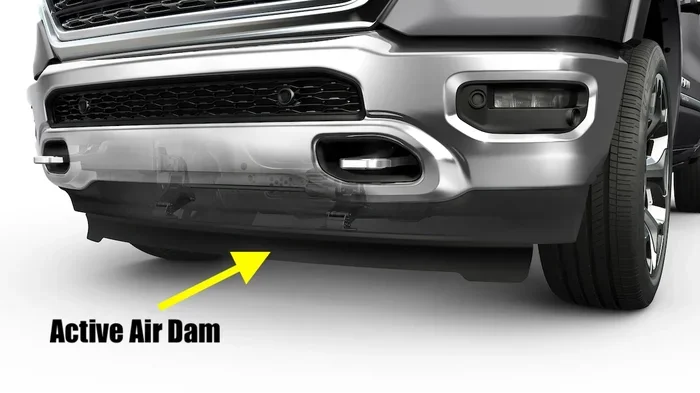
An air dam in cars is a panel or lip installed at the front bottom of a vehicle. Its job is to control the way air flows underneath the car. When you drive, air pushes against your vehicle from the front. Without an air dam, that air swirls and tumbles under the car, creating something called aerodynamic drag. Drag is basically the resistance your car has to push through as it moves forward.
Air dams work by directing airflow smoothly along the underbody of the car. They block chaotic air from getting trapped underneath and instead guide it in a controlled path. This reduces wind resistance and allows the car to glide through the air with less effort. Less effort means your engine does not have to work as hard, which directly impacts fuel economy.
Think of it like riding a bicycle. When you crouch down low, you face less wind and can go faster with less energy. An air dam does the same thing for your car. It streamlines the front end and helps the vehicle slice through the air more cleanly. This concept is at the heart of vehicle aerodynamics, and it applies to everything from family sedans to sports cars.
The Science Behind Airflow Management
Every car has a drag coefficient, which is a number that measures how much air resistance it faces. A lower drag coefficient means the car moves through the air more easily. Air dams help lower this number by smoothing out the airflow at the front of the vehicle. When air flows smoothly, it creates less turbulence and less drag.
Another important concept is underbody airflow. The underside of a car is not smooth — it has exposed parts like the exhaust, suspension components, and fuel lines. These create drag when air hits them at speed. An air dam acts like a shield, preventing messy air from hitting those parts and causing drag. This is why airflow management is such a big deal in car design and modification.
How Air Dams Boost Fuel Efficiency
The connection between air dams and fuel savings is straightforward. When your car faces less drag, the engine needs less power to maintain speed. Less power means less fuel burned. Over time, those small savings add up to real money at the gas station.
Here is how air dams in cars directly impact your fuel economy:
- Reduced aerodynamic drag means the engine works less at highway speeds.
- Smoother airflow under the car reduces turbulence and energy waste.
- Less wind resistance helps your car maintain speed without pressing the accelerator as hard.
- Better fuel efficiency translates to more miles per gallon over time.
- Lower emissions come as a bonus since a more efficient engine burns fuel more completely.
Studies have shown that aerodynamic improvements can boost fuel economy by 5 to 10 percent at highway speeds. That might not sound like a lot, but over a year of daily driving, it adds up. If you commute on highways or do a lot of road trips, the impact of an air dam on your fuel savings can be significant.
Real-World Fuel Savings Examples
Let us put this in practical terms. Say you drive about 15,000 miles a year, and your car gets 25 miles per gallon. That is 600 gallons of gas annually. A 5 percent improvement in fuel economy from adding an air dam could save you around 30 gallons per year. At current gas prices, that is real money back in your pocket.
The savings are even more noticeable on longer trips. If you frequently drive on interstate highways where speeds are steady and high, air dams work their best. That is because aerodynamic drag increases with the square of speed. So at 70 mph, drag is much higher than at 35 mph, and an air dam helps fight that extra resistance.
Types of Air Dams for Cars
Not all air dams are the same. They come in different styles, materials, and designs to fit various vehicles and purposes. Understanding the options helps you choose the right one for your needs and budget.
Factory-Installed Air Dams
Many modern cars come from the factory with a basic air dam built into the front bumper design. Car manufacturers include these during the design phase to meet fuel economy standards and improve overall car aerodynamics. These factory air dams are usually made of plastic or lightweight composites and are designed to blend seamlessly with the vehicle’s body.
The advantage of factory air dams is that they are tested and fitted specifically for your car model. They require no extra installation and usually hold up well over time. However, they are often designed more for compliance and basic function rather than maximum performance.
Aftermarket Air Dams
Aftermarket air dams are upgrades you can add to your car after purchase. They come in a wide range of styles, materials, and price points. Some are designed for fuel efficiency, while others focus on appearance or track performance.
Common materials for aftermarket air dams include:
- Polyurethane — durable, flexible, and affordable. A popular choice for daily drivers.
- Fiberglass — lightweight and smooth, great for reducing aerodynamic drag.
- Carbon fiber — ultra-light and strong, often used in racing aerodynamics and high-performance builds.
- ABS plastic — a balance of durability and cost, common in budget-friendly options.
Front Splitters vs. Air Dams
People often confuse front splitters with air dams, but they serve slightly different purposes. A front splitter is a flat panel that sits at the very bottom of the front bumper. It creates a pressure difference between the top and bottom of the car, generating downforce. An air dam is more about channeling airflow and reducing drag. Some cars use both together for maximum aerodynamic performance.
| Feature | Air Dam | Front Splitter |
|---|---|---|
| Primary Purpose | Reduce drag and manage underbody airflow | Generate downforce at the front |
| Position | Under the front bumper | At the very bottom edge of the bumper |
| Best For | Fuel economy and highway efficiency | High-speed stability and track use |
| Material | Plastic, fiberglass, polyurethane | Fiberglass, carbon fiber, ABS |
| Installation | Usually bolt-on or clip-on | Often requires custom mounting |
| Cost Range | $50 – $300 | $100 – $500+ |
Benefits Beyond Fuel Savings
While fuel efficiency is the biggest draw for most people, air dams in cars offer several other benefits that make them worth considering.
Improved High-Speed Stability
At highway speeds, air flowing under your car can create lift. Lift is the opposite of downforce, and it makes your car feel light and unstable, especially at high speeds. An air dam reduces this lift by blocking air from getting underneath and pushing the car down toward the road. This gives you better speed stability and more confidence when driving fast.
Protection for Undercarriage Components
Air dams also serve a protective role. They shield the undercarriage of your car from road debris, rocks, and dirt. Over time, this protection can reduce damage to sensitive parts like the exhaust system, transmission, and fuel lines. For drivers who frequently travel on rough or gravel roads, this is a practical benefit that goes beyond aerodynamics.
Enhanced Vehicle Appearance
Let us not ignore the visual appeal. A well-designed air dam gives the front of your car a more aggressive, grounded look. Many car enthusiasts choose aftermarket air dams simply because they make the vehicle look better. A sporty front end can completely change the character of a car without any engine modifications.
Reduced Wind Noise
When air tumbles chaotically under your car, it creates noise inside the cabin. An air dam smooths out that airflow, which can reduce wind noise at highway speeds. This makes long drives more comfortable and reduces driver fatigue.
Common Mistakes When Using Air Dams
Even though air dams are simple devices, people make mistakes that reduce their effectiveness or even cause problems. Here are the most common ones to avoid.
Choosing the Wrong Size or Style
Not every air dam fits every car. Installing one that is too big or too small can actually increase drag instead of reducing it. Always choose an air dam that is specifically designed for your car model and year. Check the fitment specifications before purchasing.
Ignoring Installation Quality
A loose or misaligned air dam will not work properly. If it sits unevenly or vibrates at speed, it can create new sources of drag and noise. Take the time to install it correctly, or have a professional do it for you. Proper installation is key to getting the full benefit.
Neglecting Maintenance
Over time, air dams can collect dirt, bugs, and road grime. This buildup disrupts smooth airflow and reduces the aerodynamic benefits. Clean your air dam regularly, just like you would wash the rest of your car. Also inspect it for cracks or damage after hitting potholes or debris on the road.
Expecting Miraculous Results
An air dam is a helpful upgrade, but it is not a magic solution. It works best as part of a broader approach to car efficiency. Combine it with proper tire pressure, regular maintenance, and smart driving habits for the best results.
How to Choose the Right Air Dam for Your Car
Selecting the right air dam depends on several factors. Here is a quick guide to help you decide.
Consider Your Driving Habits
If you mostly drive in the city at low speeds, the benefits of an air dam will be smaller. But if you spend a lot of time on highways or interstate roads, an air dam can make a real difference in your fuel savings. Think about where and how you drive most often.
Check Compatibility
Make sure the air dam you choose is compatible with your car’s make, model, and year. Some air dams are universal, while others are vehicle-specific. Vehicle-specific options usually fit better and look more factory-integrated.
Set a Budget
Aftermarket air dams range from budget-friendly options under $50 to premium carbon fiber units over $300. Set a realistic budget and look for the best quality you can afford within that range. Remember that a well-fitted, durable air dam will serve you better than a cheap one that cracks or fades quickly.
Think About Your Goals
Are you mainly looking for better fuel economy? Do you want improved high-speed stability? Or are you focused on making your car look sharper? Your goals will guide which type of air dam makes the most sense for you.
Expert Tips for Getting the Most Out of Your Air Dam
Here are some practical tips from automotive enthusiasts and engineers to help you maximize the benefits of your air dam:
- Keep it clean. Wash your air dam regularly to prevent dirt buildup that disrupts airflow.
- Check for damage after off-road driving. Even a small crack can change how air flows under the car.
- Pair it with other aerodynamic upgrades. Things like underbody panels and rear spoilers work together to improve overall vehicle aerodynamics.
- Do not modify the air dam yourself. Cutting or altering it can ruin its aerodynamic shape and reduce its effectiveness.
- Monitor your fuel economy. Track your miles per gallon before and after installing an air dam to see the real impact.
- Choose quality over price. A well-made air dam from a reputable brand will last longer and perform better than a cheap knockoff.
These small steps can make a big difference in how well your air dam performs over time. Think of it as an investment in your car’s efficiency and longevity.
Final Thoughts
Air dams in cars are one of the simplest and most affordable ways to improve your vehicle’s fuel efficiency, aerodynamic performance, and overall driving experience. They reduce wind resistance, protect your undercarriage, and help your car handle better at highway speeds. Whether you choose a factory-installed option or an aftermarket upgrade, the benefits are real and measurable.
If you have been looking for a small modification that delivers big results, an air dam is a great place to start. It is a low-cost upgrade that pays for itself over time through fuel savings and improved car aerodynamics. Take care of it, keep it clean, and enjoy the difference it makes every time you hit the road.
Frequently Asked Questions
Do air dams really save fuel?
Yes, air dams in cars can save fuel by reducing aerodynamic drag and improving fuel economy. The savings are most noticeable during highway driving where aerodynamic resistance is highest. While the exact amount varies by vehicle and driving conditions, studies suggest a 5 to 10 percent improvement in fuel efficiency at highway speeds.
Can I install an air dam myself?
Many aftermarket air dams are designed for easy bolt-on or clip-on installation. If you have basic tools and some mechanical confidence, you can likely install it yourself. However, for the best fitment and performance, having a professional handle the installation is recommended.
Are air dams only for sports cars?
Not at all. Air dams benefit all types of vehicles, including sedans, SUVs, and trucks. Any car that moves through air can see improved aerodynamics and fuel economy with a properly fitted air dam. They are especially useful for vehicles that spend a lot of time on highways.
What is the difference between an air dam and a front splitter?
An air dam manages airflow under the car to reduce drag and improve fuel efficiency. A front splitter is a flat panel at the bottom of the bumper that generates downforce for better high-speed grip. Some cars use both together for maximum aerodynamic performance.
How often should I clean my air dam?
You should clean your air dam at least once a month or whenever you notice a buildup of dirt, bugs, or road grime. Regular cleaning keeps the surface smooth and ensures optimal airflow management. Inspect it for cracks or damage during each cleaning session.
Will an air dam lower my car’s ride height?
A properly fitted air dam should not lower your car’s ride height. It sits at the bottom of the front bumper and does not interfere with the suspension or ground clearance. However, always check the specifications to make sure the air dam you choose does not reduce your minimum ground clearance.