Can You Tune a Toyota Camry Yes Here Is Everything
Yes, you can tune a Toyota Camry and improve the way your car drives, feels, and performs. Engine tuning can unlock better horsepower, smoother acceleration, and even improved fuel economy. Whether you choose DIY car tuning or professional upgrades, this guide covers every step you need to take.
If you own a Toyota Camry and have been wondering whether you can tune it, the answer is a clear and enthusiastic yes. Tuning a Toyota Camry is something many car owners explore, whether they want more power, better fuel efficiency, or simply a smoother and more responsive driving experience. The Camry has long been celebrated for its Toyota Camry reliability, and with the right approach to tuning, you can keep it performing at its best for many miles to come.
But what does tuning actually involve? And is it something you can handle on your own, or should you leave it to the professionals? This guide walks you through everything you need to know about tuning your Toyota Camry, from basic maintenance upgrades to more advanced performance modifications. Whether you are a weekend wrench-turner or someone who has never touched an engine bay, you will find useful and practical information right here.
Tuning a car can mean different things to different people. For some, it means swapping out spark plugs and changing the air filter. For others, it means deep ECU reprogramming to squeeze out extra horsepower and torque. No matter what your goal is, understanding the basics of car tuning fundamentals will help you make smart and confident decisions. Let us dive into the world of Camry tuning and explore what is possible with your vehicle.
Key Takeaways
- Tuning is absolutely possible: You can tune a Toyota Camry through both DIY methods and professional services for better engine performance.
- Multiple tuning paths exist: From air intake upgrades to ECU remapping, there are several ways to enhance your Camry’s power and efficiency.
- Regular maintenance is essential: Keeping up with fluid changes, spark plug replacements, and quality parts ensures your tuned Camry stays reliable for years.
- Avoid common mistakes: Using low-quality parts, ignoring warranty terms, or skipping break-in periods can cause serious and costly problems.
- Know when to call a professional: Some tuning tasks require expert knowledge and specialized equipment, especially deep ECU work and advanced performance upgrades.
- Cost varies widely: Basic DIY tuning can be affordable, while professional performance packages may range from a few hundred to several thousand dollars.
📑 Table of Contents
What Does It Mean to Tune a Toyota Camry?
When people talk about tuning a Toyota Camry, they can mean several different things depending on their goals. At its core, tuning refers to adjusting or modifying your vehicle to improve how it runs. This can range from simple engine tune up procedures to complex performance tuning projects that change how your car behaves on the road and responds to your foot on the pedal.
Understanding Your Camry Engine
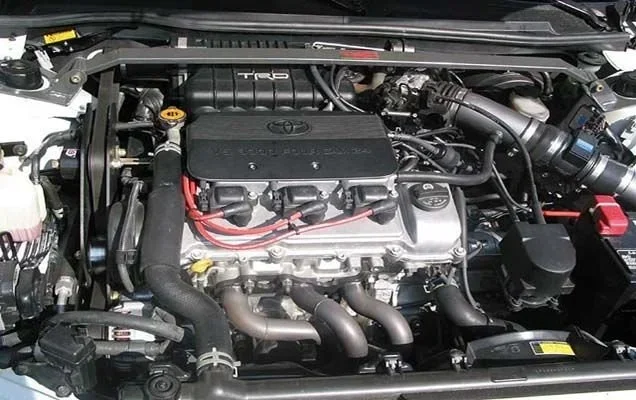
The Toyota Camry comes with different engine options depending on the model year and trim level. Most Camrys feature a four-cylinder engine, though some models offer a V6. Each engine type responds differently to tuning. A four-cylinder Camry might benefit from air intake modification and fuel injection tuning, while a V6 model might see bigger gains from exhaust upgrades and ECU adjustments.
Before you start any tuning project, it helps to know exactly what engine you have. Check your owner manual or look under the hood for the engine code. This information will guide your decisions and help you choose the right parts and modifications for your specific Camry. Taking this small step early can save you a lot of time and money later on.
Types of Tuning Available for the Camry
There are several categories of tuning you can explore for your Camry. Performance tuning focuses on increasing horsepower and torque for a more spirited driving feel. Fuel efficiency tuning aims to get more miles per gallon out of every tank. And drivability tuning smooths out rough idling or hesitation during acceleration for a more refined experience.
Some common tuning methods include:
- Air intake upgrades: Replacing the stock air filter with a high-flow option allows more air into the engine, which can improve combustion efficiency and throttle response.
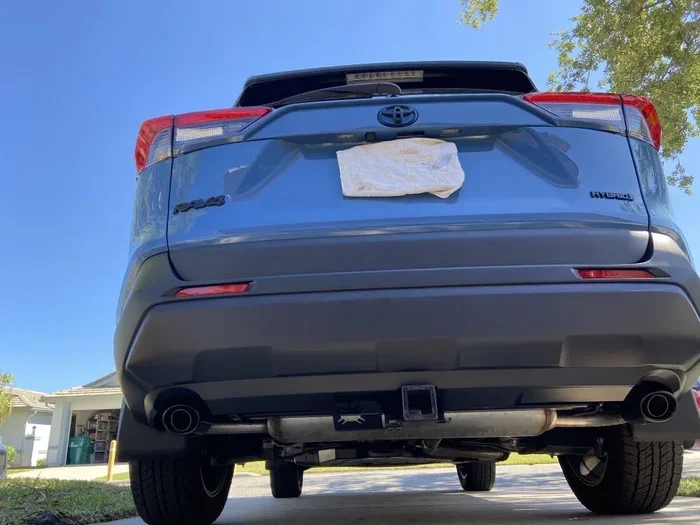
- Exhaust system upgrades: A freer-flowing exhaust helps your engine breathe better, which can add power and improve the overall sound of your Camry.
- ECU remapping: This involves adjusting the software that controls your engine’s timing, fuel delivery, and other critical parameters for optimized performance.
- Ignition system improvements: Upgrading spark plugs and ignition coils can lead to a more complete and efficient combustion cycle in every cylinder.
- Suspension tuning: While not directly engine-related, adjusting shocks and springs can significantly improve handling and overall ride quality on any road.
Each of these approaches serves a different purpose, and many Camry owners combine several methods for a well-rounded and satisfying improvement to their daily driver.
Can You Tune a Toyota Camry Yourself?
Many car owners ask whether DIY car tuning is realistic for a vehicle like the Camry. The short answer is yes, for many basic and intermediate tasks. However, the complexity of the job depends entirely on what you are trying to achieve and how comfortable you are working with car systems.
DIY Tuning Basics Anyone Can Do
Simple engine tune up tasks are perfect for beginners and first-time tuners. Replacing spark plugs, swapping out the air filter, and changing ignition coils are all jobs you can do at home with basic tools. These tasks do not require specialized equipment, and they can make a noticeable difference in how your Camry runs on a daily basis.
For example, a fresh set of spark plugs can restore lost fuel efficiency and smooth out a rough idle that has been bugging you for months. If your Camry has been sitting for a while or has high mileage, this is often the first and smartest step in any engine optimization plan. It is cheap, easy, and surprisingly effective for bringing your car back to life.
Tools You Will Need for Basic Tuning
Before you start any DIY car tuning project, make sure you have the right tools on hand. Here is a basic list to get you started:
- A socket set and combination wrenches in various sizes
- A torque wrench for proper and safe bolt tightening
- A digital multimeter for electrical checks and diagnostics
- An OBD-II scanner to read and clear error codes
- Basic hand tools like screwdrivers, pliers, and ratchets
- A service manual specific to your Camry model year
You do not need a professional-grade garage to get started with tuning your Toyota Camry. A clean driveway, a decent work light, and a willingness to learn will take you a long way. Just remember that if a task feels beyond your comfort level, it is perfectly fine to seek help from a friend or a local shop.
When Programming and Electronics Come Into Play
Some Camry owners also wonder about key fob programming and electronic systems that are tied into the car’s computer network. If you need to program a key fob without a scan tool, there are methods that work for certain Camry models and years. However, more advanced electronic work, such as Toyota Camry ECU tuning, usually requires specialized software and hardware that most home garages do not have access to.
This is where knowing your limits becomes really important. Simple electronic tasks can be fun and rewarding, but deep ECU work should often be left to professionals who understand the risks and rewards involved. Pushing too far into areas you are not familiar with can cause more harm than good.
Performance Upgrades for Your Toyota Camry
Once you have covered the basics, you might want to explore more advanced performance tuning options. These upgrades can unlock more power, improve the sound of your engine, and give your Camry a more engaging and sporty feel on the road.
Air Intake and Exhaust Modifications
The first upgrades many Camry owners consider are air intake modification and exhaust system upgrade components. A cold air intake replaces the restrictive stock air box and allows cooler, denser air to reach the engine. This can result in a modest but noticeable horsepower gain and a more responsive throttle feel during everyday driving.
Pairing an intake upgrade with a high-flow exhaust system creates a dual benefit for your Camry. The engine gets more air in and more exhaust gases out efficiently. This improves both performance and fuel economy in many cases. Many owners report a noticeable difference in throttle response after completing both upgrades together as part of a comprehensive engine performance plan.
When choosing aftermarket parts, look for brands with good reviews and a proven track record in the community. Cheap parts can do more harm than good, so invest in quality components that are designed specifically for your Camry model year and engine type. Spending a little more upfront saves you money and headaches down the road.
ECU Tuning and Remapping
ECU tuning is one of the most powerful ways to enhance your Camry’s overall performance. The engine control unit manages everything from fuel delivery to ignition timing and emissions controls. By adjusting these parameters carefully, a professional tuner can unlock additional horsepower and torque that the factory settings keep deliberately in check for reliability and warranty purposes.
ECU remapping works best when combined with hardware upgrades like intake and exhaust modifications. The software adjusts to match the improved airflow, creating a balanced and safe performance gain that feels natural behind the wheel. Always work with a reputable tuner who understands your specific Camry engine and can tailor the tune to match your personal driving goals.
One thing to keep in mind: some owners who modify their Camry extensively have experienced issues like rough running or stalling after a tune. If you ever notice your Camry running poorly after making changes, it could be related to the modifications. In some cases, issues like driving a car with a misfire can develop if the tuning is not dialed in properly and safely. Always monitor your Camry closely after any major tuning work and address problems quickly.
Suspension and Handling Upgrades
Tuning is not just about the engine and exhaust. Upgrading your Camry’s suspension can dramatically improve how it handles corners, absorbs bumps, and tracks straight on the highway. Stiffer shocks, upgraded springs, and sway bars can transform the overall ride quality and driving confidence you get from your Camry.
Many Camry owners enjoy the Camry TRD options, which offer factory-backed suspension and styling upgrades designed specifically for the platform. These parts are engineered to work with your Camry’s existing systems and are a great way to enhance handling without compromising the long-term reliability the Camry is known for.
Maintenance Tips to Keep Your Tuned Camry Running Strong
A tuned Camry still needs regular and consistent care to stay reliable over the long haul. In fact, a tuned engine may require even more attention to detail when it comes to routine maintenance and fluid care.
Regular Service Intervals You Should Follow
Stick to the recommended service schedule for your Camry, and do not skip oil changes no matter how busy life gets. Clean oil is the lifeblood of any engine, and it becomes even more important when you have made performance upgrades that put extra stress on internal components. If you are unsure about which oil weight to use, check whether you can use 5W 20 instead of 0W 20 for your specific Camry model. Using the wrong viscosity can affect engine performance and longevity over time.
Fluid Changes and Quality Matters
Beyond engine oil, your Camry needs clean coolant, transmission fluid, and brake fluid to operate at its best. Use only manufacturer-recommended fluids and replace them at the intervals specified in your owner manual. Quality fluids protect your engine, transmission, and braking system, and they help your tuned Camry run smoothly for the long haul without unexpected issues.
Spark Plugs and Ignition Components
Since tuning often puts more stress on the ignition system, keep a close eye on your spark plugs and ignition coils. Replace them at the recommended intervals or sooner if you notice any signs of misfiring or rough running. Fresh ignition components ensure that your tuned engine fires cleanly and efficiently in every cylinder, maximizing the benefits of your tuning work.
Common Mistakes to Avoid When Tuning a Toyota Camry
Tuning can be incredibly rewarding, but it also comes with real pitfalls that can cost you time, money, and frustration if you are not careful. Avoiding these common mistakes will save you a lot of trouble and keep your Camry running strong.
Overlooking Warranty Issues
One of the biggest mistakes Camry owners make is modifying their vehicle without considering the warranty implications. Many factory warranties cover defects but not damage caused by aftermarket parts or modifications. Before you start any tuning project, read your warranty terms carefully and understand exactly what is and is not covered by your manufacturer.
If your Camry is still under warranty, consider discussing your plans with a Toyota dealership service advisor before making any changes. They can often point you toward modifications that will not void your coverage, saving you from expensive surprises if something goes wrong later.
Using Low-Quality Parts to Save Money
The temptation to save money with cheap aftermarket parts is real, but it can backfire in a big way. Low-quality intake filters, exhaust systems, or ignition components can introduce problems like reduced performance, increased emissions, or even engine damage over time. Always choose reputable brands and read reviews before purchasing anything for your tuned Camry.
Skipping the Break-In Period After Modifications
If you install new parts or perform a major tune, give your Camry time to adjust and settle in. Driving aggressively immediately after a tune can stress fresh components and lead to premature wear or failure. Ease into your driving habits for the first few hundred miles after any significant modification and let everything bed in properly.
When Should You See a Professional for Camry Tuning?
While many tuning tasks are perfectly suited for DIY work, some situations call for professional expertise and specialized equipment. Knowing when to make that call is an important part of being a smart and responsible Camry owner.
Signs Your Camry Needs Expert Attention
Watch for warning signs like persistent check engine lights, unusual noises from the engine bay, or a noticeable drop in performance after a recent tune. These could indicate that your modifications are not working correctly with your engine’s existing systems. Ignoring these signs can lead to more serious and expensive repairs over time that could have been avoided with early intervention.
If you have ever experienced driving a car with a misfire after making changes to your engine, you know how unsettling and concerning it can be. A misfire can damage your catalytic converter and other expensive components if left unaddressed. Do not ignore it or hope it goes away on its own. Get it checked out promptly by a qualified professional.
Finding the Right Mechanic or Tuner for Your Camry
When you do need professional help, look for a mechanic or tuner who has specific experience with Toyota vehicles and the Camry platform in particular. A general repair shop may not have the specialized knowledge or diagnostic equipment needed for advanced Toyota Camry ECU tuning or complex performance upgrades. Ask for recommendations from other Camry owners or check online forums dedicated to Toyota enthusiasts for trusted referrals.
The cost of professional tuning varies widely depending on the scope of work and your location. A basic engine tune up might cost a few hundred dollars, while a full performance tuning package with ECU remapping and hardware upgrades could run several thousand dollars. Set a realistic budget and get quotes from multiple shops before committing to any work on your Camry.
Conclusion
So, can you tune a Toyota Camry? Absolutely yes. Whether you are looking to boost Toyota Camry horsepower, improve fuel economy, or simply keep your trusted sedan running like new for many more years, there are plenty of options available to you. From simple engine tune up tasks you can do at home on a Saturday afternoon to advanced performance tuning projects that require professional help, the Camry is a versatile and rewarding platform that responds well to careful and informed modifications.
The key is to start with a clear goal in mind, choose quality parts from reputable brands, and stay on top of regular maintenance after every upgrade. A well-tuned Camry will reward you with years of reliable, enjoyable, and satisfying driving every time you get behind the wheel. Take your time, do your research, and enjoy the process of making your Camry truly yours.
Frequently Asked Questions
Can a beginner tune a Toyota Camry?
Yes, beginners can handle basic tuning tasks like spark plug replacement, air filter changes, and fluid swaps. These are simple engine tune up procedures that require only basic tools and a little patience. Start with the easy stuff and gradually work your way up to more advanced modifications as you gain confidence and hands-on experience.
How much does it cost to tune a Toyota Camry?
The cost depends on what type of tuning you want to pursue. Basic maintenance upgrades might cost under $200, while professional ECU remapping and performance parts can range from $500 to $3,000 or more. Always get quotes from multiple shops and factor in the cost of parts, labor, and any follow-up maintenance your tuned Camry might need.
Will tuning a Toyota Camry void the warranty?
It depends on your warranty terms and the type of modifications you make. Some changes, like simple air intake modification or spark plug upgrades, may not affect your coverage. However, more extensive performance tuning that causes damage could void parts of your warranty. Check with your Toyota dealership before making major modifications to be safe.
Can tuning improve fuel economy on a Toyota Camry?
Yes, certain tuning approaches can improve fuel economy on your Camry. Upgrading to a high-flow air intake, optimizing your fuel injection tuning, and ensuring proper ignition timing can all help your Camry sip fuel more efficiently. Just remember that aggressive performance tuning focused on horsepower may actually reduce your gas mileage slightly.
What is the best age of Toyota Camry to tune?
Most Camry models from the past 20 years are excellent candidates for tuning. Newer models with electronic fuel injection and accessible ECU systems are generally easier to tune. However, older models can also benefit from simple upgrades like exhaust replacements and ignition improvements. Always check parts compatibility before purchasing any aftermarket parts for your specific model year.
Is ECU tuning safe for a Toyota Camry?
ECU tuning is safe when done correctly by a qualified professional. A proper engine optimization tune adjusts fuel and ignition parameters within safe limits. Poorly executed ECU work can lead to problems like knocking, overheating, or driving a car with a misfire. Always work with an experienced tuner who knows the Camry platform well and can tailor the tune to your specific needs.