Can a Toyota Transmission Be Repaired or Replaced Today
Yes, a Toyota transmission can often be repaired instead of replaced. Whether you own a Camry, RAV4, or Highlander, understanding your repair options saves time and money. This guide covers common Toyota transmission problems, repair costs, and when replacement is the better choice.
Toyota vehicles are built to last. They have a reputation for reliability that few brands can match. But even the best Toyota can develop transmission problems over time. When you hear strange noises or feel hesitation shifting gears, it is natural to worry. You might wonder if a simple fix will do the job or if you need a full replacement. The good news is that in most cases, a Toyota transmission can be repaired. This article walks you through everything you need to know about Toyota transmission repair and replacement options.
Whether you drive a fuel-efficient Prius or a rugged 4Runner, your transmission plays a critical role. It transfers power from the engine to the wheels. When it starts failing, your daily drive becomes stressful. Understanding the repair process helps you make confident decisions. You will learn about common problems, warning signs, costs, and prevention tips. Let us dive into the details so you are fully prepared.
Key Takeaways
- Repairs are often possible: Many Toyota transmission issues can be fixed without a full replacement, saving you thousands of dollars.
- Early detection matters: Catching warning signs early prevents minor issues from becoming major failures.
- Cost varies widely: Transmission repair costs range from a few hundred dollars for simple fixes to several thousand for major work.
- Maintenance is key: Regular fluid changes and proper care significantly extend your Toyota transmission lifespan.
- Hybrid models need special attention: Toyota hybrid transmissions have unique components that require specialized knowledge.
- Choose the right shop: Certified Toyota technicians and OEM parts make a big difference in repair quality.
📑 Table of Contents
Understanding Toyota Transmission Systems
Types of Transmissions in Toyota Vehicles
Toyota uses several types of transmissions across its lineup. Most models come with an automatic transmission. These use a complex system of gears, solenoids, and a torque converter to shift smoothly. Some older Toyotas still offer manual transmissions, though they are becoming rarer. Then there are continuously variable transmissions, or CVTs, found in many newer models. CVTs use a belt and pulley system instead of traditional gears, which provides seamless acceleration.
Toyota hybrid models add another layer of complexity. The hybrid transmission works differently from a conventional automatic. It uses a planetary gear set that blends electric motor power with the gas engine. This system is incredibly efficient but requires specialized knowledge to repair. If you own a hybrid, finding a technician who understands the unique drivetrain is essential. You can learn more about hybrid-specific concerns in our article on can a hybrid run without gas.
How Toyota Transmissions Work
A Toyota transmission does one main job: it matches engine power to driving speed. When you press the gas pedal, the engine spins at a certain speed. The transmission uses different gear ratios to make sure the wheels turn at the right pace. Low gears give you power for starting and climbing. Higher gears let you cruise efficiently on the highway.
Transmission fluid plays a huge role in all of this. It lubricates the internal gears and clutch packs. It also acts as a hydraulic fluid that helps the transmission shift smoothly. Over time, this fluid breaks down and loses its effectiveness. Dirty fluid causes extra wear on internal components. This is why regular maintenance matters so much for the long-term health of your drivetrain.
Common Toyota Transmission Problems
Warning Signs Your Toyota Transmission Needs Repair
Transmission problems rarely appear out of nowhere. Your vehicle usually gives you plenty of warning. Paying attention to these signs can save you from a much bigger repair later on. Here are the most common symptoms to watch for:
- Slipping gears: The transmission feels like it is changing gears on its own. You might notice the engine RPMs spike without a corresponding increase in speed.
- Delayed shifting: There is a long pause between when you move the gear selector and when the transmission actually engages.
- Rough or jerky shifts: Instead of smooth transitions, you feel a jolt or shudder when the transmission changes gears.
- Fluid leaks: Red or brown fluid pooling under your Toyota signals a transmission seal or gasket failure.
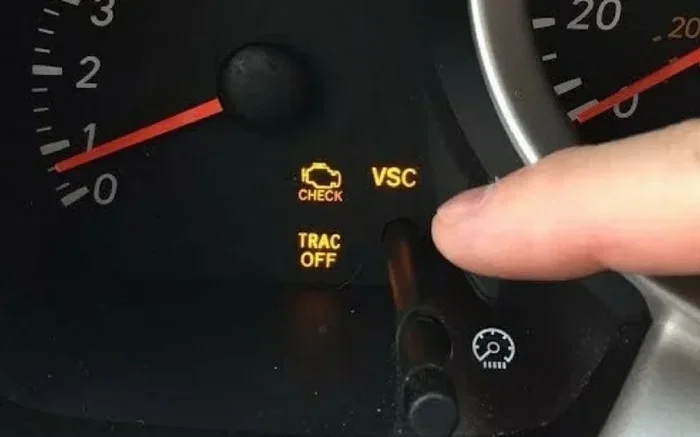
- Dashboard warning lights: The check engine light or a transmission-specific warning indicator should never be ignored.
- Unusual noises: Grinding, whining, or buzzing sounds coming from the transmission area are never a good sign.
If you notice any of these symptoms, it is important to act quickly. Ignoring transmission warning signs can lead to complete failure. In some cases, driving with a damaged transmission can cause secondary damage to other parts of the vehicle. If you are experiencing issues like misfires that feel similar to transmission hesitation, you might want to check our guide on can you drive a car with a misfire to understand the difference.
What Causes Toyota Transmission Failure
Transmission failure does not happen because of one single cause. Multiple factors contribute over time. Understanding these root causes helps you prevent problems before they start.
Neglected maintenance is the number one culprit. Many Toyota owners skip or delay transmission fluid changes. The manufacturer recommends changing the fluid every 30,000 to 60,000 miles depending on the model and driving conditions. Skipping this service allows the fluid to become contaminated. Dirty fluid does not lubricate properly, which causes increased friction and heat inside the transmission.
Driving habits also play a role. Towing heavy loads beyond your Toyota’s capacity puts extra stress on the transmission. Frequent stop-and-go driving in heavy traffic generates more heat than highway cruising. Aggressive acceleration and hard braking wear out clutch packs and bands faster than normal use would.
Age and mileage naturally take their toll. A Toyota transmission that has covered 150,000 or more miles will have more wear on internal components. Clutch packs thin out, seals become brittle, and solenoids lose precision. This is a normal part of the vehicle lifecycle, but it does not mean you need to replace the entire transmission.
Manufacturing defects are less common but do occur. Certain Toyota model years have had known transmission issues that led to recalls or technical service bulletins. Staying informed about your specific model can help you know if your vehicle is affected.
Can a Toyota Transmission Be Repaired?
Transmission Repair vs Replacement
The short answer is yes, a Toyota transmission can often be repaired. The extent of the damage determines whether a repair or a full replacement makes more sense. Minor issues like a faulty solenoid, a leaking seal, or a worn clutch pack can usually be addressed with targeted repairs. These fixes are much more affordable and take less time than a complete rebuild.
Major repairs involve removing the transmission from the vehicle and disassembling it completely. Technicians inspect every internal component. Worn parts like clutch plates, bands, and seals get replaced. The torque converter may be rebuilt or replaced. After reassembly, the transmission is tested to ensure it shifts properly. This process is often called a transmission rebuild, and it can restore your Toyota’s drivetrain to excellent working condition.
A full transmission replacement means swapping out the entire unit with a new or remanufactured transmission. This is more expensive but sometimes necessary when the transmission has catastrophic failure. Internal damage that affects multiple components often makes a rebuild impractical. In these cases, a replacement unit provides a fresh start with a new warranty.
Cost of Toyota Transmission Repair
Transmission repair costs vary significantly based on the problem and the Toyota model. Here is a general breakdown of what you might expect:
- Minor repairs (solenoid, seal, sensor): $300 to $800. These are straightforward fixes that do not require removing the transmission.
- Moderate repairs (clutch pack, gasket replacement): $800 to $1,500. These require partial disassembly but not a full rebuild.
- Transmission rebuild: $1,500 to $3,500. This involves complete disassembly, inspection, and replacement of worn components.
- Transmission replacement: $3,000 to $7,000 or more. This includes the cost of the new or remanufactured unit plus labor.
Hybrid Toyota models tend to cost more to repair because of the additional complexity in the drivetrain. The transmission in a hybrid works closely with electric motors and power electronics. Specialized diagnostic tools and trained technicians add to the overall cost. Keep in mind that these numbers are estimates. Your actual cost depends on your location, the shop you choose, and the specific damage to your transmission.
When to Replace Instead of Repair
Signs It Is Time for a Full Replacement
Not every transmission problem is repairable. Some situations clearly point toward replacement rather than trying to fix individual components. Here are the key signs that a full replacement might be your best option:
- Extensive internal damage: If multiple clutch packs, gears, and bearing surfaces are worn beyond repair, a rebuild becomes impractical and costly.
- Cracked transmission case: A damaged case cannot be properly sealed again. Replacement is the only safe solution.
- Chronic recurring problems: If you have already paid for multiple repairs and the transmission keeps failing, a replacement unit provides a more reliable long-term solution.
- Very high mileage with heavy wear: A transmission on a vehicle with over 250,000 miles may not be worth rebuilding if other major components are also nearing end of life.
- Manufacturer recalls or known defects: In some cases, Toyota has acknowledged design flaws that make repair ineffective. Replacement with an updated unit is the recommended fix.
The decision between repair and replacement ultimately comes down to economics. If the repair cost approaches 50 to 75 percent of the vehicle’s value, replacement or even considering a different vehicle might make more sense. Your mechanic can help you evaluate this decision based on a thorough inspection.
The Toyota Transmission Replacement Process
A full transmission replacement is a major job that typically takes two to five days at a qualified shop. The process begins with removing the old transmission from the vehicle. The technician disconnects the driveshaft, electrical connections, and hydraulic lines. Once the old unit is out, the new or remanufactured transmission is carefully positioned and bolted into place.
After installation, the technician refills the transmission with fresh fluid and installs a new filter. The system is then tested thoroughly. This includes checking for leaks, verifying smooth shifts across all gears, and scanning for error codes. A test drive confirms that the transmission operates correctly under real driving conditions. Proper installation is just as important as the quality of the replacement unit itself.
Preventing Toyota Transmission Issues
Maintenance Tips for Long Transmission Life
The best way to deal with transmission problems is to prevent them from happening in the first place. Toyota transmissions are durable, but they still need proper care. Follow these maintenance tips to keep your transmission healthy for the long haul:
- Change transmission fluid on schedule: Stick to the manufacturer’s recommended intervals. For most Toyotas, this means a fluid change every 30,000 to 60,000 miles.
- Use the correct fluid type: Toyota specifies specific transmission fluid formulations for each model. Using the wrong fluid can cause damage. Check your owner’s manual or ask your service advisor.
- Avoid towing beyond capacity: Overloading your Toyota puts excessive strain on the transmission. Stay within the manufacturer’s towing limits.
- Let the transmission warm up: In cold weather, allow a few minutes of gentle driving before pushing the vehicle hard. This lets the fluid circulate and lubricate properly.
- Address small problems early: A minor leak or slight hesitation today can become a major failure next month. Early intervention keeps repair costs low.
Fluid Changes and Filter Replacements
Transmission fluid is the lifeblood of your drivetrain. It reduces friction, cools internal components, and provides hydraulic pressure for smooth shifting. Over time, fluid breaks down and picks up metal particles from normal wear. A fluid change flushes out this contaminated fluid and replaces it with fresh, clean fluid.
The transmission filter catches debris and prevents it from circulating through the system. A clogged filter restricts fluid flow, which causes shifting problems and increased wear. Replacing the filter at the same time as the fluid change is a smart preventive step. Many Toyota service centers offer bundled fluid and filter services as part of routine maintenance.
Regular maintenance also helps you avoid situations where your vehicle might break down unexpectedly. If you are curious about other common car issues, you might find our article on can you jump start a hybrid helpful for understanding hybrid-specific emergencies.
Finding the Right Toyota Transmission Repair Shop
OEM vs Aftermarket Parts
When it comes to replacement parts, you have two main options: OEM (Original Equipment Manufacturer) parts and aftermarket parts. OEM parts are made by Toyota or by suppliers that meet Toyota’s exact specifications. They fit perfectly and match the quality of the original component. Aftermarket parts are made by third-party manufacturers and are often less expensive. In most cases, OEM parts are the better choice for transmission repairs because the tolerances are tighter and the reliability is proven.
Questions to Ask Your Mechanic
Choosing the right repair shop is just as important as choosing the right parts. Before committing to a transmission repair, ask your mechanic these important questions:
- What is the specific problem and what caused it? A good mechanic will explain the issue in clear terms and help you understand why it happened.
- Do you recommend repair or replacement? Ask for the reasoning behind their recommendation and what factors influenced their advice.
- What warranty comes with the repair? Reputable shops stand behind their work with a written warranty on parts and labor.
- Can you show me the old parts? A trustworthy shop will be happy to show you the worn components that needed replacement.
- How long will the repair take? Understanding the timeline helps you plan and avoid surprises.
Remember that you have options when it comes to car repairs. You are never obligated to approve work immediately. Take your time, get a second opinion if needed, and choose a shop that communicates clearly and treats your Toyota with respect. If you ever find yourself in a situation where a mechanic is holding onto your vehicle, you can learn about your rights in our article on can a mechanic hold your car until you pay.
Key Takeaways
- Toyota transmissions can often be repaired: Many issues, from solenoid failures to worn clutch packs, are fixable without replacing the entire unit.
- Early detection saves money: Recognizing warning signs like slipping, hesitation, or fluid leaks early prevents costly cascading damage.
- Repair costs vary widely: Simple fixes start around $300, while full rebuilds can reach $3,500 or more depending on the model and damage.
- Replacement is sometimes necessary: When internal damage is extensive or the transmission case is cracked, a full replacement provides the most reliable solution.
- Prevention is your best strategy: Regular fluid changes, proper driving habits, and prompt attention to small problems keep your Toyota transmission running strong.
- Choose experienced technicians: Certified Toyota specialists with the right tools and OEM parts deliver the best repair outcomes.
Frequently Asked Questions
How long does a Toyota transmission repair usually take?
Minor repairs like replacing a solenoid or seal can be done in one to two days. A full transmission rebuild typically takes three to five days. A complete replacement usually takes two to four days depending on parts availability and the specific Toyota model. Your repair shop can give you a more accurate timeline once they diagnose the problem.
Is it worth repairing a Toyota transmission or should I just replace the car?
This depends on the overall condition of your vehicle and the repair cost. If your Toyota has a clean history, low mileage, and is otherwise in great shape, transmission repair is usually worth it. However, if the repair cost exceeds 50 to 75 percent of the car’s value and the vehicle has high mileage with other issues, replacing the car might be the smarter financial decision.
Can I drive my Toyota with a failing transmission?
It is not recommended. Driving with a failing transmission can cause further damage to internal components and other parts of the drivetrain. In some cases, the transmission may fail completely while you are driving, leaving you stranded. If you notice transmission warning signs, have the vehicle inspected as soon as possible.
How much does it cost to replace a Toyota transmission with a new one?
A brand new OEM Toyota transmission typically costs between $3,000 and $7,000 including parts and labor. Hybrid models and larger vehicles like the Tundra or Sequoia tend to be on the higher end of that range. Remanufactured transmissions are usually less expensive, ranging from $1,800 to $4,000 installed.
Does Toyota warranty cover transmission repairs?
New Toyotas come with a powertrain warranty that covers transmission defects. This warranty typically lasts 3 years or 36,000 miles for basic coverage and 5 years or 60,000 miles for powertrain coverage. Certified pre-owned Toyotas may have extended warranty coverage. However, wear-and-tear items and damage caused by neglect or misuse are generally not covered.
What is the difference between a transmission rebuild and a replacement?
A transmission rebuild involves removing the existing unit, disassembling it completely, replacing worn components, and reinstalling it in your Toyota. A replacement swaps the entire transmission for a new or remanufactured unit. Rebuilds are usually less expensive and retain your original transmission, while replacements offer a fresh start with a new warranty but cost more upfront.
=== CONCLUSION ===
A Toyota transmission can absolutely be repaired in the majority of cases. From minor solenoid replacements to complete rebuilds, skilled technicians have the tools and expertise to restore your Toyota’s drivetrain to proper working order. The key is catching problems early, staying on top of maintenance, and choosing a reputable repair shop that uses quality parts.
Do not ignore warning signs like slipping gears, delayed shifting, or fluid leaks. These symptoms are your Toyota telling you it needs attention. Addressing them promptly keeps repair costs manageable and prevents the need for a full replacement. With proper care, your Toyota transmission can continue to deliver reliable performance for many miles to come. Trust your instincts, ask the right questions, and invest in the maintenance that keeps your vehicle running its best.