Do Toyota TPMS Sensors Need Programming or Replacement
Toyota TPMS sensors may or may not need programming depending on your vehicle model and sensor type. Direct TPMS sensors often require a relearn procedure after replacement, while some newer Toyota models auto-calibrate. Understanding whether you need programming or a full replacement can save you time and money at the Toyota service center.
If you own a Toyota and have seen that little horseshoe-shaped warning light with an exclamation mark on your dashboard, you are not alone. The Toyota TPMS sensor light is one of the most common warnings drivers encounter. But here is the big question most Toyota owners ask: do these sensors need programming, or do they simply need to be replaced?
The answer is not as straightforward as you might think. It depends on your Toyota model, the year it was made, the type of TPMS system installed, and whether you are using OEM or aftermarket sensors. In this guide, we will walk through everything you need to know about Toyota TPMS sensors, including programming, replacement, costs, and common mistakes to avoid.
TPMS stands for Tire Pressure Monitoring System. It is a safety feature designed to alert you when your tire pressure drops below the recommended level. Proper tire pressure is essential for fuel economy, tire longevity, and safe driving. A well-maintained tire pressure monitoring system can prevent blowouts, uneven wear, and poor handling on the road.
Toyota uses two main types of TPMS across its lineup. Understanding the difference is the first step to figuring out whether your sensors need programming or just a simple swap.
Key Takeaways
- Not all Toyota TPMS sensors need programming: Some models auto-learn new sensors, while others require a manual relearn procedure.
- Direct and indirect TPMS work differently: Direct sensors sit inside the tire valve, while indirect systems use wheel speed sensors already in your ABS.
- Sensor battery life matters: Most Toyota TPMS sensors last 5-10 years before the battery dies and replacement becomes necessary.
- Programming costs vary widely: Expect to pay between $50 and $250 for professional TPMS programming at a Toyota dealership or independent shop.
- DIY relearn is possible on many models: With the right tools and your car manual, you can often reset TPMS yourself at home.
- Always check for recall notices: Toyota has issued recalls on certain TPMS components, so verify your vehicle status before scheduling service.
📑 Table of Contents
- How Toyota TPMS Sensors Work
- Do Toyota TPMS Sensors Need Programming?
- Direct TPMS vs Indirect TPMS Programming
- How to Program Toyota TPMS Sensors
- TPMS Sensor Replacement: When and Why
- TPMS Sensor Programming Cost Breakdown
- Common TPMS Mistakes Toyota Owners Make
- Expert Tips for Toyota TPMS Maintenance
- Final Thoughts on Toyota TPMS Sensors
How Toyota TPMS Sensors Work
Direct TPMS Systems
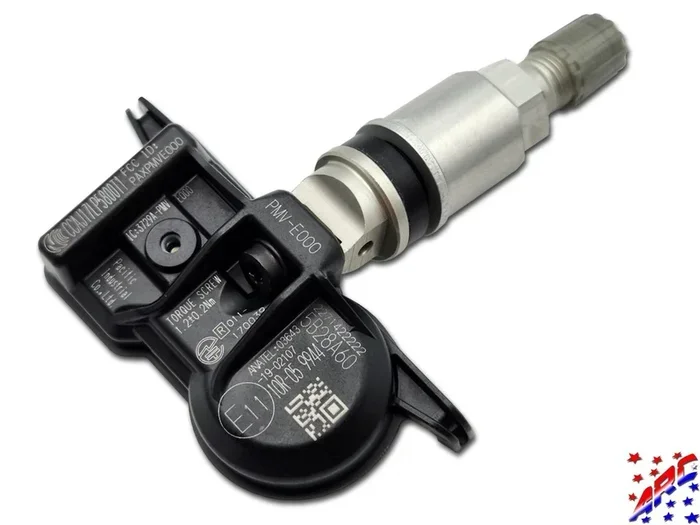
Direct TPMS sensors are small devices mounted inside each tire, usually attached to the valve stem. Each sensor measures the actual air pressure inside the tire and sends a wireless signal to your car’s computer. If the pressure drops by 25% or more below the recommended level, the TPMS warning light illuminates on your dashboard.
Most Toyota models from 2008 onward use direct TPMS. These sensors have a small battery inside that typically lasts between 5 and 10 years. When the battery dies, the sensor must be replaced entirely. This is where the programming question comes in.
Indirect TPMS Systems
Indirect TPMS does not use pressure sensors inside the tires. Instead, it relies on the wheel speed sensors that are already part of your anti-lock braking system. When a tire is underinflated, its rolling diameter changes slightly, which affects how fast it rotates. The car’s computer detects this difference and triggers the warning light.
Some older Toyota models and base trims use indirect TPMS. These systems generally do not require programming when a tire is serviced. However, they may need recalibration after tire rotations or replacements.
Do Toyota TPMS Sensors Need Programming?
This is the question at the heart of this guide. The short answer is: sometimes yes, sometimes no. Let us break it down.
When Programming Is Required
On many Toyota models, replacing a TPMS sensor requires a programming or relearn procedure. This is especially true for direct TPMS systems. When you install a new sensor, the car’s computer does not automatically know it is there. You must teach the system to recognize the new sensor’s unique ID.
Here are situations where programming is typically required:
- You have replaced one or more OEM TPMS sensors with new ones.
- You have switched from OEM sensors to aftermarket sensors.
- You have rotated your tires and the sensors moved to different positions.
- You have installed a new set of wheels with TPMS sensors already mounted.
The programming process varies by Toyota model and year. Some vehicles require a special TPMS reset tool that connects to the OBD-II port under your steering column. Others allow you to perform a relearn procedure using the steering wheel controls.
When Programming Is Not Required
On certain newer Toyota models, the system auto-learns new sensors. If you replace a sensor and drive the car for a few minutes at highway speed, the system may automatically register the new sensor. Some Toyota models also have a simple reset button or steering wheel menu option that does not involve any programming at all.
If you are unsure, the best place to start is your car owner manual. You can also download your car manual online if you have lost yours. The manual will tell you exactly what type of TPMS your Toyota uses and how to reset or reprogram it.
Direct TPMS vs Indirect TPMS Programming
Understanding the difference between these two systems helps clarify the programming question. Let us compare them side by side.
| Feature | Direct TPMS | Indirect TPMS |
|---|---|---|
| Sensors inside tires | Yes | No |
| Measures actual pressure | Yes | No |
| Programming after replacement | Usually required | Rarely required |
| Battery replacement needed | Yes, every 5-10 years | No |
| Accuracy | High | Moderate |
| Common on Toyota models | 2008 and newer | Older and base models |
As you can see, direct TPMS sensors are more common on modern Toyotas and almost always require some form of programming or relearn after replacement. Indirect systems are simpler and generally do not need programming.
How to Program Toyota TPMS Sensors
If your Toyota requires programming after a sensor replacement, you have a few options. Let us go through them.
Option 1: Visit a Toyota Dealership
The most reliable way to program your Toyota TPMS sensors is to visit a certified Toyota dealership. Technicians there have the official Toyota diagnostic tools, such as the Toyota Techstream software, which can program sensors with precision. They also have access to Toyota-specific sensor databases that ensure compatibility.
The cost for programming at a dealership typically ranges from $50 to $150, depending on your location and the number of sensors being programmed. Many dealerships will include programming in the cost of sensor replacement if you purchase the sensors from them.
Option 2: Use an Independent Auto Shop
Independent shops and tire centers often have professional-grade TPMS programming tools as well. Places like Jiffy Lube and other quick-service shops may offer TPMS programming as part of a tire service package. Always call ahead to confirm they can program your specific Toyota model.
Option 3: DIY Programming
Some Toyota owners with mechanical experience choose to program TPMS sensors themselves. You will need an OBD-II TPMS tool, which you can purchase for $30 to $100 online. These tools connect to your car’s OBD-II port and walk you through the relearn process.
Before attempting a DIY approach, make sure you have the correct sensor IDs for your new sensors. You can usually find these on the sensor packaging or by reading the old sensors with your TPMS tool. Always refer to your vehicle manual for the specific relearn procedure for your Toyota model.
TPMS Sensor Replacement: When and Why
Not every TPMS issue requires programming. Sometimes the sensor simply needs to be replaced. Here are the most common reasons you might need a new Toyota TPMS sensor.
Dead Sensor Battery
Every direct TPMS sensor has a small battery that powers the transmitter. These batteries are not user-replaceable in most cases. When the battery dies, the entire sensor must be replaced. A dead battery typically triggers a intermittent TPMS warning or a message on your dashboard that says “TPMS Service Required.”
Physical Damage
TPMS sensors can be damaged by road hazards, potholes, or corrosion. If you have recently had a tire repaired or replaced and the sensor was not handled properly, it may stop working. In these cases, replacement is the only solution.
Aftermarket Sensor Compatibility
If you have upgraded to aftermarket wheels or tires, you may need aftermarket TPMS sensors. These sensors often come pre-programmed for universal compatibility, but some still require programming to match your Toyota’s system.
TPMS Sensor Programming Cost Breakdown
Cost is a major concern for most Toyota owners. Here is a realistic breakdown of what you can expect to pay for TPMS programming and replacement.
OEM Sensor Replacement Cost
Genuine Toyota TPMS sensors typically cost between $50 and $100 per sensor. If you need all four replaced, you could pay $200 to $400 for parts alone. Programming at a dealership may add $50 to $100 to the total.
Aftermarket Sensor Replacement Cost
Aftermarket TPMS sensors are more affordable, usually ranging from $25 to $75 per sensor. Some aftermarket sensors come with programming already completed, which can save you an additional service fee.
Total Cost Comparison
| Scenario | Parts Cost | Programming Cost | Total Estimate |
|---|---|---|---|
| One OEM sensor + programming | $50-$100 | $50-$100 | $100-$200 |
| Four OEM sensors + programming | $200-$400 | $50-$100 | $250-$500 |
| One aftermarket sensor | $25-$75 | $0-$50 | $25-$125 |
| Four aftermarket sensors | $100-$300 | $0-$50 | $100-$350 |
As you can see, aftermarket sensors can save you a significant amount of money. However, always make sure the aftermarket sensors are compatible with your Toyota model. Some older Toyota systems may not recognize certain aftermarket sensors without additional programming.
Common TPMS Mistakes Toyota Owners Make
Even experienced car owners can make mistakes when dealing with TPMS sensors. Here are the most common ones to avoid.
Ignoring the Warning Light
The biggest mistake is simply ignoring the TPMS warning light. A lit TPMS light means your tire pressure is either too low or too high. Driving on improperly inflated tires reduces fuel efficiency, causes uneven tire wear, and increases the risk of a blowout. If you see the light, check your tire pressure as soon as possible.
Assuming All Sensors Are the Same
Not all TPMS sensors are created equal. Toyota uses specific sensor types and frequencies for different models. Installing the wrong sensor can lead to compatibility issues, error messages, or a warning light that never goes away. Always verify the correct sensor part number for your specific Toyota model and year.
Skipping the Relearn Procedure
After replacing a TPMS sensor, some owners simply drive away and assume the system will sort itself out. On most Toyotas, this is not the case. Skipping the relearn procedure can result in a persistent warning light, even with a brand-new sensor installed.
Confusing TPMS with Tire Balance
A TPMS warning light is not always about pressure. Sometimes it is triggered by a tire balance issue or a problem with the wheel speed sensor. Before replacing expensive sensors, have a professional diagnose the actual cause. You can visit a shop that offers diagnostic services to pinpoint the real issue.
Expert Tips for Toyota TPMS Maintenance
Keeping your TPMS in good shape does not have to be complicated. Follow these expert tips to avoid surprises.
- Check your tire pressure monthly. A simple manual check with a tire gauge can catch slow leaks before the TPMS light comes on.
- Replace sensor batteries proactively. If your Toyota is 7+ years old, consider having the sensor batteries tested at your next tire service. Preventing a dead battery is much cheaper than dealing with a warning light on the road.
- Keep your tire pressure at the factory spec. You can find the recommended pressure on the sticker inside your driver’s door jamb or in your vehicle manual.
- Reset your TPMS after every tire service. Whether you have rotated tires, changed oil, or replaced a sensor, always reset the system to ensure accurate readings.
- Use the correct sensor type for your Toyota. OEM sensors are the safest bet for compatibility, but quality aftermarket sensors from reputable brands work well too.
Final Thoughts on Toyota TPMS Sensors
So, do Toyota TPMS sensors need programming? The answer depends on your specific vehicle, the type of TPMS system you have, and whether you are replacing or just resetting sensors. Direct TPMS sensors on most modern Toyotas will require a programming or relearn procedure after replacement. Indirect systems and some newer Toyota models may not need any programming at all.
The most important thing is to not ignore your TPMS warning light. Whether it is a dead sensor battery, a low tire, or a programming issue, addressing the problem promptly keeps you safe on the road and protects your tires from premature wear.
If you are ever unsure about your Toyota TPMS sensors, your best resources are your vehicle manual, a trusted Toyota dealership, or a qualified auto shop. Taking a proactive approach to tire pressure maintenance and sensor care will keep your Toyota running safely for miles to come.
Remember, proper tire care is one of the simplest and most cost-effective ways to maintain your vehicle. A few minutes of attention to your tire pressure monitoring system can prevent costly repairs, improve fuel economy, and keep you and your passengers safe on every drive.
Frequently Asked Questions
How do I know if my Toyota TPMS sensor needs programming or replacement?
If your TPMS light stays on after checking and correcting your tire pressure, the sensor itself may be faulty. If you have recently replaced a sensor and the light persists, programming is likely needed. A diagnostic scan at a Toyota dealership or auto shop can tell you exactly what is wrong with your system.
Can I drive my Toyota with the TPMS light on?
You can drive short distances with the TPMS light on, but it is not recommended. The light means your tire pressure is outside the safe range, which can affect handling, braking, and tire life. Check your tire pressure immediately and address the issue before driving long distances.
How long do Toyota TPMS sensors last?
Most Toyota TPMS sensors last between 5 and 10 years, depending on driving conditions and usage. The internal battery is the limiting factor, and once it dies, the entire sensor must be replaced. If your Toyota is over 7 years old, it is a good idea to have the sensors inspected regularly.
Are aftermarket TPMS sensors worth it for Toyota vehicles?
Yes, aftermarket TPMS sensors can save you money and work well on most Toyota models. Just make sure the sensors are compatible with your specific Toyota year and trim. Some aftermarket sensors come pre-programmed, while others may still require a relearn procedure after installation.
What is the difference between a TPMS reset and a TPMS relearn?
A TPMS reset clears the warning light and resets the system’s baseline. A TPMS relearn teaches the car’s computer to recognize new or moved sensors. A reset is typically done after inflating tires, while a relearn is needed after sensor replacement or tire rotation.
Where can I get my Toyota TPMS sensors programmed near me?
You can get TPMS programming done at a Toyota dealership, an independent auto shop, or a tire center. Many quick-service locations like Jiffy Lube offer TPMS services. You can also DIY with an OBD-II TPMS tool if you are comfortable working on your vehicle.