Are There Any Years of Tacoma to Avoid Without Doubt
Not all Toyota Tacoma years are created equal. Some model years come with known issues that can cost you thousands in repairs, while others deliver the legendary reliability the Tacoma is famous for. In this guide, we break down the best and worst years so you can make a confident purchase decision.
Are there any years of Tacoma to avoid? The short answer is yes, but the full story is more nuanced than you might expect. The Toyota Tacoma has been one of the most popular midsize trucks on the road for decades. Its reputation for durability and off-road capability makes it a top choice for buyers everywhere. But like any vehicle, not every model year is created equal. Some years come with known issues that can turn a great truck into a money pit. Others are practically bulletproof. In this guide, we walk through every generation, highlight the years to think twice about, and help you find the right Tacoma for your needs. Whether you are shopping for a first-generation classic or a brand-new third-gen model, this guide has you covered.
The Toyota Tacoma has earned its place as one of the most reliable trucks on the market. But reliability varies from year to year. Some model years have production issues, design flaws, or recall campaigns that affect long-term ownership. Understanding these differences is the key to making a smart purchase. This article breaks down each Tacoma generation, discusses common problems, and gives you actionable advice. We also include tips for evaluating any used Tacoma you might be considering. By the end, you will know exactly what to look for and which years deserve a pass.
Key Takeaways
- First-generation Tacomas (1995-2004): Solid and simple, but early models have rust and transmission concerns you should know about.
- Second-generation Tacomas (2005-2015): The sweet spot for many buyers, though 2005-2006 have some transmission issues worth noting.
- Third-generation Tacomas (2016+): Modern and refined, but watch for recall campaigns and early build quality issues.
- Recalls matter: Always check for open recalls before buying any used Tacoma, regardless of the year.
- Maintenance history is king: A well-maintained Tacoma from any year will outperform a neglected one from the “best” year.
- Resale value is strong across the board: The Tacoma holds value better than almost any other truck on the market.
- Get a pre-purchase inspection: This single step can save you from buying a truck with hidden problems.
📑 Table of Contents
Understanding Tacoma Generations
The Toyota Tacoma has gone through several generations since its debut. Each generation brought updates in design, technology, and capability. But they also introduced new challenges. Knowing the generations helps you understand why certain years have issues and others do not. Here is a quick overview of the Tacoma generations you will encounter on the used market.
First Generation (1995-2004)
The first-generation Tacoma set the standard for midsize trucks. It was simple, tough, and easy to work on. These trucks are still popular today because of their straightforward design. The 2.4-liter four-cylinder and the 3.4-liter V6 were the main engines. The V6 became the favorite among enthusiasts. However, early first-generation models from 1995 to 1997 had some rust issues. The frame and body panels were prone to corrosion in northern climates. Transmission reliability was also a concern in certain years. The A750F automatic transmission in early models had a tendency to slip after high mileage. Overall, the first generation is solid but requires careful inspection.
Second Generation (2005-2015)
The second-generation Tacoma brought major improvements in comfort and capability. The design was more refined, and the truck gained a lot of popularity. This generation is often considered the best Tacoma ever made. The 2.7-liter four-cylinder and the 4.0-liter V6 were the available engines. The 4.0-liter V6 delivered strong performance and lasted well beyond 200,000 miles. However, the 2005 and 2006 model years had transmission complaints. Some owners reported rough shifting and premature wear in the automatic transmission. The 2007-2008 models also had some electrical issues. Power window regulators and window motors failed more often than expected. Despite these issues, the second generation remains one of the most reliable Tacoma generations overall.
Third Generation (2016-Present)
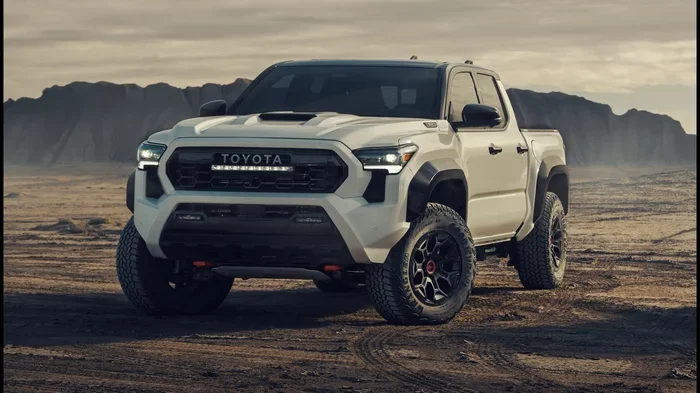
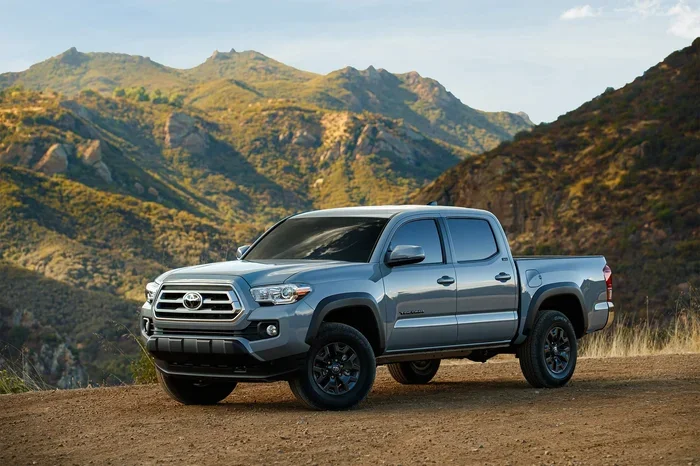
The third-generation Tacoma is the most modern version of this iconic truck. It features a completely redesigned interior, updated safety tech, and a new 3.5-liter V6 engine. The 2016 model year was the launch year, which means it had some early teething issues. Some owners reported problems with the infotainment system and software glitches. The 2017 and 2018 models addressed many of these issues. Toyota also issued several recall campaigns for the third generation. These recalls covered everything from brake software to fuel pump concerns. The 2020 and 2021 model years are generally considered the most refined. If you are looking at a newer Tacoma, these years are your safest bet.
Years of Tacoma to Avoid
So which years should you think twice about? No Tacoma year is a total loss, but some come with more headaches than others. Here are the years and model ranges that deserve extra scrutiny.
1995-1997 First Generation
The earliest Tacomas are charming and simple, but they have drawbacks. Rust is the biggest enemy of these trucks. If you live in a cold climate with road salt, these years are especially risky. The frame can corrode from the inside out, which is expensive to repair. The automatic transmission in these early years also had reliability concerns. The A750F transmission was not built for heavy towing loads, and it showed wear earlier than later models. If you love the first-gen look, look for a manual transmission or a V6 model with lower mileage. Always get a rust inspection before buying any early Tacoma.
2005-2006 Second Generation
The 2005 and 2006 Tacoma model years started the second generation on a slightly rough note. Transmission issues were the primary concern. The automatic transmission in these years had a higher rate of premature failure compared to later models. Owners reported slipping, harsh shifting, and complete transmission failure as early as 80,000 miles. The 2005 model also had some issues with the rear differential. If you are considering a 2005 or 2006 Tacoma, get a full transmission diagnostic before purchase. Ask for service records and check whether the transmission fluid was changed regularly. A well-maintained 2005 or 2006 can still be a good truck, but the risk is higher than other years.
2016 Model Year (Third Generation Launch)
The 2016 Tacoma was the first year of the third generation. Launch year vehicles often come with bugs, and the 2016 Tacoma was no exception. Software issues affected the infotainment system and the backup camera. Some owners experienced intermittent stalling and engine shutdowns. Toyota addressed many of these issues through recalls and software updates. However, not all 2016 trucks received the fixes. If you are considering a 2016 Tacoma, make sure all recall work has been completed. Check the Toyota recall database using the VIN before making any purchase. The 2016 year is not a bad truck, but it requires extra diligence.
Common Tacoma Problems by Category
Understanding common problems helps you evaluate any Tacoma more effectively. Here are the most frequently reported issues across all Tacoma generations.
Transmission Issues
Transmission problems are the most common complaint among Tacoma owners. The early second-generation automatics are the most affected. The A750F and later RA60 transmissions had issues with internal wear. Symptoms include rough shifting, slipping, and delayed engagement. Manual transmissions are generally more reliable, but they are not immune to problems. The second-generation manual gearboxes can develop clutch wear at high mileage. Regular fluid changes are the best way to prevent transmission issues. If you are buying a used automatic Tacoma, always check the transmission fluid condition. Dark or burnt-smelling fluid is a red flag.
Rust and Corrosion
Rust is a serious concern for older Tacoma models. The first-generation Tacomas are especially vulnerable. The frame rails, rocker panels, and rear wheel wells are the most common rust spots. Rust can weaken the structural integrity of the truck, which is a safety issue. If you are buying a used Tacoma from a northern state, inspect the undercarriage carefully. Look for bubbling paint, rust holes, and any signs of repair. A Tacoma with a rusted frame is not safe to drive. Always get a professional inspection if you suspect rust damage.
Electrical Gremlins
Electrical issues become more common as Tacomas age. The second-generation models from 2007-2008 had problems with power window regulators and window motors. The third-generation models had infotainment software bugs and sensor failures. These issues are usually minor but can be frustrating. Window regulators are an easy and affordable fix. Software issues can often be resolved with a dealer visit or update. When buying a used Tacoma, test every electrical feature before you drive off. Check the headlights, power windows, locks, and infotainment system.
Engine Reliability
The Tacoma engines are generally very reliable. The 3.4-liter V6 in first-generation models is known for longevity. The 4.0-liter V6 in second-generation models is one of Toyota’s best engines ever made. It regularly lasts 300,000 miles with proper maintenance. The 2.7-liter four-cylinder is adequate but not as powerful. The 3.5-liter V6 in third-generation models is a modern powerhouse. It delivers excellent fuel economy and performance. Engine problems are rare across all Tacoma generations. The most common engine issue is oil consumption in high-mileage V6 models. Regular oil changes and using the recommended oil weight prevent most problems.
Best Years of Tacoma to Buy
Now that you know which years to avoid, let us talk about the best Tacoma years. These model ranges offer the best combination of reliability, features, and value.
2007-2014 Second Generation
The 2007-2014 model years are widely considered the best Tacoma years. The 4.0-liter V6 is bulletproof in these models. The transmission issues from the 2005-2006 years were largely resolved. These trucks offer excellent capability and comfort. The TRD trim levels add off-road features that are highly sought after. The 2012 and 2013 model years are particularly well-regarded. They strike a perfect balance between capability and daily drivability. If you are shopping for a used Tacoma, these years should be at the top of your list.
2018-2021 Third Generation
The third-generation Tacoma from 2018 onward is the most refined version yet. Toyota fixed most of the launch-year issues from the 2016 model. The 3.5-liter V6 delivers strong performance and good fuel economy. The interior is modern and user-friendly. Safety features like Toyota Safety Sense are available on later models. The 2020 and 2021 model years also had improved build quality. If you want a new-ish Tacoma with modern tech, these years are your best options. They also hold their value exceptionally well.
How to Evaluate a Used Tacoma
Buying a used Tacoma requires some due diligence. Even the best years can have hidden problems if the truck was not well maintained. Here are the steps you should take before making a purchase.
Check the VIN for Recalls
Always use the VIN to check for open recalls. Toyota maintains a comprehensive recall database on their website. Enter the VIN and review any outstanding recall campaigns. Recalls are free to repair at any Toyota dealer. Never buy a Tacoma with an unresolved recall. It is both a safety risk and a legal issue in many states.
Get a Pre-Purchase Inspection
A pre-purchase inspection is the single best investment you can make. Have a trusted mechanic inspect the truck before you buy. They will check the transmission, engine, suspension, brakes, and undercarriage for rust. A pre-purchase inspection typically costs between $100 and $200. That is a small price to pay compared to the cost of unexpected repairs. If the seller refuses an inspection, that is a red flag in itself.
Review Maintenance Records
Maintenance records tell you a lot about how a truck was treated. Look for evidence of regular oil changes, transmission fluid changes, and brake inspections. A Tacoma with full service records is more likely to be reliable. If the records are missing, ask the seller about the truck’s history. A honest owner will share what they know. Be cautious of trucks with no documentation at all.
Test Drive Thoroughly
A test drive is your opportunity to feel for any issues. Listen for unusual noises in the transmission, engine, and suspension. Test the brakes for pulling or vibration. Check the steering for any play or noise. Drive on both highway and city roads. Pay attention to how the truck shifts under load. Any roughness or hesitation in the transmission is a concern. Take your time during the test drive and do not rush the process.
Tacoma Resale Value and Long-Term Ownership
One of the biggest advantages of owning a Tacoma is its resale value. The Tacoma consistently ranks as one of the best trucks for holding value. This is true across all generations and model years. Even the years with known issues hold their value well because of the Tacoma’s overall reputation. Here are some factors that affect Tacoma resale value.
Trim Level Matters
The TRD trim levels hold value better than the base models. The TRD Off-Road and TRD Pro are especially sought after. These trims come with upgraded suspension, all-terrain tires, and unique styling. If you are buying a Tacoma to resell later, a TRD trim is a smart choice. The extra upfront cost pays off when it is time to sell.
Mileage vs. Age
Low-mileage Tacomas command premium prices, but high-mileage Tacomas can also be great buys. A 2010 Tacoma with 200,000 miles that was well maintained is often a better purchase than a 2018 Tacoma with 50,000 miles that was neglected. Mileage alone does not determine a truck’s condition. The maintenance history and overall care are more important. A well-kept high-mileage Tacoma can easily last another 100,000 miles with proper care.
Market Demand
The Tacoma is in high demand, which keeps prices strong. Midsize trucks are increasingly popular, and the Tacoma leads the segment. This means you will get a good price when it is time to sell. It also means you may pay a premium when buying. Shop around and compare prices across multiple listings. Patience can save you thousands of dollars.
Expert Tips for Tacoma Buyers
Here are some expert tips to help you make the best Tacoma purchase decision. These insights come from years of experience with the Toyota Tacoma and its owners.
- Always check for recalls before buying. A quick VIN lookup can save you from expensive repairs and safety issues.
- Prioritize maintenance history over model year. A well-maintained Tacoma from a less ideal year will outperform a neglected truck from the best year.
- Do not overlook the manual transmission. Manual Tacomas are often more reliable and cheaper to maintain than automatics.
- Inspect the undercarriage for rust. Rust is the silent killer of older trucks. A thorough undercarriage inspection is essential.
- Consider a third-generation model for modern features. The 2018+ Tacomas offer the best technology and safety equipment.
- Budget for maintenance. Even the most reliable Tacoma needs regular upkeep. Factor maintenance costs into your budget before buying.
If you are comparing the Tacoma to other trucks, consider checking out our guide on are 2013 Ford F 150 trucks reliable to see how the F-150 stacks up in terms of year-by-year reliability. Understanding how different trucks compare helps you make a more informed decision. You might also want to check are there any recalls on 2016 Ford F 150 for a deeper look at how recall campaigns affect truck ownership. Both the Tacoma and F-150 are popular trucks, and understanding their reliability profiles side by side gives you a bigger picture of what to expect from your next vehicle.
When you are ready to sell your Tacoma or trade it in, you can find out its current market value by visiting our guide on how do I find out how much my car is worth to sell. Knowing the fair market value helps you negotiate confidently and avoid overpaying for any truck, whether it is a Tacoma or another model.
Conclusion
The Toyota Tacoma is one of the best trucks you can buy, but not every year is equally great. The 2005-2006 second-generation models and the 2016 launch year deserve extra scrutiny. Early first-generation Tacomas also have rust and transmission concerns. However, the 2007-2014 and 2018+ model years are excellent choices that deliver the reliability and capability the Tacoma is known for. Always do your homework before buying. Check for recalls, get a pre-purchase inspection, and review the maintenance history. These simple steps will protect you from expensive surprises. The right Tacoma year, combined with proper care, will give you a truck that lasts for decades. Take your time, do your research, and you will find the perfect Tacoma for your needs.
Remember, the best Tacoma is the one that has been well maintained regardless of the model year. Do not let a few problematic years scare you away from this legendary truck. With the right knowledge and a little patience, you can find a Tacoma that will serve you well for many miles to come.
Frequently Asked Questions
Which year of Tacoma has the most problems?
The 2005 and 2006 model years are widely considered the most problematic. These second-generation Tacomas had higher rates of transmission failure and shifting issues compared to other years. The 2016 launch year also had some software and electrical bugs that needed addressing through recalls.
Is it safe to buy a first-generation Tacoma?
Yes, but with caution. First-generation Tacomas from 1995 to 1997 are prone to rust and have older transmission designs. If you buy one, get a thorough rust inspection and a transmission diagnostic. Later first-generation models from 2000 onward are generally more reliable and a better choice.
What is the most reliable Tacoma generation?
The second generation from 2007 to 2014 is widely regarded as the most reliable. The 4.0-liter V6 engine in these models is known for exceptional longevity and durability. The transmission issues that affected the 2005-2006 years were largely resolved in the 2007 and later models.
Are third-generation Tacomas worth buying?
Yes, the third-generation Tacomas from 2018 onward are excellent trucks. They offer modern technology, improved safety features, and a refined driving experience. The 3.5-liter V6 engine is powerful and efficient. The 2016 and 2017 model years had some launch-year issues, so the 2018+ models are the better choice.
How can I avoid buying a Tacoma with hidden problems?
The best protection is a pre-purchase inspection by a qualified mechanic. Also check the VIN for open recalls using Toyota’s website. Review the maintenance records thoroughly, and take the truck on a comprehensive test drive. If anything feels off during the test drive, trust your instincts and walk away.
Do Tacoma years matter as much as maintenance history?
Maintenance history matters more than the specific model year. A well-maintained Tacoma from a year with known issues will outperform a neglected truck from the most reliable year. Always prioritize service records and overall condition over the model year alone when making your decision.