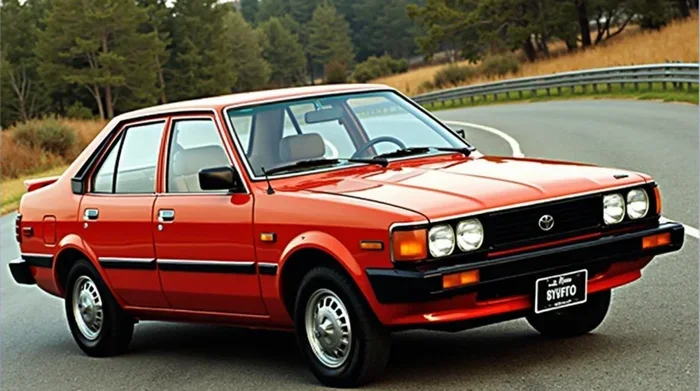
Are Toyota Camrys Reliable Cars That Last for Years
The Toyota Camry is widely regarded as one of the most reliable sedans on the road, with many owners logging over 200,000 miles with minimal issues. Its strong reputation comes from solid engineering, affordable maintenance, and excellent safety ratings. If you want a Toyota Camry reliability breakdown, this guide covers everything you need to know.
The Toyota Camry has been a staple of the American sedan market for decades. Whether you are shopping for a used family car or looking for a dependable daily commuter, the Camry keeps showing up on shortlists. But the real question most buyers ask is simple: are Toyota Camrys reliable?
The short answer is yes. The Toyota Camry has earned its reputation through decades of consistent performance, low repair costs, and strong owner satisfaction. In this guide, we will dig deep into Toyota Camry reliability, covering common problems, maintenance needs, how it compares to rivals, and what you can do to make yours last for years.
Key Takeaways
- Proven Reliability: The Toyota Camry consistently ranks among the most dependable sedans in consumer reports and owner surveys.
- Long Lifespan: With proper care, a Toyota Camry can easily last 200,000 to 300,000 miles or more.
- Affordable Maintenance: Routine upkeep costs are lower than many competing models, making the cost of ownership very reasonable.
- Strong Resale Value: Camrys hold their value well thanks to their reputation for durability and demand in the used car market.
- Few Major Recalls: Compared to many competitors, the Camry has a relatively clean recall history across most generations.
- Fuel Economy: Modern Camrys deliver excellent fuel economy, adding to their appeal for daily drivers and commuters.
📑 Table of Contents
Why the Toyota Camry Has Earned Its Reputation
The Camry is not just another sedan. It is a vehicle that has been refined over multiple generations to become one of the most trusted names in the automotive world. Let us look at why so many drivers count on this car.
A Legacy of Dependability
Toyota built the Camry with a focus on simplicity and durability. The engineering philosophy behind this car is straightforward. Use quality parts, keep the design practical, and avoid unnecessary complexity. This approach has paid off enormously.
Toyota Camry reliability has been documented in countless owner reviews, long-term tests, and industry studies. Many Camry owners report driving their vehicles well past the 200,000-mile mark without major mechanical failures. Some have even pushed past 300,000 miles with only routine maintenance.
What Consumer Reports and J.D. Power Say
Independent rating agencies consistently give the Camry high marks. Consumer Reports frequently names the Camry as a top pick in the midsize sedan category. J.D. Power scores the Camry well for quality and dependability. These rankings are based on real owner feedback and rigorous testing, not marketing claims.
When you see a car earning top scores year after year, it tells you something important about Toyota Camry reliability. The numbers do not lie.
Common Toyota Camry Problems to Watch For
No car is perfect. Even the most dependable vehicles have known issues. Understanding these problems helps you make smarter buying decisions and catch issues early.
Engine and Transmission Concerns
Most Camry engines are rock solid. The 2.5-liter four-cylinder engine found in recent models is known for lasting well beyond 200,000 miles. However, some older generations had specific issues worth noting.
- V6 Engine Oil Consumption: Some older V6 Camrys used more oil than expected. Regular oil level checks help prevent damage.
- Transmission Smoothness: Earlier automatic transmissions in some model years could feel slightly hesitant during shifts. Later models improved significantly.
- Timing Chain Wear: On higher-mileage Camrys, the timing chain may stretch over time. This is a known issue on certain generations but is manageable with regular inspections.
Electrical and Interior Issues
As the Camry has evolved, some electrical quirks have appeared. These are typically minor but can be annoying.
- Infotainment Freezes: Some owners report the touchscreen freezing or restarting occasionally. A software update usually fixes this.
- Key Fob Battery Drain: If you notice your key fob battery draining faster than expected, it may be a sign of a weak battery or a fob that stays active too close to the vehicle.
- Interior Material Durability: Lower trims may show wear on seat fabric and dashboard surfaces earlier than expected. Upgrading to higher trims helps.
Recalls and Safety Notices
Toyota has issued recalls on various Camry generations over the years. These recalls are part of why it is important to check the vehicle history before buying any used car. Toyota handles recalls promptly and at no cost to the owner. Staying on top of recall notices ensures your Toyota Camry reliability stays intact.
For comparison, some competitors like the Ford F-150 have had extensive recall histories across different years. You can check Ford F-150 recall history to see how it compares to Toyota’s track record.
Toyota Camry Maintenance Schedule and Costs
One of the biggest reasons the Camry is so reliable is that it is easy and affordable to maintain. Routine maintenance keeps the car running smoothly and prevents expensive repairs down the road.
Routine Maintenance Tasks
Here is a simple maintenance checklist for Camry owners:
- Oil Changes: Change oil every 5,000 to 7,500 miles using Toyota-recommended grade oil.
- Tire Rotations: Rotate tires every 5,000 to 7,500 miles to ensure even wear.
- Brake Inspections: Check brake pads and rotors every 15,000 miles.
- Fluid Flushes: Flush coolant, transmission fluid, and brake fluid according to the owner’s manual schedule.
- Air Filter Replacement: Replace the engine air filter every 15,000 to 30,000 miles.
Estimated Repair Costs by Mileage
The table below shows typical maintenance and repair costs at different mileage milestones for a Toyota Camry:
| Mileage | Typical Maintenance | Estimated Cost |
|---|---|---|
| 30,000 miles | Oil change, tire rotation, brake inspection | $200 – $400 |
| 60,000 miles | Transmission fluid flush, brake pads, air filter | $400 – $800 |
| 100,000 miles | Spark plugs, coolant flush, brake service | $500 – $1,000 |
| 150,000 miles | Major service, timing chain inspection, suspension components | $800 – $1,500 |
| 200,000+ miles | Full inspection, wear items replacement | $1,000 – $2,000 per year |
Compare this to the cost of ownership for many competing sedans, and the Camry comes out ahead. Even if you are comparing it to a Tesla, keep in mind that Tesla maintenance involves specialized service centers and unique parts like run-flat tires that can be expensive to replace.
Toyota Camry vs. Competitors in Reliability
The midsize sedan market is competitive. Honda Accord, Nissan Altima, Hyundai Sonata, and Ford Fusion all vie for buyer attention. But how does the Camry stack up?
Head-to-Head Comparison
| Vehicle | Reliability Rating | Avg. Annual Repair Cost | Expected Lifespan |
|---|---|---|---|
| Toyota Camry | Excellent | $400 – $500 | 200,000 – 300,000 miles |
| Honda Accord | Excellent | $450 – $550 | 200,000 – 280,000 miles |
| Nissan Altima | Good | $500 – $650 | 150,000 – 220,000 miles |
| Ford Fusion | Good | $550 – $700 | 150,000 – 200,000 miles |
| Hyundai Sonata | Good | $450 – $600 | 150,000 – 220,000 miles |
The Camry edges out many competitors in both reliability ratings and long-term ownership costs. Its reputation for Toyota Camry reliability is not just marketing hype. It is backed by decades of real-world data.
If you are comparing the Camry to trucks or SUVs, keep in mind that different vehicle types serve different purposes. For example, if you are considering a Ford F-150, you might want to check whether 2013 Ford F-150 trucks are reliable to compare reliability across vehicle categories.
How to Make Your Toyota Camry Last for Years
Owning a Camry is one thing. Making it last for decades is another. Here are proven strategies from long-term Camry owners and automotive experts.
Driving Habits That Extend Lifespan
How you drive matters more than most people realize.
- Warm Up the Engine: Let the car idle for 30 seconds to a minute before driving, especially in cold weather.
- Avoid Aggressive Acceleration: Smooth driving reduces stress on the engine, transmission, and brakes.
- Do Not Overload the Vehicle: Stay within the manufacturer’s recommended weight limits.
- Use the Right Fuel: Stick with the octane rating recommended in your owner’s manual.
Maintenance Tips from Long-Term Owners
Experienced Camry owners share a few secrets.
- Keep Records: Document every service and repair. This helps track patterns and proves maintenance history when selling.
- Address Small Issues Early: A small noise or warning light today can become a big repair bill tomorrow.
- Wash and Protect the Exterior: Regular washing prevents rust and preserves the body panels.
- Check Fluid Levels Monthly: Oil, coolant, brake fluid, and transmission fluid should be checked regularly.
- Use Genuine Toyota Parts: Aftermarket parts vary in quality. Genuine parts ensure proper fit and function.
The Role of Regular Inspections
Even if your Camry seems fine, regular inspections catch problems before they grow. A trusted mechanic can spot worn brake pads, leaking seals, and early signs of transmission wear during a routine check. This proactive approach is the foundation of Toyota Camry reliability at any mileage.
Final Verdict: Are Toyota Camrys Worth Buying?
After looking at the data, owner experiences, and expert reviews, the answer is clear. The Toyota Camry is one of the most reliable sedans you can buy. It offers a winning combination of durability, low maintenance costs, strong resale value, and excellent fuel economy.
Whether you are buying a used 2012 model or a brand-new 2024 Camry, you are getting a car that has been refined over decades to deliver a dependable driving experience. The Toyota Camry reliability track record speaks for itself.
If you are still on the fence, consider this: thousands of Camry owners reach the 200,000-mile mark and keep driving without major issues. That kind of longevity does not happen by accident. It happens because of smart engineering and a design philosophy focused on simplicity and durability.
The Camry may not be the most exciting sedan on the road. But when it comes to Toyota Camry reliability, it is hard to beat.
In summary, the Toyota Camry remains a top choice for anyone who values dependability. Its strong performance in reliability ratings, affordable maintenance costs, and impressive longevity make it a smart investment for budget-conscious buyers and families alike. If you want a car that will serve you well for years, the Camry deserves a serious look.
Frequently Asked Questions
How long does a Toyota Camry typically last?
With proper maintenance, a Toyota Camry can last 200,000 to 300,000 miles or more. Many owners report reaching the 250,000-mile mark without major engine or transmission failures. Regular oil changes and timely repairs play a huge role in extending the Camry’s lifespan.
What are the most common Toyota Camry problems?
The most common issues include oil consumption on older V6 models, occasional infotainment glitches, and timing chain stretch on higher-mileage vehicles. Most of these problems are manageable and do not affect the overall Toyota Camry reliability rating significantly.
Is the Toyota Camry expensive to maintain?
No, the Camry is one of the more affordable sedans to maintain. Annual maintenance costs typically range from $400 to $600, which is below the industry average. Parts are widely available and reasonably priced, and the car’s simple design makes repairs straightforward.
Which Camry model years are the most reliable?
Model years like 2012, 2013, 2014, 2018, and 2020 are frequently cited as some of the most reliable Camry generations. These years benefited from refined engines, improved transmissions, and fewer reported issues. Always check the specific vehicle’s history before purchasing any used model.
How does the Toyota Camry compare to the Honda Accord in reliability?
Both the Camry and Accord are excellent in reliability. Consumer Reports and J.D. Power rate them very similarly. The Camry tends to have slightly lower repair costs, while the Accord is often praised for its driving dynamics. Either is a great choice for a dependable sedan.
Are newer Toyota Camrys better than older ones?
Newer Camrys benefit from advanced safety features, improved fuel economy, and updated technology. However, older models like the 2007 through 2011 Camrys are also known for exceptional durability. The key to Toyota Camry reliability at any age is consistent maintenance and careful driving habits.