Are Old Toyota Corollas Reliable and Worth the Money
Old Toyota Corollas are widely regarded as some of the most dependable vehicles on the road. Their simple engineering, affordable maintenance, and impressive longevity make them a smart buy for anyone seeking a reliable used car. Whether you are looking for a daily driver or a first car, a classic Toyota Corolla delivers outstanding value without breaking the bank.
When you are shopping for a used car, few names come up as often as the Toyota Corolla. This little sedan has been a staple on roads around the world for decades. People love it for a reason. But the big question remains: are old Toyota Corollas reliable?
The short answer is a resounding yes. Old Toyota Corollas have earned a reputation for being some of the toughest, most dependable cars ever made. Whether you are looking at a 1990s model or an early 2000s version, you are getting a vehicle built to last. But reliability is only part of the story. There is much more to consider before pulling the trigger on a used Toyota Corolla.
In this guide, we will cover everything you need to know. We will talk about Toyota Corolla dependability, maintenance costs, common problems, fuel economy, and whether these cars are truly worth your hard-earned money. By the end, you will know exactly what to expect from an older Corolla and whether it fits your needs.
Let us dive in. If you have ever wondered about buying a classic Toyota Corolla or a high-mileage example, this article is for you.
Key Takeaways
- Proven Reliability: Old Toyota Corollas consistently rank among the most dependable cars ever built, with many models surpassing 200,000 miles with minimal issues.
- Low Maintenance Costs: Parts are affordable and widely available, making repairs simple and budget-friendly compared to many competitors.
- Excellent Fuel Economy: Older Corolla models still deliver impressive gas mileage, saving you money at the pump every week.
- Strong Resale Value: Even aging Corollas hold their value remarkably well in the used car market.
- Common Issues Are Manageable: While no car is perfect, the typical problems found in older Corollas are easy and inexpensive to fix.
- Great First Car: Their durability and simplicity make old Corollas an ideal choice for new drivers and budget-conscious buyers.
- Worth the Money: When purchased at the right price, an old Toyota Corolla offers one of the best returns on investment in the automotive world.
📑 Table of Contents
- Why Old Toyota Corollas Have Such a Strong Reputation
- Toyota Corolla Longevity: How Many Miles Can They Last?
- Toyota Corolla Maintenance Costs: Are They Affordable?
- Toyota Corolla Common Problems: What to Watch For
- Fuel Economy and Daily Driving Practicality
- Are Old Toyota Corollas Worth the Money?
- Which Old Toyota Corolla Models Should You Consider?
- Tips for Buying an Old Toyota Corolla
- The Bottom Line: Are Old Toyota Corollas Worth It?
Why Old Toyota Corollas Have Such a Strong Reputation
The Toyota Corolla is the best-selling car nameplate in history. That is not an exaggeration. For decades, Toyota has built this car with a simple philosophy: make it work, make it last, and keep it affordable. The result is a vehicle that has won the trust of millions of drivers worldwide.
What sets the old Corolla apart from many competitors? It comes down to engineering. Toyota designed these cars with simplicity in mind. Fewer complex parts mean fewer things that can go wrong. The engines are straightforward. The transmissions are proven. Even the electronics in older models were basic by design.
Compare this to some other brands, and the difference is clear. For instance, if you have ever wondered whether 2013 Ford F 150 trucks are reliable, you know that even popular trucks can have their quirks. The Corolla, on the other hand, was designed from day one to be a low-maintenance daily driver. That core philosophy has stayed consistent across generations.
Toyota also built these cars with quality materials that could handle everyday wear and tear. The suspension components are sturdy. The body panels are thick. The internal parts are over-engineered for durability. All of this adds up to a car that keeps running long after other vehicles have been scrapped.
Toyota Corolla Longevity: How Many Miles Can They Last?
One of the biggest reasons people buy old Toyota Corollas is their incredible longevity. These cars are not just reliable for a few years. They can last for decades with proper care.
The 200,000-Mile Milestone
It is not unusual to find a Toyota Corolla with 200,000 miles or more on the odometer. Many owners report pushing past the 250,000-mile mark without major engine or transmission failures. This kind of mileage is rare in the automotive world and speaks volumes about the design and build quality.
Several factors contribute to this impressive lifespan:
- Simple Engine Design: The engines in older Corollas are not loaded with turbo chargers or complex direct injection systems. They are basic, proven designs that are easy to maintain.
- Regular Maintenance Friendly: Oil changes, brake pads, and timing belts are all straightforward to service. You do not need a specialist to keep these cars running.
- Overbuilt Components: Toyota often uses parts that are stronger than necessary. This over-engineering gives components a longer service life.
- Cool Running Temperatures: Older Corollas run relatively cool, which reduces stress on the engine and internal parts.
When you compare this to the average lifespan of a modern car, which sits around 150,000 to 180,000 miles, the Corolla clearly stands out. A well-maintained high mileage Toyota Corolla is not a rarity. It is the norm.
Real-World Examples of Corolla Longevity
There are countless stories of Corolla owners reaching extraordinary mileage. Some reports mention vehicles with over 300,000 miles still running strong. These cars were not pampered either. They were driven daily, used for commuting, and sometimes even served as work vehicles. Yet they kept going.
This kind of durability is a huge factor when considering whether an old Corolla is worth the money. When a car can last 20 or 30 years, the cost-per-year of ownership drops dramatically. Even if you buy one with 100,000 miles, you may get another 100,000 miles out of it with basic care.
Toyota Corolla Maintenance Costs: Are They Affordable?
One of the biggest concerns for buyers of older cars is the cost of repairs and upkeep. The good news is that Toyota Corollas are among the cheapest vehicles to maintain on the road.
Parts Availability and Cost
Because the Corolla has been around for so long, parts are everywhere. You can find OEM and aftermarket components at almost any auto parts store. This availability keeps prices low. Even for older models that are no longer in production, replacement parts remain easy to source.
Common maintenance items like brake pads, oil filters, and spark plugs are inexpensive. A basic oil change might cost you 30 to 50 dollars at a shop, or even less if you do it yourself. Brake jobs on older Corollas are typically straightforward and affordable.
Common Repairs and Their Costs
While old Corollas are reliable, they do need occasional repairs. Here are some of the most common issues and what you can expect to pay:
- Timing Belt Replacement: Around 500 to 800 dollars depending on the model year. This is a critical maintenance item that should not be skipped.
- Brake Rotors and Pads: Typically 200 to 400 dollars for all four corners.
- Water Pump: Usually 300 to 500 dollars including parts and labor.
- Suspension Components: Shock absorbers and struts may cost 200 to 600 dollars per corner.
- Battery Replacement: A standard battery costs around 100 to 150 dollars.
Compare these costs to repairs on other vehicles, and the Corolla is a clear winner. Even if you need a major repair, the costs are generally manageable. This affordability is a big reason why old Toyota Corollas remain popular among budget-conscious buyers.
DIY-Friendly Maintenance
Another advantage of older Corollas is how DIY-friendly they are. If you are handy, you can save a lot of money by doing your own maintenance. Oil changes, air filter replacements, and spark plug swaps are all simple tasks. Even brake pad replacements are manageable for most home mechanics. The simplicity of these cars means there is less to go wrong and easier access to components when work is needed.
Toyota Corolla Common Problems: What to Watch For
No car is perfect, and old Toyota Corollas are no exception. While they are known for reliability, there are some issues that tend to show up as these vehicles age. Knowing what to look for can save you from buying a lemon.
Rust and Corrosion
Rust is the number one enemy of any old car, and Corollas are no exception. Older models, especially those from the 1980s and 1990s, can develop rust on the wheel wells, rocker panels, and undercarriage. Before buying any old Corolla, inspect these areas carefully. Surface rust can be treated, but structural rust is a serious concern.
Transmission Issues
Most older Corollas came with either a manual transmission or a simple automatic. Both are generally reliable. However, some automatic transmissions from certain model years can develop problems around the 100,000 to 150,000-mile range. Symptoms include slipping, rough shifting, or delayed engagement. Regular transmission fluid changes can help prevent these issues.
Engine Oil Consumption
Some older Corolla models, particularly those with higher mileage, may start to consume oil. This is not uncommon in vehicles with many miles on the odometer. Checking the oil level regularly and topping it off is a simple way to manage this issue. If consumption becomes excessive, it may indicate worn valve seals or piston rings.
Electrical Gremlins
Older cars sometimes develop electrical quirks. You might notice flickering lights, a malfunctioning radio, or power window issues. These problems are usually minor and inexpensive to fix. However, they can be annoying and may indicate underlying wiring issues that need attention.
Check Engine Light Triggers
Old Corollas can trigger the check engine light for various reasons. Common culprits include oxygen sensor failures, loose gas caps, and catalytic converter issues. Most of these are straightforward to diagnose and repair. A simple OBD2 scanner can help you identify the problem quickly.
The key takeaway is that none of these problems are catastrophic or extremely expensive. Compared to the issues found in many other older vehicles, Corolla problems are manageable and affordable. This is another reason why old Toyota Corollas remain a smart choice for used car buyers.
Fuel Economy and Daily Driving Practicality
One of the standout features of the Toyota Corolla is its fuel efficiency. Even older models deliver impressive gas mileage, making them excellent choices for daily commuting and running errands.
What Kind of MPG Can You Expect?
Fuel economy varies by model year and engine size, but here are some general numbers:
- 1990s Corollas: Typically 28 to 35 miles per gallon on the highway.
- Early 2000s Corollas: Usually 30 to 38 miles per gallon on the highway.
- Manual vs. Automatic: Manual transmissions generally get slightly better fuel economy than automatics in older models.
These numbers are impressive for vehicles that are now 20 or 30 years old. With fuel prices fluctuating, owning a car that sips gas instead of guzzling it can save you hundreds of dollars every year.
Daily Driving Comfort
Old Corollas are not luxury cars, and that is part of their charm. The seats are functional. The cabin is simple and easy to navigate. Visibility is generally good. While you will not find modern tech features like touchscreens or backup cameras, these cars are easy to live with.
For a first car or a commuter vehicle, an old Corolla is hard to beat. They are easy to park, easy to maneuver, and easy to maintain. If you are comparing options, you might also want to check out whether Tesla tires are run flats if you are considering electric vehicles, but for simplicity and affordability, the Corolla is a proven winner.
Are Old Toyota Corollas Worth the Money?
This is the big question, and the answer depends on a few factors. Let us break it down.
Purchase Price
Old Toyota Corollas are affordable. You can find solid examples from the 1990s and 2000s for anywhere between 1,000 and 5,000 dollars, depending on condition and mileage. Some clean, low-mileage examples from the mid-2000s might cost a bit more, but they are still very reasonably priced.
When you compare this to other used cars in the same price range, the Corolla holds its own. Many competitors at this price point will need more immediate repairs and may not last as long. The Corolla gives you more miles per dollar than almost any other option.
Total Cost of Ownership
When you factor in fuel costs, maintenance, insurance, and repairs, old Corollas come out ahead. Their low maintenance costs and excellent fuel economy keep the total cost of ownership very low. Over five or ten years of ownership, the savings add up significantly.
Compare this to other vehicles, and the difference is clear. Some cars might be cheaper to buy upfront but cost much more to own over time. The Corolla avoids this trap.
Resale Value
Toyota Corollas hold their value better than most cars. Even older models in decent condition sell relatively quickly. This means that when you are ready to move on to your next vehicle, you will not take a huge hit on the sale. The strong resale value is a direct reflection of the Toyota Corolla dependability that buyers trust.
Comparing to Other Reliable Used Cars
If you are shopping for a reliable used car, the Corolla faces competition from models like the Honda Civic, Mazda3, and Hyundai Elantra. Each has its strengths, but the Corolla consistently ranks at or near the top for reliability and low cost of ownership. While some might argue that the 2016 Ford F 150 has had recalls that affect its long-term reliability, the Corolla has a much cleaner track record in this area.
| Vehicle | Avg. Purchase Price (Used) | Maintenance Cost (Annual) | Fuel Economy (MPG) | Reliability Rating |
|---|---|---|---|---|
| Old Toyota Corolla | $2,000 – $5,000 | $400 – $700 | 30 – 38 | Excellent |
| Honda Civic (Older) | $2,500 – $6,000 | $450 – $800 | 28 – 36 | Very Good |
| Ford Focus (Older) | $1,500 – $4,000 | $600 – $1,000 | 28 – 34 | Average |
| Chevrolet Cruze (Older) | $2,000 – $5,000 | $550 – $900 | 26 – 32 | Good |
As you can see from the table, the old Toyota Corolla offers one of the best overall packages. It is affordable to buy, cheap to maintain, and efficient to run. Few other vehicles can match this combination.
Which Old Toyota Corolla Models Should You Consider?
Not all old Corollas are created equal. Some model years are better than others. Here are a few generations worth looking at:
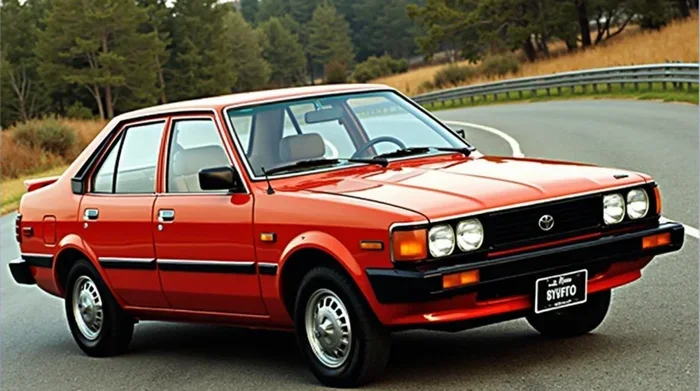
- 1997-2002 (E110/E120): These are some of the most popular and reliable models. They are simple, durable, and easy to work on.
- 2003-2008 (E120/E130): The E120 and E130 generations offer a bit more refinement while keeping the same proven reliability. They also have slightly better fuel economy.
- 2009-2013 (E140/E150): These are newer enough to have modern safety features while still being affordable on the used market.
Each generation has its strengths. The key is to find a well-maintained example from any of these ranges. A clean Corolla from any era will serve you well.
Tips for Buying an Old Toyota Corolla
If you are ready to buy an old Corolla, here are some tips to help you make a smart purchase:
- Get a Pre-Purchase Inspection: Have a trusted mechanic look over the car before you buy. This can reveal hidden issues that are not visible during a test drive.
- Check the Service History: A well-documented maintenance record is a great sign. It shows the previous owner took care of the vehicle.
- Look for Rust: Inspect the undercarriage, wheel wells, and rocker panels carefully. Rust can be expensive to repair and compromise safety.
- Test Drive Thoroughly: Pay attention to how the car accelerates, brakes, and shifts. Listen for unusual noises and pay attention to how the steering feels.
- Verify the Title: Make sure the title is clean and there are no liens on the vehicle. A clean title gives you peace of mind and legal ownership.
- Consider Mileage vs. Condition: A Corolla with 150,000 miles that was well-maintained is often a better buy than one with 80,000 miles that was neglected.
Following these tips will help you find a reliable old Toyota Corolla that will serve you well for years to come.
The Bottom Line: Are Old Toyota Corollas Worth It?
After looking at all the evidence, the answer is clear. Old Toyota Corollas are reliable and worth the money. They offer proven durability, low maintenance costs, excellent fuel economy, and strong resale value. Whether you need a daily commuter, a first car for a teenager, or a budget-friendly backup vehicle, the old Corolla delivers.
No car is perfect, and older Corollas do have their quirks. Rust, minor electrical issues, and occasional repairs are part of owning any older vehicle. But compared to the reliability, simplicity, and affordability they offer, these issues are minor.
If you are on the fence about buying an old Corolla, the best advice is simple: do your homework, inspect the vehicle carefully, and buy the best example you can afford. A well-chosen old Toyota Corolla will reward you with years of dependable, worry-free driving. It is one of the smartest purchases you can make in the used car market.
So the next time someone asks you, are old Toyota Corollas reliable and worth the money, you can confidently say yes. These little cars have earned their reputation one mile at a time, and they continue to be one of the best values in the automotive world.
Frequently Asked Questions
What is the most reliable old Toyota Corolla model?
The E110 generation from 1997 to 2002 is widely considered the most reliable old Toyota Corolla. It features a simple, proven engine design and straightforward mechanics that make it incredibly durable. Many owners report these models reaching 250,000 miles or more with basic maintenance.
How much does it cost to maintain an old Toyota Corolla?
Annual maintenance costs for an old Toyota Corolla typically range from 400 to 700 dollars. This includes oil changes, brake pads, tires, and minor repairs. The actual cost depends on the vehicle’s condition, mileage, and your local labor rates. Overall, these cars are among the cheapest to maintain of any vehicle on the road.
Can an old Toyota Corolla last 300,000 miles?
Yes, absolutely. Many old Toyota Corollas have been documented reaching 300,000 miles and beyond. This requires consistent maintenance, timely oil changes, and addressing small issues before they become big problems. The simple engineering of these cars makes this level of longevity achievable.
Are old Toyota Corollas good for first-time drivers?
Old Toyota Corollas are excellent for first-time drivers. They are affordable to buy, cheap to insure, easy to drive, and incredibly reliable. Their simple controls and forgiving handling make them ideal for someone just learning to drive. Plus, their durability means new drivers can gain experience without worrying about constant repairs.
What should I check before buying an old Toyota Corolla?
Before buying an old Toyota Corolla, check for rust, review the service history, test drive the vehicle thoroughly, and have a mechanic perform a pre-purchase inspection. Also verify the title is clean and look for signs of neglect like uneven tire wear or fluid leaks. These steps will help you avoid buying a problematic vehicle.
Do old Toyota Corollas have good fuel economy?
Yes, old Toyota Corollas have excellent fuel economy. Most models from the 1990s and 2000s deliver between 28 and 38 miles per gallon on the highway. Even in city driving, these cars are very efficient. This makes them one of the most economical choices for daily commuting and errands.
=== CONCLUSION ===
Old Toyota Corollas are reliable, affordable, and absolutely worth the money. Their proven track record of longevity, low maintenance costs, and excellent fuel economy make them one of the best used car values available today. Whether you are a first-time buyer or a seasoned car shopper, a classic Toyota Corolla delivers the dependability and practicality you need.
Do your research, inspect any vehicle carefully, and choose the best example you can find. With the right Corolla, you will enjoy years of trouble-free driving and save money every step of the way. The old Toyota Corolla is not just a car. It is a smart investment in reliable transportation.