Are Highlanders Just as Reliable as the Toyota 4Runner
The Toyota Highlander and Toyota 4Runner are both incredibly popular SUVs, but they serve different needs. The 4Runner is built for off-road toughness and long-term durability, while the Highlander focuses on comfort and family-friendly features. Both vehicles earn strong reliability scores, but they differ in maintenance costs, engine options, and real-world longevity.
This is a comprehensive guide about Are Highlanders as Reliable as the 4Runner?.
Key Takeaways
- Both SUVs are reliable: The Highlander and 4Runner consistently rank among Toyota’s most dependable models.
- The 4Runner lasts longer off-road: Its body-on-frame design gives it an edge in rugged conditions and long-term durability.
- The Highlander is more refined: It offers a smoother ride, better fuel economy, and more modern tech features.
- Maintenance costs differ: The 4Runner can be pricier to maintain due to its truck-based platform and older tech.
- Resale values are strong for both: Toyota SUVs hold their value exceptionally well compared to competitors.
- Your needs decide the winner: Choose the Highlander for family comfort and the 4Runner for adventure and longevity.
[FEATURED_IMAGE_PLACEHOLDER]
When you are shopping for a reliable SUV, two Toyota models always come up in the conversation. The Toyota Highlander and the Toyota 4Runner are both fantastic vehicles, but they are built for different kinds of drivers. If you have been wondering whether the Highlander is just as reliable as the 4Runner, you are in the right place.
This comparison covers everything you need to know. We will look at reliability ratings, engine options, common problems, maintenance costs, and resale values. By the end, you will have a clear answer about which SUV fits your lifestyle better.
Toyota has built a reputation for making vehicles that last. The brand consistently ranks at the top of reliability surveys. Both the Highlander and the 4Runner benefit from this legacy. But they are not identical. Each one has its own strengths and weaknesses. Let us dive into the details and find out what makes each SUV special.
Understanding the Toyota Highlander and 4Runner
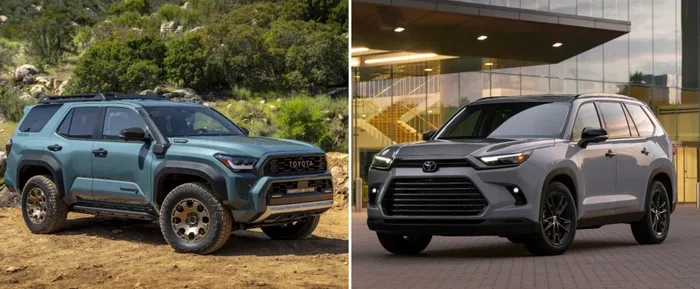
The Toyota Highlander is a midsize three-row SUV designed for families. It offers a comfortable ride, modern technology, and efficient engine options. The Highlander has been a staple in Toyota’s lineup since 2000. It has gone through several generations, each one improving on the last.
The Toyota 4Runner is a midsize body-on-frame SUV built for off-road capability and rugged durability. It has been around since 1984 and has earned a reputation as one of the most dependable SUVs on the road. The 4Runner is based on a truck platform, which gives it serious off-road chops and long-term strength.
Key Differences at a Glance
- Platform: The Highlander uses a unibody frame. The 4Runner uses a body-on-frame design.
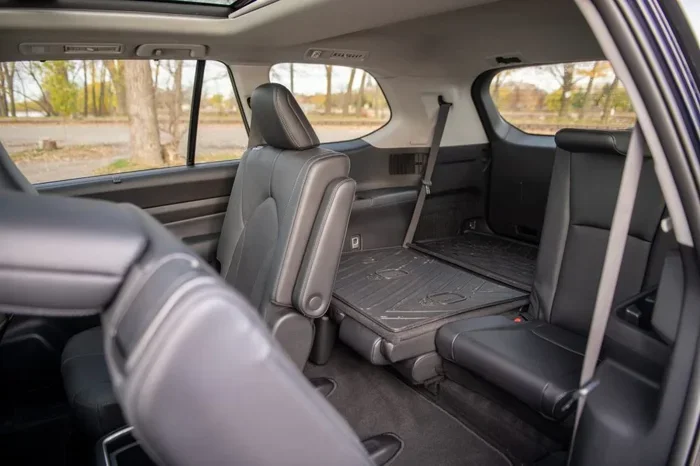
- Seating: The Highlander offers three rows of seating. The 4Runner seats five.
- Fuel Economy: The Highlander gets better gas mileage thanks to its lighter frame and hybrid option.
- Off-Road Ability: The 4Runner dominates here with its rugged suspension and 4WD systems.
- Price: The Highlander starts at a lower price point than the 4Runner.
These differences matter when you are evaluating reliability. A body-on-frame SUV like the 4Runner tends to have a different wear profile than a unibody SUV like the Highlander. Both are reliable, but they age differently.
Reliability Ratings: Highlander vs 4Runner
Reliability ratings tell us how well a vehicle performs over time without major issues. Both the Highlander and the 4Runner score well in this area. But let us break down what the data actually says.
Toyota Reliability Ratings
Toyota as a brand consistently ranks among the most reliable automakers. Consumer Reports and J.D. Power both give Toyota high marks. The Toyota Highlander reliability ratings are strong, with most model years earning above-average scores. The Toyota 4Runner reliability ratings are even better in many cases.
The 4Runner has appeared on multiple reliability lists over the years. It is known for engines that last well beyond 200,000 miles with proper care. The Highlander also performs well, though its more complex tech and three-row design can introduce more potential failure points.
When you compare the Toyota Highlander vs 4Runner reliability, the 4Runner usually comes out slightly ahead. This is partly because of its simpler design and robust body-on-frame construction. However, the Highlander has improved significantly in recent generations.
What Owners Are Saying
Real owner experiences give us valuable insight. Many Highlander owners report few major issues through the first 100,000 miles. Common complaints include infotainment glitches and occasional transmission hesitation. Overall, owners are satisfied with the vehicle’s dependability.
4Runner owners often share stories of their trucks surpassing 300,000 miles. The reputation of the 4Runner as a long-lasting SUV is well earned. Owners appreciate the simplicity of its design and the ease of repairs. Parts are widely available and affordable compared to many competitors.
If you are comparing these two vehicles purely on reliability, the 4Runner has a slight edge. But the Highlander is not far behind, especially in newer model years.
Engine and Powertrain Comparison
The engine and powertrain are the heart of any SUV. Both the Highlander and the 4Runner offer proven powertrains, but they are quite different in design and capability.
Toyota Highlander Powertrain Options
The current generation Highlander offers two engine choices. The base engine is a 2.4-liter turbocharged four-cylinder that produces 265 horsepower. This engine is paired with an eight-speed automatic transmission. It provides adequate power for daily driving and highway cruising.
The Highlander Hybrid combines a 2.5-liter four-cylinder engine with two electric motors. The hybrid system produces a combined 243 horsepower. It delivers excellent fuel economy, making the Highlander one of the most efficient three-row SUVs available. The hybrid powertrain is smooth and refined, adding electric-only driving at low speeds.
Both powertrains are reliable. Toyota has a strong track record with its four-cylinder engines. The hybrid system adds some complexity, but Toyota has perfected this technology over many years. The Toyota Highlander engine is a solid choice for families who prioritize fuel efficiency.
Toyota 4Runner Powertrain
The 4Runner has a single engine option: a 4.0-liter V6 that produces 270 horsepower. This engine has been in the 4Runner since 2003 and has proven itself over two decades. It is a naturally aspirated V6 paired with a five-speed automatic transmission.
The 4.0-liter V6 is known for its durability and simplicity. It lacks the complexity of modern turbocharged or hybrid engines. This simplicity is a reliability advantage. There are fewer electronic components to fail, and the engine is easy to work on.
The 4Runner’s powertrain is built for hauling and towing. It can tow up to 5,000 pounds, making it useful for trailers and off-road adventures. The V6 delivers strong low-end torque, which is essential for off-road crawling and hauling heavy loads.
Which Powertrain Lasts Longer?
In terms of raw longevity, the 4Runner’s V6 has the edge. Its simpler design and truck-based application mean it is built to handle more stress. Many 4Runners with this engine easily exceed 300,000 miles. The Highlander’s engines are also durable, but the hybrid system adds complexity that could lead to more expensive repairs down the road.
That said, the Highlander’s 2.4-liter turbo engine is a modern design that should last well with regular maintenance. The hybrid system has fewer moving parts than a traditional engine, which can also contribute to longevity.
Common Problems and Maintenance
Every vehicle has its quirks. Understanding common problems helps you make an informed decision and stay ahead of potential issues.
Highlander Common Issues
The Toyota Highlander is generally a trouble-free vehicle. However, some issues have been reported across different model years:
- Transmission hesitation: Some owners report a slight delay when shifting from park to drive. This is usually minor and can often be resolved with a software update.
- Infotainment glitches: The touchscreen can freeze or lag, especially in older model years. This is more of an annoyance than a serious problem.
- Rear suspension wear: The Highlander’s rear suspension can wear out faster than expected, especially if you frequently carry heavy loads.
- Oil consumption: Some owners report higher-than-normal oil consumption with the 2.4-liter turbo engine. Regular oil checks are recommended.
Overall, the Highlander’s maintenance schedule is straightforward. Oil changes, brake inspections, and tire rotations are the main routine services. The hybrid system requires less traditional maintenance since regenerative braking reduces wear on brake components.
4Runner Common Issues
The 4Runner is known for its durability, but it is not immune to problems:
- Transmission issues: The five-speed automatic in older 4Runners can develop problems around 150,000 miles. Regular fluid changes are essential to prevent this.
- Rust: The 4Runner is susceptible to rust, especially in northern climates where salt is used on roads. Checking the undercarriage regularly is important.
- Ball joint wear: The 4Runner’s solid rear axle and off-road use can lead to ball joint wear over time. Replacement is straightforward but can be costly.
- Older tech: The 4Runner’s interior has not changed much in recent years. While this adds to reliability, it means older tech like cassette players and basic infotainment in earlier models.
Maintenance costs for the 4Runner are generally higher than the Highlander. Parts are affordable, but labor can be more expensive due to the truck-based platform. The good news is that the 4Runner’s simplicity means fewer things can go wrong.
Maintenance Cost Comparison
According to RepairPal, the average annual repair cost for the Highlander is around $447. The 4Runner comes in slightly higher at around $510 per year. Both figures are below the industry average for midsize SUVs. The 4Runner’s higher cost is mainly due to its truck-based suspension components and larger tires.
Regular maintenance is the key to keeping either vehicle reliable. Staying on top of oil changes, fluid flushes, and brake inspections will prevent most major issues. Both vehicles benefit from Toyota’s widely available parts network and extensive dealer service infrastructure.
Resale Value and Long-Term Ownership
One of the biggest advantages of buying a Toyota SUV is the resale value. Both the Highlander and the 4Runner hold their value exceptionally well.
Toyota Resale Value
Toyota consistently ranks at the top for resale value. The 4Runner is one of the best-respected vehicles in this category. According to Kelley Blue Book, the 4Runner retains about 65% of its value after five years. The Highlander retains roughly 55% to 60% over the same period.
The 4Runner’s resale advantage comes from its cult following and limited competition. There are not many body-on-frame midsize SUVs that offer the same combination of reliability and off-road capability. The Highlander faces more competition from other three-row SUVs, which keeps its resale value slightly lower.
If you plan to keep your vehicle for a long time, either SUV is a great choice. The 4Runner will cost more upfront but may return more value when you sell. The Highlander offers a lower entry price and better fuel economy, which saves money during ownership.
Long-Term Ownership Experience
Owning a Toyota SUV means you can expect fewer trips to the shop. Both vehicles are designed for low-cost ownership over many years. The Highlander’s hybrid option also saves money at the pump, which adds up over time.
For families who drive short trips in the city, the Highlander Hybrid is an excellent choice. Its electric-only mode at low speeds reduces fuel consumption and engine wear. The 4Runner is better suited for drivers who need towing capability and off-road performance.
Long-term owners of both vehicles report high satisfaction. The Toyota brand loyalty is well deserved. These vehicles become trusted family members, reliably getting you where you need to go year after year.
Which One Should You Choose?
The answer depends on your priorities and lifestyle. Both the Highlander and the 4Runner are excellent vehicles, but they serve different needs.
Choose the Highlander If:
- You need seating for more than five passengers.
- Fuel economy is a priority for your daily commute.
- You prefer a smoother, more refined ride on paved roads.
- You want the latest technology and safety features.
- You plan to use the vehicle primarily for family transportation.
Choose the 4Runner If:
- You need serious off-road capability.
- You tow trailers, boats, or equipment regularly.
- You want a vehicle that can last 300,000+ miles.
- You prefer a simpler design with fewer electronic systems.
- You value rugged durability over luxury features.
Both vehicles are excellent choices. The Toyota Highlander is the better family hauler. The Toyota 4Runner is the better adventure vehicle. In terms of pure reliability, they are close, but the 4Runner has a slight advantage for long-term durability.
Consider your budget, driving habits, and what you need from your SUV. Test drive both vehicles if possible. The feel and driving experience are very different, and personal preference matters a lot when choosing between these two great Toyotas.
Final Thoughts
The question of whether Highlanders are as reliable as the 4Runner does not have a simple yes or no answer. Both vehicles are highly reliable by any standard. The 4Runner has a slight edge in long-term durability and off-road capability. The Highlander offers better fuel economy, more seating, and modern convenience features.
When you are deciding between the Toyota Highlander and the Toyota 4Runner, think about what matters most to you. If you need a family-friendly SUV that is comfortable and efficient, the Highlander is a fantastic choice. If you need a rugged, go-anywhere SUV that will last for decades, the 4Runner is hard to beat.
Either way, you are buying a vehicle from one of the most reliable brands in the automotive industry. Toyota builds SUVs that stand the test of time. You cannot go wrong with either choice. Just make sure to stay on top of regular maintenance, and your Toyota will reward you with years of dependable service.
The automotive world has many options, but few match the combination of reliability, durability, and value that Toyota offers. Whether you choose the Highlander or the 4Runner, you are making a smart investment in a vehicle that will serve you well for many years to come.
Frequently Asked Questions
Is the Toyota Highlander or 4Runner better for families?
The Toyota Highlander is the better choice for most families. It offers three rows of seating, a more comfortable ride, and better fuel economy. The 4Runner seats only five and has a firmer suspension, making it less ideal for daily family use. However, if your family loves outdoor adventures, the 4Runner is a great option too.
How long does a Toyota Highlander last?
A well-maintained Toyota Highlander can last 200,000 to 250,000 miles or more. Regular oil changes, timely brake replacements, and proper fluid maintenance are key. Many owners report their Highlanders surpassing 300,000 miles with dedicated care and attention to maintenance schedules.
Can the Toyota 4Runner handle extreme off-road conditions?
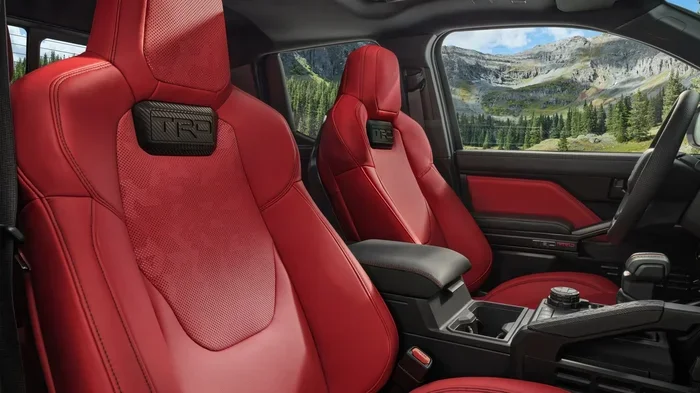
Yes, the Toyota 4Runner is one of the best off-road SUVs available. Its body-on-frame construction, solid rear axle, and available TRD off-road package make it capable on trails, rocks, and steep inclines. Many 4Runner owners use their vehicles for serious off-roading and never experience major issues.
Which Toyota SUV has the lowest maintenance cost?
The Toyota Highlander generally has lower maintenance costs than the 4Runner. Its unibody frame and lighter weight mean less wear on suspension components. The hybrid version also reduces brake wear through regenerative braking. However, both vehicles are below the industry average for maintenance expenses.
Are Toyota Highlanders and 4Runners prone to rust?
The 4Runner is more susceptible to rust than the Highlander, especially in northern climates. The 4Runner’s body-on-frame design and exposed undercarriage can collect moisture and salt. The Highlander’s unibody construction and sealed underbody offer better rust protection. Regular washing and undercoating can help prevent rust on either vehicle.
Should I buy a used Highlander or 4Runner for reliability?
Both are excellent used SUV choices. The 4Runner tends to hold its value better and lasts longer at higher mileage. The Highlander offers a more affordable entry point and better fuel economy for daily driving. Look for well-documented maintenance records regardless of which model you choose.