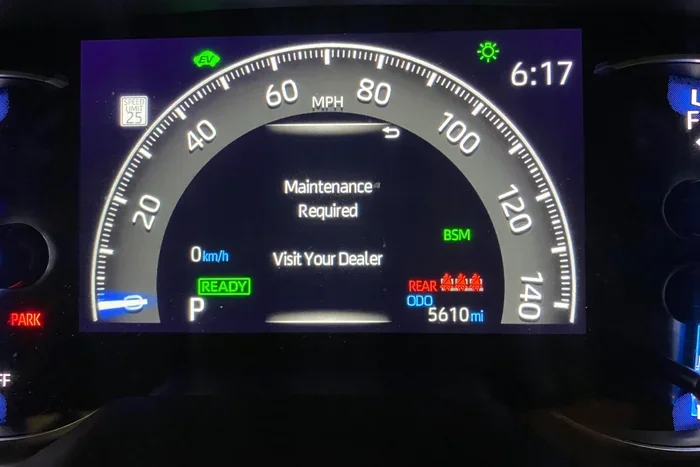
Can Maintenance Required Mean It Is Time for an Oil Change
The maintenance required light on your dashboard can indeed mean it is time for an oil change, but it is not always that simple. This warning light is part of your vehicle’s oil life monitoring system, which tracks driving habits and conditions to estimate when your next oil replacement is due. Understanding what this light actually signals can save you money and keep your engine running smoothly.
You are driving along, minding your own business, when suddenly a little light pops up on your dashboard. It says “Maintenance Required.” Your first thought? Does this mean I need an oil change? You are not alone. This is one of the most common questions car owners ask. The answer is yes, but it is not always that straightforward.
The maintenance required light is a helpful tool built into modern vehicles. It is part of what is called an oil life monitoring system. This system keeps track of how you drive, what conditions you face on the road, and how many miles you have logged. Based on all of this data, it estimates when your car needs service. Most of the time, that service is an oil change. But sometimes it points to other needs too.
In this guide, we will break down everything you need to know about the maintenance required light. We will cover what it means, how it works, when to actually change your oil, and what happens if you ignore it. By the end, you will feel confident about what your car is trying to tell you.
Key Takeaways
- The maintenance required light is not always an oil change: It can also signal other routine service needs like tire rotation or fluid checks.
- Oil life monitoring systems use algorithms: They track driving habits, temperature, and mileage to estimate service intervals.
- Ignoring the light can harm your engine: Delaying an oil change when needed leads to sludge buildup and reduced performance.
- Different vehicles have different intervals: Some cars need oil changes every 5,000 miles while others go up to 10,000 miles.
- Resetting the light is simple: Most vehicles allow you to reset the maintenance required light after an oil change is completed.
- Check your owner’s manual: It provides the exact service schedule and oil type recommended for your specific car.
📑 Table of Contents
- What Does the Maintenance Required Light Mean?
- Why Oil Changes Matter So Much
- How to Tell If the Maintenance Required Light Really Means an Oil Change
- How to Reset the Maintenance Required Light
- Can You Use Different Oil Types When the Light Comes On?
- What Happens If You Ignore the Maintenance Required Light?
- Maintenance Required Light on Hybrid and Electric Vehicles
- Common Mistakes Car Owners Make With the Maintenance Required Light
- How to Stay on Top of Your Vehicle Maintenance
- Final Thoughts
What Does the Maintenance Required Light Mean?
The maintenance required light is a dashboard warning found in most Toyota, Honda, Nissan, and other Japanese brand vehicles. It looks like a small wrench or a text message that reads “Maintenance Required.” This light is part of the car’s onboard diagnostics system. Its main job is to remind you about upcoming routine maintenance based on mileage and driving patterns.
How the Oil Life Monitoring System Works
Modern cars use a smart system to track engine health. The oil life monitoring system is not just a simple mileage counter. It actually analyzes several factors:
- Engine revolutions per minute (RPM): How hard your engine works during driving.
- Ambient temperature: Hot or cold weather affects oil quality over time.
- Short trips vs. long trips: Frequent short drives cause more engine stress.
- Idling time: Sitting in traffic or letting the car idle burns oil faster.
- Total mileage driven: The cumulative distance since the last service.
All of this data feeds into an algorithm. The system then calculates an estimated percentage of oil life remaining. When that percentage drops to zero, the maintenance required light comes on. At that point, your car is telling you it is time for an oil replacement.
Maintenance Required vs. Check Engine Light
It is important not to confuse the maintenance required light with the check engine light. They serve very different purposes. The maintenance required light is a gentle reminder for scheduled service. The check engine light is a serious warning about a potential problem. If your check engine light is on, you should address it right away. The maintenance required light is less urgent but still important to act on.
Why Oil Changes Matter So Much
Oil is the lifeblood of your car’s engine. It lubricates all the moving parts, reduces friction, and keeps everything cool. Without fresh oil, your engine would overheat and seize up. Over time, oil breaks down and becomes less effective. This is why regular car maintenance through oil changes is so critical.
What Happens When You Skip an Oil Change
Skipping an oil change might seem harmless at first. But over time, old oil turns into sludge. This thick, dark substance clogs up your engine passages and restricts oil flow. Here is what can go wrong:
- Increased engine wear: Metal parts grind against each other without proper lubrication.
- Overheating: Old oil cannot absorb and dissipate heat as effectively.
- Reduced fuel efficiency: A poorly lubricated engine works harder and uses more gas.
- Engine failure: In extreme cases, you could face a complete engine breakdown.
These are not scare tactics. They are real consequences that many car owners face when they ignore the maintenance required light. Regular oil changes are one of the cheapest ways to protect your engine and extend the life of your vehicle.
How Often Should You Change Your Oil?
The old rule of thumb was every 3,000 miles. But modern engines and better oils have changed things. Today, many cars can go 5,000 to 10,000 miles between oil changes. The exact interval depends on your vehicle, the type of oil you use, and your driving habits. Always check your owner’s manual for the manufacturer’s recommended service interval.
Using the right oil type matters too. Conventional oil needs changing more often than synthetic oil. If you are unsure whether you should switch to synthetic, talk to your mechanic. They can advise you based on your car model and driving conditions.
How to Tell If the Maintenance Required Light Really Means an Oil Change
Sometimes the maintenance required light is telling you it is time for an oil change. Other times, it might be pointing to something else entirely. Knowing the difference can save you time and money.
Signs It Is Definitely Time for an Oil Change
Look for these clear signs that your car needs fresh oil:
- The maintenance required light has been on for over 500 miles.
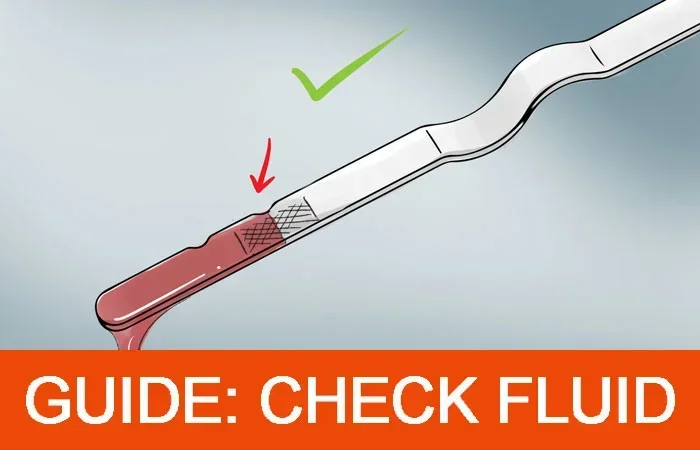
- Your oil dipstick shows dark, gritty oil instead of a amber, smooth liquid.
- You hear unusual engine noises like knocking or ticking.
- Your car’s oil level is low on the dipstick.
- You have reached the mileage mark recommended by your manufacturer.
If you notice any of these signs, do not wait. Schedule an oil change as soon as possible. Fresh oil keeps your engine protected and running at its best.
Other Reasons the Maintenance Required Light Might Come On
The maintenance required light is not always about oil. It can also remind you about other routine maintenance tasks. Here are some common triggers:
- Tire rotation: Most cars need tire rotation every 5,000 to 7,500 miles.
- Air filter replacement: A clogged air filter reduces engine performance.
- Brake inspection: The light can remind you to check your brake pads.
- Transmission fluid check: Some systems flag this at specific intervals.
- Coolant flush: Old coolant loses its ability to regulate engine temperature.
If you just had your oil changed and the light is still on, it might be one of these other services. Check with your mechanic to be sure.
How to Reset the Maintenance Required Light
Once you have completed your oil change or other service, you will want to reset the maintenance required light. The process varies by vehicle, but here is a general guide that works for most cars.
Step-by-Step Reset Process
Follow these steps to reset the light on most Toyota and Honda vehicles:
- Turn the ignition to the “On” position without starting the engine.
- Press the odometer or trip meter button until you see the total mileage.
- Turn the ignition to the “Off” position.
- Press and hold the odometer or trip meter button.
- Turn the ignition back to the “On” position while still holding the button.
- Continue holding the button until the light starts to flash or resets.
- Release the button and start the engine to confirm the light is off.
If these steps do not work for your specific vehicle, consult your owner’s manual. Some newer models require a special tool or a trip to the dealership to reset the system. Also, keep in mind that if you recently had an oil filter replaced, the reset process often needs to be done to clear the service reminder.
It is worth noting that simply resetting the light without actually doing the service is not a good idea. The light comes on for a reason. Ignoring it can lead to engine problems down the road. Always complete the actual maintenance first, then reset the light.
Can You Use Different Oil Types When the Light Comes On?
When the maintenance required light comes on, you might wonder if you can use a different oil than what you usually do. The short answer is: it depends. Your owner’s manual specifies the recommended oil viscosity and type for your engine. Sticking with that recommendation is always the safest choice.
Understanding Oil Viscosity Ratings
Oil viscosity refers to how thick or thin the oil is at different temperatures. You have probably seen ratings like 5W-20, 5W-30, or 0W-20 on oil bottles. The first number (with the W for winter) tells you how the oil flows in cold temperatures. The second number tells you how it performs at engine operating temperature.
Using the wrong viscosity can affect engine performance. If your manual calls for 5W-20, do not switch to 5W-30 without consulting a professional. If you are curious about switching between viscosity grades, you can read more about whether you can use 5W30 instead of 5W20 to understand the differences better.
Synthetic vs. Conventional Oil
Synthetic oil is engineered to perform better than conventional oil. It lasts longer, handles extreme temperatures better, and provides superior engine protection. Many newer cars come filled with synthetic oil from the factory. If your vehicle requires synthetic oil, using conventional oil when the maintenance required light comes on is not recommended.
For those who drive in extreme conditions or tow heavy loads, you might wonder about using 5W20 instead of 0W-20. The answer depends on your climate and vehicle specifications. Always refer to your owner’s manual or speak with a trusted mechanic before making any changes.
What Happens If You Ignore the Maintenance Required Light?
We get it. Life gets busy. You see a warning light on your dashboard and think, “I will get to it next week.” Then next week turns into next month. Before you know it, you have driven thousands of miles with that light on. But what really happens if you keep ignoring it?
The maintenance required light is designed to protect your engine. When it comes on, your oil life has been depleted. The oil is no longer performing at its best. Continuing to drive without an oil change means your engine is running on degraded oil. Over time, this leads to increased wear and tear on internal components.
In the worst-case scenario, ignoring the maintenance required light can result in catastrophic engine failure. The cost of a new engine far exceeds the cost of a routine oil change. Even if you do not face total engine failure, running old oil reduces your car’s fuel efficiency and overall performance. You might notice rough idling, reduced power, or increased emissions.
Some car owners wonder if it is safe to drive with the light on for a short distance. If you are just driving to the nearest service center, that is usually fine. But do not make a habit of it. Treat the maintenance required light as a prompt to take action, not a suggestion.
Maintenance Required Light on Hybrid and Electric Vehicles
Hybrid and electric vehicles have different maintenance needs than traditional gas-powered cars. The maintenance required light works a bit differently on these vehicles. For example, hybrid cars still have an engine that requires oil changes, even though they also use electric motors. The maintenance required light on a hybrid vehicle will typically come on for oil changes just like a regular car.
However, hybrid and electric vehicles generally require less frequent maintenance overall. The regenerative braking system reduces wear on brake pads. The electric motor has fewer moving parts than a traditional engine. Still, you should never ignore the maintenance required light on a hybrid or electric vehicle. The engine oil still needs to be changed at the recommended intervals.
For those driving hybrid vehicles, it is also important to note that the fuel system still needs attention. You should not assume that a hybrid can run indefinitely without gasoline. If you are curious about how long a hybrid can operate without gas, you can read about whether a hybrid can run without gas for more details.
Common Mistakes Car Owners Make With the Maintenance Required Light
Even the most careful car owners make mistakes when it comes to dashboard warning lights. Here are some of the most common errors:
- Resetting the light without doing the service: This clears the reminder but does not fix the actual problem.
- Ignoring the light because it is just a “reminder”: The light is based on your car’s actual oil condition and driving patterns.
- Assuming all maintenance lights mean the same thing: Different vehicles use different systems. Some use oil change indicators, while others use general service reminders.
- Not keeping records of service dates: A maintenance log helps you track when your car is due for service and avoid surprises.
- Using the wrong oil type: Always use the oil grade and type specified by your vehicle manufacturer.
Avoiding these mistakes will help you keep your car in top shape and prevent costly repairs down the road.
How to Stay on Top of Your Vehicle Maintenance
The best way to avoid surprises from the maintenance required light is to stay proactive. Here are some tips to keep your car well-maintained:
- Check your oil level monthly using the dipstick.
- Keep a log of all oil changes and service dates.
- Follow the manufacturer’s recommended maintenance schedule in your owner’s manual.
- Set a reminder on your phone for your next oil change.
- Listen to your car. Unusual noises, vibrations, or smells are warning signs.
- Visit a trusted mechanic for regular inspections even when the light is off.
Staying on top of your vehicle maintenance not only keeps the maintenance required light from catching you off guard, but it also extends the life of your car. A well-maintained car runs better, gets better gas mileage, and holds its value longer.
Final Thoughts
So, can maintenance required mean it is time for an oil change? Absolutely. In most cases, that is exactly what the light is telling you. The maintenance required light is your car’s way of saying, “Hey, I need some attention.” Listening to that message and acting on it promptly is one of the simplest things you can do as a car owner.
Do not let the light confuse you or intimidate you. Whether it is time for an oil change, a tire rotation, or a fluid check, the maintenance required light is your friend. It keeps you informed and helps you stay on top of your car’s health. The next time that little wrench icon appears on your dashboard, you will know exactly what to do.
Take care of your car, and it will take care of you. Schedule that oil change, reset the light, and drive with confidence knowing your engine is properly protected and running smoothly.
Frequently Asked Questions
Does maintenance required always mean oil change?
Most of the time, yes. The maintenance required light typically comes on when your oil life monitoring system determines that an oil change is due. However, it can also signal other routine services like tire rotation or fluid checks. Always check your owner’s manual to understand what your specific vehicle’s light means.
How long can I drive with the maintenance required light on?
You can usually drive a short distance, such as to the nearest service center, without causing damage. However, you should not delay the oil change for an extended period. Old oil loses its lubricating properties and can cause engine wear over time.
Can I reset the maintenance required light myself?
Yes, in most cases you can reset the light yourself by following the steps in your owner’s manual. The process typically involves pressing and holding buttons on the dashboard or steering wheel while cycling the ignition. Just make sure you have actually completed the service before resetting.
What is the difference between maintenance required and check engine light?
The maintenance required light is a scheduled service reminder and is not urgent. The check engine light indicates a potential problem with your vehicle’s emissions or engine system and should be addressed immediately. If both lights are on, prioritize the check engine light first.
How much does an oil change cost when the maintenance required light comes on?
The cost varies depending on your vehicle, the type of oil used, and where you get the service done. On average, a standard oil change costs between $40 and $75. Synthetic oil changes may cost a bit more, typically between $65 and $125. It is a small price compared to the cost of engine repairs.
Will the maintenance required light come on if my oil level is low but not dirty?
The maintenance required light is based on a time and mileage algorithm, not just oil condition. However, if your oil level is low, you should check it right away and top it off. Low oil level can cause serious engine damage even before the maintenance required light comes on. Always monitor your oil level between changes.