Can I Use a 21 Wiper Blade Instead of 20 for My Car
Using a 21 wiper blade instead of 20 might work for some vehicles, but it depends on your car’s make, model, and wiper system. The difference of one inch can affect coverage, clearance, and overall performance. Always check your owner manual or consult a trusted mechanic before swapping sizes.
Have you ever stood in the auto parts aisle staring at wiper blades, wondering if you could grab a 21 inch blade when your car calls for a 20 inch one? It is a common question, and for good reason. Sometimes the exact size is out of stock, or you want a quick replacement right now. The good news is that using a 21 wiper blade instead of 20 is not always a problem, but it is not always a perfect swap either. Let us break down everything you need to know about wiper blade size compatibility, the risks involved, and how to make the right choice for your vehicle.
Your car’s windshield wipers are designed with precision. Each blade length is chosen to clear the most windshield area without hitting the hood, cowling, or any obstructions. A one-inch difference might seem tiny, but it can change how the blade sits on the glass. Understanding this helps you make a smart decision instead of guessing. In this guide, we will walk through the ins and outs of wiper blade fitment, why size matters, and what you should do before buying a replacement.
Key Takeaways
- Size Matters: Wiper blade length is designed for optimal windshield coverage and clearance.
- One Inch Can Make a Difference: Going from 20 to 21 inches may cause rubbing or poor contact on some vehicles.
- Check Your Manual First: Your vehicle owner manual lists the exact wiper blade size recommended by the manufacturer.
- Adapter Kits Help: Some universal wiper blades come with adapters that can accommodate slight size differences.
- Performance Varies: Using a slightly different size may not cause damage but could reduce wiping effectiveness.
- When in Doubt, Ask a Pro: A mechanic can confirm the right fitment for your specific car model.
📑 Table of Contents
- Why Wiper Blade Size Matters
- Can You Use a 21 Wiper Blade Instead of 20?
- How to Find the Right Wiper Blade Size for Your Car
- Types of Wiper Blades and How They Fit
- Risks of Using the Wrong Wiper Blade Size
- Quick Tips for Wiper Blade Replacement
- Common Mistakes to Avoid When Buying Wiper Blades
- Conclusion
Why Wiper Blade Size Matters
The length of your wiper blade is not random. Engineers design it to match the curvature of your windshield and the movement path of the wiper arm. Here is why getting the right wiper blade measurement is so important.
Optimal Windshield Coverage
Each blade is sized to wipe the widest possible area without leaving dry spots. A 20 inch blade is calibrated to reach specific zones on your windshield. Switching to a 21 inch beam wiper blade or conventional blade might extend coverage slightly, but it can also push the blade past its ideal path. This means certain areas might not get wiped properly.
Clearance and Fitment
Wiper blades need to clear the hood line, the windshield trim, and any sensors or cameras mounted near the glass. A longer blade can rub against these parts, especially when the wiper is parked in its resting position. Over time, this rubbing can wear down both the blade and the windshield surface.
Wiper Arm Pressure Distribution
Wiper arms apply pressure at specific points along the blade. The length of the blade determines how that pressure spreads across the glass. A 21 wiper blade instead of 20 changes the leverage slightly, which can result in uneven pressure. This leads to streaking, skipping, or chattering during operation.
Can You Use a 21 Wiper Blade Instead of 20?
The short answer is: it depends. In many cases, a one-inch difference will not cause serious problems. But the answer is not a simple yes or no. Let us look at the factors that determine whether a 21 wiper blade instead of 20 swap will work for your car.
When It Might Work
Some vehicles have enough flexibility in their wiper system that a one-inch difference goes unnoticed. If your car has a larger windshield or the wiper arm has a wide range of motion, the extra inch might simply give you a bit more coverage. This is more common in larger SUVs and trucks where the windshield is bigger and the wiper path is more forgiving.
Here are situations where a 21 inch wiper blade might work fine in place of a 20 inch:
- The wiper arm has adjustable tension or length
- Your windshield is on the larger side
- The blade does not contact any trim or hood components
- You are using a universal wiper blade with an adapter
- The vehicle manufacturer allows a range of sizes
When It Will Not Work
On the other hand, some vehicles are very particular about wiper blade compatibility. If your car has a tight cowling area, a rear wiper on a hatchback, or advanced driver assistance sensors near the windshield, even one extra inch can be a problem. Here are red flags that a 21 inch blade will not work:
- The blade hits the hood when parked
- You notice streaking or missed spots after installation
- The wiper arm feels loose or the blade wobbles
- There is rubbing noise during operation
- Your vehicle has a specific OEM wiper blade size listed and no flexibility
How to Find the Right Wiper Blade Size for Your Car
Before you buy any replacement blade, you need to know the correct size. There are several reliable ways to find this information. Skipping this step is the most common mistake people make when replacing their own windshield wipers.
Check Your Vehicle Owner Manual
The fastest and most accurate way to find your wiper blade size is to look in the owner manual. Most manufacturers list the exact front and rear blade lengths in the maintenance section. If you do not have the physical book, you can usually find a digital copy on the automaker’s website. Search for your specific year, make, and model, and the manual will confirm whether you need a 20 inch or a 21 inch blade.
Measure the Blades Yourself
If you have the old blades still, you can measure them yourself. Lay the blade flat on a table and measure from one end to the other. Be careful not to include the metal frame in your measurement if it is a conventional blade. For beam wiper blade designs, measure the entire length of the rubber element. Write down the measurement and round to the nearest inch.
Use an Online Wiper Blade Size Lookup
Many auto parts websites and retailers offer a free wiper blade fitment tool. You simply enter your vehicle information, and the tool tells you the exact size. This is a great option if you do not have the manual or the old blades handy. Some retailers even show you which adapters you need for universal fitment blades.
Types of Wiper Blades and How They Fit
Not all wiper blades are created equal. The type of blade you choose can affect how well a size swap works. Here is a quick look at the most common types and how they relate to wiper blade replacement.
Conventional Wiper Blades
Conventional blades have a visible metal frame with multiple pressure points. These are the most basic and affordable type. Because the frame is rigid, a one-inch size difference on a conventional blade is more noticeable. The frame may not flex properly if it is slightly too long or too short for the windshield curvature.
Beam Wiper Blades
Beam blades have no visible frame. They use a single piece of stamped steel or plastic that conforms to the windshield shape. Beam wiper blades tend to be more forgiving with size differences because of their flexible design. If you are considering a 21 wiper blade instead of 20, a beam blade might be a better option for a close-fit swap.
Hybrid Wiper Blades
Hybrid blades combine elements of both conventional and beam designs. They offer a sleek look with the performance of a frame-less blade. These are a solid middle ground and may handle slight size variations better than conventional options.
Risks of Using the Wrong Wiper Blade Size
While using a 21 inch blade when your car needs 20 inches might seem harmless, there are real risks to consider. Understanding these risks helps you avoid costly mistakes.
Windshield Damage
A blade that is too long can drag against the windshield edge or trim. Over time, this creates micro-scratches on the glass. These scratches accumulate and can distort your view, especially at night when light reflects off the damage. Replacing a windshield is expensive, so avoiding unnecessary wear is smart.
Wiper Motor Strain
If the blade is too long and creates extra drag, the wiper motor has to work harder. This can lead to premature wear on the motor or the linkage mechanism. In extreme cases, the motor can overheat or fail entirely, which is a much more costly repair than a simple blade replacement.
Reduced Visibility
The whole point of windshield wipers is to keep your view clear. A blade that does not fit properly will streak, skip, or leave gaps. In rain or snow, reduced visibility is a safety hazard. You want your blades performing at their best, and that starts with the correct size.
Quick Tips for Wiper Blade Replacement
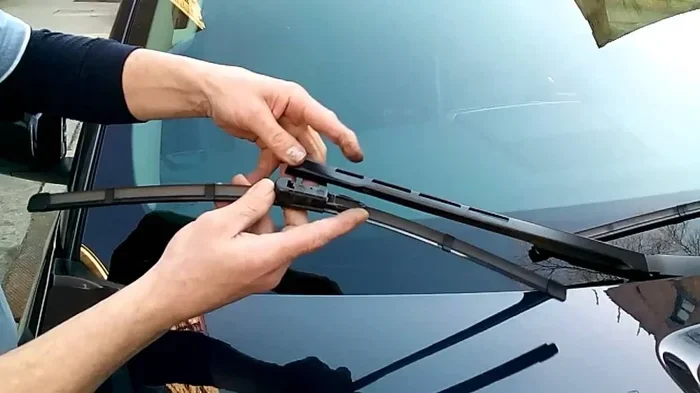
Replacing your wiper blades is one of the easiest car maintenance tasks you can do at home. Follow these tips to get the best results.
- Always buy the exact size listed in your owner manual. Do not guess.
- Replace both blades at the same time, even if only one looks worn. This ensures even performance on both sides of the windshield.
- Clean the windshield with glass cleaner before installing new blades. Dirt and debris can shorten blade life.
- Lift the wiper arm gently and avoid letting it snap back onto the glass. This can crack the windshield.
- Check the blade adapter or hook style before purchasing. Some blades use a pin, others use a bayonet, and some use a side-lock clip.
- Test the wipers with washer fluid after installation to confirm smooth operation.
- Replace blades every 6 to 12 months for best performance, even if they look fine.
Expert Insight: Many drivers ask whether they can use a 21 wiper blade instead of 20 because the price or availability is better. While this works in some cases, the safest approach is always to use the manufacturer-recommended size. The cost difference between a 20 and a 21 inch blade is usually minimal, and the peace of mind is worth it.
Common Mistakes to Avoid When Buying Wiper Blades
Avoiding these common pitfalls will save you time, money, and frustration.
- Buying based on looks alone: Do not pick a blade because it looks good on the shelf. Always match the size and adapter type to your vehicle.
- Ignoring the rear blade size: Rear wipers often have a different size than the front. Check both before you buy.
- Forgetting about the adapter: Universal blades come with adapters, but not all adapters fit every vehicle. Double-check compatibility.
- Waiting too long to replace: Worn blades scratch your windshield. If you notice streaking or chattering, replace them immediately.
- Assuming all brands use the same size: Different brands may list sizes slightly differently. Always confirm the exact inch measurement.
If you are curious about other car maintenance questions, you might also wonder about things like using 5W30 instead of 5W20 oil or putting 88 gas in your car. These are similar questions about substituting parts or fluids that are not the exact factory recommendation. The same principle applies: always check compatibility before making a swap.
Conclusion
So, can you use a 21 wiper blade instead of 20? In some cases, yes. In others, it is better to stick with the exact size your vehicle needs. The safest path is always to follow the manufacturer recommendation in your owner manual. A one-inch difference might seem small, but it can affect coverage, fitment, and the longevity of your windshield and wiper system.
Take the few minutes to verify the correct size before you buy. It is a small effort that pays off in clear visibility, better performance, and peace of mind on the road. Your windshield wipers work hard for you every time it rains or snows. Give them the right tool for the job, and they will keep you safe through every season.
Frequently Asked Questions
Will a 21 wiper blade damage my car if it is supposed to be 20?
In most cases, a one-inch difference will not cause damage. However, if the longer blade rubs against the hood trim or windshield edges, it can create scratches over time. Always check for proper fitment after installation and listen for any rubbing noises during operation.
Can I mix different wiper blade sizes on the same car?
Yes, many vehicles use different sizes for the driver and passenger sides. It is common for one side to be 20 inches and the other to be 18 or 19 inches. Always verify the correct size for each side using your owner manual.
How do I know if my 21 wiper blade is too long?
Signs that the blade is too long include streaking, chattering, rubbing noises, and visible contact with the hood or trim when the wipers are parked. If you notice any of these issues, switch back to the recommended 20 inch blade.
Are universal wiper blades a good option for size swaps?
Universal wiper blades can work well for slight size differences because they often come with multiple adapters. However, they still need to match the correct length for optimal performance. Use a universal blade only if it is the right size for your vehicle.
How often should I replace my windshield wiper blades?
Most experts recommend replacing wiper blades every 6 to 12 months. If you notice streaking, skipping, or reduced visibility, it is time for a new set. Regular replacement is one of the simplest and most affordable car maintenance tasks you can do.
Does the wiper blade size affect how well they clear snow?
Yes, blade size directly affects snow-clearing performance. A properly sized blade applies even pressure across the glass, which is essential for removing snow and ice efficiently. Using the wrong size can leave gaps and reduce your visibility in winter conditions.