Can Bad Tires Make Your Car Shake and Feel Unstable
Yes, bad tires are one of the most common reasons your car shakes and feels unstable. Worn treads, unbalanced wheels, and poor alignment can all cause dangerous vibration. This guide covers the main causes, how to spot the problem early, and simple fixes to get you back on the road safely.
Have you ever been driving down the highway and felt your car start to vibrate or shake? It is a scary feeling. Your steering wheel shakes, the seats rattle, and you wonder what is going on. More often than not, the answer is simple. Bad tires can make your car shake and feel unstable.
Tires are the only part of your car that touches the road. When they are worn out, damaged, or improperly maintained, they send warning signs straight through the steering wheel. Understanding these signs can keep you safe and save you money on expensive repairs down the road.
In this article, we will walk through everything you need to know about car shaking caused by tire problems. We will cover the main causes, how to spot the warning signs, and what you can do to fix the issue. Whether you are dealing with a slight wobble or a violent shake, this guide has you covered.
Key Takeaways
- Tire condition directly affects steering stability: Worn or damaged tires are a leading cause of car shaking.
- Multiple tire issues can cause vibration: From uneven wear to low pressure, each problem has distinct signs.
- Regular maintenance prevents most tire shaking: Tire rotation, balancing, and alignment checks go a long way.
- Driving on bad tires is unsafe: Shaking can reduce control, especially at higher speeds or in wet conditions.
- Fixes range from simple to professional: Some issues are easy DIY repairs, while others need a mechanic.
- Early detection saves money: Catching tire problems early prevents costly damage to other parts of your vehicle.
📑 Table of Contents
What Causes Bad Tires to Make Your Car Shake
Tire-related shaking happens for several reasons. Each cause affects your vehicle differently. Let us break down the most common culprits behind vehicle vibration from tires.
Uneven Tire Wear
Over time, tires wear down at different rates. This is especially true if you skip regular tire rotations. When one tire has less tread than the others, it creates an imbalance. That imbalance sends vibrations through the car, especially at higher speeds.
You might notice the shaking gets worse as you speed up. Or it might feel like a constant rumble even at low speeds. Uneven tire wear is one of the easiest problems to spot. Just run your hand over the tread. If one spot feels smoother than the rest, you have found your problem.
Low Tire Pressure
Underinflated tires flex more than they should. This extra flex changes the shape of the tire as it rolls. The result is a bumpy, unstable ride. Low tire pressure also causes your car to pull to one side, which makes steering feel off.
Check your tire pressure at least once a month. The recommended PSI is listed on a sticker inside your driver’s door. Keeping your tires properly inflated is one of the simplest ways to prevent shaking and improve fuel economy.
Tire Imbalance
Even a small amount of weight difference on a wheel can cause serious vibration. Tire imbalance happens when the weight around the tire and wheel assembly is not distributed evenly. You will usually feel this as a shaking in the steering wheel at certain speeds.
Tire imbalance often develops after hitting a pothole or curb. The weights on the rim shift or fall off. A quick trip to any tire shop can fix this with a tire balance service. It is fast, affordable, and well worth it.
Worn Wheel Bearings
Wheel bearings let your wheels spin smoothly. When they wear out, they create looseness in the wheel hub. This looseness translates into a shaking or wobbling feeling, especially when turning or driving at speed.
Worn wheel bearings are a serious issue. They can lead to wheel failure if ignored. If you hear a grinding noise along with the shaking, get your car checked right away.
How to Tell If Your Tires Are Causing the Shake
Not all car shaking comes from tires. Sometimes the problem is the suspension, the brakes, or even the engine. So how do you know if your tire condition is the root cause? Here are some telltale signs.
The Shake Changes With Speed
If the vibration gets worse as you speed up, tires are likely the cause. A shaking that starts around 50 mph and gets worse at 70 mph is a classic sign of tire balance or tread wear issues.
The Shake Is Worse on Certain Roads
Rough roads can trigger or worsen tire-related shaking. If you notice the vibration is worse on bumpy roads or after hitting a pothole, your tires or alignment may be to blame.
The Steering Wheel Shakes
A shaking steering wheel is one of the most obvious signs of tire trouble. If the wheel wobbles or vibrates while driving, do not ignore it. Steering stability is critical for safe driving, and tire problems are a common reason steering feels off.
The Car Pulls to One Side
Bad tires or poor tire alignment can cause your car to drift to the left or right. This pulling feeling often comes with a shaking sensation in the steering column. It is your car telling you something needs attention.
Common Tire Issues That Lead to Shaking
Several specific tire problems can lead to that unsettling shake. Let us look at the most common ones in detail.
Tire Cupping
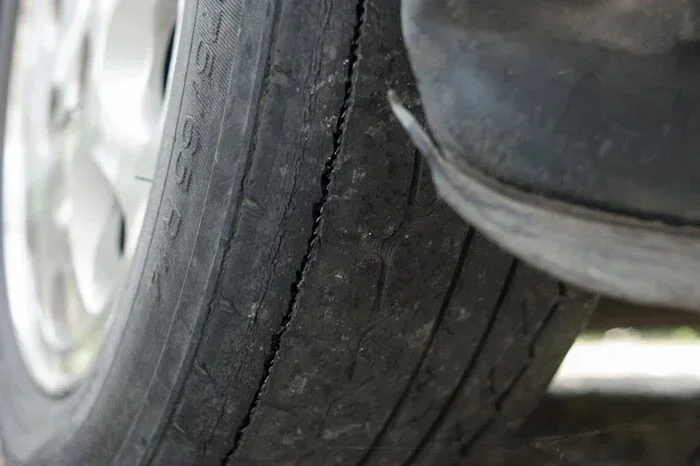
Tire cupping happens when the tire tread wears in a scaly, cup-like pattern. It is usually caused by worn suspension parts, especially shocks or struts. Cupped tires create a bumpy ride and a noticeable shake at speed.
If you see a scalloped pattern on your tire tread, you have cupping. This is not something you can fix by rotating the tires. You will need new tires and likely new suspension components too.
Belt Separation
Inside every tire, there are layers of steel belt and fabric. Over time, these layers can separate. Belt separation creates a bulge or bubble in the tire sidewall. It is dangerous and can lead to a blowout.
A tire with belt separation will shake or vibrate, especially under load. If you see a bulge on your tire, do not drive on it. Replace it immediately.
Flat Spots
Flat spots develop when a tire sits in one position too long or locks up during hard braking. The flat area creates an uneven rolling surface, which causes a rhythmic shake or thump as the tire turns.
Flat spots are common after a car sits unused for a long time. They can also happen during emergency braking. In mild cases, the spots may smooth out after driving a few miles. In severe cases, the tire needs to be replaced.
Tire Pressure Monitoring System (TPMS) Warnings
Your car’s TPMS light is a helpful tool. When it comes on, it means your tire pressure is off. Ignoring this light can lead to uneven wear, poor handling, and car vibration at speed.
Check your tire pressure whenever the TPMS light comes on. A simple top-off might solve the problem. But if the light keeps coming back, there may be a slow leak that needs repair.
How to Fix Shaking Caused by Bad Tires
The fix depends on what is causing the shake. Here are the most common solutions for tire-related car shaking.
Get a Tire Rotation
A tire rotation moves your tires from front to back and side to side. This helps them wear evenly and prevents the imbalance that causes shaking. Most manufacturers recommend rotating your tires every 5,000 to 7,500 miles.
Tire rotation is cheap and fast. Many shops do it for free or a small fee when you buy tires. It is one of the best car maintenance habits you can build.
Balance Your Tires
Tire balancing adds small weights to the rim to correct weight differences. This smooths out the roll and eliminates vibration. A tire balance service takes about 15 minutes per wheel and costs between $15 and $50 per tire.
You should balance your tires any time you install new ones. You should also rebalance them if you start feeling a shake at highway speeds. It is a quick fix that makes a big difference.
Get a Wheel Alignment
A wheel alignment adjusts the angles of your wheels so they sit flat on the road and point in the right direction. Misaligned wheels cause uneven wear, pulling, and shaking.
Alignment services typically cost between $75 and $150. They are worth every penny if you notice your car pulling to one side or your steering wheel sitting crooked while driving straight.
Replace Worn Tires
Sometimes the only real fix is replacing the tires. If the tread is too worn, there is no amount of balancing or rotation that will fix the problem. Use the penny test to check your tread depth. Insert a penny into the tread with Lincoln’s head pointing down. If you can see the top of his head, your tires are too worn.
Replacing tires is an investment, but it is one that protects your safety. New tires give you better grip, a smoother ride, and improved fuel efficiency.
Check and Replace Suspension Parts
Shocks, struts, and other suspension components absorb road impacts. When they wear out, the tires lose contact with the road in a consistent way, causing shaking. If your tires are new but you still feel a vibration, the suspension may be the real culprit.
A mechanic can inspect your suspension and recommend which parts need replacing. Addressing suspension issues early prevents further tire damage and keeps your ride smooth.
Preventing Tire-Related Car Shaking
Prevention is always easier and cheaper than repair. Here are simple steps to keep your tires in great shape and your car shake-free.
- Check tire pressure monthly. Keep them at the PSI listed on your door sticker.
- Rotate your tires every 5,000 to 7,500 miles. This promotes even wear across all four tires.
- Get a wheel alignment every 6,000 miles or after hitting a major pothole. Alignment keeps your tires tracking straight.
- Inspect your tires regularly. Look for bulges, cuts, uneven wear, or objects stuck in the tread.
- Keep your tires properly inflated for the season. Cold weather drops tire pressure, which can cause shaking in winter months.
- Avoid potholes and road hazards when possible. Hitting potholes can throw off your balance and alignment instantly.
Taking these simple steps will extend the life of your tires and keep your steering stability strong. A few minutes of care each month can save you from expensive repairs and unsafe driving conditions.
When to See a Mechanic About Tire Shaking
Some tire shaking is easy to fix on your own. But there are times when you need professional help. If the shaking is severe, gets worse quickly, or comes with other warning signs, do not delay.
For example, if your car shakes at high speeds and you also notice a burning smell or smoke, pull over safely. These could be signs of a more serious problem beyond just the tires. Similarly, if you feel a sudden vibration after hitting debris on the road, have a mechanic inspect your tires and wheels right away.
Some issues, like a car misfire, can mimic tire shaking. A misfire causes the engine to run rough, which can feel like vibration through the whole car. If you have ruled out tire problems and the shake persists, it is worth checking other systems like the engine or transmission. You can learn more about whether a misfire can cause shaking in our article on Can You Drive A Car With A Misfire.
Also, if your shaking comes with a loss of steering assist or a heavy, stiff steering wheel, there could be a deeper issue. Check out our guide on Can You Drive My Car Without Steering Assist to understand more about steering-related problems.
Finally, if you have been driving with a shaking car for a long time, other parts may have been damaged. Extended driving on bad tires can harm your suspension, brakes, and even your transmission. A thorough inspection by a trusted mechanic will give you peace of mind and a clear picture of what needs fixing.
Remember, ignoring car shaking is never a good idea. What starts as a minor vibration can turn into a major safety issue. The sooner you address the problem, the safer and smoother your ride will be.
Final Thoughts
So, can bad tires make your car shake and feel unstable? Absolutely. Bad tires are one of the top causes of car shaking and vibration. Whether it is uneven wear, low pressure, imbalance, or a more serious issue like belt separation, the root cause is almost always your tires.
The good news is that most tire-related shaking is preventable with regular maintenance. Check your pressure, rotate your tires, and get alignments when needed. These small habits make a huge difference in how your car feels and how safely it drives.
If you are already experiencing a shake, do not wait. Use the signs and tips in this guide to narrow down the cause. And when in doubt, see a professional. Your tires are the foundation of your car’s safety. Taking care of them means taking care of yourself and everyone else on the road.
Stay proactive, stay informed, and keep your tires in top shape. A smooth, stable ride is always worth the effort.
Frequently Asked Questions
Can bad tires cause shaking at high speeds only?
Yes, tire-related shaking often becomes more noticeable at higher speeds. This is usually a sign of tire imbalance or uneven tread wear. If your car shakes above 50 mph, your tires are a likely culprit.
How often should I rotate my tires to prevent shaking?
Most experts recommend rotating your tires every 5,000 to 7,500 miles. Regular rotation promotes even wear and helps prevent the imbalance that causes vibration.
Can low tire pressure cause my car to shake?
Yes, underinflated tires flex more than they should, creating an uneven rolling surface. This extra flex leads to a bumpy ride and noticeable shaking, especially at highway speeds.
Is it safe to drive with a shaking car?
It depends on the severity. A slight shake might be manageable, but a strong vibration can reduce your control over the vehicle. It is best to diagnose and fix the issue as soon as possible for safety.
Can worn shocks cause tire shaking?
Yes, worn shocks and struts allow the tires to bounce unevenly on the road. This leads to a condition called tire cupping, which causes a noticeable shake and vibration at speed.
How do I know if I need new tires or just a balance?
If the shaking happens at a specific speed, a tire balance often fixes it. If you have uneven tread wear, visible bulges, or the penny test shows low tread, you likely need new tires. A mechanic can help you decide.