Do Toyotas Require Synthetic Oil Here Is The Full Breakdown
Do Toyotas Require Synthetic Oil? The short answer is no, but the full story is more nuanced. Toyota generally recommends conventional or synthetic blend oil for most models, though certain newer and turbocharged engines benefit from full synthetic. Using the right Toyota oil type protects your engine and keeps your warranty intact.
So you just bought a Toyota or you are thinking about it. And now you are staring at the owner’s manual wondering, “Do Toyotas Require Synthetic Oil?” It is a great question, and one that a lot of Toyota owners ask. The answer is not as simple as yes or no. Toyota has different oil recommendations depending on the model, engine type, and driving conditions.
In this article, we are going to break it all down for you. We will cover what Toyota recommends, when synthetic oil makes sense, and how to keep your Toyota engine running strong for years to come. By the end, you will know exactly what kind of oil to put in your Toyota and why it matters.
Let us start with the basics. Toyota is one of the most reliable car brands on the road today. But even the most reliable engine needs the right motor oil to stay that way. Oil lubricates moving parts, reduces friction, and keeps heat under control. Without the right oil, your Toyota engine can wear out faster than it should.
Key Takeaways
- Toyota does not mandate synthetic oil: Most Toyota models work well with conventional or synthetic blend oil.
- Full synthetic is better for performance: Turbocharged and newer Toyota engines see improved protection with full synthetic oil.
- Check your owner’s manual: Always refer to your specific Toyota model’s oil recommendations before making a choice.
- Oil changes matter more than oil type: Sticking to a regular Toyota oil change schedule is critical regardless of oil type.
- Synthetic oil costs more but lasts longer: The extended drain intervals can offset the higher upfront cost over time.
- Warranty considerations exist: Using the wrong oil type could potentially affect your Toyota warranty coverage.
📑 Table of Contents
- What Kind of Oil Does Toyota Recommend?
- Synthetic Oil vs Conventional Oil for Toyota
- Do Toyotas Require Synthetic Oil Under Warranty?
- Benefits of Synthetic Oil for Toyota Engines
- How Often Should You Change Your Toyota Oil?
- Common Mistakes Toyota Owners Make With Oil
- Expert Tips for Choosing the Right Oil for Your Toyota
- Final Thoughts
What Kind of Oil Does Toyota Recommend?
Toyota does not have a one-size-fits-all oil recommendation. The type of oil your Toyota needs depends on several factors. These include the model year, engine size, and whether the vehicle has a turbocharger. Most Toyota vehicles come from the factory with a recommendation for conventional oil or a synthetic blend.
Older Toyota models, like the Camry or Corolla from the early 2000s, typically run well on conventional oil. These engines were designed with thicker tolerances and do not need the advanced properties of full synthetic. Newer Toyota models, especially those with smaller turbocharged engines, often call for full synthetic oil to handle the higher operating temperatures.
Checking Your Owner’s Manual
The best place to find your Toyota’s oil recommendation is the owner’s manual. Every Toyota comes with one, and it has a section dedicated to maintenance. Look for the “Fluids” or “Maintenance” section. There you will find the recommended oil viscosity, such as 0W-20, 5W-30, or 10W-30.
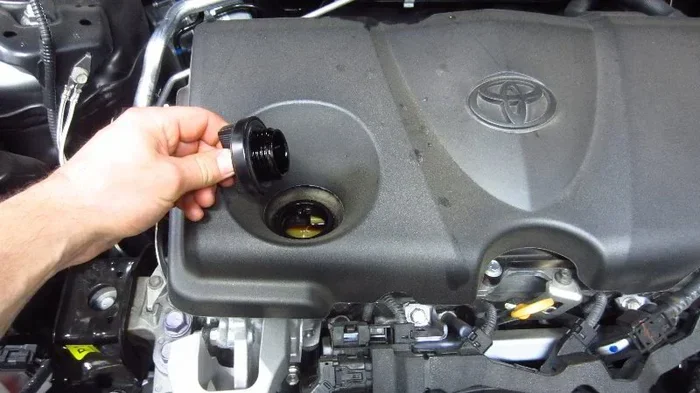
If you have lost your manual, you can also find this information on the Toyota website. Simply enter your vehicle’s year, make, and model. The site will pull up the exact specifications. You can also check the oil cap under your hood. Many Toyota engines have the recommended oil type printed right on the cap.
Understanding Oil Viscosity Ratings
Oil viscosity is a measure of how thick or thin your oil is at different temperatures. The rating on the bottle, like 0W-20, tells you how the oil behaves in cold starts and at operating temperature. The “W” stands for winter. The number before the W shows how the oil flows in cold weather. The number after the W shows the viscosity at normal engine temperature.
Toyota has been moving toward thinner oils in recent years. Many modern Toyota engines now use 0W-20 oil. This thinner oil flows faster during cold starts, which reduces engine wear when the engine is most vulnerable. Thicker oils, like 5W-30, are still used in some Toyota truck and SUV models.
Synthetic Oil vs Conventional Oil for Toyota
Not all motor oils are created equal. There are three main types: conventional, synthetic blend, and full synthetic. Each has its own strengths and weaknesses. Let us break them down so you can make the best choice for your Toyota.
Conventional Oil
Conventional oil is the most basic type of motor oil. It is refined from crude oil and has been used in engines for decades. It works well for older Toyota models with standard engines. Conventional oil is affordable and widely available at every gas station and auto parts store.
The downside of conventional oil is that it breaks down faster than synthetic options. It needs to be changed more frequently, usually every 3,000 to 5,000 miles. If you drive in extreme heat or stop-and-go traffic, conventional oil degrades even faster. For many older Toyotas, though, conventional oil gets the job done just fine.
Synthetic Blend Oil
Synthetic blend oil is a mix of conventional and full synthetic oil. It offers some of the benefits of synthetic at a lower price point. Synthetic blend provides better thermal stability and oxidation resistance than conventional oil alone.
Many Toyota dealerships use synthetic blend oil for their scheduled maintenance services. It is a good middle-ground option for Toyota owners who want better protection without paying the full synthetic price. Synthetic blend typically lasts between 5,000 and 7,500 miles before needing a change.
Full Synthetic Oil
Full synthetic oil is the most advanced motor oil available. It is engineered in a lab to provide the highest level of engine protection. Full synthetic oil flows better in cold weather, resists breakdown at high temperatures, and lasts longer between changes.
For newer Toyota models with turbocharged engines, full synthetic is often the recommended choice. Engines like the Toyota 2.4L turbo or the V6 turbo in the Tacoma benefit greatly from the superior protection that full synthetic provides. If you want the best possible care for your Toyota engine, full synthetic is the way to go.
Comparison Table
| Feature | Conventional | Synthetic Blend | Full Synthetic |
|---|---|---|---|
| Price per quart | $3-$5 | $5-$7 | $7-$12 |
| Change interval | 3,000-5,000 mi | 5,000-7,500 mi | 7,500-10,000 mi |
| Cold flow | Moderate | Good | Excellent |
| Heat resistance | Basic | Good | Excellent |
| Best for | Older Toyotas | Mid-range models | Turbo & newer engines |
Do Toyotas Require Synthetic Oil Under Warranty?
This is one of the most common questions Toyota owners ask. The good news is that Toyota does not require you to use full synthetic oil to keep your warranty valid. Toyota’s warranty covers defects in materials and workmanship, not the choice of oil type.
That said, you should always follow the maintenance schedule outlined in your owner’s manual. If the manual says to use conventional oil, using full synthetic will not hurt anything. But if the manual says to use full synthetic and you use conventional instead, you could be taking a risk.
It is also worth noting that 000 Miles With Synthetic Oil is a topic many Toyota owners explore when they want to extend their oil change intervals. Synthetic oil holds up better over longer distances, which is one reason some drivers prefer it even if it is not strictly required.
What Happens If You Use the Wrong Oil?
Using the wrong oil type occasionally will not destroy your Toyota engine overnight. But over time, it can cause problems. If you use conventional oil in an engine that needs full synthetic, the oil may break down faster. This can lead to increased engine wear, reduced fuel efficiency, and potential sludge buildup.
On the flip side, using full synthetic in an engine designed for conventional oil is generally safe. Synthetic oil is superior in almost every way. The only concern is that synthetic oil is thinner, which could theoretically affect oil pressure in older engines with wider tolerances. In practice, this is rarely an issue.
Benefits of Synthetic Oil for Toyota Engines
Even if your Toyota does not require synthetic oil, there are real benefits to using it. Many Toyota owners choose to upgrade to full synthetic for the added protection and performance. Here are the key benefits:
- Better engine protection: Synthetic oil maintains its viscosity across a wider temperature range. This means your Toyota engine is protected from the moment you turn the key until you shut it off.
- Longer oil change intervals: Synthetic oil degrades more slowly than conventional oil. This means fewer trips to the service center and less money spent on oil changes over the life of your vehicle.
- Improved fuel efficiency: Thinner synthetic oils reduce engine friction. Less friction means your Toyota engine does not have to work as hard, which can improve your gas mileage.
- Better cold-weather performance: Synthetic oil flows more easily in cold temperatures. This means faster lubrication during cold starts, which is when most engine wear occurs.
- Reduced sludge buildup: Synthetic oil is cleaner and resists oxidation better than conventional oil. This keeps your Toyota engine cleaner inside and extends its lifespan.
If you want to learn more about how long synthetic oil actually lasts, check out our guide on 000 Miles With Synthetic Oil. It covers real-world driving experiences and what to expect.
Synthetic Oil and Toyota Hybrid Models
Toyota hybrid models are a popular choice for drivers who want better fuel economy. But did you know that the type of oil you use in a hybrid Toyota matters too? Hybrid engines experience unique operating conditions. The gasoline engine turns on and off frequently, which can cause more wear during those cold start cycles.
Using synthetic oil in a Toyota hybrid can help offset this wear. The superior cold-flow properties of synthetic oil ensure that the engine is protected even during those frequent start-stop cycles. Many Toyota hybrid owners report smoother engine operation and better longevity when using synthetic oil.
Some drivers also wonder whether Do You Really Save On Gas With A Hybrid is still true when using different oil types. The answer is yes, hybrids still save gas regardless of oil type, but synthetic oil can help maximize that efficiency by reducing internal engine friction.
How Often Should You Change Your Toyota Oil?
Oil change frequency depends on several factors. These include the type of oil you use, your driving habits, and the conditions you drive in. Toyota’s recommended oil change intervals have evolved over the years, and modern Toyotas are designed to go longer between changes.
Toyota’s Oil Life System
Many newer Toyota models come equipped with an oil life system. This is a computer-based system that monitors your driving conditions and adjusts the oil change reminder accordingly. It takes into account factors like temperature, driving speed, and idle time.
When the oil life system triggers a warning on your dashboard, it is time to change your oil. Do not ignore this warning. Fresh oil is one of the cheapest and most effective ways to protect your Toyota engine.
Typical Oil Change Intervals
Here are the general oil change intervals for different oil types in Toyota vehicles:
- Conventional oil: Every 3,000 to 5,000 miles
- Synthetic blend: Every 5,000 to 7,500 miles
- Full synthetic: Every 7,500 to 10,000 miles
These intervals can vary based on your driving conditions. If you frequently drive in extreme heat, cold, dusty roads, or stop-and-go traffic, you should shorten your oil change intervals. Severe driving conditions cause oil to break down faster.
It is also important to change your oil filter every time you change your oil. A clogged oil filter can restrict oil flow and reduce engine protection. Toyota genuine oil filters are designed to work with Toyota engines and provide the best filtration.
If you are curious about how far you can push your Toyota between oil changes, you might find our article on 000 Miles Without An Oil Change interesting. It explores the limits of modern oil technology and what really happens when you delay oil changes.
Common Mistakes Toyota Owners Make With Oil
Even the best Toyota owners can make mistakes when it comes to oil maintenance. Here are the most common errors and how to avoid them.
Overfilling the Oil
Adding too much oil can cause just as many problems as too little. Overfilled oil creates excess pressure inside the engine. This can lead to oil leaks, blown gaskets, and in severe cases, engine damage. Always check your oil level with the dipstick before driving. The oil should be between the minimum and maximum marks.
Ignoring Oil Change Reminders
It is easy to ignore that little oil change light on your dashboard. But every time you delay an oil change, the oil gets dirtier and less effective. Old oil loses its ability to lubricate and cool the engine properly. Over time, this leads to increased wear and potential engine problems.
Using the Wrong Oil Viscosity
Not all oil is the same, and using the wrong viscosity can affect your Toyota’s performance. Thicker oil does not always mean better protection. In fact, using oil that is too thick can reduce fuel efficiency and cause poor cold-start performance. Always stick with the viscosity recommended by Toyota for your specific model.
Skipping Oil Filter Changes
Some Toyota owners change the oil but forget to replace the oil filter. The oil filter catches dirt, metal particles, and other contaminants. When the filter is full, it stops working. Dirty oil circulates through the engine, causing accelerated wear. Always replace the oil filter with every oil change.
Expert Tips for Choosing the Right Oil for Your Toyota
Choosing the right oil for your Toyota does not have to be complicated. Here are some expert tips to help you make the best decision.
- Follow the owner’s manual first: Toyota engineers designed your engine with specific oil requirements. Start there before considering any upgrades.
- Consider your driving conditions: If you drive in extreme temperatures or harsh conditions, synthetic oil provides better protection than conventional.
- Do not mix oil types: Avoid mixing conventional and synthetic oil. While it will not cause immediate damage, it dilutes the benefits of the synthetic oil.
- Buy from reputable brands: Stick with well-known oil brands like Mobil 1, Castrol, Valvoline, or Toyota genuine oil. These brands meet or exceed Toyota’s specifications.
- Check for API certification: Look for the API donut symbol on the oil bottle. Make sure it meets the latest API SN or SP rating for modern Toyota engines.
- When in doubt, ask a Toyota dealer: Your local Toyota dealer can confirm the exact oil specification for your vehicle. They also have access to Toyota technical service bulletins that may contain updated oil recommendations.
Taking care of your Toyota’s oil is one of the simplest things you can do to extend the life of your vehicle. Regular oil changes with the right oil type keep your engine clean, cool, and running smoothly for hundreds of thousands of miles.
Final Thoughts
So, do Toyotas require synthetic oil? The answer is that it depends on your specific Toyota model and engine. Most Toyotas can run perfectly well on conventional or synthetic blend oil. But if you have a newer turbocharged model or want the best possible protection, full synthetic oil is the way to go.
The most important thing is to stay consistent with your oil changes. Whether you use conventional or synthetic, changing your oil on time is what truly matters for your Toyota’s long-term health. Check your owner’s manual, follow the recommended intervals, and use a quality oil filter. Your Toyota engine will thank you for it.
Remember, your Toyota is a significant investment. Taking a few extra minutes to choose the right oil and stay on top of maintenance pays off in the long run. A well-maintained Toyota can easily last 200,000 miles or more with proper care. Start today by checking your oil level and scheduling your next oil change if it is due.
Frequently Asked Questions
Can I Use Synthetic Oil in My Older Toyota?
Yes, you can use synthetic oil in older Toyota models. Synthetic oil is compatible with all engine types and provides superior protection. However, if your older Toyota has high mileage and has always used conventional oil, switching to synthetic may cause minor oil leaks. This happens because synthetic oil is thinner and can seep past seals that conventional oil could not. Overall, the benefits of synthetic oil outweigh this minor risk.
How Do I Know What Oil My Toyota Needs?
The best way to find the right oil for your Toyota is to check the owner’s manual. It will list the recommended oil viscosity and type. You can also look at the oil cap under your hood for the recommended specification. If you are still unsure, contact your local Toyota dealer for confirmation.
Is It Okay to Switch From Conventional to Synthetic Oil?
Yes, switching from conventional to synthetic oil is perfectly safe. There is no risk of damaging your Toyota engine by making the switch. In fact, most Toyota owners find that synthetic oil provides better engine protection and fuel efficiency. Just make sure to change the oil and filter at the same time when switching.
Does Synthetic Oil Really Last Longer Than Conventional Oil?
Yes, synthetic oil lasts significantly longer than conventional oil. Full synthetic oil can typically go 7,500 to 10,000 miles between changes, while conventional oil usually needs changing every 3,000 to 5,000 miles. The longer intervals are one of the main reasons drivers choose synthetic oil despite the higher upfront cost.
Will Using Synthetic Oil Void My Toyota Warranty?
No, using synthetic oil will not void your Toyota warranty. Toyota does not require a specific brand or type of oil as long as it meets the specifications in the owner’s manual. However, if a warranty claim is denied due to engine damage caused by using the wrong oil type, that could be a different story. Always follow Toyota’s recommendations.
What Is the Best Synthetic Oil for Toyota Vehicles?
Some of the best synthetic oils for Toyota vehicles include Mobil 1 Extended Performance, Castrol EDGE, and Toyota Genuine Motor Oil. These oils meet or exceed Toyota’s specifications and provide excellent engine protection. The best choice depends on your specific Toyota model and driving needs. Always check that the oil meets the API SP rating for modern engines.
=== CONCLUSION ===
Do Toyotas Require Synthetic Oil? Not always, but it is often a smart choice. Toyota recommends different oil types for different models and engines. The key is to follow your owner’s manual and stay consistent with your maintenance schedule. Whether you choose conventional, synthetic blend, or full synthetic, the most important thing is to change your oil regularly and use a quality oil filter.
Your Toyota is built to last, and the right oil is one of the simplest ways to protect that investment. Take a few minutes today to check what oil your Toyota needs and schedule your next oil change. Your engine will thank you for years to come.