Does Toyota Have a Low Oil Light Here Is What to Know
Yes, Toyota vehicles have a low oil light on the dashboard. This warning indicator alerts drivers when oil pressure or oil level drops to a dangerous level. Ignoring this light can lead to serious engine damage, costly repairs, and even engine failure. Understanding what the light looks like and how to respond can save you thousands of dollars and keep your Toyota running smoothly for years.
You are driving your Toyota down the highway, and suddenly a yellow or red symbol lights up on your dashboard. Your heart drops a little. What does it mean? Is it serious? One of the most common warnings drivers see is the Toyota low oil light. If you have ever wondered, “Does Toyota have a low oil light,” the answer is a clear yes. Every Toyota owner should understand what this light means, why it comes on, and what to do when it appears. Ignoring it is never a good idea.
The Toyota oil warning light is one of the most important dashboard indicators your vehicle has. It serves as your engine’s cry for help. Whether you drive a Toyota Camry, a Toyota RAV4, or a Toyota Highlander, this light applies to your vehicle. In this guide, we will walk you through everything you need to know about the Toyota dashboard warning light for oil. We will cover what it looks like, why it activates, what steps to take, and how to prevent it from happening in the first place.
Understanding your Toyota dashboard symbols is essential for every car owner. The more you know about what each indicator means, the better equipped you are to handle problems early. Let us dive into the world of Toyota oil lights and make sure you are never caught off guard.
Key Takeaways
- Toyota Has a Dedicated Low Oil Light: Most Toyota models feature a red or yellow oil warning symbol on the dashboard that activates when oil pressure or level is low.
- The Light Looks Like an Oil Can: The symbol typically resembles an oil can with a drop falling from it, making it easy to identify while driving.
- Immediate Action Is Critical: If the low oil light comes on, you should pull over safely, turn off the engine, and check the oil level right away.
- Multiple Causes Can Trigger the Light: Low oil level, a faulty oil pressure sensor, a failing oil pump, or old degraded oil can all activate the warning.
- Regular Maintenance Prevents the Problem: Staying on top of oil changes and using the correct oil type helps keep the low oil light from appearing.
- Different Toyota Models May Vary: While the symbol is similar across the lineup, some models may have slightly different warning behaviors or additional dashboard indicators.
📑 Table of Contents
- What Does the Toyota Low Oil Light Look Like?
- Why Does the Toyota Low Oil Light Come On?
- What to Do When the Toyota Low Oil Light Comes On
- Toyota Models and Their Oil Light Behavior
- Preventing the Toyota Low Oil Light from Coming On
- Common Mistakes People Make with the Toyota Oil Light
- When to See a Professional Mechanic
- Conclusion
What Does the Toyota Low Oil Light Look Like?
When you are sitting in your Toyota and the dashboard lights up, you need to recognize the oil warning light symbol quickly. The low oil light in Toyota vehicles is designed to be simple and unmistakable. It typically looks like an old-fashioned oil can with a single drop of oil dripping from it. The symbol is usually red or yellow, depending on the severity of the issue.
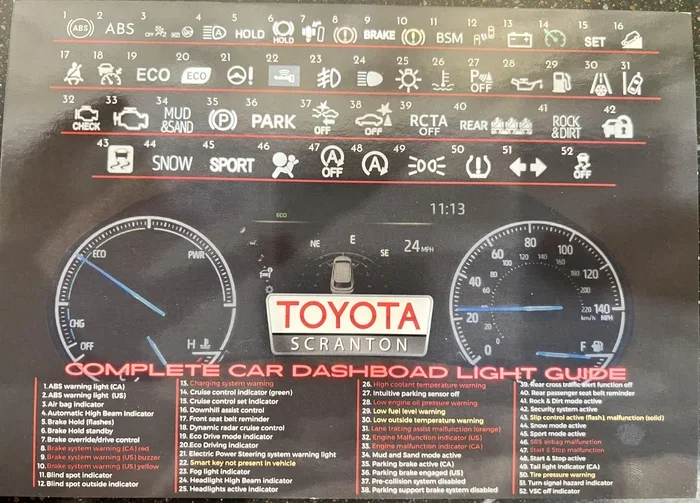
Toyota Dashboard Symbols Explained
Every Toyota model uses a standardized set of dashboard warning lights to communicate with the driver. These Toyota dashboard symbols are consistent across most models, which makes learning them easier. Here is a quick breakdown of the oil-related lights you might see:
- Red Oil Can Symbol: This means your oil pressure is critically low. Pull over immediately and turn off the engine.
- Yellow Oil Can Symbol: This is a less urgent warning. It often indicates low oil level but not necessarily a pressure crisis.
- Check Engine Light: While not the same as the oil light, this can sometimes appear alongside oil-related issues.
- Oil Change Reminder: This is a service interval light, not an emergency. It simply reminds you that it is time for an oil change.
The oil pressure warning light is the most urgent of these. When it glows red, your engine is telling you something is seriously wrong. Do not ignore it. A Toyota service light for oil can save your engine if you respond quickly.
Where to Find the Oil Warning on Your Toyota Dash
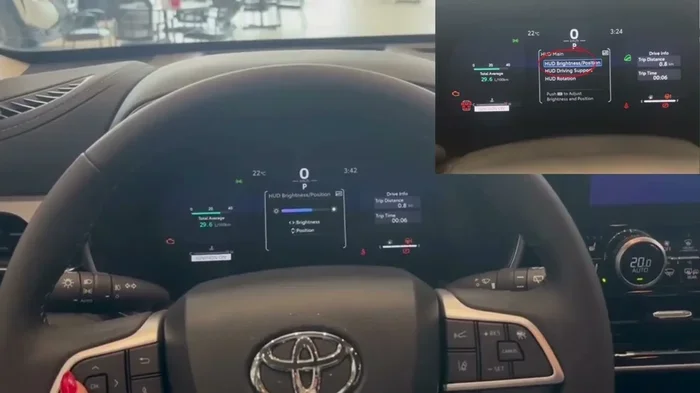
The oil warning light is located in the instrument cluster behind your steering wheel. It sits among other warning lights like the battery light, brake light, and temperature gauge. When you start your Toyota, all warning lights briefly illuminate as part of a bulb check. The oil light should turn off within a few seconds. If it stays on, that means there is an actual problem that needs your attention.
Some Toyota models also display a digital warning message on the multi-information display. You might see text that reads “Low Oil Pressure” or “Check Oil Level.” This is especially common in newer Toyota models with advanced digital dashboards. Whether it is a symbol or a text message, the message is clear: your engine needs oil attention now.
Why Does the Toyota Low Oil Light Come On?
Understanding the reasons behind the low oil light helps you respond appropriately. The light does not come on randomly. Something in your engine oil system is not right. Let us look at the most common causes.
Low Oil Level
The most common reason for the Toyota oil warning light is simply that your oil level is too low. Over time, engines naturally burn small amounts of oil between changes. If you have not checked your oil in a while, the level may have dropped below the minimum threshold. When the oil level sensor detects that the oil is too low, it triggers the warning light on your dashboard.
This is often an easy fix. A quick top-off with the correct oil type can resolve the issue. However, you should also investigate why the oil level dropped in the first place. Are you burning oil? Is there a leak? These are questions worth asking.
Oil Pressure Problems
Oil pressure is the lifeblood of your engine. It circulates oil through every moving part, reducing friction and preventing wear. When oil pressure drops, the warning light comes on. This can happen for several reasons:
- A clogged oil filter blocking flow
- A failing oil pump that cannot maintain pressure
- Worn engine bearings creating excessive clearances
- Using the wrong oil viscosity for your engine
- Engine overheating causing oil to thin out
Oil pressure problems are more serious than low oil level. They can indicate internal engine damage that needs professional attention. If your oil pressure light stays on, do not keep driving. Toyota maintenance professionals can diagnose the root cause using proper diagnostic tools.
Faulty Oil Pressure Sensor
Sometimes the problem is not with your oil at all. The oil pressure sensor itself can fail. This small electronic component measures oil pressure and sends data to your Toyota’s computer. When the sensor malfunctions, it can send a false signal that triggers the warning light even when your oil level and pressure are perfectly normal.
A faulty sensor is a relatively inexpensive fix compared to engine damage. However, you should never assume the sensor is the problem without checking your actual oil level first. Always verify the basics before moving to electrical diagnostics.
Oil Degradation Over Time
Engine oil breaks down over time. Heat, contaminants, and mileage all take a toll on oil quality. Old oil loses its ability to lubricate properly, which can lead to increased friction and lower oil pressure. This degradation is exactly why regular oil changes are so important. If you have been putting off your oil change, the low oil light Toyota might be trying to tell you something.
What to Do When the Toyota Low Oil Light Comes On
Seeing the Toyota oil warning light can be stressful, but staying calm is the most important thing you can do. Here is exactly what you should do when that light appears.
Immediate Steps to Take
- Stay Calm and Find a Safe Spot: Do not slam on the brakes. Gradually reduce your speed and pull over to a safe location.
- Turn Off the Engine: Shut off the engine to prevent further damage. Continuing to drive with low oil pressure can destroy your engine within minutes.
- Wait a Few Minutes: Let the oil settle back into the oil pan. This gives you a more accurate reading when you check the dipstick.
- Check the Oil Level: Pull out the dipstick, wipe it clean, reinsert it, and pull it out again. Look at the oil level relative to the minimum and maximum marks.
- Add Oil If Needed: If the level is low, add the correct type of oil for your Toyota. Check your owner’s manual for the recommended oil weight and specification.
- Restart the Engine: After adding oil, restart the engine and watch to see if the warning light goes off. If it does, you can drive carefully to a service center.
- Call for Help if Needed: If the light stays on after adding oil, do not keep driving. Call a tow truck or roadside assistance.
Following these steps can make the difference between a simple oil top-off and a catastrophic engine replacement. Taking quick action is always better than taking a chance.
Checking Your Oil Level the Right Way
Checking your Toyota’s oil level is a simple task that every owner should learn. Here are some tips to make sure you are doing it correctly:
- Always check the oil when the engine is cool or has been off for at least five minutes.
- Park your Toyota on a flat, level surface for an accurate reading.
- Use the dipstick that is specific to your engine. Do not confuse it with other fluid dipsticks.
- Check the oil color. Fresh oil is amber and translucent. Dark black or brown oil means it is time for a change.
- Feel the oil on the dipstick. It should feel smooth and slippery. gritty texture could indicate contamination.
Regularly checking your oil level between changes is one of the best habits you can build. It takes less than two minutes and can prevent major problems down the road.
Toyota Models and Their Oil Light Behavior
While the Toyota low oil light is consistent across the lineup, different models may have slightly different behaviors or additional features. Let us look at how some popular Toyota models handle oil warnings.
Toyota Camry Oil Light
The Toyota Camry is one of the most popular sedans on the road, and it has a reliable oil warning system. The Camry uses an oil pressure sensor that activates the dashboard light when pressure drops below safe levels. Camry owners should pay special attention to oil changes because this model can be sensitive to oil quality. Using the wrong oil weight or skipping changes can trigger the warning light more frequently.
If you own a Camry and the oil light comes on, check your oil level first. The Camry holds a good amount of oil, so a sudden drop usually means either a leak or excessive burning. Toyota maintenance schedules recommend checking the Camry’s oil every 1,000 miles for added safety.
Toyota RAV4 Oil Light
The Toyota RAV4 is a compact SUV that shares many systems with the Camry. The oil warning light in the RAV4 works the same way, using the oil pressure sensor and level sensor to monitor engine health. RAV4 owners should also be aware that this model is sometimes used for towing or hauling, which can put extra strain on the engine oil.
If you use your RAV4 for heavy loads or towing, check your oil more frequently. The extra stress on the engine can cause oil to break down faster and oil levels to drop more quickly. Staying ahead of oil changes will keep the Toyota dashboard warning light off and your engine healthy.
Toyota Highlander Oil Light
The Toyota Highlander is a larger SUV with a bigger engine, and it needs adequate oil to run properly. The oil warning system in the Highlander is the same as in other Toyota models. However, the Highlander’s larger engine capacity means it can hold more oil, which sometimes masks slow leaks for longer periods.
Highlander owners should be diligent about checking oil levels, especially if the vehicle has higher mileage. The oil level sensor in the Highlander is reliable, but it is still a sensor that can occasionally give false readings. When in doubt, always do a manual dipstick check.
Toyota Corolla Oil Light
The Toyota Corolla is known for reliability and fuel efficiency. The oil warning system in the Corolla follows the same Toyota standard. One thing Corolla owners should note is that some older Corolla models are known to burn small amounts of oil between changes. If your Corolla’s low oil light keeps coming on, this could be the cause.
Keeping up with regular oil changes and using high-quality oil can help minimize oil consumption in the Corolla. If the problem persists, a mechanic can inspect for worn valve seals or piston rings that might be causing the oil burn.
Preventing the Toyota Low Oil Light from Coming On
The best way to deal with the Toyota oil warning light is to prevent it from coming on in the first place. Prevention is always easier and cheaper than repair. Here are the most effective steps you can take.
Stick to a Regular Oil Change Schedule
Toyota recommends changing your oil every 5,000 to 10,000 miles depending on your model and the type of oil you use. Sticking to this schedule is the single most important thing you can do for your engine. Fresh oil lubricates properly, maintains correct pressure, and keeps all engine components working smoothly.
If you have been putting off your oil change, now is the time to schedule one. Skipping oil changes is the number one cause of low oil warnings and engine problems. If you are unsure when your last change was, 000 miles without an oil change is a clear sign that you need to get it done immediately.
Use the Correct Oil Type
Not all engine oils are the same. Toyota specifies particular oil weights and specifications for each model. Using the wrong oil can lead to poor lubrication, increased engine wear, and yes, the low oil light Toyota coming on. Always check your owner’s manual or the oil cap under the hood for the recommended oil type.
Most modern Toyota vehicles perform well with 0W-20 synthetic oil. This oil weight provides excellent protection across a wide range of temperatures. If you are unsure which oil to use, ask a service advisor at your local Toyota dealership or trusted mechanic.
Check for Oil Leaks Regularly
Oil leaks are one of the hidden causes of low oil levels. Even a small leak can drain your oil over time, eventually triggering the warning light. Check under your Toyota regularly for any signs of oil drips or puddles. Pay attention to oil stains on your parking spot or driveway.
Common areas for oil leaks include the oil pan gasket, valve cover gasket, and oil filter housing. If you notice any leaks, have them repaired promptly. A small leak today can become a major problem tomorrow.
Monitor Your Oil Level Between Changes
Do not wait for the warning light to check your oil. Make it a habit to check your oil level at least once a month. This simple habit takes less than two minutes and can catch problems early. If you notice the oil level dropping faster than normal, it is time to investigate.
Keeping a log of your oil checks can also help you spot trends. If you are adding oil frequently, something is wrong and needs to be addressed. Staying proactive with your engine maintenance is always better than reacting to problems after they start.
Respond to Warning Signs Immediately
Some drivers notice early warning signs before the oil light even comes on. These can include unusual engine noises, a burning oil smell, or decreased fuel efficiency. If you notice any of these signs, do not wait for the light. Check your oil and address the issue right away. Early intervention can prevent expensive repairs and keep your Toyota running reliably.
Regular maintenance checks at a trusted service center can also help catch oil-related issues before they become serious. Whether you visit a Toyota dealership or an independent shop, staying current with your vehicle’s maintenance schedule is key to long-term reliability.
Common Mistakes People Make with the Toyota Oil Light
Even the best car owners make mistakes when it comes to oil lights. Here are the most common errors and how to avoid them.
- Ignoring the Light: This is the worst mistake you can make. Driving with the oil light on can destroy your engine in minutes. Always take it seriously.
- Assuming the Light Means You Just Need Oil: The oil light can indicate pressure problems, not just low level. Always investigate the root cause.
- Topping Off with the Wrong Oil: Using the wrong oil type can cause more problems than it solves. Always match your oil to Toyota’s specifications.
- Delaying Oil Changes: Pushing past your oil change interval puts extra strain on your engine and increases the risk of the warning light activating.
- Not Checking for Leaks: If your oil keeps dropping, a leak is likely the culprit. Ignoring leaks leads to recurring low oil warnings.
- Dismissing the Light After It Goes Off: Even if the light turns off after you add oil, get your vehicle inspected to make sure there is no underlying issue.
Avoiding these mistakes will help you stay ahead of oil-related problems and keep your Toyota in excellent condition for the long haul.
When to See a Professional Mechanic
While some oil light issues are simple to fix, others require professional attention. You should see a mechanic if:
- The oil light stays on after you add oil
- You notice a significant oil leak under your vehicle
- Your engine makes unusual knocking or ticking sounds
- The oil level drops rapidly between checks
- You see blue or white exhaust smoke, which can indicate oil burning
- Your oil pressure gauge reads consistently low
A professional mechanic has the tools and expertise to diagnose the exact cause of your Toyota oil warning light. They can check your oil pressure, inspect for leaks, test the oil pressure sensor, and recommend the right repairs. Investing in a proper diagnosis now can save you from a much bigger bill later.
Regular diagnostics as part of your Toyota maintenance routine can also help identify potential oil system issues before they trigger the warning light. Many service centers offer comprehensive inspections that cover everything from oil levels to sensor function.
Conclusion
So, does Toyota have a low oil light? Absolutely. Every Toyota vehicle comes equipped with a reliable oil warning system designed to protect your engine from damage. The Toyota low oil light is a critical dashboard indicator that should never be ignored. Whether it shows up as a red or yellow oil can symbol, it is your engine’s way of telling you something needs attention right away.
By understanding what the light looks like, why it comes on, and how to respond, you can protect your Toyota from costly damage. Regular oil changes, proper oil type, and routine level checks are your best defenses against the low oil warning. If the light does come on, stay calm, pull over safely, and follow the steps outlined in this guide.
Taking care of your Toyota’s oil system is one of the simplest and most effective things you can do as a car owner. It keeps your engine running smoothly, your trips worry-free, and your vehicle reliable for years to come. The Toyota oil warning light is there to help you, not scare you. Use it as a guide, and your Toyota will reward you with excellent performance and longevity.
Frequently Asked Questions
What does the Toyota low oil light look like?
The Toyota low oil light typically appears as a red or yellow symbol shaped like an oil can with a single drop of oil falling from it. It is located in the instrument cluster behind the steering wheel. When you start your Toyota, all warning lights briefly illuminate for a bulb check, and the oil light should turn off within a few seconds if everything is normal.
Can I keep driving if the Toyota oil warning light comes on?
No, you should not keep driving if the oil warning light comes on. Pull over safely, turn off the engine, and check your oil level immediately. Continuing to drive with low oil pressure can cause severe engine damage within minutes. If the light stays on after adding oil, call for roadside assistance or a tow truck.
How do I reset the Toyota low oil light?
After addressing the cause of the low oil light, the warning may reset automatically once the oil level is restored and the engine is running for a few minutes. If the light does not go off, you may need to have a mechanic check the oil pressure sensor or clear the warning with a diagnostic tool. Always fix the underlying problem first rather than just resetting the light.
What oil does Toyota recommend for its vehicles?
Most modern Toyota vehicles recommend 0W-20 synthetic oil, but the exact specification can vary by model and engine type. Always check your owner’s manual or the oil cap under the hood for the recommended oil weight and certification. Using the correct oil is essential for proper engine lubrication and avoiding the low oil warning light.
How often should I change the oil in my Toyota?
Toyota generally recommends oil changes every 5,000 to 10,000 miles, depending on the model, driving conditions, and type of oil used. If you drive in severe conditions such as extreme heat, heavy traffic, or towing, you may need to change your oil more frequently. Staying on top of your oil change schedule is the best way to prevent the low oil light from appearing.
Is the Toyota low oil light the same as the check engine light?
No, the low oil light and the check engine light are different warnings. The low oil light specifically indicates a problem with your engine oil level or pressure. The check engine light can be triggered by many different issues, including emissions problems, sensor failures, and fuel system issues. If either light comes on, it is important to investigate the cause promptly.