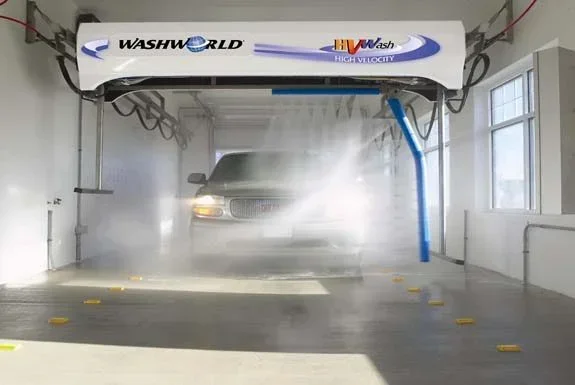
Everything You Need to Know About Automatic Car Wash System
An automatic car wash system saves time, delivers consistent results, and keeps your vehicle looking great with minimal effort. Whether you own a single car or run a car wash business, understanding how these systems work helps you make smarter decisions. This guide covers types, benefits, maintenance, and everything else you need to know.
Have you ever driven through a car wash and wondered how those machines work their magic? An automatic car wash system does the hard work for you, cleaning your vehicle quickly and effectively without any effort on your part. These systems have come a long way from the basic brush-and-water setups of the past.
Today’s automatic car wash system options range from simple self-service stations to fully automated conveyor tunnels. Whether you are a car owner looking for a faster way to keep your vehicle clean or a business owner exploring car wash equipment investments, this guide has you covered. We will walk through everything you need to know in plain, straightforward language.
Key Takeaways
- Multiple types available: Touchless, brush, and conveyor systems each suit different needs and budgets.
- Significant time savings: An automatic car wash system cleans your vehicle in minutes instead of hours.
- Better for your paint: Proper systems reduce the risk of scratches and swirl marks compared to hand washing.
- Water recycling matters: Modern systems use less water and are more eco-friendly than traditional methods.
- Regular maintenance is essential: Keeping equipment in top shape extends the life of your system and ensures quality results.
- Business owners benefit too: Automatic systems increase throughput and customer satisfaction for car wash businesses.
- Choose based on your needs: Consider vehicle type, budget, water access, and desired cleanliness level when selecting a system.
📑 Table of Contents
- What Is an Automatic Car Wash System?
- Types of Automatic Car Wash Systems
- How Does an Automatic Car Wash System Work?
- Benefits of Using an Automatic Car Wash System
- How to Choose the Right Automatic Car Wash System
- Maintaining Your Automatic Car Wash System
- Common Mistakes to Avoid with Automatic Car Wash Systems
- Conclusion
What Is an Automatic Car Wash System?
An automatic car wash system is a mechanized setup that cleans vehicles with minimal human involvement. Instead of scrubbing, rinsing, and drying by hand, you simply drive your car into the system and let the machines handle the rest.
These systems use a combination of water pressure, detergent, brushes or air, and sometimes wax applicators to clean every surface. Most automatic car wash systems complete a full wash cycle in under ten minutes. That is a huge time saver compared to hand washing, which can easily take thirty minutes or more.
The technology behind these systems has evolved significantly. Modern automatic car wash machine units feature computer-controlled sensors, adjustable pressure settings, and water recycling capabilities. This means better cleaning results while using fewer resources.
How Automatic Car Wash Systems Differ from Hand Washing
Hand washing relies on a person using a sponge, bucket, and hose. An automatic car wash system uses pressurized water, specialized car wash detergent, and mechanical components to do the same job faster and more consistently.
Here are the key differences:
- Speed: Automatic systems finish in 5-10 minutes. Hand washing takes 20-45 minutes.
- Consistency: Machines follow the same process every time, ensuring uniform results.
- Water usage: Modern automatic car wash system units use less water than a typical garden hose.
- Labor: No human effort is required once the system is running.
- Safety: Properly maintained systems pose less risk of paint damage than improper hand-washing techniques.
Types of Automatic Car Wash Systems
Not all automatic car wash system setups are the same. Different types serve different purposes and budgets. Understanding each type helps you choose the right one for your situation.
Touchless Car Wash Systems
A touchless car wash uses high-pressure water jets and chemical agents to clean the vehicle. There are no physical brushes or pads touching the car’s surface. This makes touchless systems a popular choice for owners who want to protect their paint job.
These systems rely on powerful high-pressure washer nozzles that spray water at extreme angles. The car wash detergent loosens dirt and grime, and then clean water rinses everything away. Many modern touchless systems also include a foam cannon step for deeper cleaning.
Pros of touchless systems include gentle treatment of the vehicle’s finish and lower maintenance costs for the equipment. The downside is that they may not remove heavy buildup or stubborn grime as effectively as brush-based systems.
Brush and Cloth Wash Systems
Brush and cloth systems use rotating soft brushes or microfiber cloths to physically scrub the vehicle’s surface. These are the most common type of drive-through car wash you see at gas stations and standalone facilities.
The brushes move across the car’s body, loosening dirt and debris. Water and detergent are applied throughout the process. Many modern brush systems use closed-cell foam or soft cloth strips instead of traditional bristle brushes to reduce the risk of scratches.
These systems are effective at removing caked-on dirt and road grime. However, they require regular brush maintenance to prevent paint damage from worn or dirty bristles.
Conveyor Tunnel Car Wash Systems
A conveyor car wash pulls the vehicle through a tunnel on a track or rail system. The car moves slowly through different wash stations, each performing a specific task. This is the setup you typically find at dedicated car wash facilities.
Tunnel systems often include multiple steps:
- Pre-soak and detergent application
- High-pressure pre-wash
- Brush or touchless main wash
- Rinse cycle
- Wax or sealant application
- Final rinse and drying
These systems offer the most thorough cleaning experience. They are ideal for commercial car wash businesses looking to maximize throughput and customer satisfaction.
Self-Service Automatic Car Wash Stations
Self-service stations give you control over the wash process. You pull into a bay, insert coins or pay via an app, and choose your wash options. These automatic car wash system units typically offer high-pressure spray, soap, brush, and rinse settings.
Self-service stations are popular among people who want a thorough clean without the cost of a full-service wash. They also give you the flexibility to focus extra attention on dirty areas like wheel wells and lower panels.
How Does an Automatic Car Wash System Work?
Understanding how an automatic car wash system operates helps you appreciate the technology and know what to expect during a wash cycle. The process generally follows a predictable sequence of steps.
The Wash Cycle Explained
Most automatic car wash system units follow a similar sequence:
- Pre-wash soak: The system applies a pre-soak solution to loosen dirt and bugs.
- Foam application: A foam cannon or similar device applies thick detergent foam across the vehicle.
- Main wash: Brushes, cloths, or high-pressure jets clean the surfaces.
- Wheel and tire cleaning: Specialized sprayers target the wheels with strong detergent.
- Rinse: Clean water washes away all soap and loosened dirt.
- Wax or protectant: A thin layer of wax or sealant is applied for extra shine and protection.
- Final rinse and dry: A last rinse removes any remaining soap, and air dryers or blowers finish the job.
A complete wash cycle typically takes between three and eight minutes, depending on the system type and the options selected.
Key Components of an Automatic Car Wash System
Every automatic car wash system relies on several core components working together:
- Water pumps: Provide the pressure needed for effective cleaning.
- Nozzles and spray arms: Direct water and detergent at the correct angles and pressure.
- Conveyor or track system: Moves the vehicle through the wash tunnel (in conveyor models).
- Chemical dispensing units: Meter out the right amount of detergent, wax, and rinse aid.
- Water recycling system: Filters and reuses water to reduce consumption.
- Control panel or software: Lets operators or customers select wash programs and monitor the system.
Quick Tip: If you are buying a home or business unit, look for a system with a built-in water recycling system. It saves money on water bills and is better for the environment.
Benefits of Using an Automatic Car Wash System
There are many reasons why automatic car wash system setups have become so popular. Let us look at the biggest advantages.
Time Efficiency
Time is the most obvious benefit. An automatic car wash system cleans your car in minutes. You do not need to scrub, rinse, or dry. Just drive in, select your options, and drive out with a clean vehicle. For busy car owners and commercial operators alike, this time savings adds up significantly over weeks and months.
Consistent Cleaning Results
Machines do not get tired or distracted. Every wash cycle delivers the same level of cleanliness. This consistency is something hand washing simply cannot match. With an automatic car wash system, you know exactly what to expect every time.
Water Conservation
Modern automatic car wash system units are designed to use less water than traditional hand washing. Many systems include water recycling technology that filters and reuses water during the wash cycle. Some systems use as little as 15-30 gallons per vehicle, compared to 80-140 gallons for a typical garden hose wash.
This makes automatic car wash system setups a more eco-friendly choice, especially in areas with water restrictions or drought conditions.
Paint Protection
When used correctly, automatic car wash system units are gentler on your vehicle’s paint than many people realize. Touchless car wash systems eliminate the risk of brush-related scratches entirely. Even brush-based systems use soft materials designed specifically for automotive surfaces.
The key is regular maintenance of the wash equipment. Worn brushes or dirty cloths can cause paint damage, which is why keeping your system well-maintained matters so much.
Increased Vehicle Value
Regular washing helps preserve your vehicle’s paint and finish. An automatic car wash system makes it easy to wash your car frequently without the hassle. Over time, this consistent care helps maintain resale value and keeps the vehicle looking its best.
How to Choose the Right Automatic Car Wash System
Choosing the right automatic car wash system depends on several factors. Whether you are a homeowner or a business owner, the right choice comes down to understanding your needs and budget.
Factors to Consider
Here are the most important factors when selecting an automatic car wash system:
- Vehicle type and size: Larger vehicles like SUVs and trucks need systems with higher clearance and stronger water pressure.
- Budget: Home units range from a few hundred to several thousand dollars. Commercial systems can cost tens of thousands.
- Water and drainage access: You need a reliable water supply and proper drainage for most systems.
- Available space: Measure your available area carefully. Tunnel systems need significant space, while self-service bays are more compact.
- Wash preferences: Do you prefer touchless cleaning, or do you want the deeper clean that brush systems provide?
- Water recycling needs: If you live in an area with water restrictions, prioritize systems with water recycling capabilities.
Home vs. Commercial Systems
Home automatic car wash system units are smaller, simpler, and more affordable. They typically fit in a driveway or garage and connect to your garden hose. These systems are great for regular maintenance washes.
Commercial systems are built for high-volume use. They feature stronger pumps, larger chemical tanks, and more advanced car wash software for managing operations. If you run a car wash business, investing in a commercial-grade automatic car wash system pays off through faster service and happier customers.
| Feature | Home System | Commercial System |
|---|---|---|
| Price Range | $200 – $5,000 | $10,000 – $200,000+ |
| Wash Cycle Time | 3 – 8 minutes | 2 – 5 minutes |
| Water Usage | 15 – 40 gallons | 10 – 30 gallons (with recycling) |
| Installation | DIY-friendly | Professional installation required |
| Capacity | 1 vehicle at a time | Multiple vehicles per hour |
| Maintenance | Low | Moderate to high |
Maintaining Your Automatic Car Wash System
Like any equipment, an automatic car wash system needs regular maintenance to perform at its best. Neglecting maintenance leads to poor cleaning results, higher operating costs, and expensive repairs.
Routine Maintenance Tasks
Here is a simple maintenance checklist for your automatic car wash system:
- Inspect nozzles weekly: Check for clogs or damage. Clean or replace clogged car wash nozzles to maintain proper spray patterns.
- Check chemical levels: Refill car wash detergent, wax, and rinse agents as needed. Running low on chemicals affects cleaning quality.
- Clean the filters: Water recycling system filters trap debris. Clean or replace them regularly to keep water flowing properly.
- Inspect brushes and cloths: Replace worn brushes or cloths immediately. Dirty or damaged brushes can scratch vehicle paint.
- Check water pressure: Low pressure often indicates a pump issue or blockage. Address it before it affects wash quality.
- Run cleaning cycles: Many automatic car wash machine units have a self-cleaning mode. Run this monthly to prevent buildup inside the system.
Seasonal Maintenance Tips
Different seasons bring different challenges for your automatic car wash system:
- Winter: Drain water lines to prevent freezing. Use antifreeze-rated chemicals in cold climates.
- Spring: Inspect all components after winter storage. Replace any parts that showed wear.
- Summer: Higher usage means more frequent filter cleaning and chemical refills.
- Fall: Clear leaves and debris from intake vents and drainage areas.
Expert Insight: “The most common mistake we see is owners skipping nozzle inspections. A single clogged nozzle can create uneven cleaning patterns that leave dirty spots on every vehicle. A five-minute weekly check prevents this problem entirely.” – Industry maintenance professional
Common Mistakes to Avoid with Automatic Car Wash Systems
Even the best automatic car wash system can cause problems if used incorrectly. Here are the most common mistakes and how to avoid them.
Skipping Regular Maintenance
This is the number one mistake. Without regular upkeep, your system gradually loses cleaning power. Brushes wear down, nozzles clog, and chemical dispensers malfunction. Stick to a maintenance schedule and your automatic car wash system will last for years.
Using the Wrong Detergent
Not all soaps work with every system. Using the wrong car wash detergent can damage components, leave residue, or fail to clean effectively. Always use detergents recommended by your system manufacturer.
Overloading the System
Trying to wash oversized vehicles in a system not rated for them can damage the equipment. Check the maximum vehicle size and weight limits before using your automatic car wash system.
Ignoring Water Quality
Hard water with high mineral content can clog nozzles and leave spots on vehicles. Consider installing a water softener if your water supply is hard. This small investment protects both your system and your vehicle’s finish.
Neglecting the Water Recycling System
If your system has a water recycling feature, do not ignore it. A clogged or malfunctioning recycling system wastes water and increases operating costs. Clean the recycling filters regularly and monitor water quality.
Conclusion
An automatic car wash system is one of the smartest investments you can make for your vehicle or your business. These systems save time, conserve water, deliver consistent results, and protect your car’s paint finish. With so many types available, from touchless setups to full conveyor tunnels, there is an automatic car wash system for every need and budget.
Understanding the different types, how they work, and how to maintain them puts you in a great position to make the best choice. Whether you are a car owner wanting a faster way to keep your vehicle clean or a business owner looking to improve your car wash business, the right automatic car wash system makes all the difference.
Take the time to evaluate your options, follow proper maintenance practices, and enjoy the convenience and quality that a well-chosen automatic car wash system provides. Your vehicle and your wallet will thank you.
Frequently Asked Questions
How long does an automatic car wash system last?
With proper maintenance, most automatic car wash system units last between 7 and 15 years. Home-use systems often last longer with light usage, while commercial systems may need component replacements after 5-8 years due to higher demand. Regular maintenance is the key to maximizing lifespan.
Is an automatic car wash safe for all vehicle types?
Most modern automatic car wash system units are safe for standard cars, SUVs, and light trucks. However, always check the system’s maximum vehicle size and weight specifications. Vehicles with aftermarket modifications, large roof racks, or oversized tires may need a touchless or specialized system to avoid damage.
How much does an automatic car wash system cost?
Home-use units typically cost between $200 and $5,000, while commercial systems range from $10,000 to over $200,000 depending on features and capacity. The price depends on the system type, water recycling capabilities, number of wash stations, and brand quality.
Can an automatic car wash system save water compared to hand washing?
Yes, most automatic car wash system setups use significantly less water than hand washing. Modern systems with water recycling technology can clean a vehicle using as little as 15-30 gallons, compared to 80-140 gallons with a standard garden hose. This makes them a more environmentally friendly choice.
Do I need professional installation for a home automatic car wash system?
Many home-use automatic car wash system units are designed for DIY installation and come with clear instructions. However, if you are not comfortable with plumbing and electrical connections, hiring a professional is a smart choice. Proper installation ensures optimal performance and prevents potential damage to your property.
What is the best type of automatic car wash system for a small business?
For small businesses, a self-service bay or a compact conveyor system usually offers the best return on investment. Self-service units have lower upfront costs and are easy to maintain. Conveyor systems provide faster throughput but require more space and a higher initial investment. Consider your location, customer base, and budget before deciding.