Does a Chrysler 300 Need Premium Gas or Regular Fuel
The Chrysler 300 performs best with premium gasoline, especially in the V6 and V8 trims. While the base V6 engine can technically run on regular gas, using premium fuel unlocks the full power and smooth driving experience the car is designed for. Always check your owner’s manual for the official fuel recommendation.
This is a comprehensive guide about Does a Chrysler 300 Need Premium Gas?.
Key Takeaways
- Premium recommended: Chrysler officially recommends premium unleaded for the 3.6L V6 and 5.7L HEMI V8 engines.
- Regular gas works in a pinch: The base V6 can run on 87 octane, but you may notice a drop in performance and fuel economy.
- Engine knock is real: Using lower octane fuel can cause engine knocking, which damages your motor over time.
- Fuel costs add up: Premium gas costs more per gallon, so the difference at the pump can be significant over time.
- Check your manual: The owner’s manual is the final word on what fuel your Chrysler 300 needs.
- No benefit to premium in the base V6: If you drive the base model, regular gas won’t hurt, but premium won’t help much either.
[FEATURED_IMAGE_PLACEHOLDER]
What Kind of Gas Does a Chrysler 300 Need?
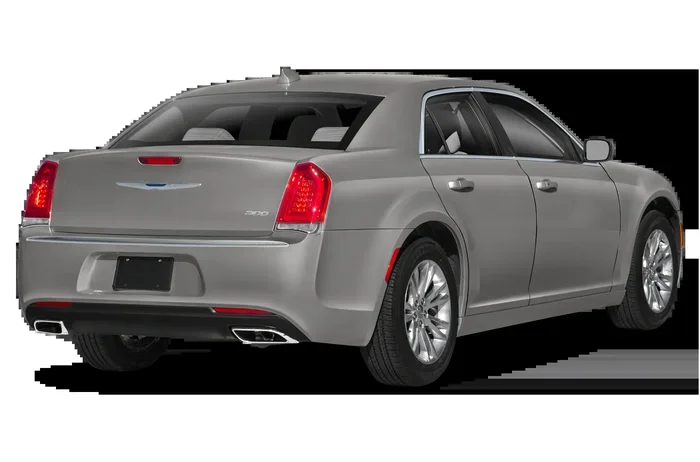
The Chrysler 300 is a full-size sedan that has been a favorite on American roads for years. It comes with a strong engine and a smooth ride. But one question owners and shoppers always ask is about fuel. Does a Chrysler 300 need premium gas? The short answer is yes, in most cases. But let us dig deeper into what that really means for you.
Chrysler designs its engines to run on a specific octane rating. The octane rating tells you how well the fuel resists “knocking” or “pinging” inside the engine. Premium gas has a higher octane rating, usually 91 or above. Regular gas sits at 87 octane. The Chrysler 300’s larger engines need that extra octane to perform the way they should.
Here is the quick breakdown. The base Chrysler 300 comes with a 3.6L V6 engine. This engine recommends premium fuel but can run on regular unleaded in emergencies. The bigger 5.7L HEMI V8 engine absolutely requires premium gas. And the supercharged 6.4L HEMI V8? That one demands premium without question. Putting the wrong fuel in any of these engines can cause problems over time.
Premium Gas vs Regular Gas: What’s the Difference?
Not all gasoline is created equal. The main difference between premium and regular gas comes down to octane rating and how the fuel burns inside your engine. Let us break this down so it is easy to understand.
Regular unleaded gas has an octane rating of 87. It is the most common fuel at the pump and the cheapest option. Premium gas typically has an octane rating of 91 or 93. The higher octane means the fuel is more resistant to premature ignition, also known as engine knock. Engine knock happens when the fuel-air mixture ignites too early in the combustion cycle. This can cause a rattling or pinging sound and, over time, serious engine damage.
Why Octane Rating Matters for the Chrysler 300
The Chrysler 300 uses high-compression engines, especially the HEMI variants. High compression means the fuel-air mixture gets squeezed harder before ignition. If the fuel ignites too early because of low octane, it creates that harmful knocking. The engine control unit (ECU) can adjust timing to prevent knock, but this adjustment reduces power and efficiency. You lose the very performance that makes the Chrysler 300 special.
Think of it this way. Premium gas is like high-quality food for your engine. Regular gas is like fast food. Your engine can survive on fast food, but it will not thrive. The same idea applies here. Using premium fuel in a Chrysler 300 ensures the engine runs smoothly, quietly, and with all the power you expect.
Cost Comparison at the Pump
Premium gas usually costs 30 to 50 cents more per gallon than regular. For a car with a big tank like the Chrysler 300, that adds up. A full tank of premium might cost $80 to $100 depending on local prices. Filling up with regular saves money upfront, but you may pay for it in reduced fuel economy and engine wear over the long run.
What Happens If You Put Regular Gas in a Chrysler 300?
So what if you grab the wrong nozzle at the gas station? What if you put regular gas in a Chrysler 300 that wants premium? The good news is that one tank of regular gas will not destroy your engine. Modern cars have knock sensors that detect premature ignition and adjust the engine timing on the fly.
However, you will likely notice a difference in how the car drives. Here are the most common effects:
- Reduced acceleration: The engine feels sluggish, especially when you step on the gas hard.
- Lower fuel economy: You might get fewer miles per gallon because the engine is not running at its best.
- Engine knocking or pinging: You may hear a strange sound under the hood, especially under heavy load.
- Rough idling: The engine might feel shaky when you are stopped at a light.
- Check engine light: In some cases, persistent use of wrong fuel can trigger the warning light on your dashboard.
For the base 3.6L V6, these effects are usually mild. The engine is designed to be flexible with fuel types. But for the HEMI V8 and supercharged V8 engines, the impact is much more noticeable. You lose horsepower and torque, which defeats the purpose of having such a powerful engine in the first place.
If you accidentally fill up with regular gas, do not panic. Just use it until the tank is nearly empty, then fill up with premium fuel. One tank of regular gas will not cause lasting damage. But make it a habit, and you could shorten the life of your engine.
Fuel Economy: Premium vs Regular in the Chrysler 300
One of the biggest concerns for Chrysler 300 owners is fuel economy. A full-size sedan with a V6 or V8 engine is not going to be a hybrid-level mileage champion. But the type of gas you use does make a difference.
When you use premium fuel as recommended, the Chrysler 300 delivers its factory-rated fuel economy. The 3.6L V6 gets about 19 miles per gallon in the city and 30 on the highway when filled with premium. The 5.7L HEMI V8 drops to around 15 city and 23 highway. These numbers assume you are using the correct fuel.
Switching to regular gas can lower those numbers by 5 to 10 percent. That means you might only get 17 mpg city in the V6 instead of 19. Over thousands of miles, that difference adds up at the pump. Plus, the engine has to work harder with lower octane fuel, which increases wear and tear over time.
Some owners report that the fuel economy difference between premium and regular is minimal in the base V6. This is because the ECU compensates for the lower octane. But even if the numbers look similar on paper, the long-term effects on engine health are not worth the small savings.
Does Sport Mode Affect Fuel Economy?
If your Chrysler 300 has a sport mode, you might wonder if it affects gas mileage. Sport mode makes the engine respond faster and shifts the transmission differently. It gives you more power but uses more fuel. Whether you use premium or regular gas, sport mode will always reduce your fuel economy. For the best results, drive in normal mode and stick with premium fuel.
Expert Recommendations and Tips for Chrysler 300 Owners
So what should you actually do? Here are some practical tips from experienced mechanics and Chrysler engineers to help you get the most out of your car.
1. Always Follow the Owner’s Manual
The owner’s manual is your best friend when it comes to fuel decisions. It tells you exactly what your engine needs. Chrysler engineers design and test the engine with a specific fuel type in mind. Ignoring their recommendation can void your warranty in some cases, especially if engine damage results from using the wrong fuel.
2. Use Top Tier Gasoline
Not all gas stations are the same. Top Tier gasoline contains higher levels of detergents that keep your fuel injectors and engine internals clean. Brands like Shell, Costco, and Chevron meet Top Tier standards. Using quality fuel, whether premium or regular, helps your engine last longer and run smoother.
3. Keep a Consistent Fuel Routine
Your engine likes consistency. Switching back and forth between premium and regular gas can confuse the ECU and lead to inconsistent performance. Pick one fuel type and stick with it. If your Chrysler 300 calls for premium, make premium a habit.
4. Monitor Your Fuel Economy
Keep an eye on your miles per gallon. If you notice a sudden drop in fuel economy, it could be a sign that something is wrong. Maybe you switched to a lower grade fuel, or maybe there is a deeper issue. Tracking your fuel economy over time helps you catch problems early.
5. Compare Costs Before You Commit
Premium gas costs more, but the Chrysler 300 delivers more power and a smoother ride when you use it. Think of premium fuel as an investment in your car’s longevity and performance. Compare the cost difference at your local stations. Sometimes the gap between premium and regular is smaller than you think.
Final Verdict: Does a Chrysler 300 Need Premium Gas?
Let us settle the question once and for all. Does a Chrysler 300 need premium gas? Yes, for the V6 and V8 engines, premium fuel is the recommended choice. Chrysler designed these engines to run on high-octane gasoline. Using premium ensures you get the full performance, smooth operation, and fuel economy the car promises.
The base V6 can technically run on regular gas, but you sacrifice performance and long-term engine health. The HEMI V8 and supercharged V8 engines absolutely require premium gas. There is no substitute.
If you want to keep your Chrysler 300 running strong for years to come, fill up with premium. Yes, it costs a bit more at the pump. But the payoff in engine life, performance, and driving enjoyment is worth every penny. Your Chrysler 300 is a powerful, comfortable, and stylish sedan. Treat it with the fuel it deserves.
And if you are comparing the Chrysler 300 to other cars, remember that fuel requirements vary widely. Some vehicles, like the does the Gr86 need premium gas discussion, also highlight how different brands handle fuel recommendations. Always research your specific vehicle before making assumptions.
In the end, the choice is yours. But now you have the facts. Premium gas is the right call for the Chrysler 300. Your engine, your wallet, and your driving experience will thank you.
Frequently Asked Questions
Can I put regular gas in a Chrysler 300 V6?
Yes, the base 3.6L V6 can run on regular 87 octane gas. However, Chrysler recommends premium fuel for the best performance and fuel economy. Using regular gas may cause a slight loss of power and efficiency, but it will not damage the engine in the short term.
What happens if I accidentally put regular gas in my Chrysler 300 HEMI?
If you put regular gas in a HEMI V8 engine, the ECU will adjust timing to prevent engine knock. You may notice reduced power, lower fuel economy, and a rougher ride. Fill up with premium gas as soon as possible and the effects will reverse after a few tanks.
Is premium gas worth it for the Chrysler 300?
Yes, premium gas is worth it for the Chrysler 300. It ensures the engine runs at its best, delivers the advertised horsepower, and helps prevent long-term damage from engine knock. The extra cost at the pump is offset by better performance and engine longevity.
How much does it cost to fill up a Chrysler 300 with premium gas?
The cost depends on your local gas prices and tank size. The Chrysler 300 has an 18-gallon tank. At an average premium price of $4 per gallon, a full tank costs around $72. This is higher than regular gas, but the improved performance and fuel economy help balance the cost.
Does the Chrysler 300 require premium gas by warranty?
Chrysler recommends premium gas for the 3.6L V6, 5.7L HEMI V8, and 6.4L supercharged V8 engines. Using regular gas does not automatically void your warranty, but if engine damage occurs due to prolonged use of the wrong fuel, the warranty may not cover repairs.
Can I switch from premium to regular gas in my Chrysler 300?
You can switch, but it is not recommended for the V6 and V8 engines. The base V6 tolerates regular gas okay in emergencies, but the HEMI engines need premium. Switching back and forth can also lead to inconsistent engine performance and reduced fuel economy over time.